Alentejo
Region

Alentejo

Cork plains, whitewashed hill towns, marble villages and the slow Atlantic coast.

Overview

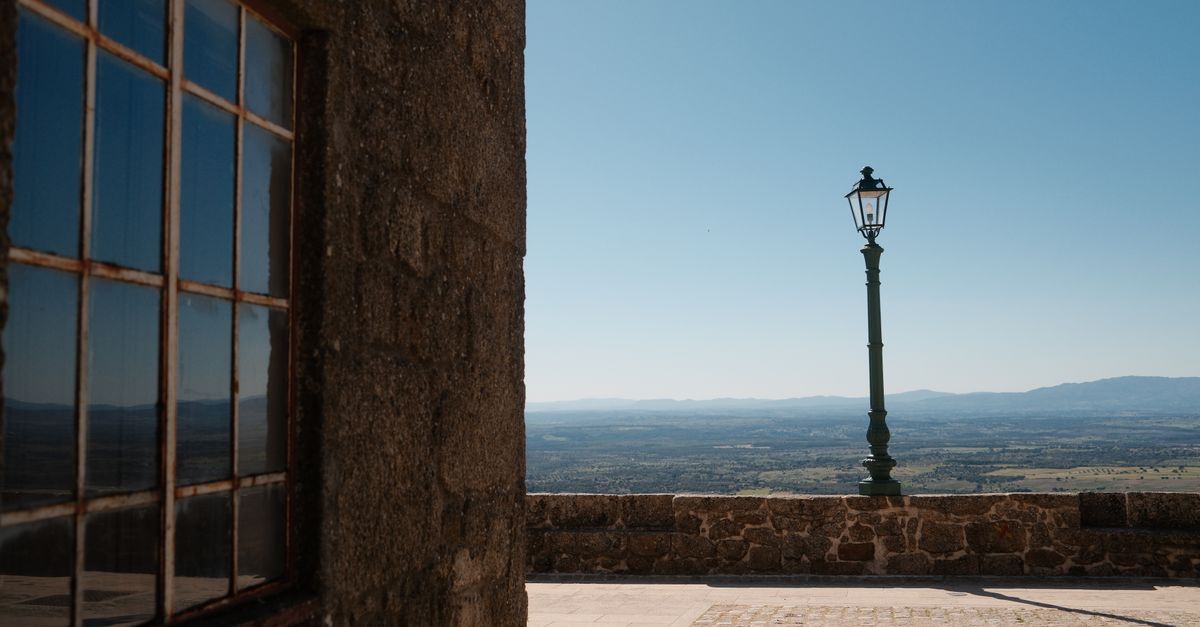
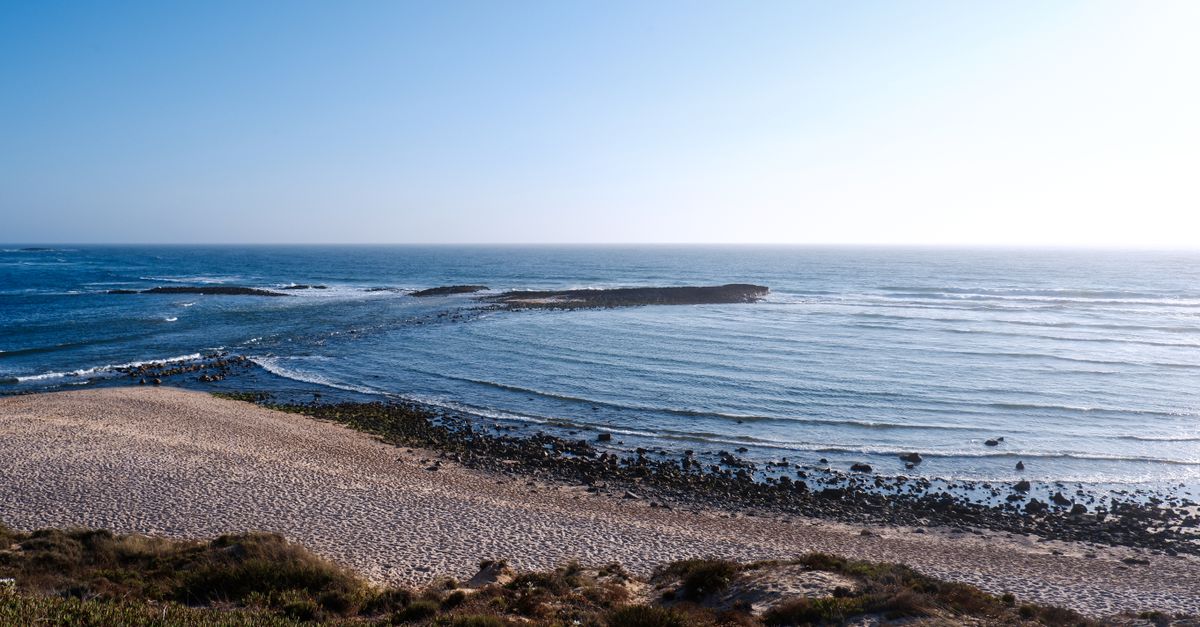
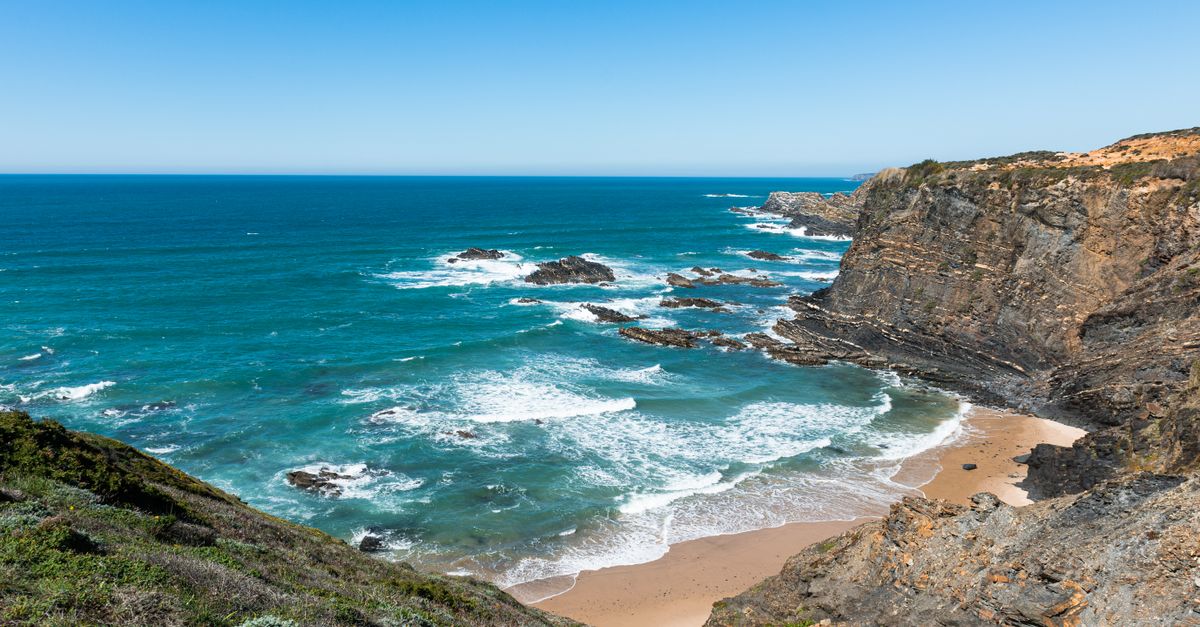
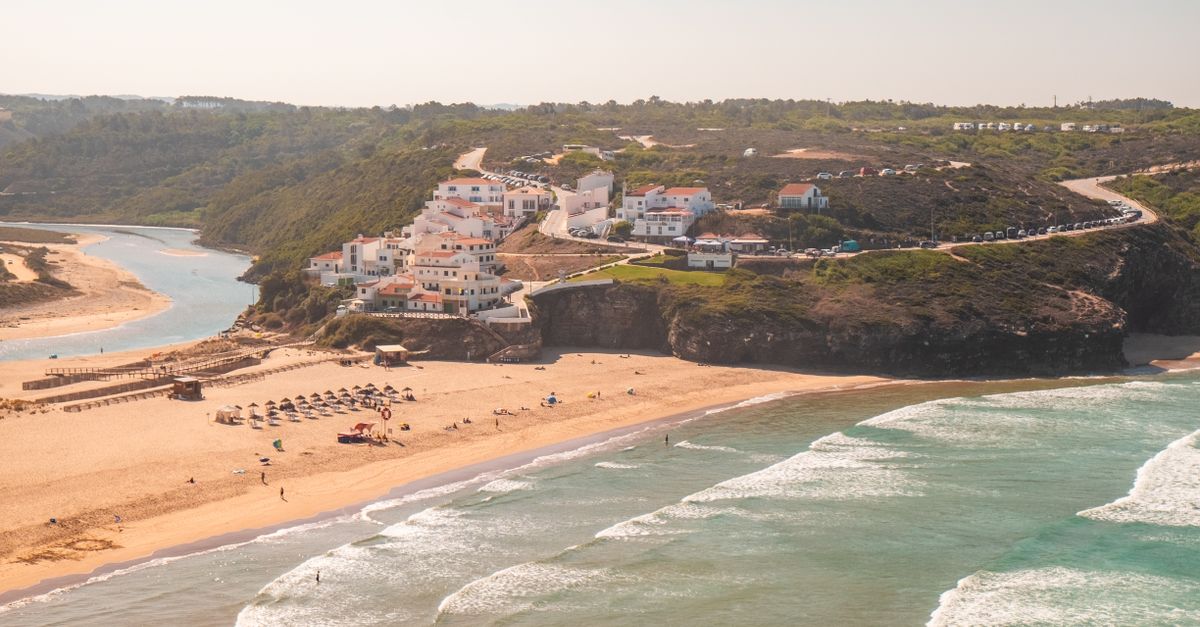
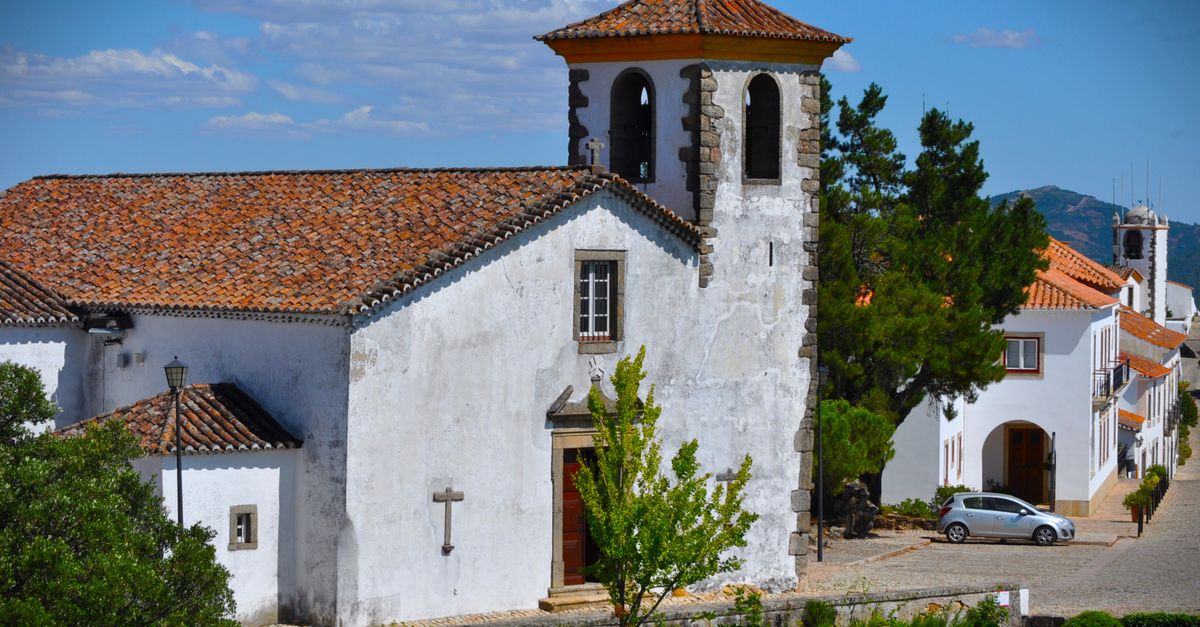
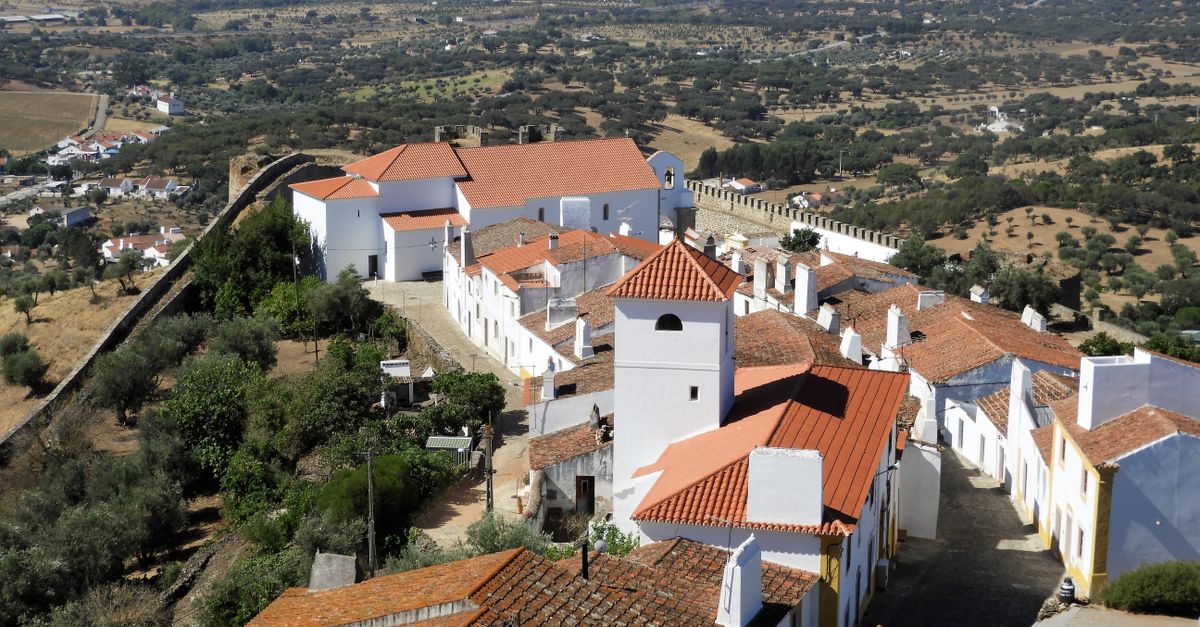
The Alentejo is the slow, wide south — cork-oak plains, whitewashed hill towns, marble villages and a long, empty Atlantic coast that most foreign visitors never reach. It's the largest region in Portugal and the one that best rewards a car and an unscheduled afternoon.

Évora is the anchor, a Roman-temple town within medieval walls, but the region spreads outward to Reguengos and Vidigueira for wine, to Monsaraz and Marvão for castles, and to the Costa Vicentina for cliff-backed surf. It's the deepest, slowest part of the country.

Wine & food

What's worth eating and drinking in Alentejo

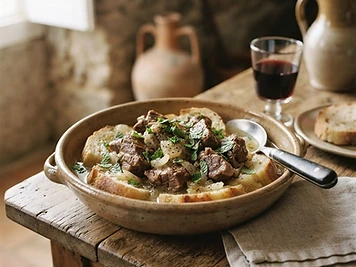
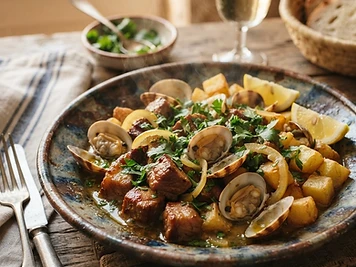
The Alentejo is a wine plain — ripe, generous reds and an emerging serious white movement, from the great estates of Esporão to the marble-cellared vineyards of Vidigueira. Eat black pork, lamb and game stews, açordas, and the region's convent pastries.

Wine

Quinta dos Esporão
Essential
Wine Estate· Alentejo

Quinta dos Esporão

The Alentejo's flagship estate (since the 13th century), with 600+ hectares of vineyard and olive grove near Reguengos, a striking modern winery and one of the best visitor programmes in Portugal — tours, tastings, restaurant and accommodation.
Herdade do Rocim
Recommended
Wine Estate· Alentejo

Herdade do Rocim

A modern, design-led Alentejo estate at Vidigueira, known for elegant, lower-alcohol reds and amphora wines (the 'Olho de Mocho' amphora project) — a champion of the region's clay-pot (talha) tradition.

Herdade da Calada
Optional
Wine Estate· Alentejo

Herdade da Calada

A 19th-century Alentejo estate near Borba, relaunched as a modern boutique winery making structured reds and crisp whites from the Évora sub-region; stylish on-site accommodation in a renovated farmhouse.

Adega Mayor
Optional
Winery· Alentejo

Adega Mayor

A bold modern winery near Campo Maior designed by architect Souto de Moura, on the eastern Alentejo border — making a broad range of accessible reds, whites and a notable Bairrada-influenced set; one of the region's most striking buildings.

Herdade de Coelheiros
Optional
Wine Estate· Alentejo

Herdade de Coelheiros

A long-established Évora estate with integrated olive groves, walnut orchards and vineyards, known for balanced Alentejo reds and the white 'Taboadella' range; a quieter, more rural alternative to Esporão.

Herdade do Sobroso
Optional
Wine Estate· Alentejo

Herdade do Sobroso

A southern Alentejo estate at Vidigueira, on the edge of the region's warmest sub-denomination, making rich, generous reds and a welcoming tasting room set among cork and olive trees.

Marquês de Borba
Recommended
Winery· Alentejo

Marquês de Borba

The flagship winery of João Portugal Ramos — the winemaker most responsible for the modern Alentejo renaissance — at Borba, producing the widely-drunk Marquês de Borba range and a top 'Vila Santa' reserve.

Alentejo
Essential
Wine Region· Alentejo

Alentejo

The great warm-climate red region of the south — Aragonez, Trincadeira and Alicante Bouschet across eight sub-regions from the granite of Portalegre to the heat of Vidigueira. Generous, approachable, and the gateway wine for most newcomers to Portugal.

Food

Mercado Municipal de Évora
Recommended
Market· Alentejo

Mercado Municipal de Évora

The Mercado Municipal de Évora is a vibrant hub of Alentejan commerce, where local farmers and artisans showcase the region's prized agricultural output. It serves as the daily heartbeat of the city, offering a raw and authentic look at local food culture far removed from the surrounding tourist corridors.

Taberna Típica Quarta-Feira (Évora)
Essential
Tasca· Alentejo

Taberna Típica Quarta-Feira (Évora)

Taberna Típica Quarta-Feira is an iconic, no-menu institution in the heart of Évora that offers an intimate, chef-led tour of authentic Alentejan home cooking. It captures the soul of the region through slow-cooked traditions and communal, warm hospitality.

Lousa da Extremadura (Estremoz)
Recommended
Tasca· Alentejo

Lousa da Extremadura (Estremoz)

Lousa da Extremadura is an quintessential Alentejan tasca that serves as a community cornerstone for authentic, no-frills regional cooking. It is a vital destination for travelers seeking the rustic soul of Estremoz through traditional home-style recipes.

Açorda Alentejana
Essential
Regional Dish· Alentejo

Açorda Alentejana

A bread, garlic and olive oil mash with a poached egg — the Alentejo's defining humble dish.

Sopa de Cação
Recommended
Regional Dish· Alentejo

Sopa de Cação

Dogfish in a garlic-coriander bread soup — the Alentejo's coastal-and-interior fish stew.

Sericaia
Recommended
Regional Dish· Alentejo

Sericaia

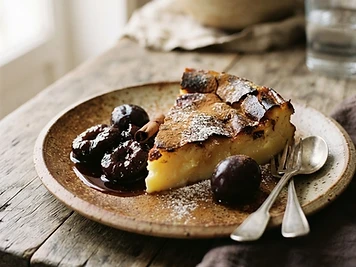
A baked egg-cinnamon custard with stewed plum — the Alentejo's great convent dessert.

Pão de Rala
Optional
Regional Dish· Alentejo

Pão de Rala

A tube of egg-yolk cream wrapped in squash jam — Évora's celebrated convent sweet.

Base

2 places
Évora
Base
City· Alentejo

Évora

A walled university city in the Alentejo plain — Roman temple, bone chapel, whitewashed streets, and the regional capital of slow, serious food and wine.

Overnight

1 places
Comporta
Overnight
Village· Alentejo

Comporta

A low, sandy, pine-and-rice coast south of the Tagus — barefoot beaches, wooden cabanas, and Portugal's most quietly fashionable escape.

Day Trip

1 places
Alqueva Lake
Day Trip
Region· Alentejo

Alqueva Lake

Europe's largest artificial lake and a Dark Sky Reserve — still water, hilltop villages, and some of the cleanest night skies on the continent.

Worth a Detour

6 places
Estremoz
Worth a Detour
Town· Alentejo

Estremoz

A marble town on a hill — a castle-pousada, a medieval market, and the heart of the Alentejo's marble and wine country.

Vila Viçosa
Worth a Detour
Town· Alentejo

Vila Viçosa

A marble royal town — the Dukes of Braganza's palace, marble-paved streets, and a quiet, aristocratic calm.

Monsaraz
Worth a Detour
Village· Alentejo

Monsaraz

A walled hilltop village over the Alqueva lake — slate streets, a castle, and one of the great views of the Alentejo plain.

Marvão
Worth a Detour
Village· Alentejo

Marvão

An eagle's-nest walled village on a granite peak near the Spanish border — castle walls, a single gate, and views across two countries.

Mértola
Worth a Detour
Village· Alentejo

Mértola

A walled river-port village in the deep south-east Alentejo — Moorish past, a castle over the Guadiana, and one of Portugal's least-visited old towns.

Elvas
Worth a Detour
City· Alentejo

Elvas

A star-fortress border city near Spain — monumental ramparts, an aqueduct, and an Amieira aqueduct by the same architect as Évora's.

Things worth doing here

Andanças (Redondo)
Recommended
Festival· Alentejo

Andanças (Redondo)

Andanças is a vibrant festival dedicated to world dances and music, fostering a sense of community through shared movement and cultural exchange. It stands out as one of Portugal's most significant cultural gatherings, emphasizing workshops, sustainability, and traditional folk heritage.

Pulo do Lobo
Recommended
Waterfall· Alentejo

Pulo do Lobo

Pulo do Lobo is the most dramatic waterfall in the Alentejo, where the Guadiana River is forced through a narrow, jagged rock gorge. It is a stunning geological spectacle that showcases the raw power of nature in the heart of the Mértola municipality.

Serra de São Mamede Natural Park
Recommended
Natural Park· Alentejo

Serra de São Mamede Natural Park

Serra de São Mamede Natural Park is an ecological crossroads where the Mediterranean, Atlantic, and Continental climates converge to create a unique mountain microclimate in the heart of the Alentejo. It features the highest range south of the Tagus, offering a landscape of rocky crags, chestnut forests, and deep valleys that feel worlds apart from the surrounding plains.

Gruta das Torres
Recommended
Cave· Alentejo

Gruta das Torres

Gruta das Torres is a major basaltic lava tube on Pico Island, in the Azores—not in Alentejo or the municipality of Portalegre. The cave is Portugal’s longest known lava tube and can be entered only on a guided visit along a managed section of its underground passage.

Parque Natural do Sudoeste Alentejano e Costa Vicentina
Essential
Natural Park· Alentejo

Parque Natural do Sudoeste Alentejano e Costa Vicentina

Stretching along the jagged Atlantic coastline from Alentejo to the Algarve, this protected natural park is home to some of Europe's best-preserved wild beaches and dramatic sea cliffs. It offers a raw, unfiltered encounter with the ocean, defined by its biodiversity and rugged, windswept terrain.

Mesquita de Mértola
Essential
Historic Site· Alentejo

Mesquita de Mértola

Once a 12th-century Almohad mosque, this site is a rare and striking architectural anomaly that served as the primary place of worship during the Islamic occupation of Mértola. It stands today as the Igreja de Nossa Senhora da Anunciação, preserving Islamic structural elements within a later Christian church.

Anta Grande do Zambujeiro
Recommended
Archaeological Site· Alentejo

Anta Grande do Zambujeiro

Anta Grande do Zambujeiro is one of the largest and most impressive megalithic dolmens in Europe, standing as a monumental testament to Neolithic civilization. Its massive granite stones provide an awe-inspiring glimpse into the funerary practices of prehistoric Iberia.

Castelo de Marvão
Essential
Castle· Alentejo

Castelo de Marvão

Perched precariously on the highest crest of the Serra de São Mamede, the Castelo de Marvão is a majestic 13th-century fortress offering unparalleled panoramic views over the Alentejo plains and the Spanish border. It serves as one of Portugal's most evocative examples of defensive military architecture integrated into a cliffside village.

Castelo de Monsaraz
Essential
Castle· Alentejo

Castelo de Monsaraz

Perched high above the Alentejo plains, this medieval walled village and castle offer an extraordinary vantage point over the Alqueva Dam. It is one of Portugal's most evocative remnants of frontier defense, preserved in time with white-washed schist streets.

Cromeleque dos Almendres
Essential
Archaeological Site· Alentejo

Cromeleque dos Almendres

Dating back to the 6th millennium BC, Cromeleque dos Almendres is the most significant megalithic site on the Iberian Peninsula. Its ensemble of nearly 100 granite monoliths arranged in a deliberate pattern provides a profound, tangible link to the Neolithic era.

Castelo de Estremoz
Recommended
Castle· Alentejo

Castelo de Estremoz

Dominating the Alentejo skyline, the 13th-century Castelo de Estremoz features a striking marble keep that serves as a testament to the town's regal and strategic military history. It remains one of the most imposing examples of medieval fortifications in the region, offering sweeping views of the surrounding countryside.

Aqueduto da Amoreira
Essential
Historic Site· Alentejo

Aqueduto da Amoreira

The Aqueduto da Amoreira is a colossal 16th-century engineering marvel that stretches over five miles to supply Elvas with water. It remains one of the most imposing examples of military and civilian hydraulic architecture in the Iberian Peninsula.

Castelo de Mértola
Recommended
Castle· Alentejo

Castelo de Mértola

Perched dramatically above the Guadiana River, the Castelo de Mértola serves as the fortified heart of one of Portugal's most historically layered towns. Its imposing walls and well-preserved keep offer a visceral look at the site's transition from Islamic stronghold to Christian outpost.

Templo Romano de Évora
Essential
Monument· Alentejo

Templo Romano de Évora

Perched in the heart of Évora’s historic center, this remarkably preserved 1st-century Roman temple stands as a testament to the region's ancient Lusitanian roots. Its iconic Corinthian columns serve as the defining visual anchor of this UNESCO World Heritage city.

Sé de Évora
Essential
Cathedral· Alentejo

Sé de Évora

The Sé de Évora is a formidable 13th-century granite fortress-cathedral that stands as the most important religious monument in the Alentejo. Its unique fusion of Romanesque and Gothic architecture makes it a defining silhouette against the Évora skyline.

Igreja de São Francisco
Essential
Church· Alentejo

Igreja de São Francisco

The Igreja de São Francisco is a stunning example of Gothic and Manueline architecture, most famous for its unsettling yet fascinating Capela dos Ossos. It stands as one of the most iconic landmarks in the historic heart of Évora.

Capela dos Ossos
Essential
Monument· Alentejo

Capela dos Ossos

This haunting 16th-century chapel, attached to the Church of Saint Francis in Évora, is famously lined with the bones and skulls of thousands of monks. It serves as a stark, memento mori meditation on the transience of life.

Paço Ducal de Vila Viçosa
Recommended
Palace· Alentejo

Paço Ducal de Vila Viçosa

The Paço Ducal de Vila Viçosa is the grand ancestral residence of the House of Braganza, the dynasty that ruled Portugal from 1640 until the abolition of the monarchy. It remains a striking example of the transition from military fortress to Renaissance palace architecture, housing a vast collection of royal memorabilia.

Praia do Malhão
Optional
Beach· Alentejo·Surf break

Praia do Malhão

A wild, duned Atlantic stretch north of Vila Nova de Mil Fontes — the Alentejo coast at its emptiest and most elemental.

Praia do Carvalhal
Essential
Beach· Alentejo

Praia do Carvalhal

The Comporta coast's signature beach — miles of pine-rimmed sand, dunes, and a laid-back restaurant on stilts.

Praia da Galé
Recommended
Beach· Alentejo·Surf break

Praia da Galé

A wild Atlantic stretch in the Southwest Alentejo park — broad, empty, and the start of the Fishermen's Trail scenery.

Praia do Pego
Recommended
Beach· Alentejo

Praia do Pego

A sheltered river-mouth beach at Vila Nova de Mil Fontes — calm enough for families, the town beach that's the soft launch to the Alentejo coast.

Rota Vicentina
Recommended
Walking Route· Alentejo

Rota Vicentina

Portugal's great southwest coast walk — the Fishermen's Trail along cliffs and the Historical Way through villages, from Santiago do Cacém to the Algarve.