Practical

Getting around Portugal

Portugal is small and unusually well-connected for its size. You can cross Lisbon to Porto by train in under three hours, and most trips between cities never need a car at all. A car earns its keep in the Douro, the Alentejo plains, the Algarve's western coves, and the Azores — almost nowhere else.

By train

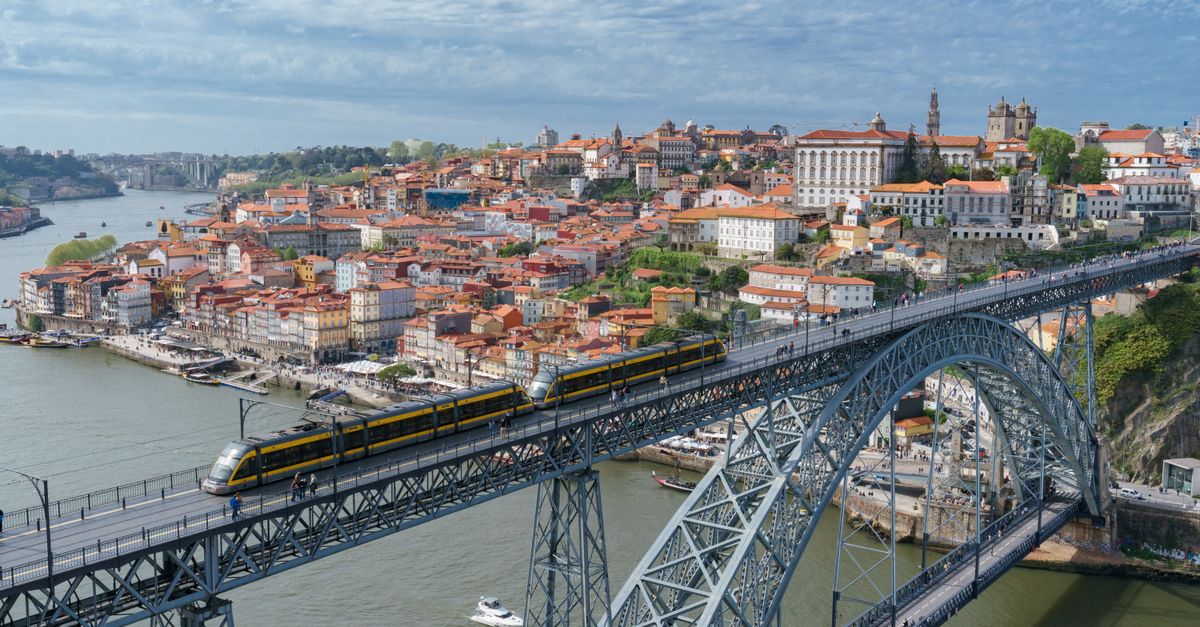
The backbone is CP (Comboios de Portugal). The Alfa Pendular tilting train runs Lisbon–Porto in about 2h50, stopping at Coimbra and Aveiro; it's the fastest, comfiest option and you should book ahead in summer. Intercidades services extend to the Algarve (Faro, via Tunes) and north to Braga and Guimarães.

Around the cities, urban trains are the secret weapon. From Lisbon you can reach Sintra, Cascais, and Setúbal on the same tap-and-go network; from Porto, the Douro line runs the river valley and the Minho line runs to the coast. Don't rent a car for these.

Book long-distance at cp.pt a few weeks out for the best fares; same-day tickets are pricier and sometimes gone. Senior and youth discounts exist; rail passes rarely beat a couple of singles.
By ferry

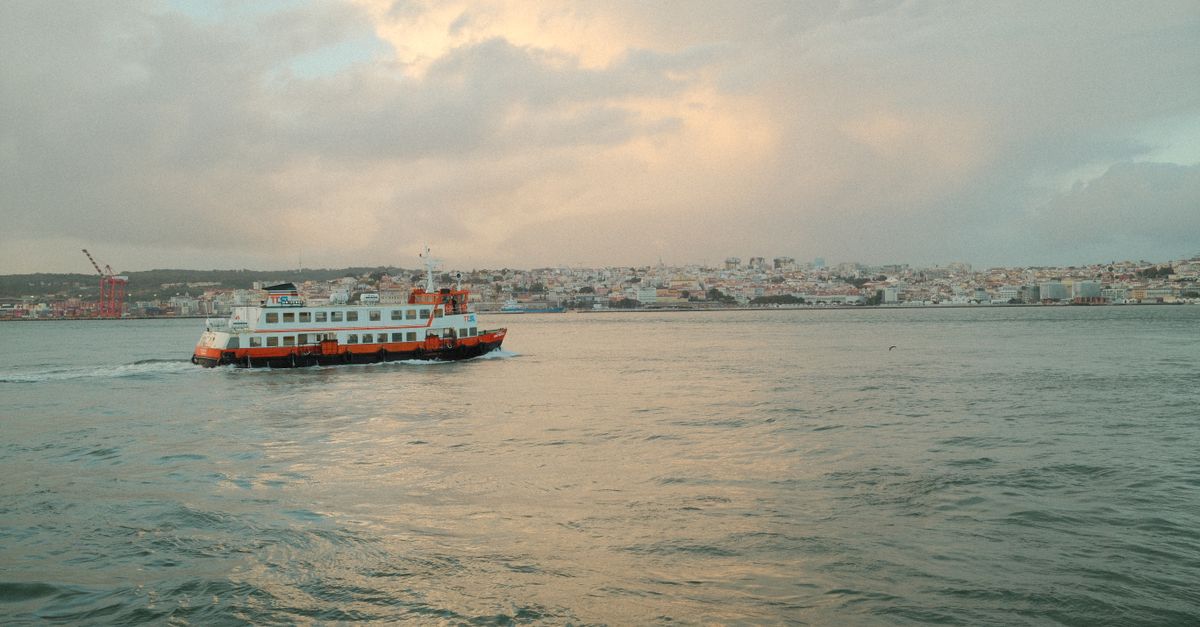
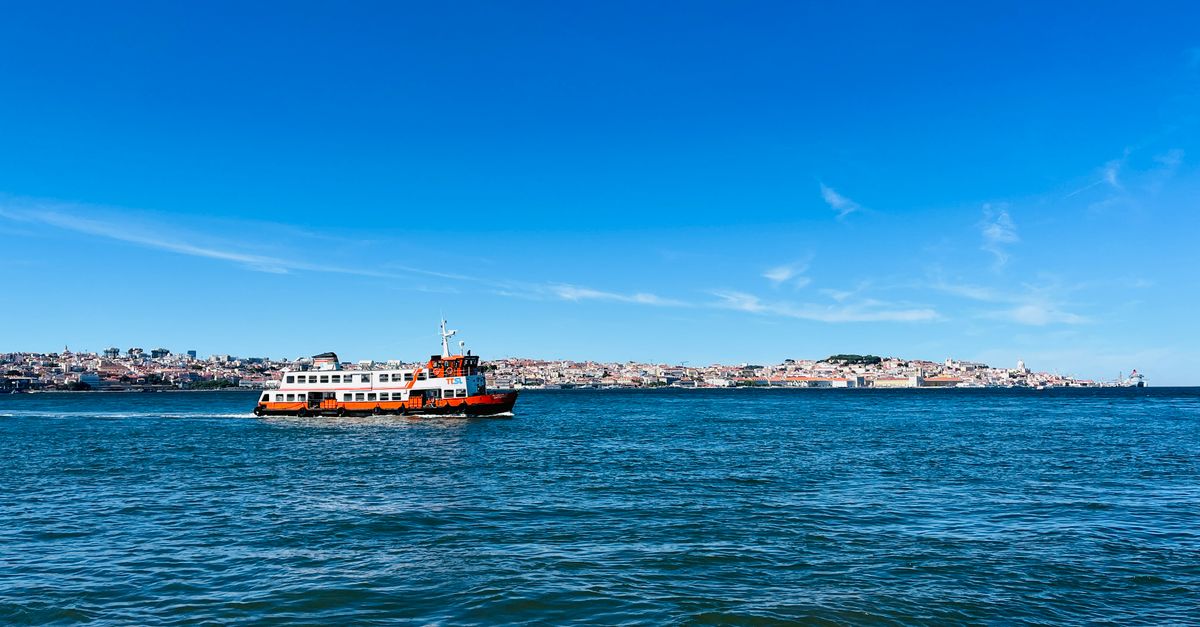
In Lisbon the Tagus ferries are commuter runs — Cais do Sodré to Cacilhas or Belém — and a cheap way to see the city from the water. They're transport, not tours.

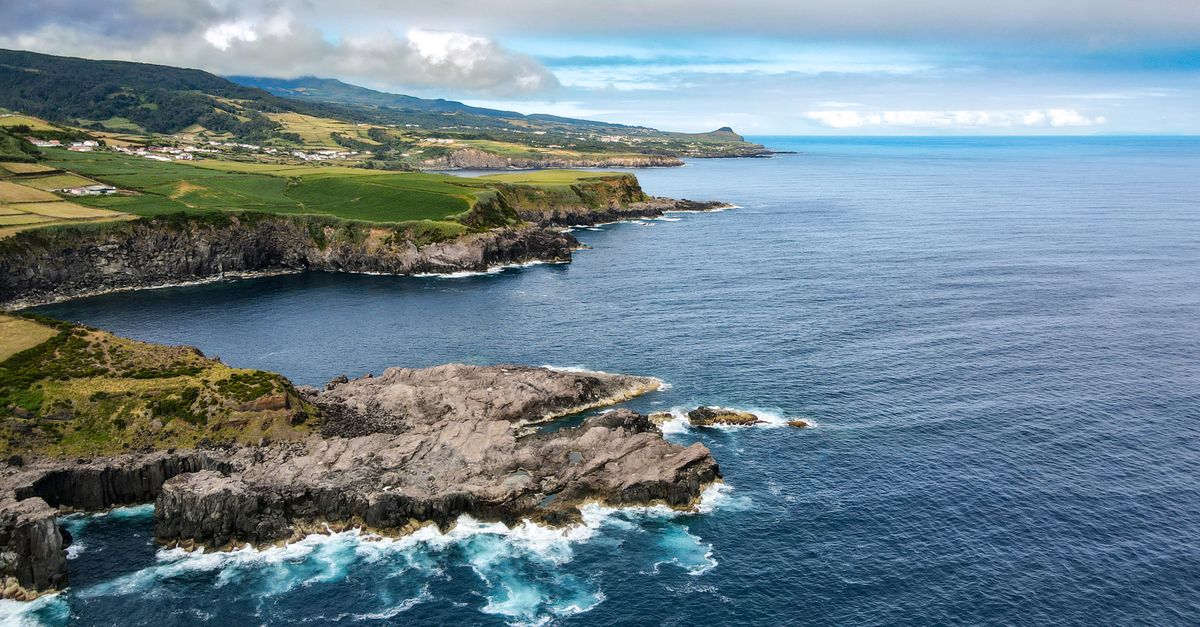
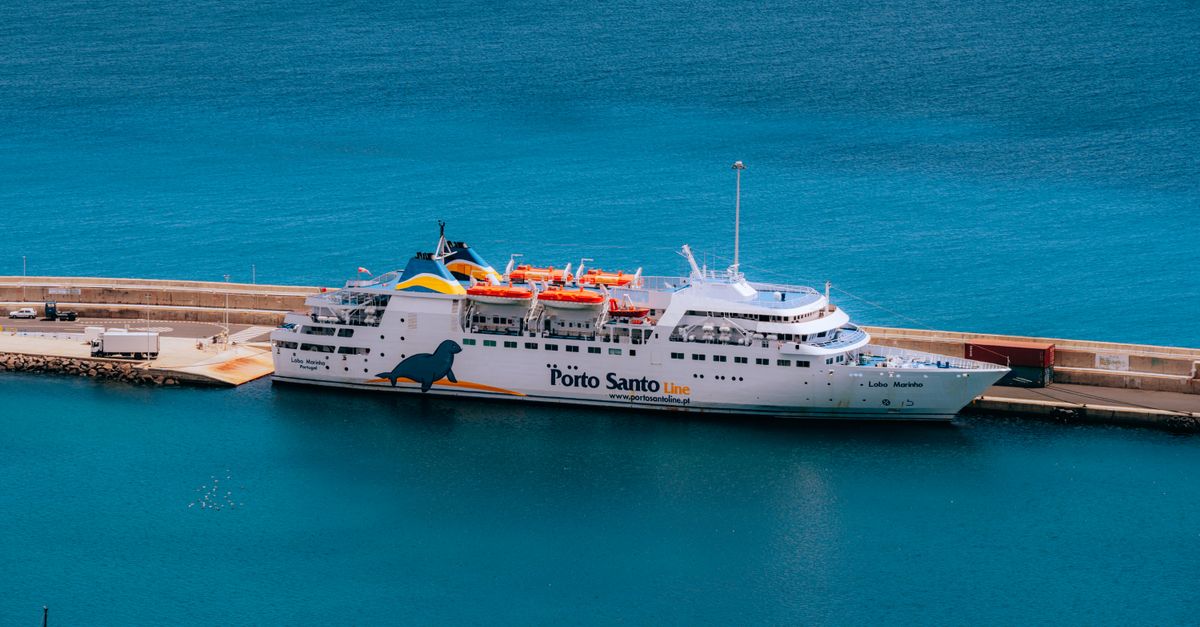
For the islands, ferries are part of the trip. Madeira–Porto Santo runs year-round (rougher in winter, about 2h). In the Azores, inter-island ferries (Atlanticoline) connect the central and western groups in the calmer months; book early in summer and have a flexible backup, because schedules follow the weather.

By bus

Rede Expressos covers the towns trains don't reach — much of the Alentejo, the interior north, and cross-country routes — and it's cheaper than the train, if slower. Buy tickets at the station or app; routes thin out on Sundays and in August.

By car — when it helps, and when it doesn't

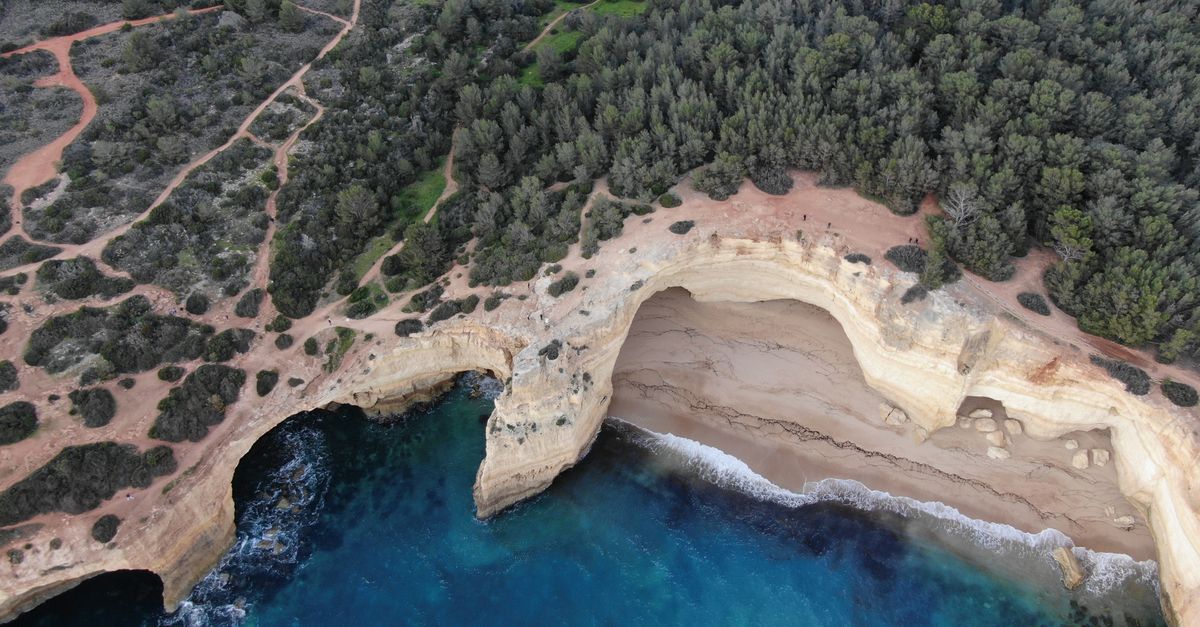
Skip the car in Lisbon and Porto centers: parking is scarce, streets are tight, and transit is good. A car helps in the Douro (to reach the quintas above the rail stops), the Alentejo (where villages are spread thin), the Algarve's western coves, and on every Azorean island.

Tolls are mostly electronic on the main motorways — rent a Via Verde transponder or use the rental's "easy-toll" pass, and photograph the terms so you're not double-charged. Automatics are rare — book one weeks ahead if you can't drive manual. Drive on the right, take roundabouts slowly, and expect cobblestones and single-lane village streets.

Getting in and out

The three gateways are Lisbon (LIS), Porto (OPO), and Faro (FAO); low-cost carriers connect them to most of Europe. Madeira and the Azores have their own island airports with domestic links from the mainland. There's no longer a direct Madrid–Lisbon train — fly or bus it.

Worth the ride itself

Journeys that are the trip

Alfa Pendular (Lisbon–Porto)
Essential
Rail Route· Lisbon

Alfa Pendular (Lisbon–Porto)

The Alfa Pendular is Portugal’s premier high-speed rail service, connecting the nation's two largest cities, Lisbon and Porto, in under three hours. It serves as the primary artery for business and leisure travel across the country's coastal corridor.

Linha de Cascais
Essential
Rail Route· Lisbon

Linha de Cascais

The Linha de Cascais is the classic suburban coastal railway that links central Lisbon to the glamorous resort towns of Estoril and Cascais. It serves as an essential artery for commuters and sun-seekers alike, hugging the Tagus River and Atlantic coastline for the majority of its route.

Linha de Sintra
Essential
Rail Route· Lisbon

Linha de Sintra

The Linha de Sintra is a vital commuter artery connecting the historic heart of Lisbon with the ethereal, mist-covered palaces of Sintra. It serves as the primary gateway for travelers looking to escape the urban sprawl for a journey into Portugal's romanticist architectural crown jewel.

Linha do Algarve
Recommended
Rail Route· Algarve

Linha do Algarve

The Linha do Algarve is a regional railway connecting the western, central, and eastern hubs of the region along the southern coast. It serves as an essential link for travelers looking to experience the diversity of the Algarve without relying on coastal highway traffic.

Linha do Douro (Douro railway)
Essential
Rail Route· Porto & North

Linha do Douro (Douro railway)

The Linha do Douro is a spectacular 19th-century railway line that clings to the riverbanks, cutting deep into the heart of Portugal’s oldest demarcated wine region. It serves as both a vital transit artery and a bucket-list scenic journey through terraced vineyards and rugged slate canyons.

Azores central islands ferry
Essential
Ferry Route· Azores

Azores central islands ferry

This inter-island ferry network serves as the vital maritime backbone of the Azores' central group, connecting the disparate volcanic landscapes of Terceira, São Jorge, Pico, and Faial. It is the most authentic way to experience the archipelago's maritime culture while transitioning between vastly different island environments.

Faial–Pico ferry
Essential
Ferry Route· Azores

Faial–Pico ferry

This short Atlantic crossing connects the vibrant marina town of Horta on Faial to the volcanic slopes of Madalena on Pico. It is the vital maritime umbilical cord that links two of the central Azores' most distinct islands.

Madeira–Porto Santo ferry
Essential
Ferry Route· Madeira

Madeira–Porto Santo ferry

This essential ferry link connects the rugged, mountainous landscape of Madeira to the arid, golden shores of Porto Santo. It serves as the primary lifeline for locals and the most convenient gateway for travelers seeking to swap dramatic cliffs for a nine-kilometer stretch of pristine, therapeutic sand.

Tagus ferry (Transtejo)
Essential
Ferry Route· Lisbon

Tagus ferry (Transtejo)

The Transtejo ferry network serves as the vital maritime link between central Lisbon and the Setúbal Peninsula, offering essential transit for locals and a stunning vantage point for visitors. It bridges the divide between the historic capital and the southern bank, turning a standard commute into a scenic river crossing.