Tagus ferry (Transtejo)
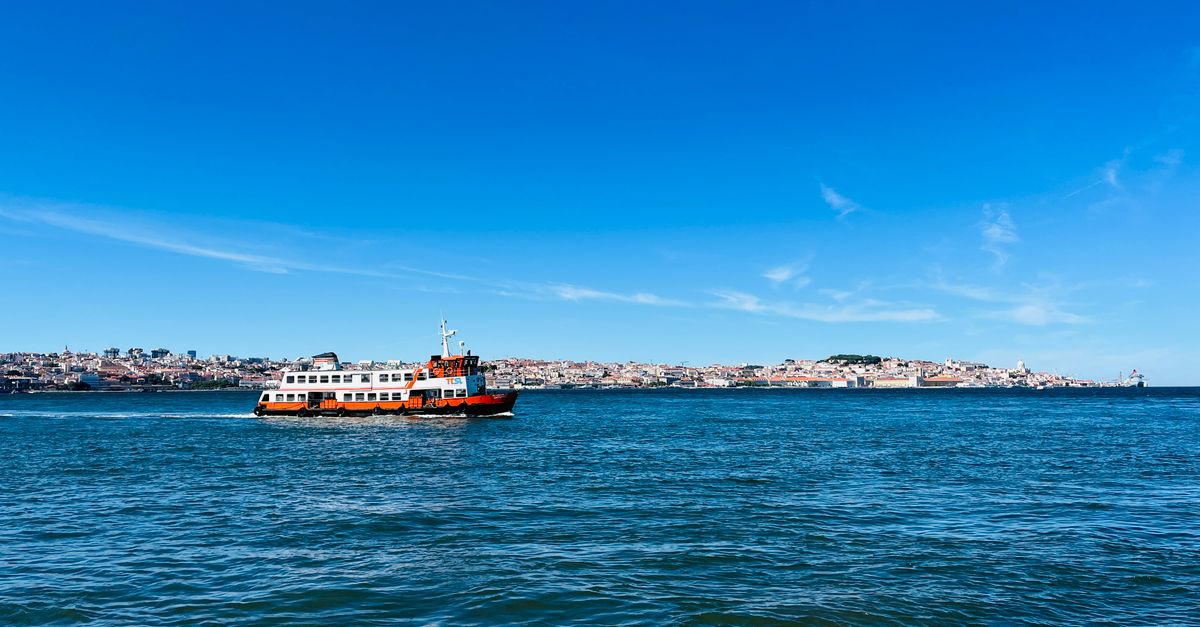
The Transtejo ferry network connects central Lisbon to the Setúbal Peninsula. It serves as a daily transit route across the Tagus, providing a direct view of the city shoreline from the water.
This is an inexpensive way to see the Lisbon skyline from the water. It serves its purpose as transit, not as a tourist cruise.
Why go
The crossing to Cacilhas aligns the 25 de Abril Bridge, the Cristo Rei statue, and the Alfama district. It is a working commuter route. The open deck allows a clear line of sight to the city topography and the south bank.
Why you might skip it
Avoid these vessels if you expect amenities or air conditioning. They are utilitarian boats. Poor weather limits visibility and deck access.
What to do
Board at Cais do Sodré. When heading to Cacilhas, use the outer deck for a view of the bridge and statue. In Cacilhas, the riverside path leads to the harbor area.
History & origin
The Transtejo network has linked the Tagus banks since the 19th century, transitioning from steam to modern catamarans to move suburban residents into the city center.
Getting there & around
The ferry terminal sits next to the Cais do Sodré station, reachable via Metro Green Line or CP train.
Work out how Tagus ferry (Transtejo) connects to another stop
Common planning mistakes
Buying paper tickets every time instead of loading a Navegante card, or failing to check the specific terminal for the Barreiro versus Cacilhas route, which are located slightly apart within the same complex.
Less ideal for
Those requiring assistance with boarding ramps during commuter peaks or travelers seeking a quiet, seated experience.
Practical notes
Use the Viva Viagem/Navegante card to benefit from cheaper fares; ensure you tap out at the electronic turnstiles upon arrival at your destination to avoid card lockouts.
Where it sits


More journeys in Lisbon
Alfa Pendular (Lisbon–Porto)
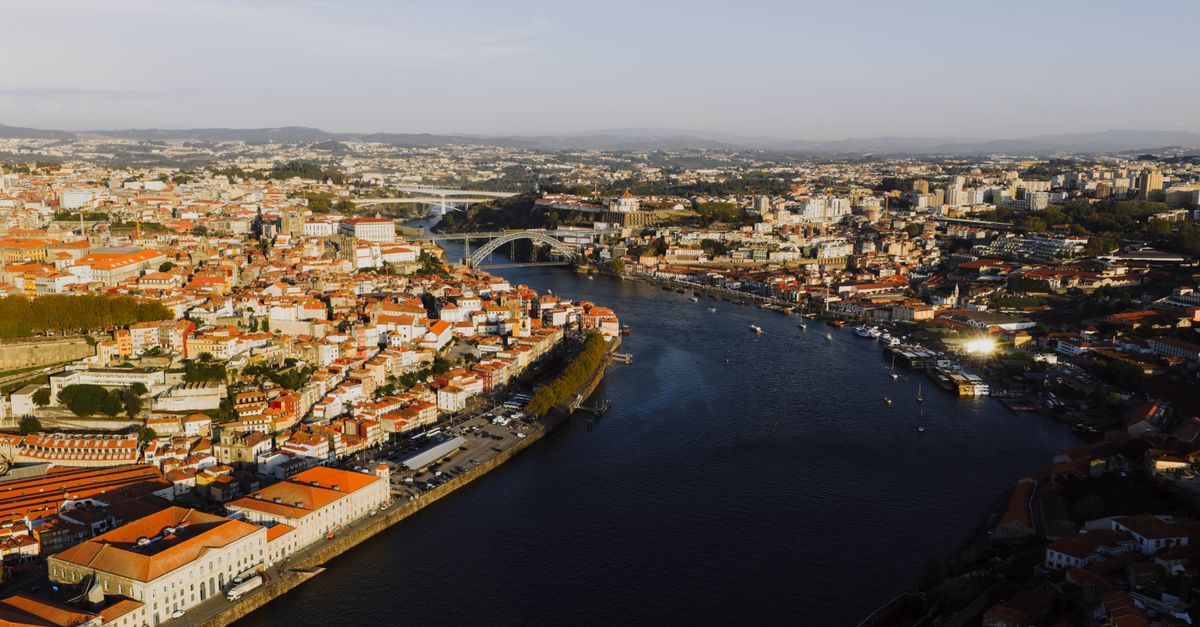
The Alfa Pendular is Portugal’s premier high-speed rail service, connecting the nation's two largest cities, Lisbon and Porto, in under three hours. It serves as the primary artery for business and leisure travel across the country's coastal corridor.

Linha de Cascais
The Linha de Cascais is the classic suburban coastal railway that links central Lisbon to the glamorous resort towns of Estoril and Cascais. It serves as an essential artery for commuters and sun-seekers alike, hugging the Tagus River and Atlantic coastline for the majority of its route.

Linha de Sintra
The Linha de Sintra line connects Rossio station in central Lisbon to Sintra, serving as the rail link for commuters and travelers moving between the city and the Serra de Sintra.