Lisbon
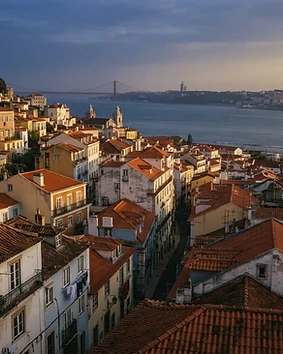
The capital — seven hills, Atlantic light, tile and tram, and a city that lives outdoors. The obvious starting point for almost any Portugal trip.
A trip anchor. But don't let it eat your whole trip — the country around it is the point.
Why go
The light, the Alfama's maze, Belém's monuments, the miradouros, the food, and the ease of a city built for walking and lingering. The best base for day trips to Sintra, Cascais and the Arrábida.
Why you might skip it
It's crowded and getting pricier; if you hate hills or tourist density, base in Porto instead and day-trip here. Summer heat is real.
What to do
Alfama and São Jorge, Belém (Jerónimos, Tower, pastéis), ride Tram 28, the miradouros, a fado night, day trips to Sintra and Cascais.
What to eat
Pastéis de nata in Belém, petiscos in Bairro Alto, fresh fish, bifanas, a proper pastel de bacalhau.
Where to stay
Baixa/Chiado for first-timers; Príncipe Real for calm; Alfama for atmosphere; avoid the immediate party streets of Bairro Alto if you want sleep.
Getting there & around
Fly into Lisbon (LIS); hub for trains nationwide.
Walk, metro, tram, ferry to the south bank. No car in the center.
Common planning mistakes
Booking only Lisbon and never leaving it; staying in Bairro Alto and not sleeping; skipping Belém; underestimating the hills.
Less ideal for
Travelers wanting quiet or wilderness; peak-summer heat-avoiders.
What's here
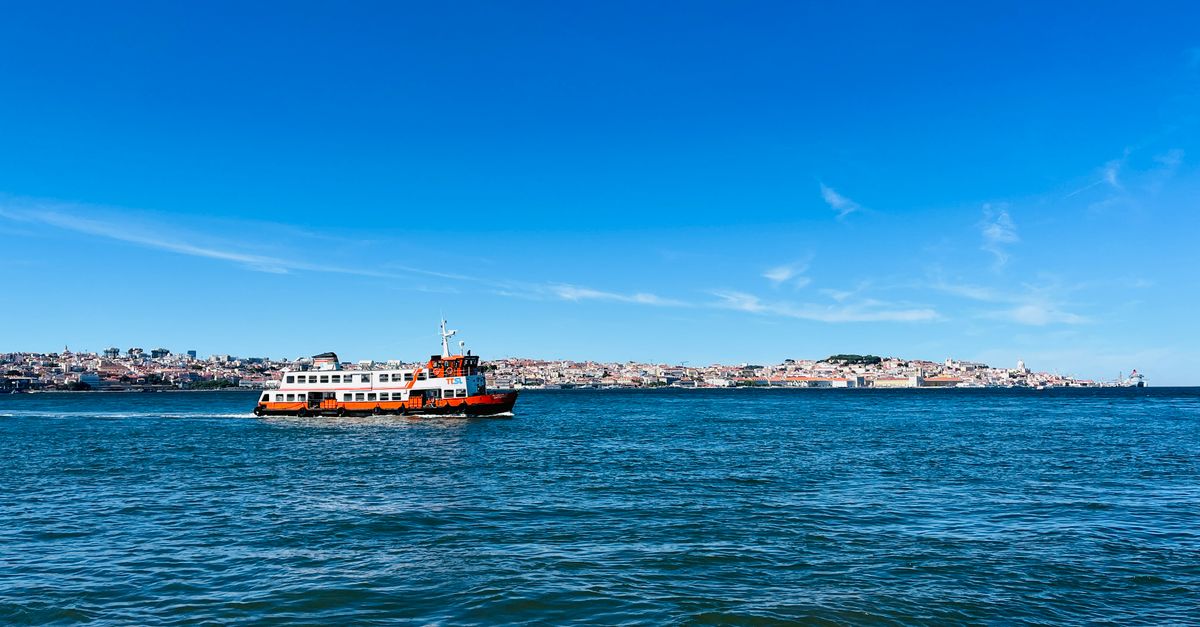
Tagus ferry (Transtejo)
The Transtejo ferry network serves as the vital maritime link between central Lisbon and the Setúbal Peninsula, offering essential transit for locals and a stunning vantage point for visitors. It bridges the divide between the historic capital and the southern bank, turning a standard commute into a scenic river crossing.
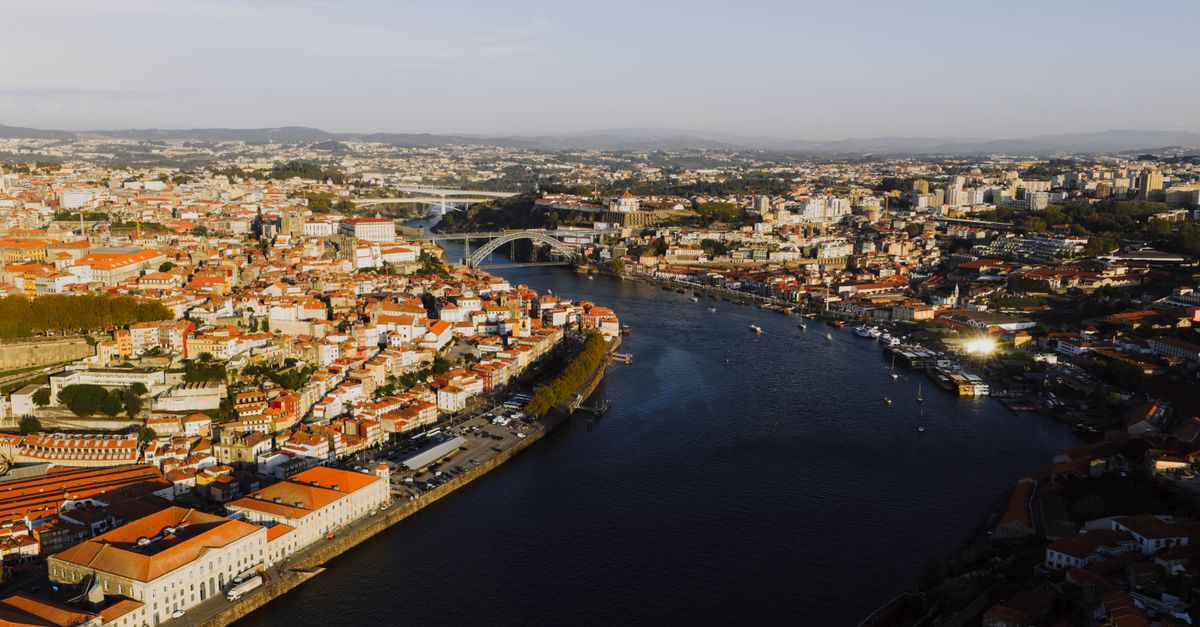
Alfa Pendular (Lisbon–Porto)
The Alfa Pendular is Portugal’s premier high-speed rail service, connecting the nation's two largest cities, Lisbon and Porto, in under three hours. It serves as the primary artery for business and leisure travel across the country's coastal corridor.

Linha de Sintra
The Linha de Sintra is a vital commuter artery connecting the historic heart of Lisbon with the ethereal, mist-covered palaces of Sintra. It serves as the primary gateway for travelers looking to escape the urban sprawl for a journey into Portugal's romanticist architectural crown jewel.
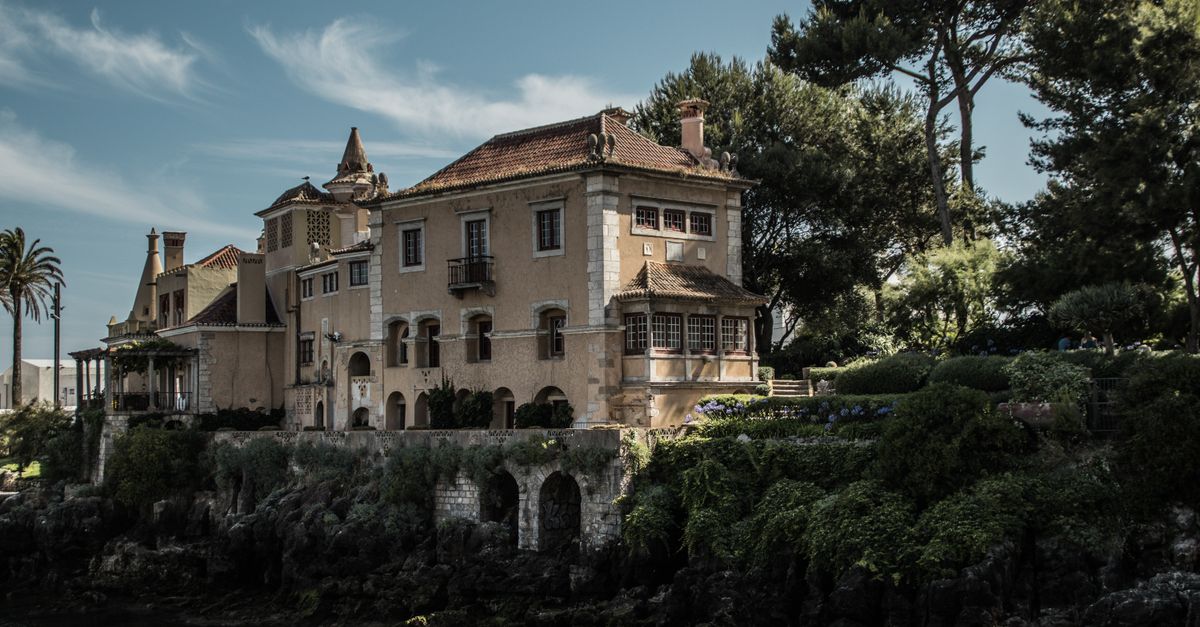
Linha de Cascais
The Linha de Cascais is the classic suburban coastal railway that links central Lisbon to the glamorous resort towns of Estoril and Cascais. It serves as an essential artery for commuters and sun-seekers alike, hugging the Tagus River and Atlantic coastline for the majority of its route.

Festas de Lisboa (Santo António)
Festas de Lisboa is a month-long celebration culminating in the feast of St. Anthony, transforming the city's historic quarters into vibrant, street-party districts. It is the definitive expression of Lisbon's identity, characterized by aromatic grilled sardines, music, and communal festivities.

Rock in Rio Lisboa
Rock in Rio Lisboa is one of the world's largest music festivals, transforming Lisbon's Parque da Bela Vista into a massive open-air city of music and entertainment. It brings global superstars and high-energy production to the Portuguese capital every two years.

Fado (Lisbon)
Fado is the soul of Lisbon, a hauntingly beautiful musical tradition defined by 'saudade'—a profound sense of longing and melancholic nostalgia. It is an essential UNESCO-recognized cultural pillar that connects visitors directly to the city's maritime history and emotional depth.

Pastéis de Belém
Pastéis de Belém is the legendary birthplace of Portugal's iconic custard tart, having served the original recipe since 1837. It remains the essential pilgrimage for anyone seeking to taste the authentic, warm standard against which all other pastéis de nata are measured.

Taberna da Rua das Flores
Taberna da Rua das Flores is a quintessential Lisbon destination that elevates the traditional tasca experience with high-quality, market-driven small plates. It serves as a bridge between Old World tavern charm and a modern, ingredient-focused culinary sensibility.

A Cevicheria (Príncipe Real)
Chef Kiko Martins' flagship restaurant in Príncipe Real offers a playful, creative take on Peruvian ceviche using fresh Atlantic seafood. It remains a landmark for Lisbon's modern dining scene, defined by its iconic giant hanging octopus centerpiece.

Mercado da Ribeira (Time Out)
Lisbon's historic Mercado da Ribeira has been transformed into a sprawling, high-end food hall curated by Time Out, showcasing a selection of the city's finest chefs and artisans under one roof. It is the premier destination for travelers looking to sample a cross-section of Portuguese culinary innovation in a vibrant, communal setting.

Manteigaria (Bica)
Manteigaria is widely considered to produce the finest pastel de nata in Lisbon, boasting a shatteringly crisp pastry shell and a perfectly balanced, creamy custard. Its Bica location offers an immersive look at the artisanal production process in the heart of the historic center.

Café A Brasileira (Chiado)
Café A Brasileira is a storied Art Deco landmark in Lisbon's Chiado district, serving as a permanent monument to Portuguese intellectual life and the country’s coffee culture. It is an essential stop for its grand interiors and the bronze statue of Fernando Pessoa that greets visitors outside.
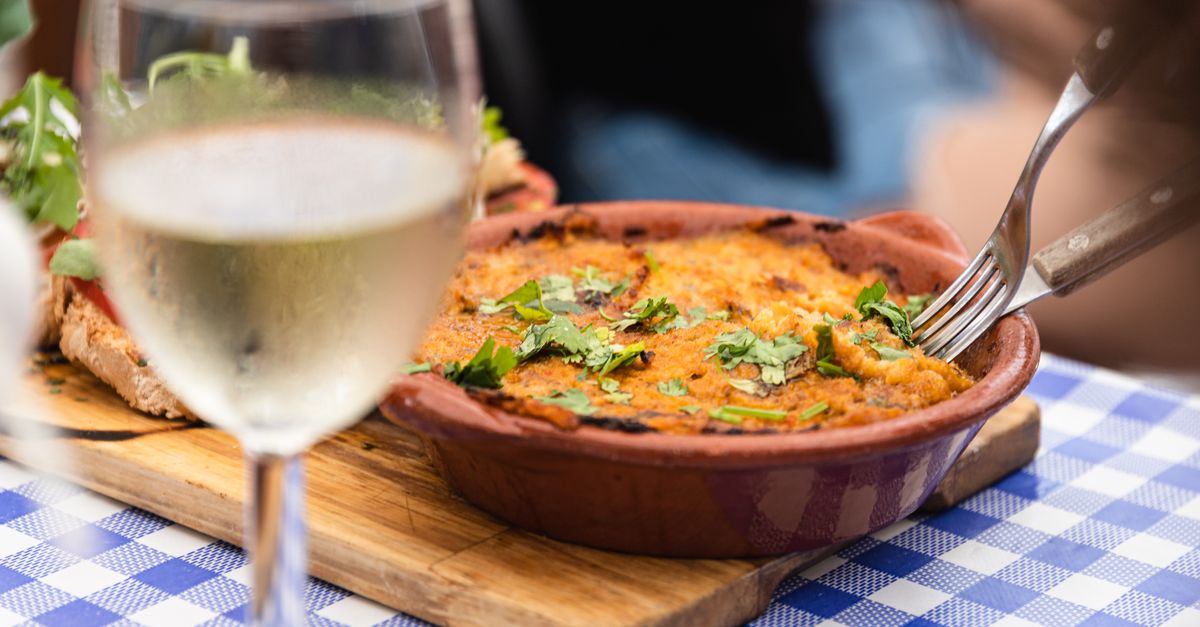
Cervejaria Ramiro
Cervejaria Ramiro is Lisbon's most iconic seafood house, celebrated for its high-quality shellfish and boisterous, no-frills atmosphere. It is an essential pilgrimage for anyone seeking an authentic, albeit crowded, taste of Portugal's oceanic bounty.

Serra de Montejunto
Serra de Montejunto is a protected landscape boasting Portugal's lowest limestone mountain range, offering diverse habitats and panoramic views over the Estremadura region. It's a vital area for biodiversity, particularly its unique geomorphology and endemic flora.

Estrada Marginal (Lisbon–Cascais)
The Estrada Marginal (N6) is a legendary coastal road tracing the Tagus Estuary from central Lisbon to the seaside town of Cascais. It offers an iconic, low-slung drive defined by sweeping river views, historic fortresses, and the transition from urban sprawl to Atlantic elegance.

Cabo Espichel
Cabo Espichel is a dramatic, wind-swept limestone promontory on the Setúbal Peninsula known for its rugged cliffs, lighthouse, and the massive Sanctuary of Our Lady of the Cape. It offers an untamed, atmospheric perspective of the Atlantic coastline that feels worlds away from the urban sprawl of nearby Lisbon.

Santuário Nacional de Cristo Rei
Standing tall on the southern bank of the Tagus, the Santuário Nacional de Cristo Rei is an iconic monument inspired by Rio de Janeiro's Christ the Redeemer. It offers one of the most comprehensive panoramic views of Lisbon, the 25 de Abril Bridge, and the river estuary.

Aqueduto das Águas Livres
The Aqueduto das Águas Livres is a monumental 18th-century engineering feat that spans the Alcântara valley with its iconic, soaring stone arches. It remains one of the most recognizable silhouettes in Lisbon and a rare example of a structure that survived the devastating 1755 earthquake intact.

Museu Nacional de Arte Antiga
The Museu Nacional de Arte Antiga is Portugal's premier fine arts museum, housing the country's most significant collection of painting, sculpture, and decorative arts from the Middle Ages to the 19th century. It is the definitive institution for understanding Portuguese identity through its masterpieces of the Age of Discovery.

Museu Nacional do Azulejo
Housed within the stunning 16th-century Madre de Deus Convent, this museum offers the world's most comprehensive collection of Portuguese decorative ceramic tiles. It is a vital institution for understanding the visual history and cultural identity of Lisbon.

Convento do Carmo
The haunting, roofless ruins of the Convento do Carmo stand as Lisbon's most visceral reminder of the devastating 1755 earthquake. It now serves as an archaeological museum, housing an eclectic collection of artifacts under the dramatic open sky.

Sé de Lisboa
Lisbon's oldest and most iconic church, the Sé de Lisboa, is a sturdy fortress-like cathedral that has defined the city's skyline since the 12th century. It stands as a powerful testament to the resilience of the Alfama district, having survived numerous earthquakes and historical upheavals.

Mosteiro de São Vicente de Fora
The Mosteiro de São Vicente de Fora is a grand 17th-century Mannerist monastery that stands as one of Lisbon’s most significant architectural and historical landmarks. It is renowned for its profound collection of azulejos and the serene Royal Pantheon of the Braganza dynasty.

Panteão Nacional (Santa Engrácia)
The Panteão Nacional, housed within the monumental 17th-century Church of Santa Engrácia, serves as the final resting place for Portugal’s most illustrious figures. Its iconic white dome is a dominant feature of the Lisbon skyline and offers one of the city's finest panoramic vantage points.

Igreja de São Roque
Igreja de São Roque is an unassuming 16th-century Mannerist church in Bairro Alto that conceals one of the most opulent Baroque interiors in Europe. It serves as a masterpiece of Portuguese Jesuit architecture and art history.
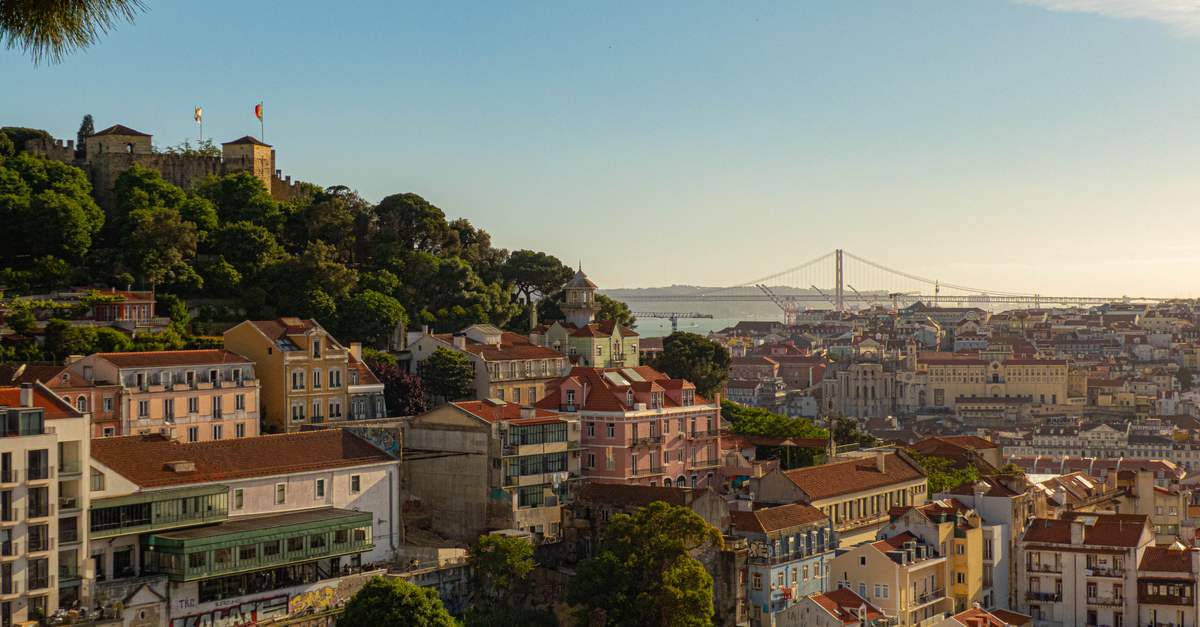
Castelo de São Jorge
Perched atop Lisbon’s highest hill, Castelo de São Jorge offers the most iconic panoramic views of the city and the Tagus River. This historic fortress serves as a vital touchstone for understanding Lisbon's layered evolution from Moorish stronghold to royal residence.

Elevador de Santa Justa
The Elevador de Santa Justa is a neo-Gothic iron elevator designed by a student of Gustave Eiffel that links Lisbon's Baixa district to the higher-altitude Largo do Carmo. It serves as both an ingenious piece of public transport and an iconic symbol of the city's Industrial Age architecture.


Pastéis de Bacalhau
Salt cod and potato fritters — Portugal's great street snack, crisp outside, soft within.

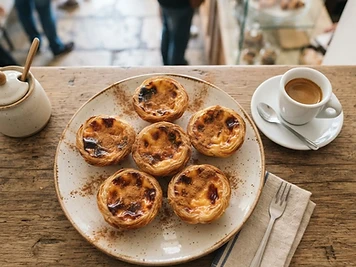
Pastéis de Nata
Lisbon's custard tart in puff pastry — the city's most famous bite, and arguably Portugal's best pastry.

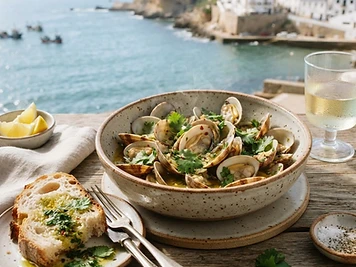
Amêijoas à Bulhão Pato
Clams in garlic, coriander and white wine — the simplest, best shellfish of the Lisbon coast.

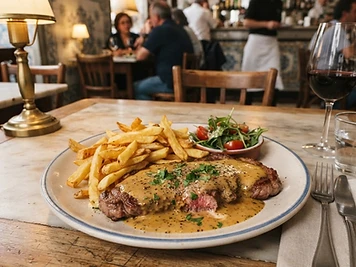
Bife à Marrare
A steak in a mustard-cream sauce — Lisbon's old café-era classic, rarely found elsewhere.

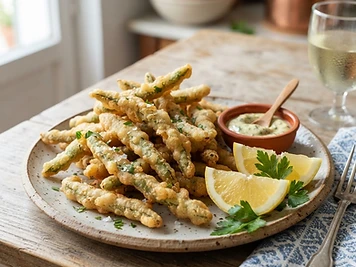
Peixinhos da Horta
Lightly battered, fried green beans — the crispy vegetable fritter that gave tempura its name.


Caracóis
Small garden snails simmered in garlic and oregano broth — Lisbon's summer beer-garden snack.

Horácio Simões
A small, family-run Setúbal Peninsula house specialising in traditional Moscatel de Setúbal and natural-method reds — a more artisanal, old-school counterpoint to the big Fonseca and Bacalhôa estates.

Quinta de Sant'Ana
A family-run Lisboa wine estate near Mafra (the Edgington-Robertsons, since 1999), making elegant single-vineyard whites and reds with a strong visitor programme — tours, tasting, and a renowned on-site restaurant, Food Tem Tem.

Adega de Colares
The cooperative cellar preserving the near-extinct Colares denomination — ungrafted Ramisco vines on the sand dunes above the Sintra coast. Tastings are in a beautiful old Adega and the wines are rare and ageworthy.

Quinta da Bichinha
A small, family-run Bucelas estate making traditional Arinto whites in the denomination Wellington supposedly drank — an accessible, intimate visit 30 minutes from Lisbon.

Casa Cadaval
A historic Mafra estate (since 1647, one of Portugal's oldest wine-producing families), making serious Lisboa reds and whites and the respected Cabernet-based 'Pinot do Conde' from a stud farm and vineyard setting.

José Maria da Fonseca
Portugal's oldest table-wine company (founded 1834), the maker of Periquita and Muscat de Setúbal, with a beautiful historic winery and museum in Vila Nogueira de Azeitão open to visitors — the easiest, most rewarding cellar visit near Lisbon.
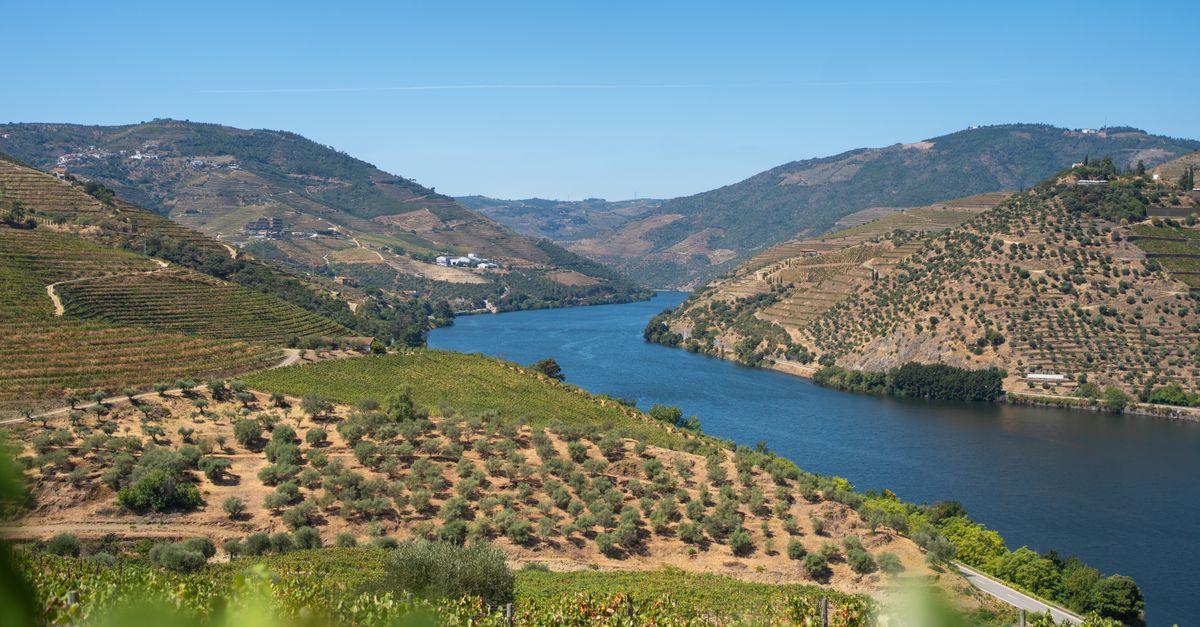
Quinta da Bacalhôa
The flagship estate of the Bacalhôa group on the Setúbal Peninsula — a modern winery set on a former royal estate with a contemporary-art collection, making serious reds and the celebrated 'Bacalhôa' Muscat.

Casa Ermelinda Freitas
A four-generation Setúbal Peninsula estate at Fernando Pó, one of the most awarded producers of regional reds (Periquita, Trincadeira, Touriga) and a pioneer of women-led winemaking in the region.
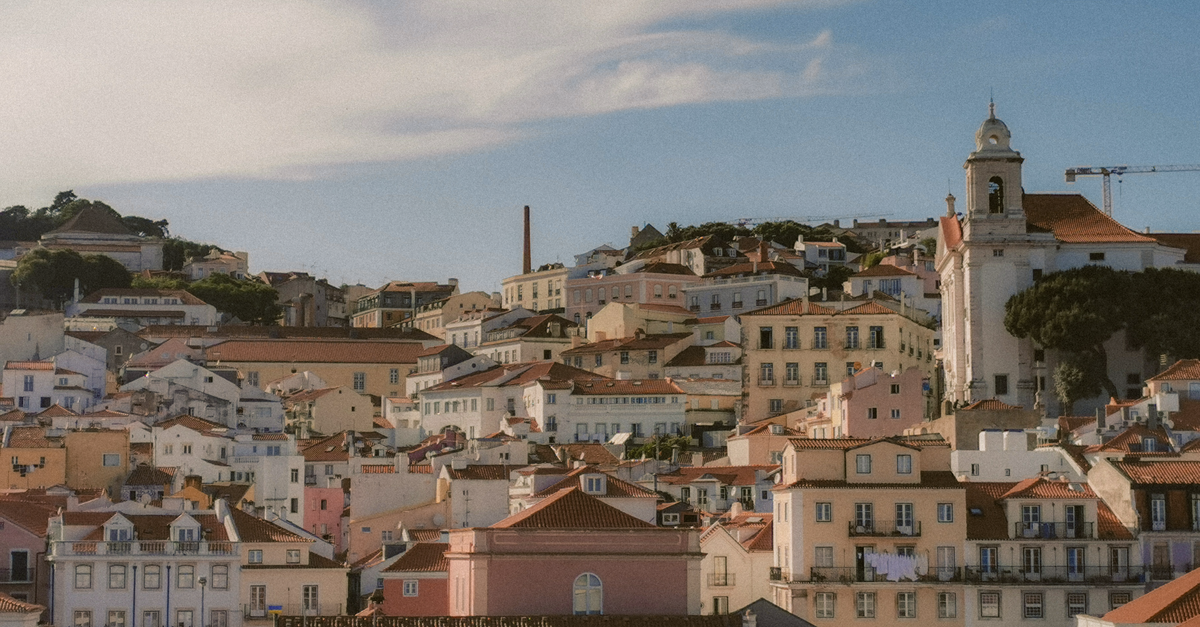
Lisboa
The sprawling wine region west and north of Lisbon — from the breezy Atlantic clays of Óbidos to the Bucelas Arinto whites and the Alenquer reds. It's eight sub-regions in one, and the most improved wine region in Portugal over the last decade.
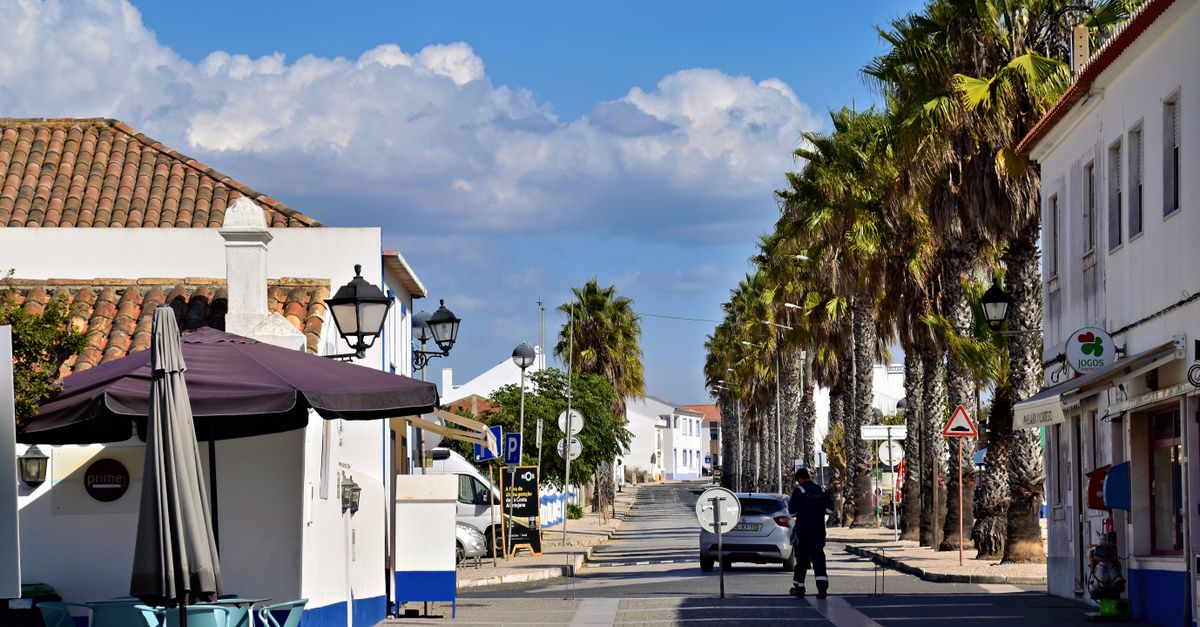
Setúbal Peninsula
The wine region south of Lisbon across the Tagus, anchored by the fortified Moscatel de Setúbal — a sweet, orange-peel-scented wine made from Muscat grapes grown on the Arrábida slopes. Also home to serious dry reds from the Serra's clay-limestone.

Colares
A tiny, endangered appellation on the sand dunes north of Sintra, where ungrafted Ramisco vines (they survived phylloxera because of the sand) make a tannic, ageworthy red; the white from Malvasia is rare and mineral. Fewer than 50 hectares remain.

Bucelas
A minuscule DOC north of Lisbon producing dry, high-acid whites almost entirely from the Arinto grape — the same grape that gives Champagne-style structure, and which the Duke of Wellington reportedly drank during the Peninsular War.

Carcavelos
One of Portugal's smallest and most endangered denominations — a fortified wine once prized in the 18th century, now reduced to a handful of surviving producers on the Cascais-Lisbon coast as the city has paved over its vineyards.

Palmela
The red-wine heart of the Setúbal Peninsula, where the Periquita grape (Castelão) made its name at José Maria da Fonseca in the 1850s — one of the first branded table wines in Portugal. The Serra da Arrábida gives structure to the reds.

Praia de Carcavelos
The closest real surf beach to Lisbon — a long sandy break with a train commute, surf schools, and an after-work surf culture.

Costa da Caparica
A 30-km wall of sand and beach breaks south of Lisbon — the city's surf-and-sun capital, with beach bars from summer to the last warm October days.


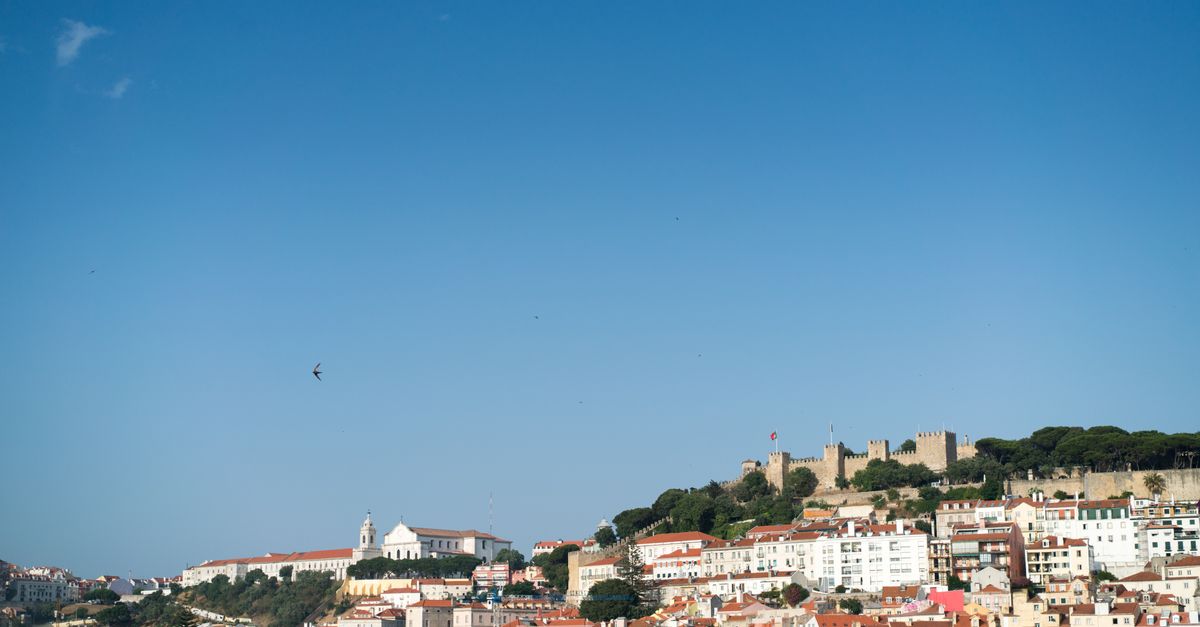
Alfama
Lisbon's oldest quarter — a survival of Moorish-era lanes, fado houses, and river views from the castle hill.

Belém
Lisbon's Age of Discovery quarter — the Jerónimos Monastery, the Belém Tower, and the original Pastéis de Belém.

Arrábida Natural Park
A limestone park dropping from forested hills to clear turquoise coves — the best beaches near Lisbon, and the least known.


Pastel de Nata
Portugal's signature pastry — a crisp, caramelized custard tart born in Lisbon's convents and perfected at Belém.
Where it sits


