Quinta de Sant'Ana
A family-run Lisboa wine estate near Mafra, operated by the Edgington-Robertson family since 1999. The estate produces single-vineyard whites and reds and maintains a visitor program featuring tours, tastings, and an on-site restaurant, Food Tem Tem.
The most accessible estate visit in the Lisboa region, pairing estate-grown wine with a dedicated on-site restaurant.
For a focused estate visit in the Lisboa region that combines wine production with an on-site restaurant.

What's in the glass
Wines reflect the estate's coastal location. The reds demonstrate restrained oak usage to emphasize fruit profiles, while the whites are defined by a crisp acidity.
How it came to be
Established in 1999 by the Edgington-Robertson family, the estate modernized a historic property by integrating traditional viticulture with a focus on wine hospitality. It is a modern entrant in the Lisboa wine tourism landscape.
Best for, and who should skip
Visitors prioritizing a combined wine and dining experience in a rural setting.
Less ideal for: Travelers seeking a high-tech, industrial winemaking tour or a quick, mid-city tasting experience. It is not suitable for those relying on public transport, as access to this rural site is limited.
Skip if: Those seeking a winery with centuries of continuous operation or an institutional historical tour will find other estates more relevant.
Tours, tastings & getting there
The estate operates a visitor program centered around its tasting room and the on-site restaurant, Food Tem Tem, which uses seasonal, locally sourced ingredients.
Getting there: Located 45 minutes from Lisbon, near Mafra.
Getting around: The grounds are accessible by foot, with paths connecting the tasting room, cellars, and restaurant.
Make dinner reservations for Food Tem Tem at the same time you book your tasting. It is located near Mafra, making it an easy trip from Lisbon.
When to go
April–October.
Open year-round; confirm availability before visiting.
Allow: Half a day, including lunch.
Beyond the tasting room
Reserve a vineyard tour, tasting, and lunch at Food Tem Tem; combine with a visit to the Mafra palace.
Pair with

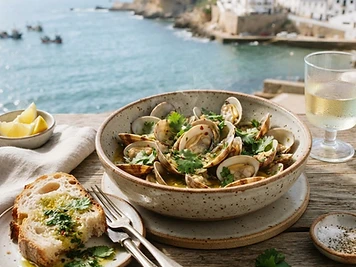
Amêijoas à Bulhão Pato
Clams steamed in garlic, coriander, and white wine—the baseline for Lisbon coastal shellfish.


Bacalhau
Salt cod—the standard protein of the Portuguese pantry, prepared in variations throughout the country.

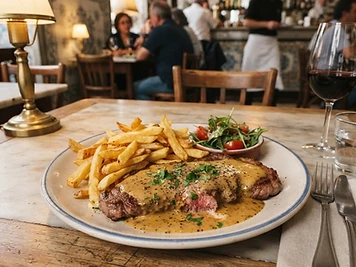
Bife à Marrare
A steak in a mustard-cream sauce — Lisbon's old café-era classic, rarely found elsewhere.
Other wines to explore

Casa Cadaval
Operating since 1647, this Mafra estate represents one of the country's oldest wine-producing families. It produces Lisboa reds and whites, including the Cabernet-based 'Pinot do Conde', within a working stud farm environment.

Quinta da Bichinha
A small, family-run Bucelas estate making traditional Arinto whites in the denomination Wellington supposedly drank — an accessible, intimate visit 30 minutes from Lisbon.
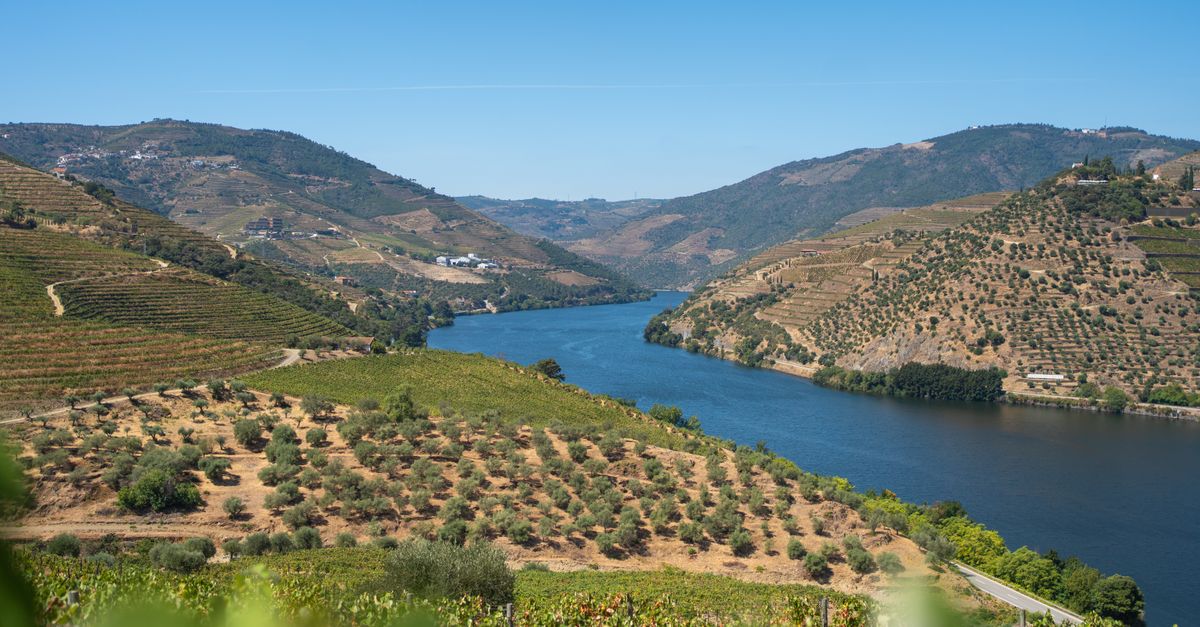
Quinta da Bacalhôa
Flagship estate of the Bacalhôa group on the Setúbal Peninsula, featuring a modern winery on a former royal property, a contemporary art collection, and production focused on structured reds and Setúbal Moscatel.
Nearby


Where it sits


More wine in Lisbon

Casa Ermelinda Freitas
A four-generation Setúbal Peninsula estate at Fernando Pó, one of the most awarded producers of regional reds (Periquita, Trincadeira, Touriga) and a pioneer of women-led winemaking in the region.

Adega de Colares
The cooperative cellar maintaining the Colares denomination, defined by ungrafted Ramisco vines grown in sand dunes above the Sintra coast. Tastings are held in a 1930s-era cellar, focusing on rare, high-tannin reds and saline whites.

Bucelas
A minuscule DOC north of Lisbon producing dry, high-acid whites almost entirely from the Arinto grape — the same grape that gives Champagne-style structure, and which the Duke of Wellington reportedly drank during the Peninsular War.

Carcavelos
One of Portugal's smallest denominations—a fortified wine once prioritized in the 18th century, now reduced to a few surviving producers on the Cascais-Lisbon coast as urban expansion displaced the vineyards.

Colares
A tiny, endangered appellation on the dunes north of Sintra, where ungrafted Ramisco vines survived phylloxera in the sand to produce tannic, ageworthy reds; the Malvasia white is rare and mineral. Fewer than 50 hectares remain.

Horácio Simões
A small, family-run Setúbal Peninsula house producing traditional Moscatel de Setúbal and natural-method reds—an artisanal, low-intervention alternative to the large Fonseca and Bacalhôa estates.