Amêijoas à Bulhão Pato
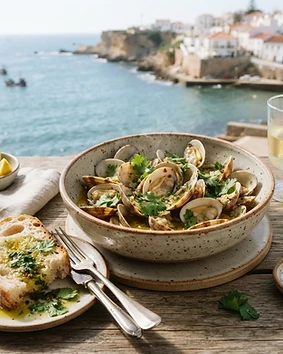
Clams steamed in garlic, coriander, and white wine—the baseline for Lisbon coastal shellfish.
A reliable test of a kitchen's ingredients. The success of the dish rests entirely on the freshness of the clams and the balance of garlic and acid in the broth.
It pairs with a glass of dry white wine or Vinho Verde.
Where it comes from
Named for 19th-century poet Raimundo António de Bulhão Pato, who recorded the preparation in his writing. The dish moved from tavern menus to a standard offering in Lisbon marisqueiras.
The dish
Clams cooked in olive oil, white wine, garlic, and chopped coriander. Use crusty bread to absorb the saline liquid left in the dish.
Key ingredients
- 01Clams
- 02Garlic
- 03Coriander
- 04Olive oil
- 05White wine
When to eat it
Midday, particularly during warmer months when clams are widely available.
Why you might skip it
Avoid if you dislike shellfish or the heavy use of raw garlic.
Good to know
Look for seafood houses in the Cais do Sodré or Alcântara districts where inventory turns over daily.
Serve with

Adega de Colares
The cooperative cellar maintaining the Colares denomination, defined by ungrafted Ramisco vines grown in sand dunes above the Sintra coast. Tastings are held in a 1930s-era cellar, focusing on rare, high-tannin reds and saline whites.

Bucelas
A minuscule DOC north of Lisbon producing dry, high-acid whites almost entirely from the Arinto grape — the same grape that gives Champagne-style structure, and which the Duke of Wellington reportedly drank during the Peninsular War.
Eat


Bacalhau
Salt cod—the standard protein of the Portuguese pantry, prepared in variations throughout the country.

Bife à Marrare
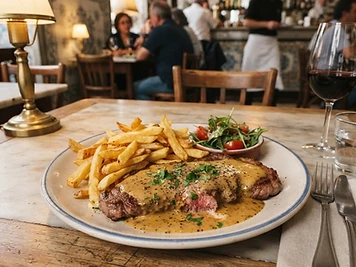
A steak in a mustard-cream sauce — Lisbon's old café-era classic, rarely found elsewhere.


Caracóis
Small garden snails simmered in garlic and oregano broth — Lisbon's summer beer-garden snack.
Where to find it


More to eat in Lisbon


Pastéis de Bacalhau
Salt cod and potato fritters — Portugal's great street snack, crisp outside, soft within.

Pastéis de Nata
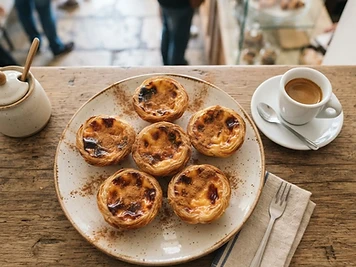
Lisbon's custard tart in puff pastry — the city's most famous bite, and arguably Portugal's best pastry.


Pastel de Nata
A crisp, caramelized custard tart originating in Lisbon's convents and refined at the Belém bakery.

Peixinhos da Horta
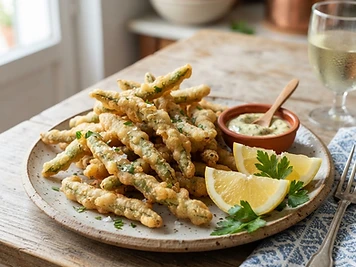
Lightly battered, fried green beans—the vegetable fritter that influenced the development of tempura.

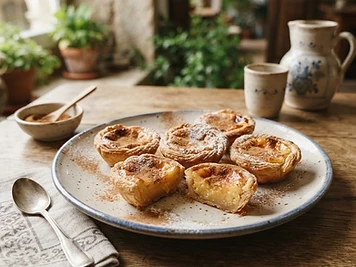
Queijadas de Sintra
Small, baked pastry cups made of fresh cheese, egg, and cinnamon. Sintra's signature sweet since the 16th century.

A Cevicheria (Príncipe Real)
Chef Kiko Martins' flagship restaurant in Príncipe Real focuses on Peruvian ceviche made with Atlantic seafood. The interior features a large sculpture of an octopus suspended from the ceiling.