Queijadas de Sintra
Small, sealed cup pastries of cheese, egg and cinnamon — Sintra's signature sweet since the 16th century.
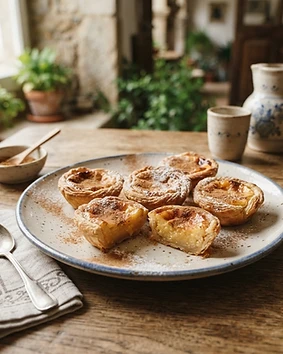
Small, rustic, and profoundly honest, these pastries offer a glimpse into the historic sweet-making traditions of Sintra. They are the antithesis of mass-produced confectionary.
They serve as a tangible link to the noble and literary heritage of the town of Sintra.

Where it comes from
The production of queijadas in Sintra dates back to the 13th century, initially used as a form of currency or tribute. By the 16th century, they were already famous throughout the kingdom for their unique blend of local fresh cheese and cinnamon. Their endurance is a testament to the town's ability to maintain centuries-old artisan techniques in the face of modern change.
The dish
The pastry is thin and crisp, encasing a dense, sweet, and slightly chewy heart of fresh cheese, egg, and cinnamon. It is a humble, unpretentious sweet that pairs perfectly with a morning espresso.
Key ingredients
- 01Fresh cheese
- 02Eggs
- 03Sugar
- 04Flour
- 05Cinnamon
When to eat it
Best enjoyed as a mid-morning treat while exploring the mist-covered hills of Sintra.
Why you might skip it
Those who dislike the distinct, slightly tangy profile of fresh cheese in desserts will want to pass.
Good to know
Visit the historic confectionery shops in the center of Sintra town to purchase them fresh from the baker.
Serve with

Adega de Colares
The cooperative cellar preserving the near-extinct Colares denomination — ungrafted Ramisco vines on the sand dunes above the Sintra coast. Tastings are in a beautiful old Adega and the wines are rare and ageworthy.

Bucelas
A minuscule DOC north of Lisbon producing dry, high-acid whites almost entirely from the Arinto grape — the same grape that gives Champagne-style structure, and which the Duke of Wellington reportedly drank during the Peninsular War.
Eat

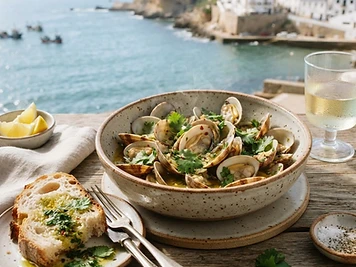
Amêijoas à Bulhão Pato
Clams in garlic, coriander and white wine — the simplest, best shellfish of the Lisbon coast.


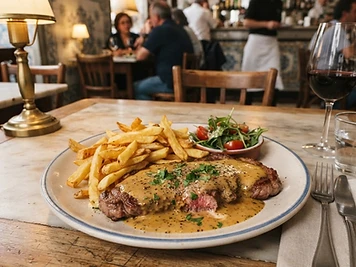
Bife à Marrare
A steak in a mustard-cream sauce — Lisbon's old café-era classic, rarely found elsewhere.

