Adega de Colares
The cooperative cellar preserving the near-extinct Colares denomination — ungrafted Ramisco vines on the sand dunes above the Sintra coast. Tastings are in a beautiful old Adega and the wines are rare and ageworthy.
The last ungrafted vineyard in Portugal, tasted in a historic Sintra-coast cellar.
For the last ungrafted vineyard in Portugal, tasted in a historic Sintra-coast cellar.

What's in the glass
The wines are defined by profound salinity and bracing acidity, born from vines buried deep in Atlantic sand dunes. The reds possess a legendary, muscular longevity, while the whites offer a rare, ethereal minerality unique to this harsh coastal terroir.
How it came to be
Established in 1931, the cooperative was created to safeguard the identity of the Colares region during an era of agricultural decline. It remains the singular steward of the prehistoric, ungrafted Ramisco vines that survived the phylloxera epidemic. These vines represent the final vestige of a viticultural heritage that once defined the entire Sintra coastline.
Best for, and who should skip
Serious oenophiles with an interest in viticultural history and the unique effects of sandy, ungrafted soils.
Less ideal for: Travelers seeking a modern, polished winery experience with panoramic valley views or extensive manicured grounds. It is also poorly suited for those looking for casual drop-in tastings or light, easy-drinking white wines, as the high-tannin Ramisco and saline Malvasia are complex, acquired tastes.
Skip if: Travelers seeking modern, fruit-forward expressions or high-tech facilities may find the austere, traditional profile of these wines challenging.
Tours, tastings & getting there
Visitors are welcomed into a high-ceilinged, historic cellar that feels frozen in time. Tastings are best arranged in advance to ensure access to these rare, historic vintages.
Getting there: 40 min from Lisbon; near Sintra.
Getting around: The cellar is compact and easily traversed on foot, though reaching the outlying sandy vineyard plots typically requires a short drive.
Booking well in advance is essential as the cellar operates on a limited schedule. Wear sturdy shoes as the sand dunes surrounding the plots are rugged.
When to go
Year-round; September for harvest.
Open year-round but book ahead.
Allow: Half a day
Beyond the tasting room
Book a tasting of Ramisco red and Malvasia white; walk the dune vineyards at Praia das Maçãs.
Pair with

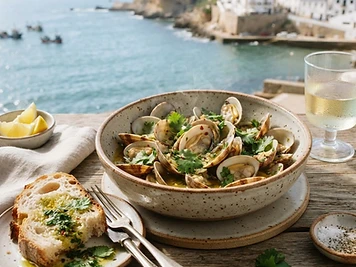
Amêijoas à Bulhão Pato
Clams in garlic, coriander and white wine — the simplest, best shellfish of the Lisbon coast.


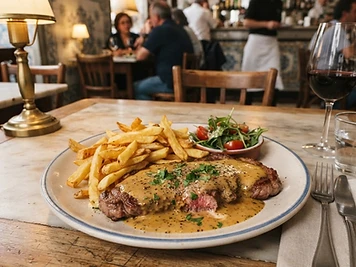
Bife à Marrare
A steak in a mustard-cream sauce — Lisbon's old café-era classic, rarely found elsewhere.
Other wines to explore

Bucelas
A minuscule DOC north of Lisbon producing dry, high-acid whites almost entirely from the Arinto grape — the same grape that gives Champagne-style structure, and which the Duke of Wellington reportedly drank during the Peninsular War.

Carcavelos
One of Portugal's smallest and most endangered denominations — a fortified wine once prized in the 18th century, now reduced to a handful of surviving producers on the Cascais-Lisbon coast as the city has paved over its vineyards.

Casa Cadaval
A historic Mafra estate (since 1647, one of Portugal's oldest wine-producing families), making serious Lisboa reds and whites and the respected Cabernet-based 'Pinot do Conde' from a stud farm and vineyard setting.
Nearby


Where it sits


