Horácio Simões
A small, family-run Setúbal Peninsula house specialising in traditional Moscatel de Setúbal and natural-method reds — a more artisanal, old-school counterpoint to the big Fonseca and Bacalhôa estates.
Traditional, small-batch Moscatel and natural reds in Palmela, away from the big producers.
For traditional, small-batch Moscatel and natural reds in Palmela, away from the big producers.

What's in the glass
The wines are crafted with a clear dedication to tradition, resulting in intense, aromatic Moscatel and vibrant, earthy reds. There is a distinct 'hand-made' quality that differentiates these wines from the highly processed output of the larger local cooperatives.
How it came to be
Horácio Simões has maintained a steadfast commitment to the artisanal methods of the Setúbal Peninsula for decades. While the surrounding area saw rapid industrialization, the house preserved its traditional lagar crushing methods and historical barrels. It remains a vital link to the old-school viticultural identity of Palmela.
Best for, and who should skip
Visitors who prioritize intimate, authentic interactions with winemakers over polished, high-volume tourism.
Less ideal for: Visitors seeking slick, state-of-the-art facilities, extensive food pairings beyond simple petiscos, or a wide range of international grape varietals. Those not accustomed to or interested in wine styles that emphasize terroir over overt winemaking intervention.
Skip if: Those searching for high-gloss, expansive winery grounds with large museum gift shops will be disappointed by the modest scale.
Tours, tastings & getting there
Visiting this estate feels like being invited into a family home where the owner is likely to lead the tour. The focus is on authentic, warm hospitality and an unfiltered look at small-batch production techniques.
Getting there: 45 min from Lisbon; in Palmela.
Getting around: The winery is small and easily explored on foot in a single visit.
Appointments are necessary and appreciated; the winery is often busy with production, so be punctual. Ask about the specific aging process for the older vintages of Moscatel.
When to go
September; spring.
Year-round.
Allow: Half a day
Beyond the tasting room
Book a tasting at the small cellar; combine with Palmela castle.
Pair with

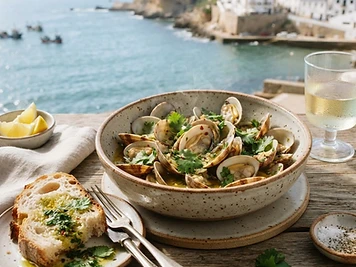
Amêijoas à Bulhão Pato
Clams in garlic, coriander and white wine — the simplest, best shellfish of the Lisbon coast.


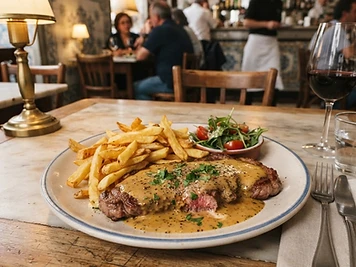
Bife à Marrare
A steak in a mustard-cream sauce — Lisbon's old café-era classic, rarely found elsewhere.
Other wines to explore

Adega de Colares
The cooperative cellar preserving the near-extinct Colares denomination — ungrafted Ramisco vines on the sand dunes above the Sintra coast. Tastings are in a beautiful old Adega and the wines are rare and ageworthy.

Bucelas
A minuscule DOC north of Lisbon producing dry, high-acid whites almost entirely from the Arinto grape — the same grape that gives Champagne-style structure, and which the Duke of Wellington reportedly drank during the Peninsular War.

Carcavelos
One of Portugal's smallest and most endangered denominations — a fortified wine once prized in the 18th century, now reduced to a handful of surviving producers on the Cascais-Lisbon coast as the city has paved over its vineyards.
Nearby


Where it sits


