Ericeira
A whitewashed surf town on cliffs above the Atlantic — Portugal's surf capital and a World Surfing Reserve.
The best surf base near Lisbon and a cooler, more local alternative to Cascais.

Why go
A real fishing-and-surf town with consistent waves for all levels, cliff walks, excellent seafood, and a laid-back, design-minded feel. Less polished than Cascais, more character.
Why you might skip it
If you don't surf or like fish, it's a small cliff town; beaches are cold Atlantic.
What to do
Surf (Ribeira d'Ilhas, Praia do Coxos), walk the cliff path, eat seafood in the village, day-trip to Mafra palace.
What to eat
Seafood — especially the local seafood rice (arroz de marisco); octopus.
Where to stay
A base, not a stop. (2–3 nights for surf; 1 as a day trip)
Accommodations range from converted traditional whitewashed homes in the historic center to modern surf lodges positioned near the clifftops. The center offers proximity to dining but features elevated noise levels from local nightlife and pedestrian foot traffic. Northward-facing villas provide quieter environments and immediate access to surf breaks, though they require a longer commute to village amenities. Budget options exist in the form of surf hostels, while luxury boutique hotels occupy renovated properties on the outskirts of the primary cliff line.
Getting there & around
Bus from Lisbon Campo Grande; car.
The village center remains compact with narrow, cobblestone streets suited primarily for pedestrians. Cars often struggle with limited street parking and steep inclines. The Mafrense bus connects directly to Lisbon’s Campo Grande terminal in roughly one hour. Walking from the central village to the primary surfing beaches requires navigating significant cliffside descents and subsequent uphill climbs upon return. A car provides access to the broader coast, though central village streets restrict vehicle traffic during peak summer months.
Common planning mistakes
The primary error involves underestimating the physical terrain, as the village sits atop high cliffs, making transit between the upper town and lower beaches demanding. Many treat the village as a singular beach destination rather than a complex stretch of coastline, missing the distinct surf breaks further north. Relying solely on ride-sharing services during peak season often leads to extended wait times. Underestimating the Atlantic winds also results in poorly planned beach days, as sheltered spots disappear quickly.
Less ideal for
The rugged topography and steep cliff paths create challenges for those requiring level access or easy mobility. The constant, heavy swell and strong coastal winds provide little comfort for those seeking calm, protected beach environments. The limited public transit network makes the village difficult to manage without personal vehicle access. The intense focus on surf-centric activities offers a narrow scope of experience that lacks the historical or cultural variety found in larger metropolitan centers.
Practical notes
The village operates under the status of a World Surfing Reserve, dictating the cultural and economic rhythm of the coastline. Summer months bring intense fog and significant wind, which drops ambient temperatures compared to Lisbon. Public utilities and infrastructure remain oriented toward a permanent local population rather than mass tourism. ATMs and basic services cluster around the main square, while specialized surf gear shops occupy the periphery. Most retail outlets observe mid-afternoon closures on weekends outside of the summer peak.
What's here

Ericeira (Ribeira d'Ilhas)
Ribeira d'Ilhas is a reliable, high-quality right-hand point break north of Ericeira. It is a central feature of the Ericeira World Surfing Reserve.

Ericeira Surf Reserve
Europe's first World Surfing Reserve — a cluster of point and reef breaks around Ericeira.
Where it sits


More places in Lisbon
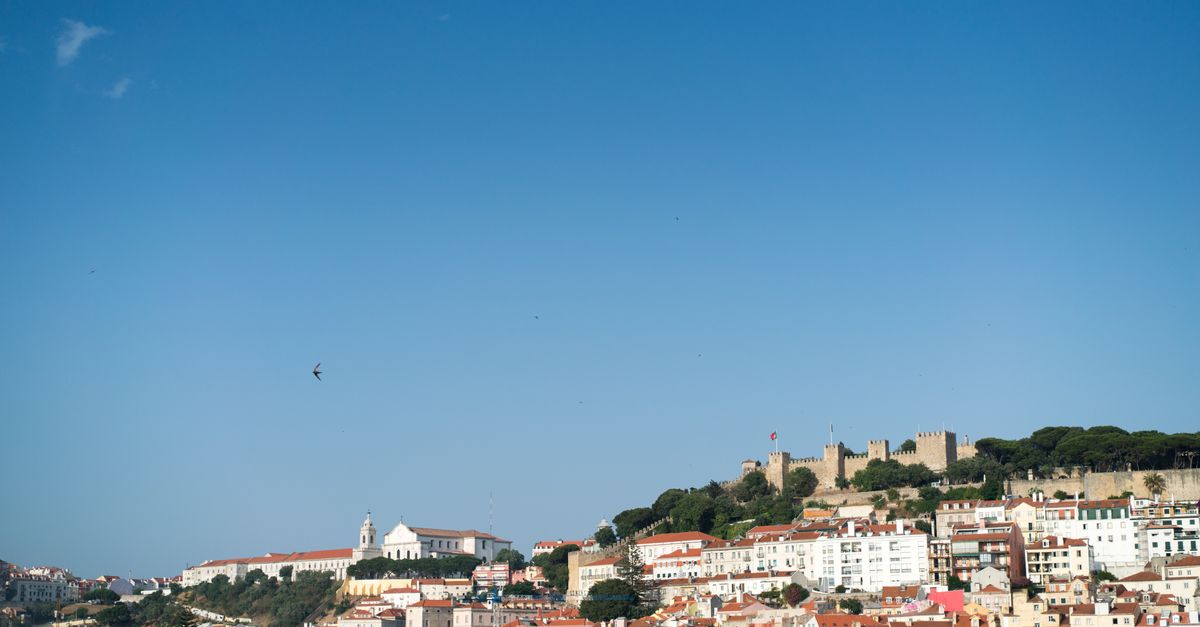
Alfama
Lisbon's oldest quarter — a survival of Moorish-era lanes, fado houses, and river views from the castle hill.

Belém
Lisbon's Age of Discovery quarter — the Jerónimos Monastery, the Belém Tower, and the original Pastéis de Belém.

Setúbal
A working port and fishing city south of the Tagus — the gateway to the Arrábida and the best moscatel.


Sintra
A fairy-tale royal hill town of palaces and forest — the Pena Palace, the Moorish Castle, Quinta da Regaleira, and the mist that makes it all otherworldly.
We may earn a commission from bookings made through these links. It never changes what we recommend, or what we leave out.