Optional
Winery· Porto & North
Anselmo Mendes
The winemaker known as 'the father of Alvarinho,' making handcrafted Vinho Verde from his cellar in Monção — including the Contacto and Expressões cuvées that redefined what the region could do.
Portugal's wine is regional and specific, and far deeper than port and Vinho Verde. This is the full guide: fortified Madeira and the UNESCO basalt vineyards of the Azores; the elegant, Encruzado-driven Dão and the Baga-tannic Bairrada; the high-altitude Beira Interior, the granite-cave sparkling of Távora-Varosa, and the rare ungrafted Ramisco of Colares — alongside the great Douro estates and the warm Alentejo plains. These are the regions and estates that earn a place on a wine-led trip.
The winemaker known as 'the father of Alvarinho,' making handcrafted Vinho Verde from his cellar in Monção — including the Contacto and Expressões cuvées that redefined what the region could do.

The baroque palace on the label of Mateus Rosé — a real 18th-century estate outside Vila Real with manicured gardens, a historic winery and the Trás-os-Montes wine connection. The palace is the draw; the rosé's actual production is long licensed out.
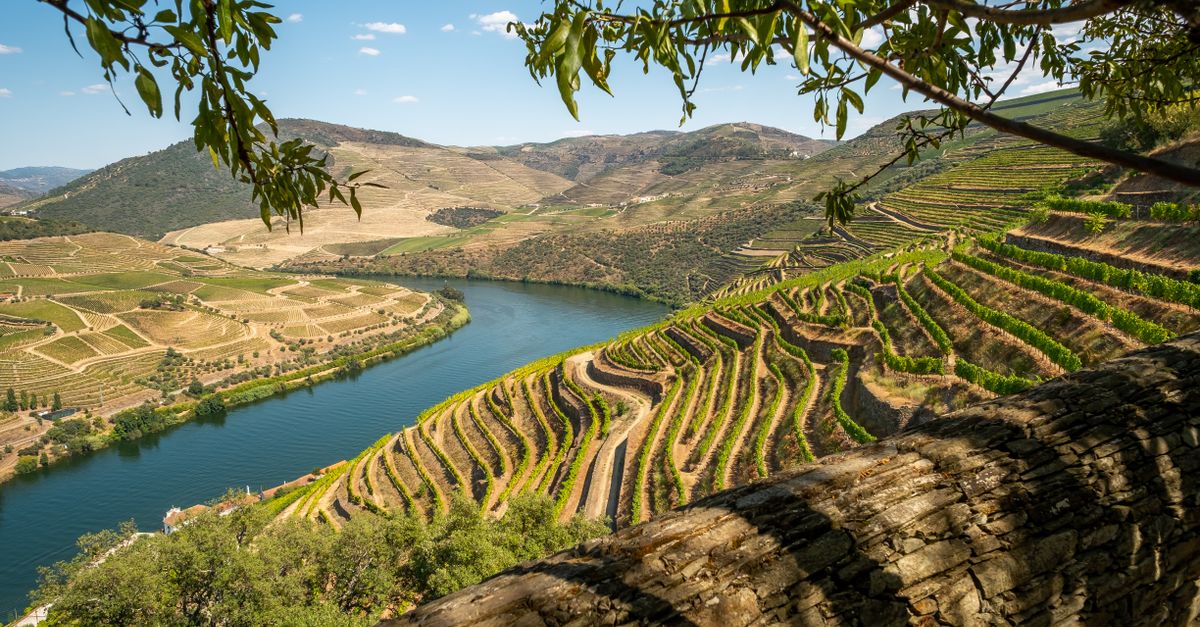
A family-run Douro estate above the river at São João da Pesqueira, making benchmark table wines (VC, Reserva) and a single-vineyard Vinha da Ponte. The terrace views over the Douro are among the best in the region.

One of the oldest and grandest Douro estates (founded 1716, owned by descendants of the legendary Dona Antónia Adelaide Ferreira), with a striking modern winery and hotel near Régua. Old-vine field blends and Touriga Nacional.

A working family estate handed down six generations, perched directly above the Douro near Pinhão, making both port and table wine and running one of the region's best guesthouses and a cooking school.

A 19th-century estate above the Douro with a luxury wine hotel and a chapel-views terrace; known for its Vintage port and the 'CB' table wines. Owned by the Amorim family (cork).

A single-vineyard Douro estate of almost mythical status — all port produced here is from one estate, treaded in lagares by foot, and the Symington family has kept it as a standalone Vintage declaration. Remote and spectacular.

The Symington family's visitor-facing Douro estate — home to Dow's, Warre's and Graham's vineyards — with a well-designed tasting room and walking trails through old-vine plots above Pinhão.

A maverick house (founded 1842 as a port lodge, now run by Dirk Niepoort) that makes some of Portugal's most admired 'new-wave' Douro wines — Redoma, Batuta, Charme — alongside port and a Vinho Verde project. The Gaia lodge is the tasting base.

The largest Vinho Verde producer and one of the most historic — a family estate since 1870, with beautiful gardens (designed by a Swiss landscape architect) and a tasting room an hour from Porto. Casal Garcia, the world's best-selling Vinho Verde, is made here.

The pioneer of quality Alvarinho in the Vinho Verde region — the Quinta de Soalheiro sits in the far northern Minho at Melgaço, where the warm days and cool nights give the grape its signature tension. The first Soalheiro was made in 1982.

The harsh, high plateau beyond the Marão mountains — 'behind the mountains' — where old-vine vineyards, chestnut groves and the grand Mateus estate sit among Portugal's most rugged scenery. Reds are robust, whites minerally, and the region is a bastion of vinho de talha (clay-pot) tradition.

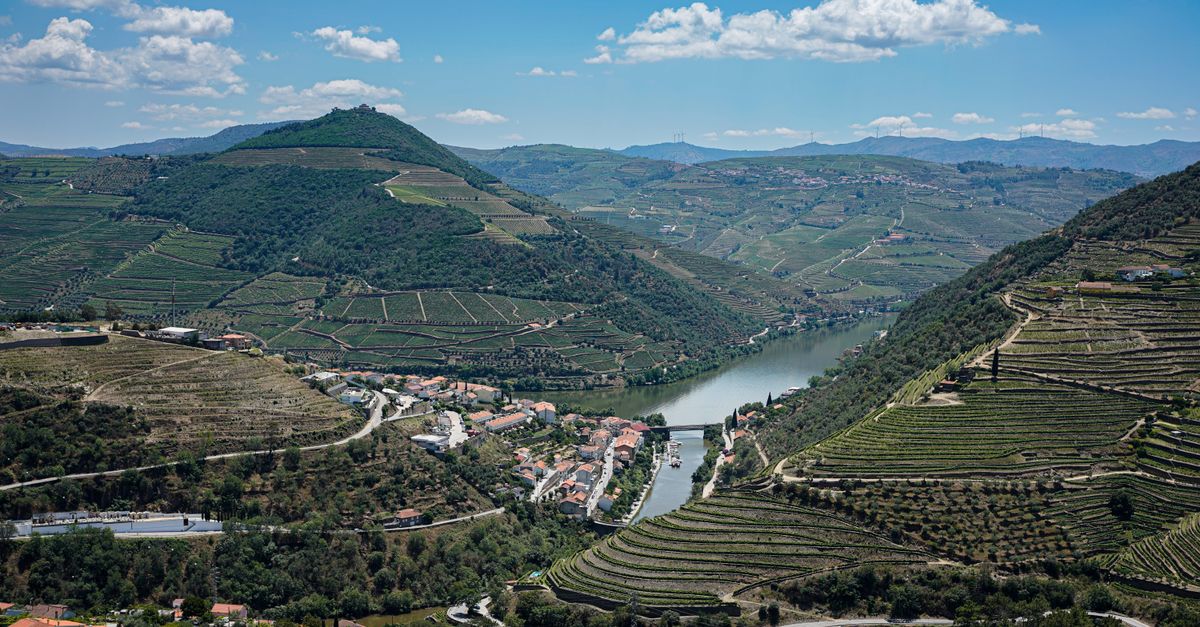
Portugal's most famous fortified wine — grown in the Douro, aged in Gaia, and the reason most travelers first find the valley.
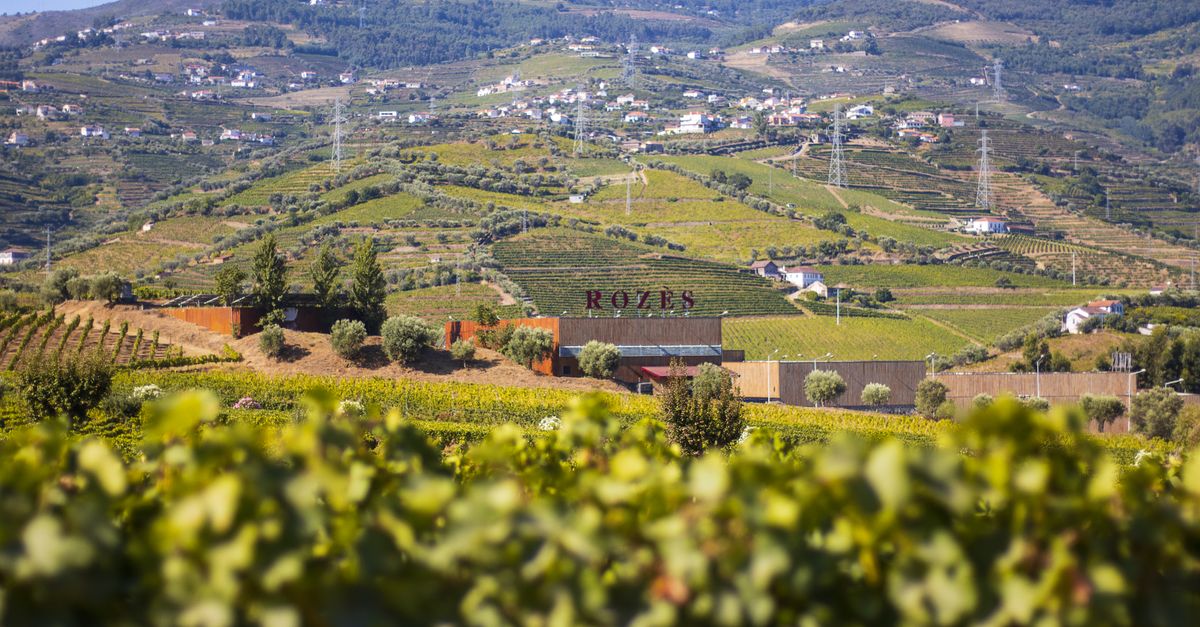
The fresh, slightly sparkling 'green wine' of the Minho — low alcohol, high acidity, perfect with seafood and summer.

A benchmark Dão estate at Mangualde, one of the first to bottle single-varietal Dão wines (Touriga Nacional, Jaen) in the 1990s, with a modernist winery in the heart of the region.

A historic Dão estate (records date to the 12th century) relaunched by winemaker Rui Madeira, focused on old-vine Encruzado whites and elegant reds; a more intimate alternative to the larger quintas.

Winemaker Carlos Lucas's Dão estate at Carregal do Sal, producing elegant, food-friendly Dão reds and a celebrated Encruzado white; a working, family-run quinta with a good visitor programme.

The Baga standard-bearer — Luís Pato (and now daughter Filipa) championed the difficult Baga grape when others abandoned it, making structured, ageworthy reds from old vines near Mealhada. The estate redefined Bairrada.

A respected Bairrada producer in Cantanhede, known for balanced Baga reds and sparkling wines, with a welcoming tasting room on a working estate.

A small biodynamic Bairrada project by Luís Pato's daughter Filipa and her husband, making precise, low-intervention Baga reds and white Beiras wines from old-vine plots — one of the most talked-about 'new Bairrada' estates.

A Távora-Varosa sparkling-wine estate (one of the Raposeira group's flagship quintas) producing méthode-traditionnelle espumante from Malvasia Fina and Bical, set in a green valley near Lamego.

The flagship Távora-Varosa sparkling house, ageing its méthode-traditionelle wines in hand-carved granite caves cut into the valley side — Portugal's most prestigious espumante, in a dramatic setting.

The wine region of the Ribatejo along the Tagus floodplain — historically a workhorse region now making serious, value-driven reds and crisp whites, with old-quinta estates at Almeirim and Alpiarça. Less glamorous than Alentejo, more accessible.

Portugal's oldest demarcated wine region (1908), a cool granite plateau wrapped by mountains that keeps Dão reds elegant and its whites bright. Touriga Nacional, Alfrocheiro and Jaen define the reds; Encruzado is the white that put the region back on the map.

A small Atlantic-influenced region between Aveiro and Coimbra, the spiritual home of Baga — a tannic, high-acid red grape that, in good years, makes some of Portugal's longest-lived wines. Sparkling wines (espumante) made by the méthode classique are a Bairrada specialty.

Portugal's highest, coldest wine region, climbing the eastern slopes of the Serra da Estrela toward the Spanish border. Frost and altitude make for nervy whites and peppery reds from autochthonous grapes few outsiders have heard of — Fonte Cal, Síria, Borba das Moscas.

Portugal's sparkling-wine heartland, a cool granite valley where the Távora and Varosa rivers meet, planted to Malvasia Fina, Bical and Cercial. Murganheira and Raposeira age their espumante in hand-carved granite cellars.

A small, family-run Setúbal Peninsula house specialising in traditional Moscatel de Setúbal and natural-method reds — a more artisanal, old-school counterpoint to the big Fonseca and Bacalhôa estates.

A family-run Lisboa wine estate near Mafra (the Edgington-Robertsons, since 1999), making elegant single-vineyard whites and reds with a strong visitor programme — tours, tasting, and a renowned on-site restaurant, Food Tem Tem.

The cooperative cellar preserving the near-extinct Colares denomination — ungrafted Ramisco vines on the sand dunes above the Sintra coast. Tastings are in a beautiful old Adega and the wines are rare and ageworthy.

A small, family-run Bucelas estate making traditional Arinto whites in the denomination Wellington supposedly drank — an accessible, intimate visit 30 minutes from Lisbon.

A historic Mafra estate (since 1647, one of Portugal's oldest wine-producing families), making serious Lisboa reds and whites and the respected Cabernet-based 'Pinot do Conde' from a stud farm and vineyard setting.

Portugal's oldest table-wine company (founded 1834), the maker of Periquita and Muscat de Setúbal, with a beautiful historic winery and museum in Vila Nogueira de Azeitão open to visitors — the easiest, most rewarding cellar visit near Lisbon.
The flagship estate of the Bacalhôa group on the Setúbal Peninsula — a modern winery set on a former royal estate with a contemporary-art collection, making serious reds and the celebrated 'Bacalhôa' Muscat.

A four-generation Setúbal Peninsula estate at Fernando Pó, one of the most awarded producers of regional reds (Periquita, Trincadeira, Touriga) and a pioneer of women-led winemaking in the region.
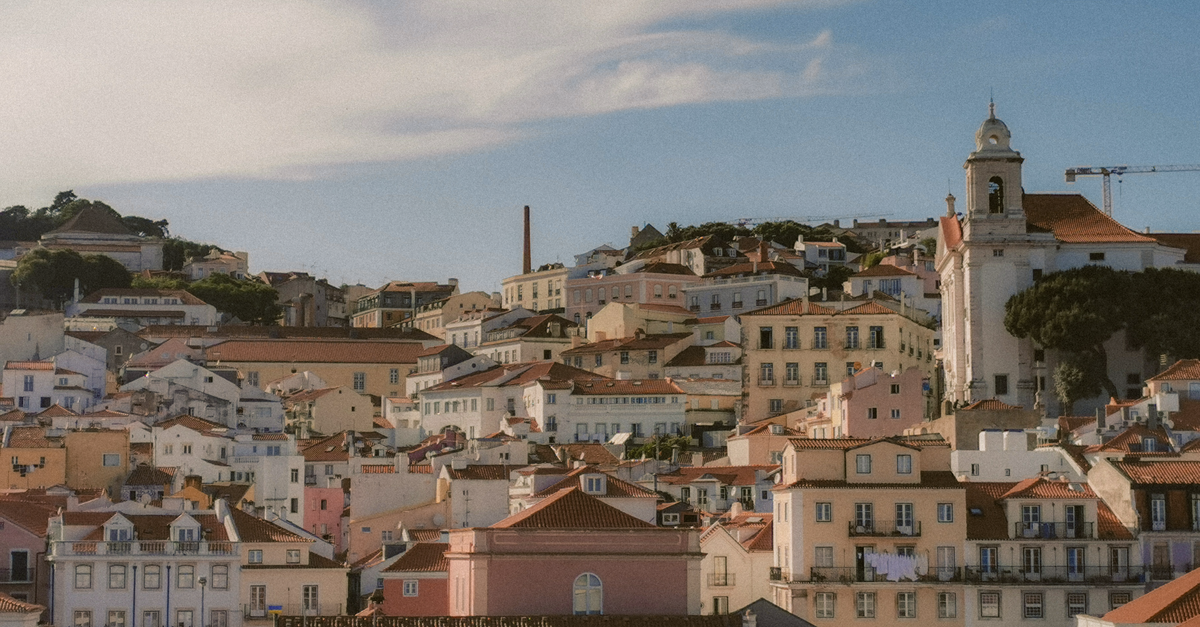
The sprawling wine region west and north of Lisbon — from the breezy Atlantic clays of Óbidos to the Bucelas Arinto whites and the Alenquer reds. It's eight sub-regions in one, and the most improved wine region in Portugal over the last decade.
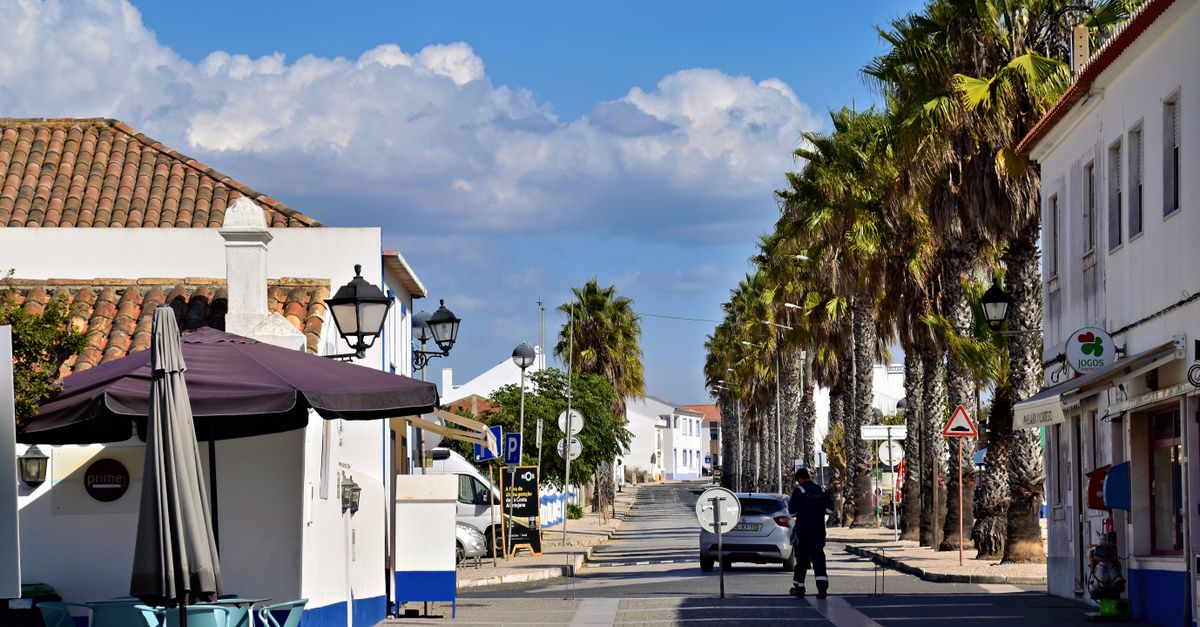
The wine region south of Lisbon across the Tagus, anchored by the fortified Moscatel de Setúbal — a sweet, orange-peel-scented wine made from Muscat grapes grown on the Arrábida slopes. Also home to serious dry reds from the Serra's clay-limestone.

A tiny, endangered appellation on the sand dunes north of Sintra, where ungrafted Ramisco vines (they survived phylloxera because of the sand) make a tannic, ageworthy red; the white from Malvasia is rare and mineral. Fewer than 50 hectares remain.

A minuscule DOC north of Lisbon producing dry, high-acid whites almost entirely from the Arinto grape — the same grape that gives Champagne-style structure, and which the Duke of Wellington reportedly drank during the Peninsular War.

One of Portugal's smallest and most endangered denominations — a fortified wine once prized in the 18th century, now reduced to a handful of surviving producers on the Cascais-Lisbon coast as the city has paved over its vineyards.

The red-wine heart of the Setúbal Peninsula, where the Periquita grape (Castelão) made its name at José Maria da Fonseca in the 1850s — one of the first branded table wines in Portugal. The Serra da Arrábida gives structure to the reds.

The Alentejo's flagship estate (since the 13th century), with 600+ hectares of vineyard and olive grove near Reguengos, a striking modern winery and one of the best visitor programmes in Portugal — tours, tastings, restaurant and accommodation.
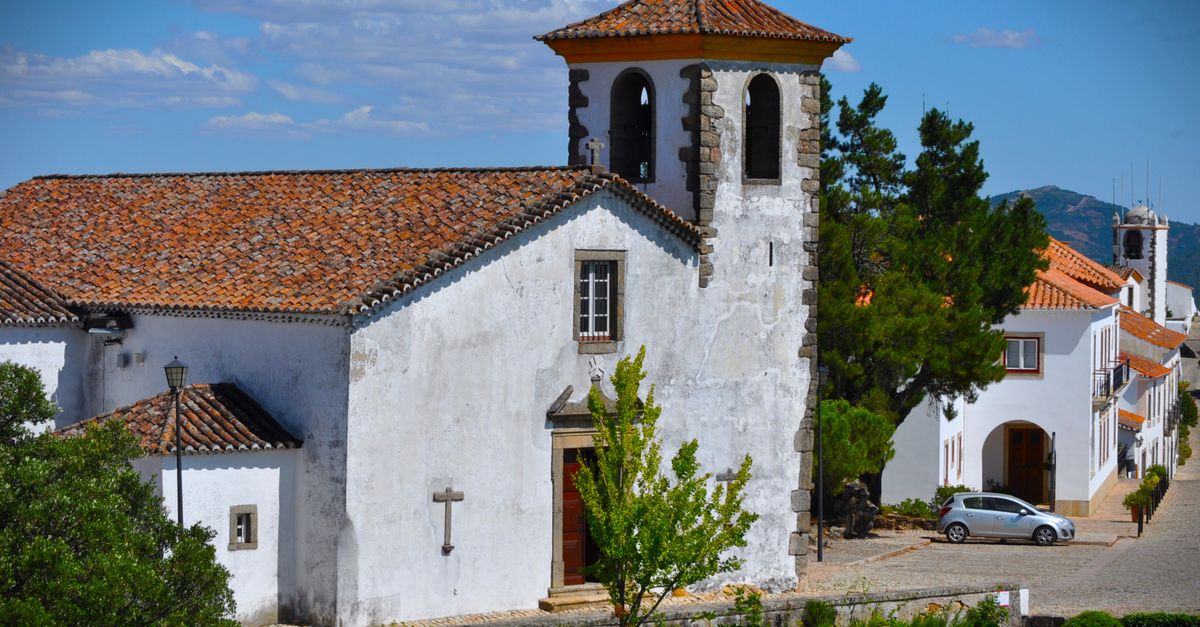
A modern, design-led Alentejo estate at Vidigueira, known for elegant, lower-alcohol reds and amphora wines (the 'Olho de Mocho' amphora project) — a champion of the region's clay-pot (talha) tradition.
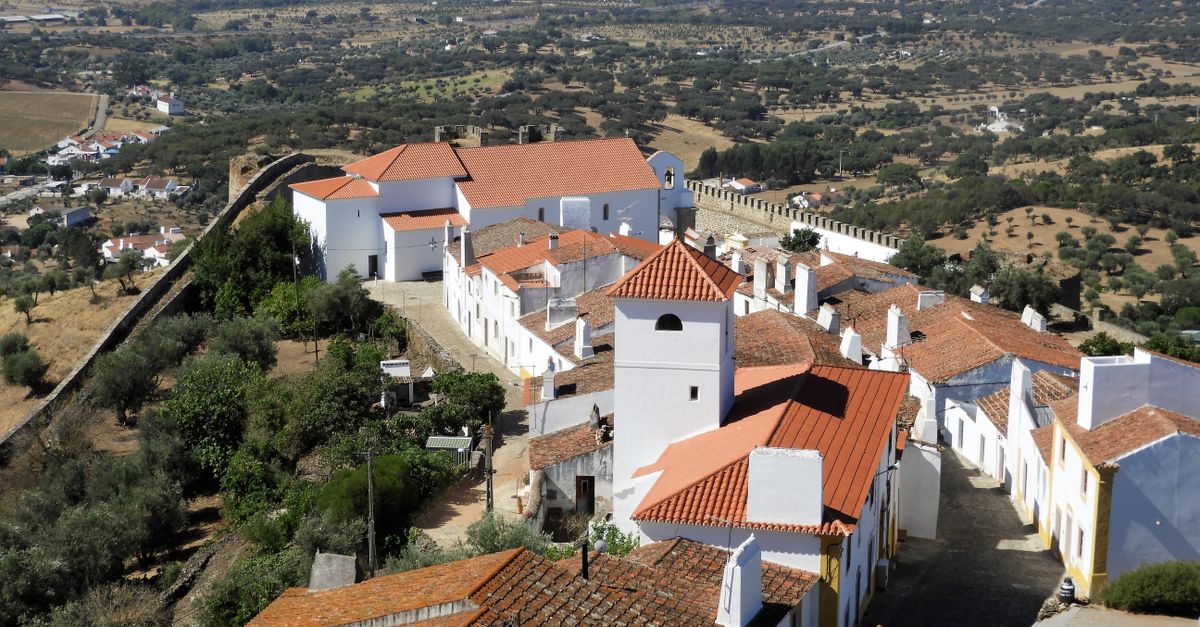
A 19th-century Alentejo estate near Borba, relaunched as a modern boutique winery making structured reds and crisp whites from the Évora sub-region; stylish on-site accommodation in a renovated farmhouse.

A bold modern winery near Campo Maior designed by architect Souto de Moura, on the eastern Alentejo border — making a broad range of accessible reds, whites and a notable Bairrada-influenced set; one of the region's most striking buildings.

A long-established Évora estate with integrated olive groves, walnut orchards and vineyards, known for balanced Alentejo reds and the white 'Taboadella' range; a quieter, more rural alternative to Esporão.
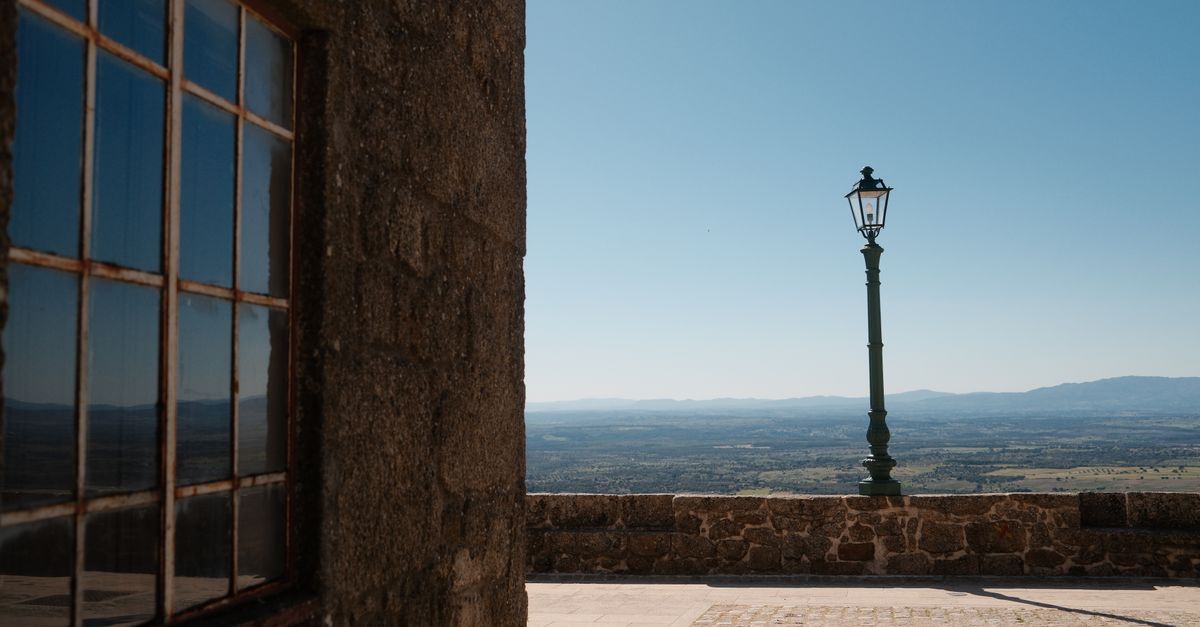
A southern Alentejo estate at Vidigueira, on the edge of the region's warmest sub-denomination, making rich, generous reds and a welcoming tasting room set among cork and olive trees.

The flagship winery of João Portugal Ramos — the winemaker most responsible for the modern Alentejo renaissance — at Borba, producing the widely-drunk Marquês de Borba range and a top 'Vila Santa' reserve.

The great warm-climate red region of the south — Aragonez, Trincadeira and Alicante Bouschet across eight sub-regions from the granite of Portalegre to the heat of Vidigueira. Generous, approachable, and the gateway wine for most newcomers to Portugal.

The Algarve's best-known wine estate, near Estômbar / Carvoeiro, with a sculpture-filled estate and a broad range of reds and whites; a popular visit paired with a beach holiday.

A small, family-run Algarve estate near Silves making quality Syrah, Touriga Nacional and Aragonez reds and a crisp white; a more intimate, authentic visit than the larger Algarve estates.
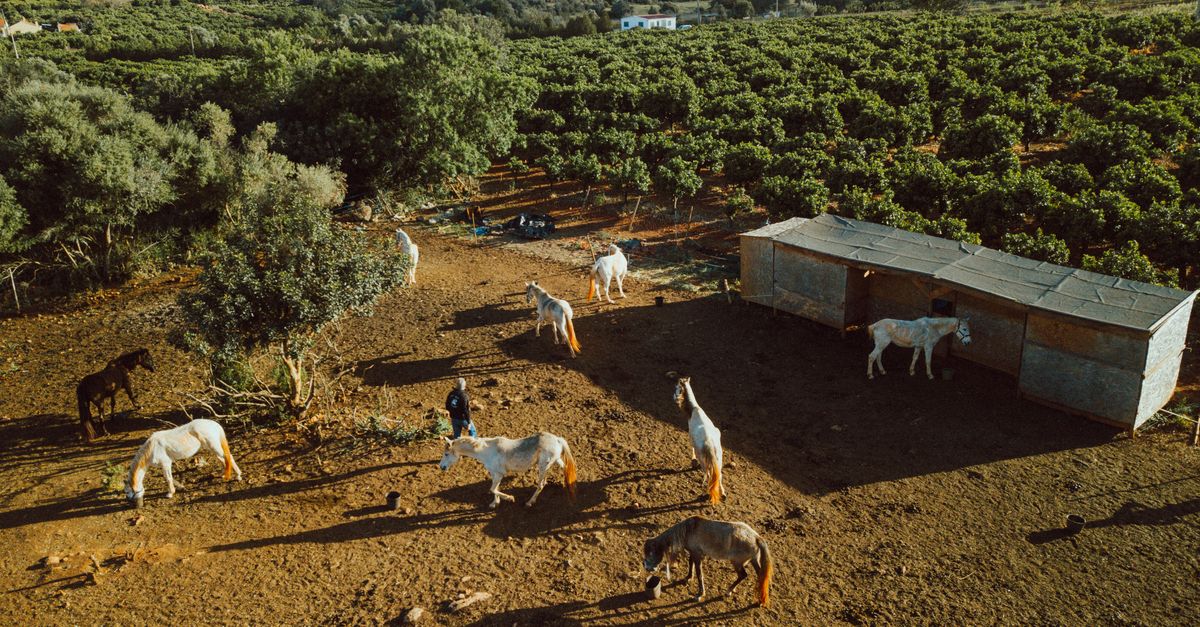
The Algarve winery founded by Sir Cliff Richard (with winemaker David Baverstock of Esporão), near Guia/Albufeira, making the Vida Nova and Onda Nova ranges from Algarve-grown grapes — a name-led estate with surprising wine quality.

A small, fast-rising region of four coastal denominations (Lagos, Portimão, Lagoa, Tavira) where Atlantic breeze meets the Barrocal limestone. Long dismissed as beach-trip wine, it's now producing serious Syrah, Touriga Nacional and crisp whites from estates like Quinta dos Vales and Quinta do Francês.

The Blandy family's Madeira lodge in central Funchal — the oldest and most visitor-friendly of the Madeira lodges, with a museum, cooperage and guided tastings spanning the four grape styles from dry Sercial to rich Malvasia.

One of the oldest Madeira houses (founded 1850), now with a modern winery at Câmara de Lobos and its own vineyards — unusual on the island — producing a full range including rare Terrantez.

A historic Funchal lodge holding extraordinary old stocks of Madeira dating back to the 1850s, beloved by serious Madeira collectors; small, old-school and the place to taste very old vintages.

One of the world's great fortified wines — made on a single volcanic island from Sercial, Verdelho, Bual and Malvasia grapes, heated and oxidised by the estufagem process into a wine that can age for centuries. The lodges of Funchal are the tasting destination.

The pioneering Pico estate of winemakers António Maçanita and Filipe Cardoso, reviving serious winemaking on the volcanic island with taut, mineral whites from Arinto and Verdelho grown in the UNESCO basalt vineyards.

A small, traditional wine region on the north coast of Terceira island — the Biscoitos currais, basalt-pen vineyards growing Verdelho for the island's distinctive whites and reds; a tiny cooperative keeps the tradition alive.

A volcanic archipelago wine region across nine islands, defined by the UNESCO basalt-pen vineyards of Pico, where Arinto, Verdelho and Terrantez make taut, mineral wines from some of the most extreme terroir on earth.

A UNESCO World Heritage cultural landscape — a strip of vineyard on Pico's lava-rock coast, where vines are grown in tiny walled basalt pens (currais) that protect them from wind and salt. A landscape to visit, not just taste.