Madeira
One of the world's great fortified wines — made on a single volcanic island from Sercial, Verdelho, Bual and Malvasia grapes, heated and oxidised by the estufagem process into a wine that can age for centuries. The lodges of Funchal are the tasting destination.
No wine region in the world is more closely tied to one place — Madeira is Madeira, and a lodge visit in Funchal is essential.
For centuries-old fortified wine, the Blandy's and D'Oliveiras lodges, and a tasting that spans styles from dry Sercial to rich Malvasia.

What's in the glass
Madeira wine is an immortal nectar, forged by the alchemy of heat and air to produce a profile of searing acidity, toasted nuts, and dried stone fruit. The region's output spans a dramatic sensory range, from the bone-dry, razor-sharp Sercial to the luscious, honeyed decadence of a high-aged Malvasia.
How it came to be
Born from the necessity of stabilizing wine for long sea voyages, the Madeira process involves deliberate heating, or estufagem, which mimics the effects of tropical transit. Over the centuries, this process evolved from an accident of shipping into a sophisticated craft practiced by the historic lodges of Funchal. The island's isolated volcanic geology has created a distinct microclimate, forcing vines to struggle in rich but challenging soil that results in the intense concentration found in every glass.
Best for, and who should skip
Lovers of fortified wines and anyone captivated by the idea of drinking a wine that was made long before they were born.
Less ideal for: Travelers seeking a traditional vineyard-hopping experience where one can walk through extensive rows of vines; those who prefer delicate, light-bodied still wines; and visitors who lack patience for the island's steep, often challenging driving topography.
Skip if: Those who struggle with heights or steep, winding mountain roads may find the vineyard excursions in the northern parts of the island particularly harrowing.
Tours, tastings & getting there
The region centers on the historic lodges of Funchal, where visitors move through cool, dark cellars filled with the legacy of transatlantic trade. Outside the city, the vertiginous vineyards cling to the island's dramatic terraced hillsides, often requiring a guide to navigate the narrow, steep paths of the agricultural landscape.
Getting there: Flights to Funchal; lodges are walkable in the city.
Getting around: Navigating the region requires a mix of walking through the historic Funchal cellar district and utilizing a car or organized transport for the rugged vineyard slopes.
Plan for variable weather as the island's microclimates shift rapidly from coast to mountain. Many of the best tastings are concentrated in Funchal, but a day trip to the northern vineyards is essential for context.
When to go
Year-round; the wine doesn't depend on season.
Year-round.
Allow: Half a day in Funchal
Beyond the tasting room
Tour Blandy's Wine Lodge in central Funchal, taste across the four styles, and consider Henriques & Henriques in Câmara de Lobos.
Pair with


Bolo de Mel
A dark, spiced cake made with sugarcane molasses, walnuts, and local spices, long associated with Madeira.


Bolo do Caco
A round, flat bread made with sweet potato, traditionally cooked on a basalt stone. It serves as the standard local loaf and the base for regional sandwiches.


Espetada
Beef skewers grilled over wood and basted in garlic butter—Madeira's signature dish, served hanging from an iron frame.
Nearby
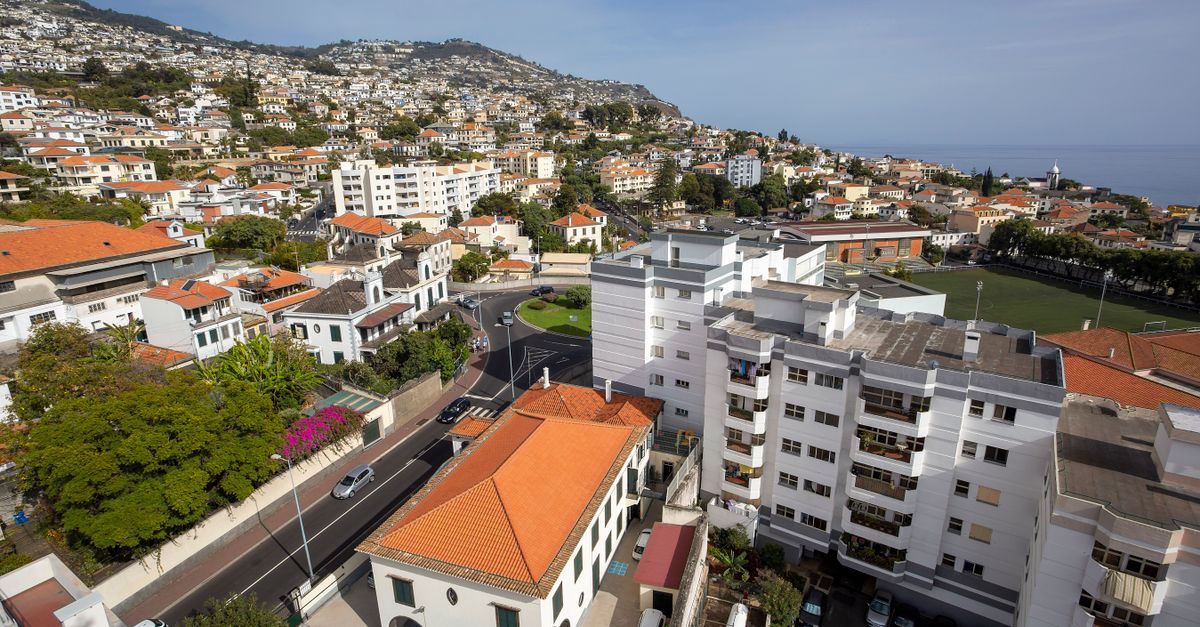
Funchal
Madeira's capital — a bay city of markets, gardens, wine lodges, and a tiled old town with a spectacular New Year's fireworks show.


Madeira
A subtropical volcanic island of levadas, peaks, Laurisilva forest and a year-round spring climate — a destination guide in itself.
Where it sits











More wine in Madeira

Blandy's Wine Lodge
The Blandy family's Madeira lodge in central Funchal serves as a primary site for Madeira production, containing a museum and cooperage, with guided tastings of four grape styles from Sercial to Malvasia.

D'Oliveiras
A Funchal lodge holding stocks of Madeira dating to the 1850s. It operates as an old-school tasting room for collectors seeking vintage bottles.

Henriques & Henriques
One of the oldest Madeira houses (founded 1850), now with a modern winery at Câmara de Lobos and its own vineyards — unusual on the island — producing a full range including rare Terrantez.