Things to do

Culture

Roman towns, Moorish tiles, Manueline monasteries, and hilltop castles — Portugal's built history is dense and specific. These are the monuments and sites that earn a detour, with an honest take on which are essential and which are optional.

121 places

Porto & North

29 places
Semana Santa (Braga)
Essential
Festival· Porto & North

Semana Santa (Braga)

Semana Santa in Braga is the most authentic and solemn display of religious devotion in Portugal, transforming the city into a living theater of ancient liturgical processions. It is an essential cultural experience for those looking to witness the deep-rooted spiritual identity of the Minho region.
Romaria de São Torcato
Recommended
Festival· Porto & North

Romaria de São Torcato

The Romaria de São Torcato is a deeply traditional religious and cultural pilgrimage held in Guimarães, honoring the region's first bishop. It is a quintessential Minho experience characterized by grand religious processions and authentic folk energy.

Caretos de Podence (Entrudo)
Essential
Cultural Tradition· Porto & North

Caretos de Podence (Entrudo)

The Caretos de Podence are UNESCO-recognized masqueraded figures who dominate the village of Podence during Carnival, embodying ancestral pagan spirits through raucous, bell-clanging revelry. It is a rare, living link to Iberian pre-Roman traditions that transforms a quiet Transmontano village into a sensory explosion of color and sound.

Festa de São João (Porto)
Essential
Festival· Porto & North

Festa de São João (Porto)

Festa de São João is Porto's wild, street-wide celebration of Saint John the Baptist that transforms the city into an open-air party of plastic hammers, leeks, and fireworks. It is the defining cultural experience of the city, blending sacred traditions with a chaotic, high-energy festival atmosphere.

Romaria de Nossa Senhora d'Agonia
Essential
Festival· Porto & North

Romaria de Nossa Senhora d'Agonia

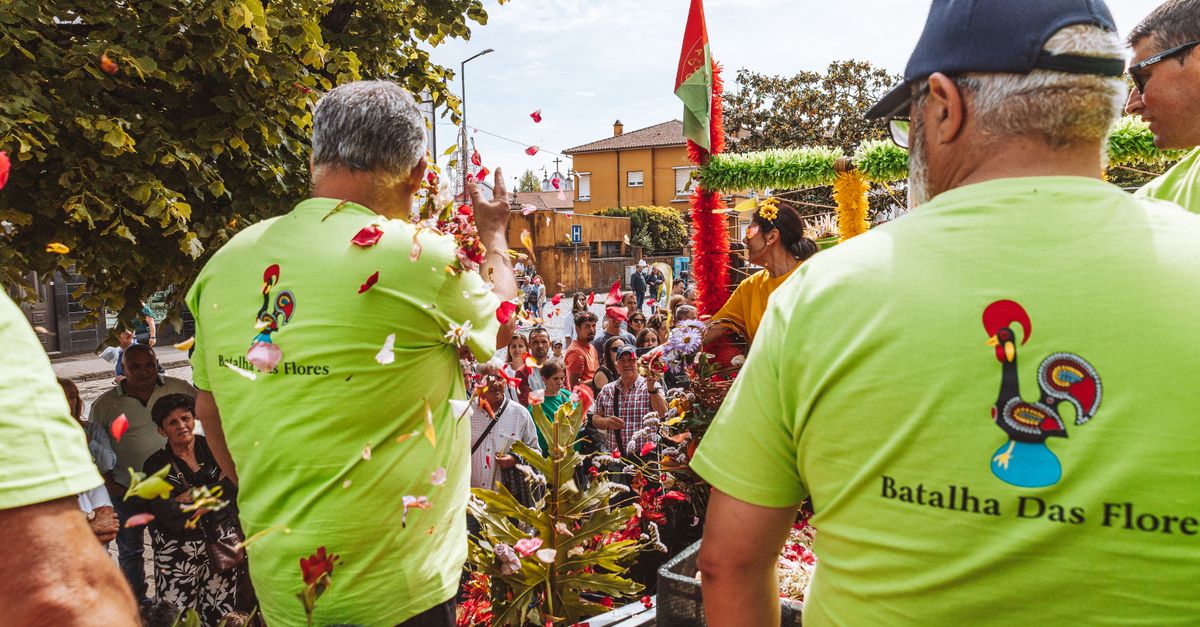
The Romaria de Nossa Senhora d'Agonia is one of Portugal's most spectacular religious festivals, celebrated with elaborate traditional costumes, gold-heavy jewelry, and flower-carpeted streets. It is an essential immersion into the deep-rooted folklore and maritime devotion of the Minho region.

Ponte Medieval de Ponte de Lima
Recommended
Historic Site· Porto & North

Ponte Medieval de Ponte de Lima

Straddling the Lima River, this iconic structure is a masterwork of Roman and Medieval engineering and the namesake of Portugal's oldest town. It remains the most photogenic landmark in the Minho region, serving as both a functional bridge and a tangible piece of national history.

Mosteiro da Serra do Pilar
Recommended
Monastery· Porto & North

Mosteiro da Serra do Pilar

Perched high on a cliff in Vila Nova de Gaia, this 16th-century former monastery offers the most iconic, uninterrupted panoramic views of Porto and the Douro River. Its unique circular church and stark Mannerist architecture serve as a stoic counterpoint to the vibrant historic city center across the water.

Mosteiro de Leça do Balio
Recommended
Monastery· Porto & North

Mosteiro de Leça do Balio

The Mosteiro de Leça do Balio is a remarkable example of Gothic fortified architecture in Northern Portugal, serving as the former seat of the Order of the Hospitallers. It remains a spiritual and historical beacon along the Portuguese Way of St. James.

Sé de Braga
Essential
Cathedral· Porto & North

Sé de Braga

As Portugal’s oldest cathedral, the Sé de Braga is a stunning architectural palimpsest that traces the nation's religious history from the Romanesque to the Baroque. It serves as the spiritual heart of the 'Rome of Portugal,' showcasing an incredibly dense collection of artistic and ecclesiastical treasures.

Paço dos Duques de Bragança
Essential
Palace· Porto & North

Paço dos Duques de Bragança

The Paço dos Duques de Bragança is a stately 15th-century palace in Guimarães that serves as a profound monument to the origins of the Portuguese nation. Its distinct Burgundian-influenced architecture and extensive collection of tapestries make it one of the region's most significant cultural landmarks.

Igreja de Nossa Senhora da Oliveira
Essential
Church· Porto & North

Igreja de Nossa Senhora da Oliveira

The Igreja de Nossa Senhora da Oliveira is the spiritual anchor of Guimarães’ medieval center, renowned for its distinctive Gothic Padrão do Salado monument sitting directly in front. It serves as a stunning example of regional religious architecture and stands as one of the most recognizable landmarks in the historic city.

Santuário de Santa Luzia
Essential
Monument· Porto & North

Santuário de Santa Luzia

Perched high above Viana do Castelo, this neo-Byzantine sanctuary offers perhaps the most spectacular panoramic view in all of northern Portugal. It is a striking landmark that marries grand religious architecture with breathtaking vistas of the Lima River and the Atlantic Ocean.

Santuário de Nossa Senhora d'Agonia
Recommended
Monument· Porto & North

Santuário de Nossa Senhora d'Agonia

Perched above Viana do Castelo, this 18th-century sanctuary is a masterpiece of Baroque religious architecture and the spiritual heart of the city. It is most famous for its association with the Romaria de Nossa Senhora d'Agonia, one of Portugal’s most iconic folk festivals.

Santuário de Nossa Senhora dos Remédios
Essential
Monument· Porto & North

Santuário de Nossa Senhora dos Remédios

Perched dramatically above Lamego, this 18th-century rococo sanctuary is famous for its monumental staircase adorned with vibrant blue-and-white azulejos. It remains one of Portugal's most significant pilgrimage sites and a masterpiece of Baroque landscape integration.

São Bento Station
Essential
Historic Site· Porto & North

São Bento Station

São Bento Station is a masterpiece of early 20th-century architecture, celebrated for its breathtaking foyer lined with over 20,000 traditional Portuguese azulejo tiles. It serves as both a functional transport hub and one of Porto’s most significant cultural landmarks.

Muralhas Fernandinas
Recommended
Historic Site· Porto & North

Muralhas Fernandinas

The Muralhas Fernandinas represent the remnants of the 14th-century defensive walls that once encircled Porto. These fragmented stone fortifications offer a tangible link to the city's medieval past and provide some of the most dramatic vantage points over the Douro River.

Casa da Música
Recommended
Monument· Porto & North

Casa da Música

Designed by Rem Koolhaas, Casa da Música is a daring feat of contemporary architecture and the premier venue for classical and experimental music in Porto. Its irregular, faceted form has become a definitive icon of the city's modern identity.

Museu Nacional Soares dos Reis
Recommended
Museum· Porto & North

Museu Nacional Soares dos Reis

Housed in the neoclassical Palácio dos Carrancas, the Museu Nacional Soares dos Reis is Portugal's first national museum. It features a distinguished collection of 19th-century Portuguese art, including the iconic sculptures of António Soares dos Reis.

Bom Jesus do Monte
Essential
Monument· Porto & North

Bom Jesus do Monte

Bom Jesus do Monte is a magnificent UNESCO World Heritage sanctuary located on a wooded hillside overlooking Braga. It is most famous for its dramatic, double-staircase Baroque zigzagged stairway, an iconic masterpiece of Portuguese architecture.

Santuário do Sameiro
Recommended
Monument· Porto & North

Santuário do Sameiro

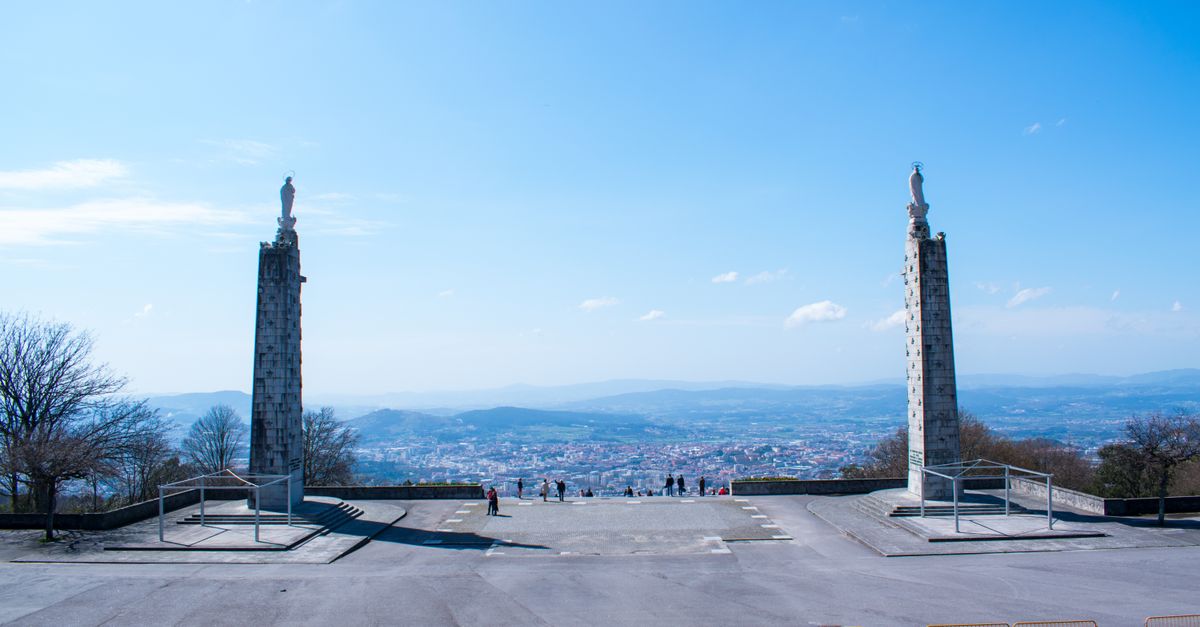
Perched on a hilltop overlooking Braga, the Santuário do Sameiro is one of Portugal's largest and most significant Marian shrines. Its neoclassical architecture and expansive staircase offer a dramatic sense of scale and breathtaking views across the Minho region.

Capela das Almas
Recommended
Church· Porto & North

Capela das Almas

The Capela das Almas, or Chapel of Souls, is an iconic Porto landmark defined by its stunning exterior facade covered in nearly 16,000 traditional blue-and-white azulejo tiles. It serves as a visual masterpiece reflecting the city’s deep-rooted ceramic heritage.

Igreja de Santo Ildefonso
Recommended
Church· Porto & North

Igreja de Santo Ildefonso

Perched atop a hill near Batalha Square, the Igreja de Santo Ildefonso is a striking 18th-century church defined by its magnificent facade of thousands of hand-painted blue-and-white azulejo tiles. It serves as a quintessential example of Porto's unique architectural identity.

Palácio da Bolsa
Essential
Palace· Porto & North

Palácio da Bolsa

Built by the Porto Commercial Association, the Palácio da Bolsa is a stunning 19th-century neoclassical monument that served as the city's stock exchange. It stands as a testament to Porto's merchant wealth and grandeur, anchored by the breathtaking, Moorish-revival Salão Árabe.

Sé do Porto
Essential
Cathedral· Porto & North

Sé do Porto

Perched on the highest point of the city, the Porto Cathedral (Sé do Porto) is a fortified Romanesque-Gothic hybrid that anchors the historical heart of Porto. It remains a powerful symbol of the city's religious and architectural evolution over the last nine centuries.

Igreja de São Francisco
Essential
Church· Porto & North

Igreja de São Francisco

Igreja de São Francisco is a stunning example of Gothic architecture transformed into an opulent Baroque masterpiece, famous for its intricate, gold-leaf-covered wood carvings. It stands as the most prominent Gothic church in Porto and a testament to the city's historical wealth.

Igreja do Carmo
Essential
Church· Porto & North

Igreja do Carmo

Igreja do Carmo is an iconic 18th-century Baroque church in Porto, globally recognized for its breathtaking blue-and-white azulejo facade. It serves as a visual centerpiece of the city's religious heritage.

Clérigos Tower
Recommended
Monument· Porto & North

Clérigos Tower

The 76-meter baroque bell tower that defines Porto's skyline, by Nicolau Nasoni.

Livraria Lello
Recommended
Historic Site· Porto & North

Livraria Lello

Porto's famously beautiful neo-gothic bookshop, with a forked crimson staircase.

Central Portugal

24 places
Fado de Coimbra
Essential
Cultural Tradition· Central Portugal

Fado de Coimbra

Fado de Coimbra is a unique, melancholic musical tradition performed by male students and alumni of the University of Coimbra, often singing of lost love, student life, and social protest. It's an essential part of the city's identity and offers a profound glimpse into Portuguese soul.

Entrudo de Lazarim
Recommended
Cultural Tradition· Central Portugal

Entrudo de Lazarim

Entrudo de Lazarim is a deeply archaic and raw Carnival celebration defined by devilish wooden masks and satirical poetry. It remains one of the most authentic and visceral folk traditions in Portugal, centered on the unique craft of local mask-makers.

Festa dos Tabuleiros (Tomar)
Essential
Festival· Central Portugal

Festa dos Tabuleiros (Tomar)

The Festa dos Tabuleiros is a spectacular, rare quadrennial celebration in Tomar dedicated to the Holy Spirit, characterized by a massive procession of women balancing towering, flower-laden headdresses. It is one of Portugal's most visually arresting and ancient folk traditions.

Peregrinação a Fátima
Optional
Festival· Central Portugal

Peregrinação a Fátima

The Peregrinação a Fátima is one of the world's most significant Catholic pilgrimages, drawing hundreds of thousands to the Sanctuary of Fátima to mark the reported 1917 apparitions of the Virgin Mary. It is a profound, solemn, and visually striking demonstration of faith that anchors the cultural identity of Central Portugal.

Carnaval de Torres Vedras
Essential
Festival· Central Portugal

Carnaval de Torres Vedras

Carnaval de Torres Vedras is widely considered Portugal's most authentic and spontaneous Carnival celebration, ditching high-gloss sambadromes for a satirical, raucous street party. It is defined by its egalitarian spirit, where the 'Matrafonas'—men dressed in outlandish female attire—rule the streets.

Castelo de Monsanto
Recommended
Castle· Central Portugal

Castelo de Monsanto

Perched precariously atop a jagged granite mountain, the ruins of Castelo de Monsanto offer a dramatic window into Portugal's border defense history. The site provides unparalleled panoramic views over the plains extending toward the Spanish border.

Forte de São João Baptista
Recommended
Historic Site· Central Portugal

Forte de São João Baptista

Perched on the rugged Berlenga Grande island, this 17th-century fortress is a masterpiece of maritime defense isolated by the Atlantic. It remains one of Portugal's most visually arresting landmarks, accessible only by a boat ride through often turbulent waters.

Santuário de Nossa Senhora da Nazaré
Recommended
Monument· Central Portugal

Santuário de Nossa Senhora da Nazaré

Perched on the dramatic clifftop of Sítio, the Santuário de Nossa Senhora da Nazaré is a historic sanctuary renowned for its connection to the legend of D. Fuas Roupinho. It serves as a spiritual anchor for the maritime community and offers some of the most iconic views of the Portuguese coastline.

Catedral de Aveiro
Recommended
Cathedral· Central Portugal

Catedral de Aveiro

Formally the Cathedral of Saint Dominic, this 15th-century landmark in Aveiro is a fine example of Portuguese Baroque architecture. It remains a tranquil, spiritual centerpiece within the historic city center.

Museu de Aveiro
Essential
Museum· Central Portugal

Museu de Aveiro

Housed within the 15th-century Convent of Jesus, this museum offers an exquisite look at religious art, gilded woodcarvings, and the life of Princess Saint Joana. It stands as the definitive cultural anchor of Aveiro, showcasing the city's profound monastic heritage.

Santuário de Fátima
Recommended
Monument· Central Portugal

Santuário de Fátima

The Sanctuary of Fátima is one of the world's most significant Catholic pilgrimage sites, marking the location where three local shepherd children reported apparitions of the Virgin Mary in 1917. It is a sprawling, profound complex that serves as the spiritual heart of modern Portugal.

Conímbriga
Recommended
Archaeological Site· Central Portugal

Conímbriga

Conímbriga stands as one of the best-preserved Roman settlements in Portugal, offering an intimate look at the daily lives of ancient Iberians. It is most famous for its extraordinary collection of intricate floor mosaics that remain largely in their original positions.

Sé Nova de Coimbra
Recommended
Cathedral· Central Portugal

Sé Nova de Coimbra

Perched atop the city's highest point, the Sé Nova de Coimbra serves as a majestic architectural anchor and a testament to the Jesuit influence on Portuguese religious history. Its imposing Mannerist facade and serene interior offer a contemplative counterpoint to the bustling university district below.

Igreja de Santa Cruz
Essential
Church· Central Portugal

Igreja de Santa Cruz

As the final resting place of Portugal’s first two kings, the Igreja de Santa Cruz is a masterpiece of Manueline architecture and a cornerstone of Portuguese national identity. Its ornate limestone facade and intricately carved pulpit are among the finest examples of the country's early 16th-century decorative style.

Mosteiro de Santa Clara-a-Velha
Recommended
Monastery· Central Portugal

Mosteiro de Santa Clara-a-Velha

This hauntingly preserved 14th-century Gothic monastery was famously abandoned due to recurring floods from the Mondego River. Today, it serves as a unique archaeological site where visitors can walk through partially submerged ruins protected by modern engineering.

Portugal dos Pequenitos
Recommended
Monument· Central Portugal

Portugal dos Pequenitos

Portugal dos Pequenitos is a charming miniature theme park in Coimbra featuring scale models of traditional Portuguese architecture and monuments. It serves as an educational and nostalgic window into the nation's cultural heritage and history.

Castelo de Óbidos
Essential
Castle· Central Portugal

Castelo de Óbidos

Perched atop a hill and encircled by iconic fortified walls, the Castelo de Óbidos is a remarkably preserved medieval stronghold that defines the town's historic skyline. It stands as one of Portugal’s finest examples of military architecture, now housing a prestigious pousada.

Igreja de Santa Maria
Recommended
Church· Central Portugal

Igreja de Santa Maria

Situated in the heart of the walled town of Óbidos, this historic church is celebrated for its stunning 17th-century azulejos and the poignant tomb of the Lord of the Manor. It serves as a beautiful anchor for the town's religious architecture.

Convento de Cristo
Essential
Monastery· Central Portugal

Convento de Cristo

The Convento de Cristo in Tomar is a sprawling, UNESCO-listed architectural masterpiece that served as the headquarters for the Knights Templar. It remains one of the most significant historical monuments in Portugal, blending Romanesque, Gothic, Manueline, and Renaissance styles.

Castelo de Tomar
Essential
Castle· Central Portugal

Castelo de Tomar

The Convento de Cristo in Tomar is a sprawling monastic complex that served as the headquarters for the Knights Templar. It is a masterclass in architectural evolution, blending Romanesque, Gothic, Manueline, and Renaissance styles.

Sé Velha de Coimbra
Essential
Cathedral· Central Portugal

Sé Velha de Coimbra

The Sé Velha is a formidable fortress-like cathedral that stands as one of the finest examples of Romanesque architecture in Portugal. Perched atop the steep streets of Coimbra, its austere design and well-preserved cloister offer a profound link to the city's medieval heritage.

Batalha Monastery
Essential
Monastery· Central Portugal

Batalha Monastery

The Manueline-Gothic monastery of Santa Maria da Vitória, built to thank God for a battle won in 1385.

Alcobaça Monastery
Essential
Monastery· Central Portugal

Alcobaça Monastery

Portugal's largest church and the purest Cistercian abbey in the country, founded 1153.

Lisbon

26 places
Festas de Lisboa (Santo António)
Essential
Festival· Lisbon

Festas de Lisboa (Santo António)

Festas de Lisboa is a month-long celebration culminating in the feast of St. Anthony, transforming the city's historic quarters into vibrant, street-party districts. It is the definitive expression of Lisbon's identity, characterized by aromatic grilled sardines, music, and communal festivities.

Rock in Rio Lisboa
Optional
Festival· Lisbon

Rock in Rio Lisboa

Rock in Rio Lisboa is one of the world's largest music festivals, transforming Lisbon's Parque da Bela Vista into a massive open-air city of music and entertainment. It brings global superstars and high-energy production to the Portuguese capital every two years.

Festa do Mar (Cascais)
Optional
Festival· Lisbon

Festa do Mar (Cascais)

Festa do Mar is an annual August cultural festival in Cascais that blends religious tradition with a lively summer concert series. It serves as a community anchor that brings residents and visitors together along the waterfront for music and maritime celebrations.

Fado (Lisbon)
Essential
Cultural Tradition· Lisbon

Fado (Lisbon)

Fado is the soul of Lisbon, a hauntingly beautiful musical tradition defined by 'saudade'—a profound sense of longing and melancholic nostalgia. It is an essential UNESCO-recognized cultural pillar that connects visitors directly to the city's maritime history and emotional depth.

Santuário Nacional de Cristo Rei
Recommended
Monument· Lisbon

Santuário Nacional de Cristo Rei

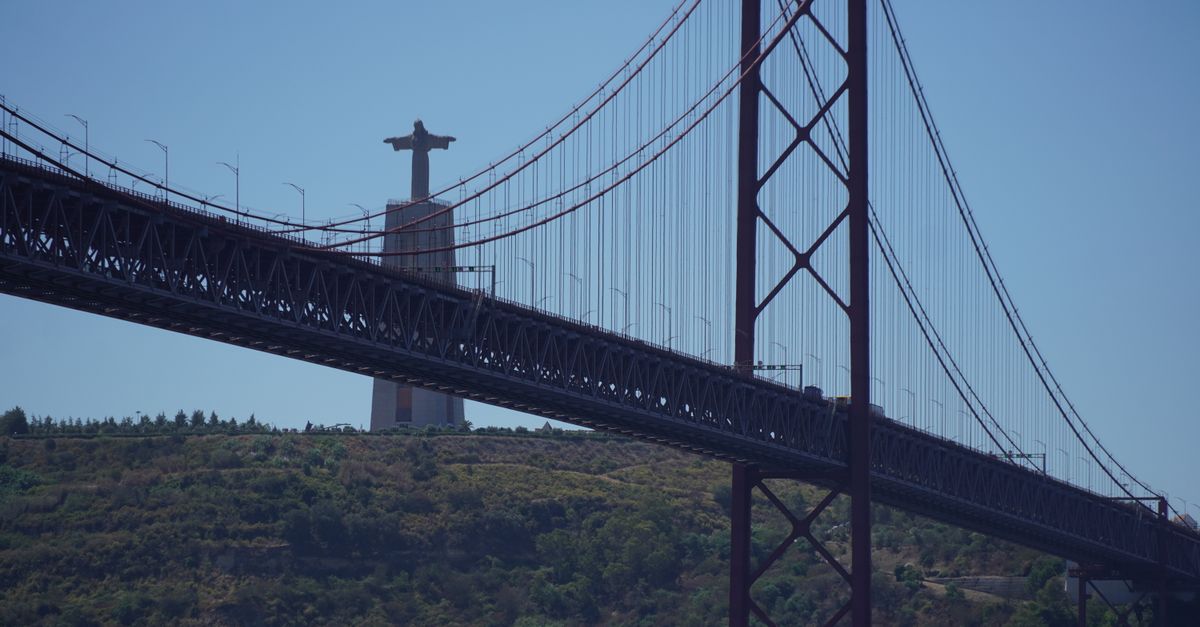
Standing tall on the southern bank of the Tagus, the Santuário Nacional de Cristo Rei is an iconic monument inspired by Rio de Janeiro's Christ the Redeemer. It offers one of the most comprehensive panoramic views of Lisbon, the 25 de Abril Bridge, and the river estuary.

Aqueduto das Águas Livres
Recommended
Historic Site· Lisbon

Aqueduto das Águas Livres

The Aqueduto das Águas Livres is a monumental 18th-century engineering feat that spans the Alcântara valley with its iconic, soaring stone arches. It remains one of the most recognizable silhouettes in Lisbon and a rare example of a structure that survived the devastating 1755 earthquake intact.

Palácio Nacional da Ajuda
Recommended
Palace· Lisbon

Palácio Nacional da Ajuda

The Palácio Nacional da Ajuda is a vast, unfinished neoclassical residence that served as the final home of the Portuguese royal family. It offers an authentic, opulent glimpse into 19th-century court life, preserved largely as it was during the Monarchy.

Museu Nacional de Arte Antiga
Essential
Museum· Lisbon

Museu Nacional de Arte Antiga

The Museu Nacional de Arte Antiga is Portugal's premier fine arts museum, housing the country's most significant collection of painting, sculpture, and decorative arts from the Middle Ages to the 19th century. It is the definitive institution for understanding Portuguese identity through its masterpieces of the Age of Discovery.

Museu Nacional do Azulejo
Essential
Museum· Lisbon

Museu Nacional do Azulejo

Housed within the stunning 16th-century Madre de Deus Convent, this museum offers the world's most comprehensive collection of Portuguese decorative ceramic tiles. It is a vital institution for understanding the visual history and cultural identity of Lisbon.

MAAT — Museu de Arte, Arquitetura e Tecnologia
Recommended
Museum· Lisbon

MAAT — Museu de Arte, Arquitetura e Tecnologia

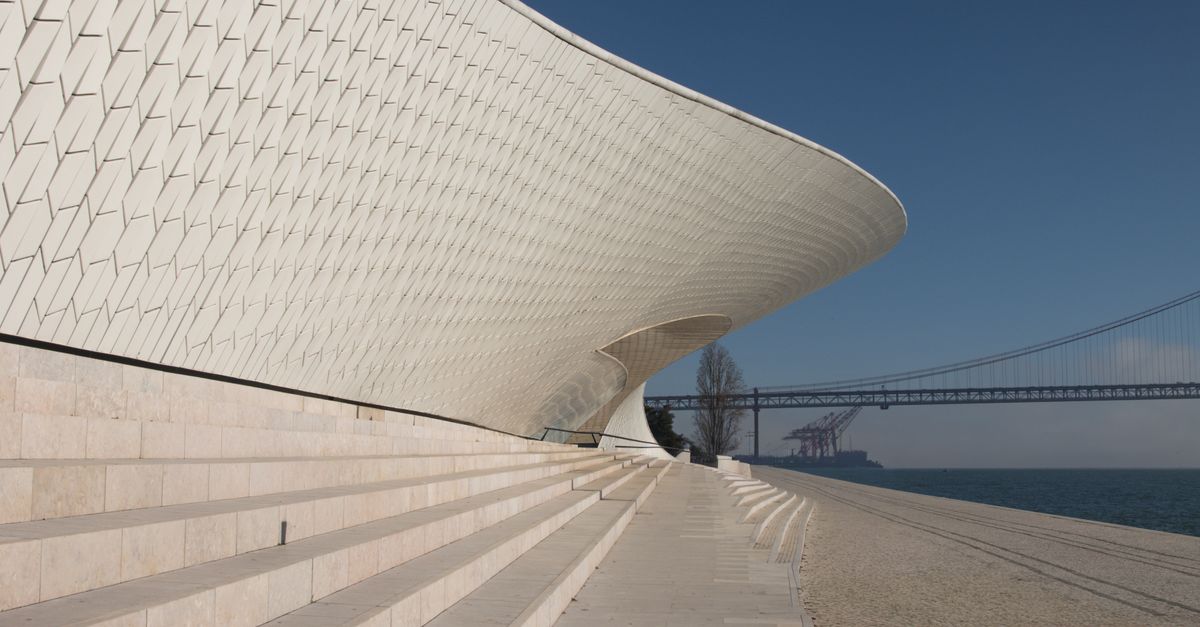
MAAT is a striking contemporary landmark in Belém that bridges art, architecture, and technology within a futuristic structure designed by AL_A. It seamlessly integrates a state-of-the-art exhibition hall with the preserved industrial legacy of the historic Tejo Power Station.

Convento do Carmo
Essential
Historic Site· Lisbon

Convento do Carmo

The haunting, roofless ruins of the Convento do Carmo stand as Lisbon's most visceral reminder of the devastating 1755 earthquake. It now serves as an archaeological museum, housing an eclectic collection of artifacts under the dramatic open sky.

Sé de Lisboa
Essential
Cathedral· Lisbon

Sé de Lisboa

Lisbon's oldest and most iconic church, the Sé de Lisboa, is a sturdy fortress-like cathedral that has defined the city's skyline since the 12th century. It stands as a powerful testament to the resilience of the Alfama district, having survived numerous earthquakes and historical upheavals.

Mosteiro de São Vicente de Fora
Recommended
Monastery· Lisbon

Mosteiro de São Vicente de Fora

The Mosteiro de São Vicente de Fora is a grand 17th-century Mannerist monastery that stands as one of Lisbon’s most significant architectural and historical landmarks. It is renowned for its profound collection of azulejos and the serene Royal Pantheon of the Braganza dynasty.

Panteão Nacional (Santa Engrácia)
Recommended
Monument· Lisbon

Panteão Nacional (Santa Engrácia)

The Panteão Nacional, housed within the monumental 17th-century Church of Santa Engrácia, serves as the final resting place for Portugal’s most illustrious figures. Its iconic white dome is a dominant feature of the Lisbon skyline and offers one of the city's finest panoramic vantage points.

Igreja de São Roque
Essential
Church· Lisbon

Igreja de São Roque

Igreja de São Roque is an unassuming 16th-century Mannerist church in Bairro Alto that conceals one of the most opulent Baroque interiors in Europe. It serves as a masterpiece of Portuguese Jesuit architecture and art history.

Castelo de São Jorge
Essential
Castle· Lisbon

Castelo de São Jorge

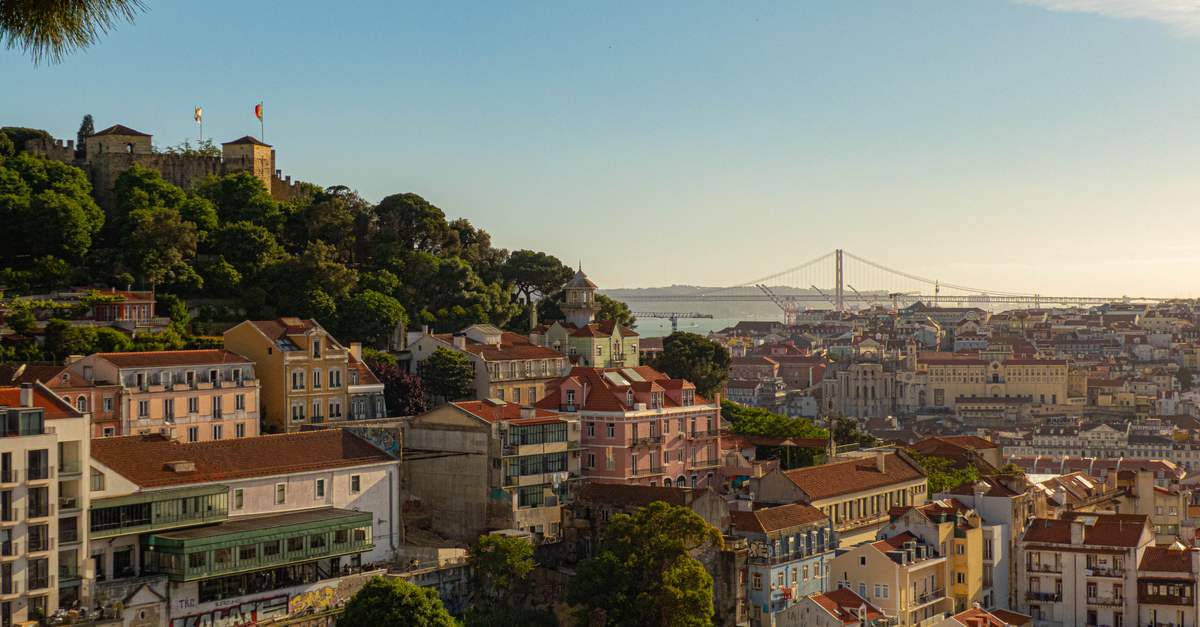
Perched atop Lisbon’s highest hill, Castelo de São Jorge offers the most iconic panoramic views of the city and the Tagus River. This historic fortress serves as a vital touchstone for understanding Lisbon's layered evolution from Moorish stronghold to royal residence.

Elevador de Santa Justa
Recommended
Monument· Lisbon

Elevador de Santa Justa

The Elevador de Santa Justa is a neo-Gothic iron elevator designed by a student of Gustave Eiffel that links Lisbon's Baixa district to the higher-altitude Largo do Carmo. It serves as both an ingenious piece of public transport and an iconic symbol of the city's Industrial Age architecture.

Castelo dos Mouros
Recommended
Castle· Lisbon

Castelo dos Mouros

Perched high above Sintra, the 8th-century Moorish Castle offers dramatic stone fortifications and some of the most spectacular panoramic views in Portugal. It is a rugged, atmospheric site that feels worlds apart from the opulence of nearby palaces.

Palácio Nacional de Sintra
Essential
Palace· Lisbon

Palácio Nacional de Sintra

The Palácio Nacional de Sintra serves as the best-preserved medieval royal residence in Portugal, defined by its iconic twin conical chimneys and rich collection of Mudéjar tiles. It stands as the historic heart of the town, bridging the gap between Moorish roots and the Manueline opulence of the Portuguese Renaissance.

Palácio de Monserrate
Recommended
Palace· Lisbon

Palácio de Monserrate

Palácio de Monserrate is a mesmerizing 19th-century villa that blends Gothic, Indian, and Moorish architectural motifs within one of the most significant botanical gardens in Portugal. It stands as a sublime example of Romantic-era exoticism tucked away from the main tourist throng of Sintra.

Palácio de Seteais
Recommended
Palace· Lisbon

Palácio de Seteais

Palácio de Seteais is a neoclassical 18th-century palace turned luxury hotel, set against the dramatic, mist-covered backdrop of the Sintra mountains. It is a defining landmark of the town's romantic architectural legacy, famous for its grand triumphal arch and panoramic views of the Pena Palace.

Convento dos Capuchos
Recommended
Monastery· Lisbon

Convento dos Capuchos

Deep within the forested hills of the Serra de Sintra, the Convento dos Capuchos is a stark, moss-covered 16th-century monastery where Franciscan monks once lived in extreme asceticism. Its rugged architecture, characterized by cork-lined cells and stone-hewn spaces, offers a profound contrast to the opulent palaces nearby.

Belém Tower
Essential
Monument· Lisbon

Belém Tower

The fortified departure point of the Portuguese explorers, on the Tagus.

Pena Palace
Essential
Palace· Lisbon

Pena Palace

The candy-colored Romanticist palace on a hill above Sintra — Portugal's most famous image.

Alentejo

14 places
Andanças (Redondo)
Recommended
Festival· Alentejo

Andanças (Redondo)

Andanças is a vibrant festival dedicated to world dances and music, fostering a sense of community through shared movement and cultural exchange. It stands out as one of Portugal's most significant cultural gatherings, emphasizing workshops, sustainability, and traditional folk heritage.

Mesquita de Mértola
Essential
Historic Site· Alentejo

Mesquita de Mértola

Once a 12th-century Almohad mosque, this site is a rare and striking architectural anomaly that served as the primary place of worship during the Islamic occupation of Mértola. It stands today as the Igreja de Nossa Senhora da Anunciação, preserving Islamic structural elements within a later Christian church.

Anta Grande do Zambujeiro
Recommended
Archaeological Site· Alentejo

Anta Grande do Zambujeiro

Anta Grande do Zambujeiro is one of the largest and most impressive megalithic dolmens in Europe, standing as a monumental testament to Neolithic civilization. Its massive granite stones provide an awe-inspiring glimpse into the funerary practices of prehistoric Iberia.

Castelo de Marvão
Essential
Castle· Alentejo

Castelo de Marvão

Perched precariously on the highest crest of the Serra de São Mamede, the Castelo de Marvão is a majestic 13th-century fortress offering unparalleled panoramic views over the Alentejo plains and the Spanish border. It serves as one of Portugal's most evocative examples of defensive military architecture integrated into a cliffside village.

Castelo de Monsaraz
Essential
Castle· Alentejo

Castelo de Monsaraz

Perched high above the Alentejo plains, this medieval walled village and castle offer an extraordinary vantage point over the Alqueva Dam. It is one of Portugal's most evocative remnants of frontier defense, preserved in time with white-washed schist streets.

Cromeleque dos Almendres
Essential
Archaeological Site· Alentejo

Cromeleque dos Almendres

Dating back to the 6th millennium BC, Cromeleque dos Almendres is the most significant megalithic site on the Iberian Peninsula. Its ensemble of nearly 100 granite monoliths arranged in a deliberate pattern provides a profound, tangible link to the Neolithic era.

Castelo de Estremoz
Recommended
Castle· Alentejo

Castelo de Estremoz

Dominating the Alentejo skyline, the 13th-century Castelo de Estremoz features a striking marble keep that serves as a testament to the town's regal and strategic military history. It remains one of the most imposing examples of medieval fortifications in the region, offering sweeping views of the surrounding countryside.

Aqueduto da Amoreira
Essential
Historic Site· Alentejo

Aqueduto da Amoreira

The Aqueduto da Amoreira is a colossal 16th-century engineering marvel that stretches over five miles to supply Elvas with water. It remains one of the most imposing examples of military and civilian hydraulic architecture in the Iberian Peninsula.

Castelo de Mértola
Recommended
Castle· Alentejo

Castelo de Mértola

Perched dramatically above the Guadiana River, the Castelo de Mértola serves as the fortified heart of one of Portugal's most historically layered towns. Its imposing walls and well-preserved keep offer a visceral look at the site's transition from Islamic stronghold to Christian outpost.

Templo Romano de Évora
Essential
Monument· Alentejo

Templo Romano de Évora

Perched in the heart of Évora’s historic center, this remarkably preserved 1st-century Roman temple stands as a testament to the region's ancient Lusitanian roots. Its iconic Corinthian columns serve as the defining visual anchor of this UNESCO World Heritage city.

Sé de Évora
Essential
Cathedral· Alentejo

Sé de Évora

The Sé de Évora is a formidable 13th-century granite fortress-cathedral that stands as the most important religious monument in the Alentejo. Its unique fusion of Romanesque and Gothic architecture makes it a defining silhouette against the Évora skyline.

Igreja de São Francisco
Essential
Church· Alentejo

Igreja de São Francisco

The Igreja de São Francisco is a stunning example of Gothic and Manueline architecture, most famous for its unsettling yet fascinating Capela dos Ossos. It stands as one of the most iconic landmarks in the historic heart of Évora.

Capela dos Ossos
Essential
Monument· Alentejo

Capela dos Ossos

This haunting 16th-century chapel, attached to the Church of Saint Francis in Évora, is famously lined with the bones and skulls of thousands of monks. It serves as a stark, memento mori meditation on the transience of life.

Paço Ducal de Vila Viçosa
Recommended
Palace· Alentejo

Paço Ducal de Vila Viçosa

The Paço Ducal de Vila Viçosa is the grand ancestral residence of the House of Braganza, the dynasty that ruled Portugal from 1640 until the abolition of the monarchy. It remains a striking example of the transition from military fortress to Renaissance palace architecture, housing a vast collection of royal memorabilia.

Algarve

14 places
Festival MED (Loulé)
Recommended
Festival· Algarve

Festival MED (Loulé)

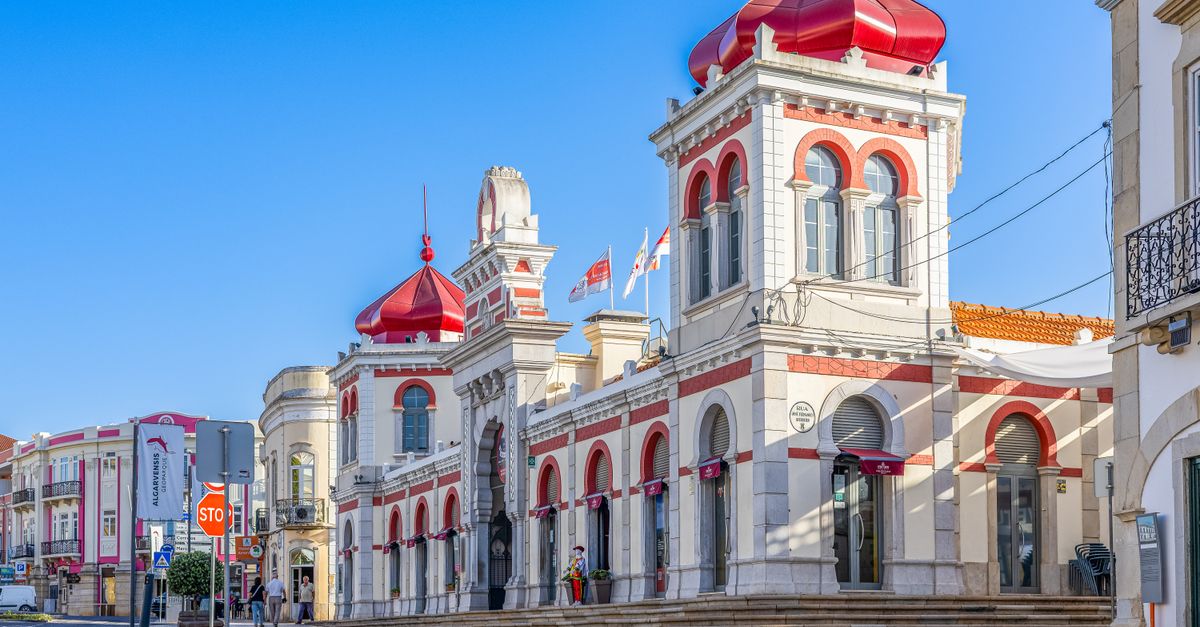
Festival MED is a vibrant multi-day celebration of world music and Mediterranean culture set within the historic, white-washed streets of Loulé’s old town. It transforms the sleepy municipality into an international cultural crossroads, blending diverse global rhythms with the authentic architecture of the Algarve interior.

Festival do Marisco (Olhão)
Recommended
Festival· Algarve

Festival do Marisco (Olhão)

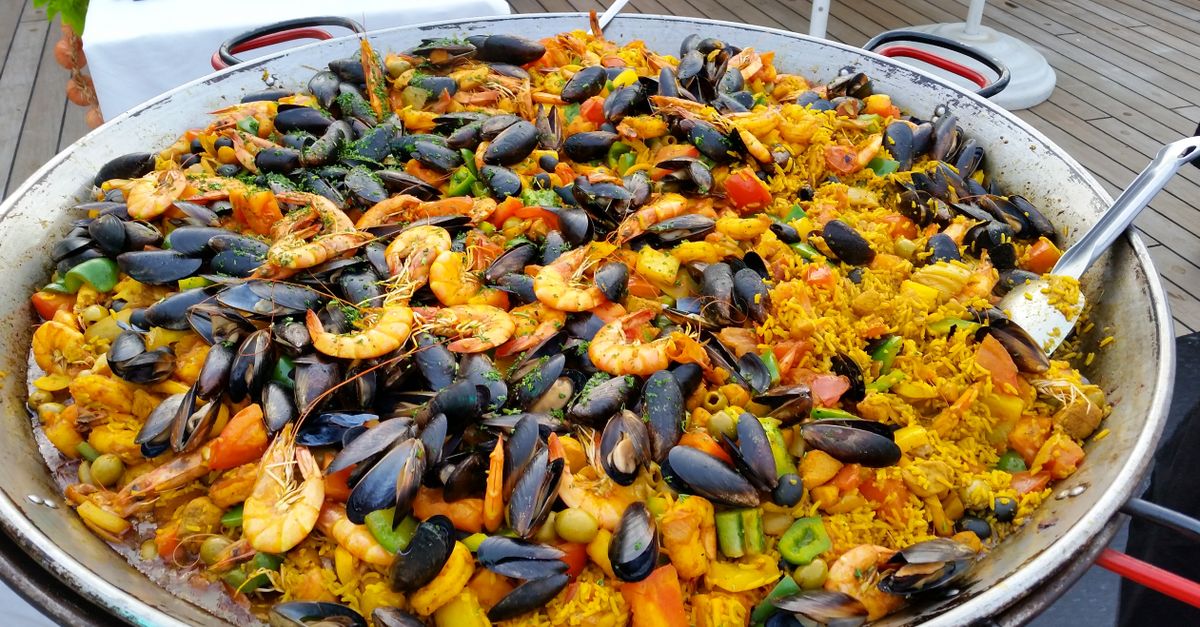
Held in the waterfront Jardim Pescador Olhanense, the Festival do Marisco is the Algarve's premier celebration of shellfish and coastal culinary heritage. It transforms the fishing port of Olhão into a massive open-air dining room, drawing thousands for fresh, locally sourced seafood and live musical performances.

Festas da Cidade de Faro
Recommended
Festival· Algarve

Festas da Cidade de Faro

The Festas da Cidade de Faro celebrates the anniversary of Faro's elevation to city status with a program of cultural events, concerts, and local traditions. It offers a glimpse into the city's heritage and contemporary life, drawing locals and visitors alike.

Cerro da Vila (Roman ruins)
Recommended
Archaeological Site· Algarve

Cerro da Vila (Roman ruins)

Cerro da Vila is a significant Roman archaeological site located in the heart of Vilamoura, featuring the remnants of a luxurious villa, baths, and fish-salting tanks. It offers a rare, tranquil glimpse into the Roman occupation of the Algarve amidst the modern resort landscape.

Fortaleza de Sagres
Essential
Historic Site· Algarve

Fortaleza de Sagres

Perched on a dramatic wind-swept promontory, the Fortaleza de Sagres is a monumental fortress defining the rugged end of the Algarve. It serves as a profound symbol of Portugal's Age of Discovery, offering both historical weight and unparalleled Atlantic views.

Forte da Ponta da Bandeira
Recommended
Historic Site· Algarve

Forte da Ponta da Bandeira

This 17th-century fortification guards the harbor entrance of Lagos, offering a well-preserved window into the town's maritime defensive heritage. It is a compact but evocative site that balances historic military architecture with commanding views of the Atlantic coast.

Igreja de Santo António
Recommended
Church· Algarve

Igreja de Santo António

Tucked away in the historic center of Lagos, this 18th-century church is widely considered one of the most stunning examples of gilded woodcarving in the Algarve. Its unassuming exterior belies a Baroque interior that radiates opulence and religious devotion.

Castelo de Tavira
Recommended
Castle· Algarve

Castelo de Tavira

Perched on the highest point of Tavira, the ruins of this medieval fortress offer an evocative glimpse into the town's defensive past. Its stone walls and manicured gardens provide one of the most celebrated panoramic viewpoints across the terracotta rooftops of the Algarve.

Igreja de Santa Maria do Castelo
Recommended
Church· Algarve

Igreja de Santa Maria do Castelo

Perched atop the highest point in Tavira, this historic church is a masterpiece of the Portuguese Renaissance and Manueline transition. It stands as a silent sentinel over the Gilão River and the town's labyrinthine streets.

Palácio de Estoi
Recommended
Palace· Algarve

Palácio de Estoi

The Palácio de Estoi is a striking example of late 19th-century Neo-Rococo architecture, renowned for its ornate pink facade and terraced gardens. It stands as a beautifully restored testament to the opulent tastes of the Algarve's rural aristocracy.

Castelo de Silves
Essential
Castle· Algarve

Castelo de Silves

Castelo de Silves is the best-preserved Islamic-era fortification in the Algarve, standing as a dramatic red sandstone sentinel over the Arade River valley. It offers a rare, tangible link to the region's Moorish past through its imposing walls and iconic cisterns.

Sé de Silves
Recommended
Cathedral· Algarve

Sé de Silves

The Sé de Silves, or Silves Cathedral, is a striking example of Gothic architecture in the Algarve, constructed from iconic red sandstone known as gres de Silves. It stands as a powerful testament to the region's historical importance as the former capital of the Algarve.

Sé de Faro
Recommended
Cathedral· Algarve

Sé de Faro

The Sé de Faro serves as the ecclesiastical heart of the Algarve, blending layers of Gothic, Renaissance, and Baroque architectural styles within the city’s ancient walls. It remains a tranquil, culturally rich anchor in the historic Cidade Velha.

Igreja do Carmo (Capela dos Ossos)
Essential
Monument· Algarve

Igreja do Carmo (Capela dos Ossos)

This 18th-century Baroque church is renowned for its striking gold-leaf gilded interior and the macabre Capela dos Ossos, a chapel constructed from the bones of over 1,000 monks. It remains one of the most haunting and distinct cultural landmarks in the Algarve.

Madeira

7 places
Madeira New Year fireworks
Essential
Festival· Madeira

Madeira New Year fireworks

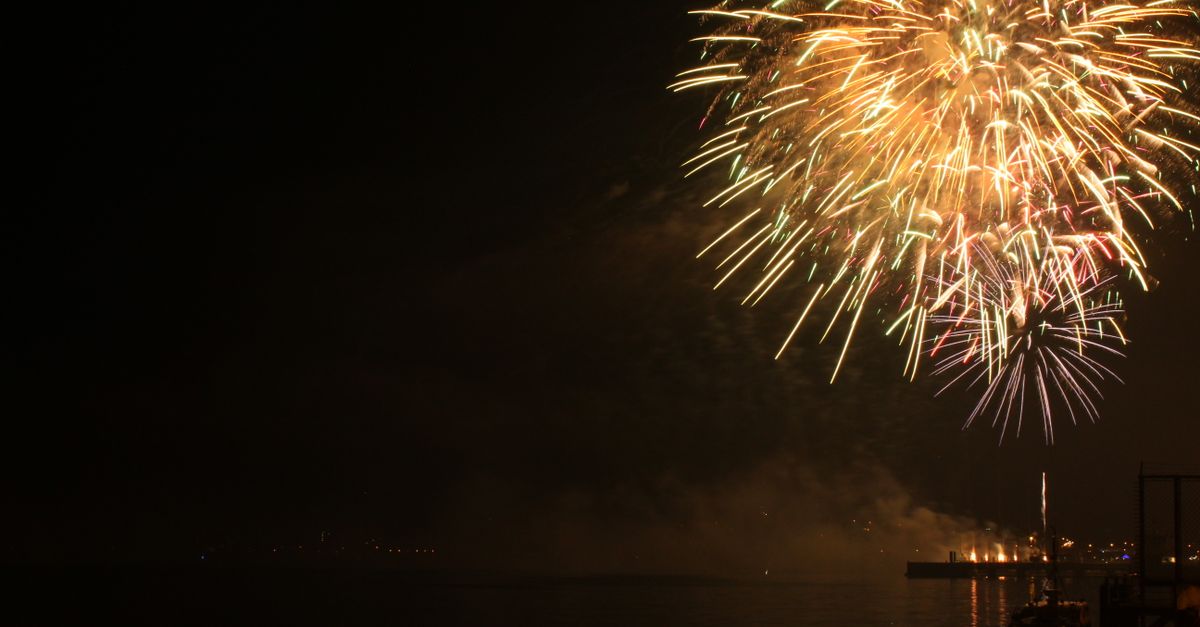
Madeira’s New Year’s Eve fireworks display is a world-record-holding pyrotechnic spectacle that illuminates the natural amphitheater of Funchal Bay. It is widely considered one of the most impressive New Year's celebrations globally due to the dramatic integration of light, sea, and mountainous geography.

Festa do Vinho da Madeira
Recommended
Festival· Madeira

Festa do Vinho da Madeira

The Festa do Vinho da Madeira is Madeira's premier wine festival, celebrating the island's fortified wine heritage with tastings, music, and cultural displays. It's a vital event for understanding and appreciating the unique terroir and history of Madeiran wine.

Festa da Flor (Madeira)
Essential
Festival· Madeira

Festa da Flor (Madeira)

The Festa da Flor is Madeira's vibrant spring tribute to its sub-tropical landscape, transforming Funchal into a kaleidoscopic spectacle of floral carpets and fragrant displays. It is the island's most famous cultural celebration, marking the arrival of spring with massive parades and intricate floral architecture.

Sé do Funchal
Essential
Cathedral· Madeira

Sé do Funchal

The Sé do Funchal is a masterpiece of Manueline architecture that serves as the spiritual heart of Madeira's capital. It remains one of the few structures from the island’s early colonial period to retain much of its original character.

Igreja do Colégio
Recommended
Church· Madeira

Igreja do Colégio

The Igreja do Colégio, or Church of São João Evangelista, is a stunning 17th-century Jesuit masterwork located in the heart of Funchal. It serves as one of the finest examples of Jesuit architecture in Portugal, featuring opulent gold-leaf carvings and elaborate azulejo tilework.

Forte de São Tiago
Recommended
Historic Site· Madeira

Forte de São Tiago

Forte de São Tiago is a vivid yellow 17th-century fortification guarding the harbor of Funchal. Today, it houses the city's Museum of Contemporary Art and offers stunning coastal views from its ramparts.

Igreja de São Pedro
Recommended
Church· Madeira

Igreja de São Pedro

The Igreja de São Pedro is a hidden Funchal gem renowned for its exquisite 17th-century azulejos and ornate baroque gilded woodwork. It serves as a quiet, atmospheric respite from the bustling city center just a short walk away.

Azores

7 places
Senhor Santo Cristo dos Milagres
Essential
Festival· Azores

Senhor Santo Cristo dos Milagres

The Festa do Senhor Santo Cristo dos Milagres is the most significant religious event in the Azores, featuring a massive, ornate procession through Ponta Delgada. It is a profound display of devotion, blending solemn liturgy with the vibrant, colorful spectacle of flowers and street carpets.

Festas do Espírito Santo
Essential
Cultural Tradition· Azores

Festas do Espírito Santo

The Festas do Espírito Santo are the defining cultural tradition of the Azores, involving elaborate community-led processions and charitable feasts centered around ornate 'impérios' chapels. It is a profound, living expression of Azorean social cohesion and religious devotion that remains largely untouched by mass tourism.

Fortaleza de São João Baptista
Essential
Historic Site· Azores

Fortaleza de São João Baptista

Occupying the dramatic Mount Brazil headland, this colossal 16th-century fortress remains one of the finest examples of military architecture in the Atlantic. It serves as a striking reminder of Terceira Island's strategic importance during the Philippine Dynasty and the Iberian Union.

Igreja Matriz de São Sebastião
Recommended
Church· Azores

Igreja Matriz de São Sebastião

The Igreja Matriz de São Sebastião is the principal church of Ponta Delgada, serving as a landmark of Azorean religious architecture. It is most famous for its elaborate Manueline doorway and its role as the starting point for the island's most significant religious processions.

Convento da Esperança
Recommended
Monastery· Azores

Convento da Esperança

The Convento da Esperança is a historic 16th-century religious site in Ponta Delgada, famous as the home of the sacred image of the Senhor Santo Cristo dos Milagres. It stands as a vital center of Azorean religious life and a masterpiece of Baroque architectural detail.

Forte de São Brás
Recommended
Historic Site· Azores

Forte de São Brás

Forte de São Brás is a formidable 16th-century fortress guarding the harbor of Ponta Delgada on the island of São Miguel. It serves as both an active military installation and a military museum documenting the maritime history of the Azores.

Sé de Angra do Heroísmo
Recommended
Cathedral· Azores

Sé de Angra do Heroísmo

The Sé de Angra do Heroísmo stands as a grand 16th-century monument and the religious heart of Terceira Island. It serves as the episcopal seat of the Azores and is a defining architectural landmark within the city's UNESCO-listed historic center.