Andanças (Redondo)
Andanças focuses on global dance and music, centering on workshops and traditional folk heritage. It functions as a participatory event where participants engage in movement rather than observing performances.
This is for those who prefer participatory, social events over passive concert attendance.

Why go
The structure removes the barrier between performer and participant. The schedule includes a rotation of workshops, live concerts, and informal jam sessions.
Why you might skip it
Those seeking luxury, high-comfort, or quiet accommodation will find the rustic, communal camping environment restrictive and noisy.
What to do
Participate in diverse dance workshops ranging from traditional Portuguese folk to international styles, join the spontaneous 'baile' sessions, and engage in the many cultural and environmental activities on offer.
What to eat
Expect high-quality, plant-forward, and locally sourced vegetarian food stalls that reflect the festival's commitment to sustainability, paired with local Alentejo wines.
History & origin
Launched in the late 1990s, the festival was created to promote global cultural heritage and social cohesion through the medium of dance, eventually moving to various locations in the Alentejo region to emphasize its connection to the Portuguese landscape.
Getting there & around
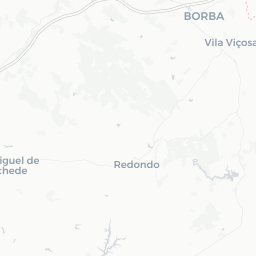
Reach the festival grounds by car from the A6 motorway, exiting toward Redondo. Public transport to the immediate vicinity is minimal; a personal vehicle or pre-arranged shuttle is necessary for arrival and equipment transport.
Common planning mistakes
Underestimating the intense daytime heat of the Alentejo interior and arriving without proper footwear for long hours of dancing on dusty or uneven ground.
Less ideal for
Travelers prioritizing amenities, those who dislike crowds, and anyone requiring accessible pathways, as the event grounds are often uneven.
Practical notes
Bring a reusable water bottle, high-SPF sunscreen, and earplugs if you are camping on-site, as the music often continues late into the night.
Where it sits




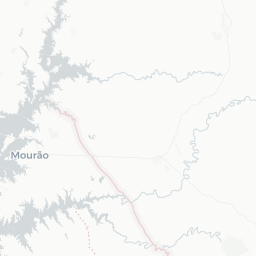
More history in Alentejo

Anta Grande do Zambujeiro
Anta Grande do Zambujeiro is a Neolithic dolmen composed of large granite slabs arranged into a chamber and corridor. It is one of the largest such structures in Europe.

Aqueduto da Amoreira
The Aqueduto da Amoreira is a 16th-century hydraulic structure extending over five miles to supply Elvas. It serves as a prominent example of regional water infrastructure from the Iberian Peninsula.

Capela dos Ossos
This 16th-century chapel, attached to the Church of Saint Francis in Évora, displays the bones and skulls of approximately 5,000 monks along its walls and pillars. It serves as a physical memento mori regarding the transience of life.

Castelo de Estremoz
Dominating the Alentejo skyline, the 13th-century Castelo de Estremoz features a marble keep that serves as a military fortification. It remains an example of medieval defensive construction, providing views of the surrounding countryside.

Castelo de Marvão
Sitting on the highest crest of the Serra de São Mamede, the 13th-century Castelo de Marvão provides views across the Alentejo plains to the Spanish border. It is a defensive structure integrated into a cliffside village.

Castelo de Mértola
Castelo de Mértola overlooks the Guadiana River, marking the center of a town defined by layers of occupation. Its walls and keep record the transition from an Islamic stronghold to a Christian military outpost.
We may earn a commission from bookings made through these links. It never changes what we recommend, or what we leave out.