Herdade da Calada
A 19th-century Alentejo estate near Borba, relaunched as a modern boutique winery making structured reds and crisp whites from the Évora sub-region; stylish on-site accommodation in a renovated farmhouse.
Boutique Alentejo reds and a stylish stay near Borba.
For boutique Alentejo reds and a stylish stay near Borba.
What's in the glass
The wines display an elegant structure defined by the unique granitic soils of the Évora sub-region. Reds are known for their depth and complexity, while the whites maintain a surprising degree of crispness and mineral tension despite the warm climate.
How it came to be
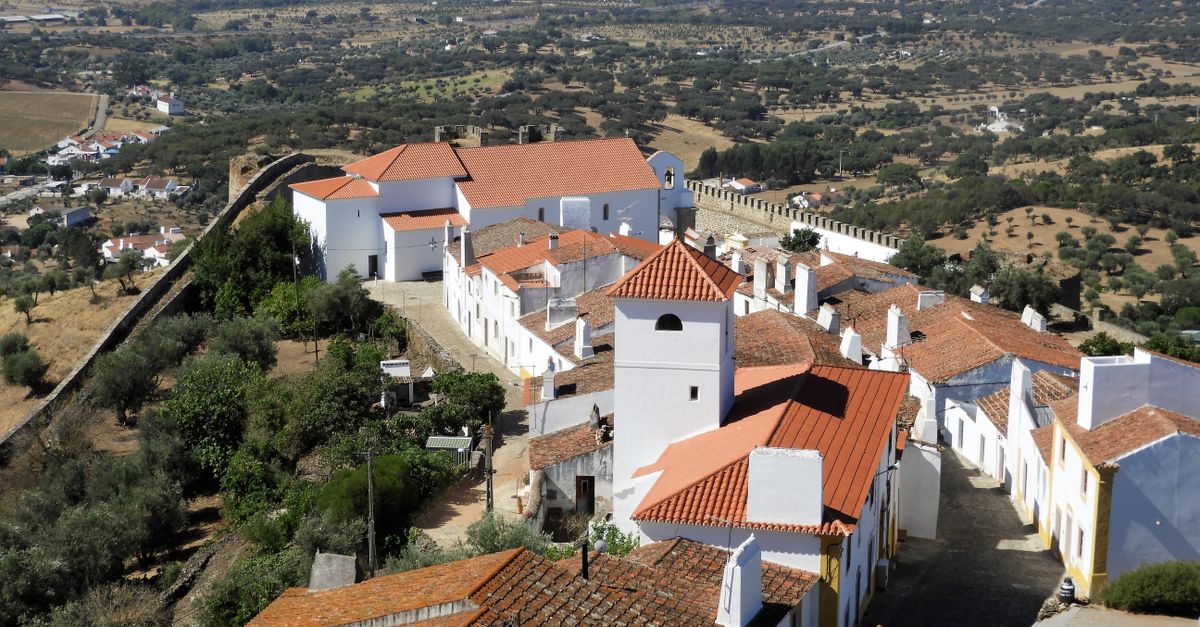
Established in the 19th century, this estate has long been a fixture of the Borba landscape. It has since undergone a careful modernization process that prioritized sustainable vineyard management while preserving the architectural integrity of the historical buildings. The estate now balances its rich agrarian history with contemporary standards of high-end winemaking.
Best for, and who should skip
Travelers seeking a peaceful, upscale retreat that combines boutique viticulture with on-site luxury accommodation.
Less ideal for: Travelers seeking a high-intensity resort experience or proximity to the coast, as the estate focuses on tranquil viticulture and quiet rural immersion in the interior Alentejo landscape.
Skip if: Visitors looking for large-scale production facilities or high-energy tourism may find the quiet, boutique nature of this estate too understated.
Tours, tastings & getting there
Visits are centered on the beautifully restored farmhouse, where the atmosphere blends quiet luxury with rustic agricultural roots. Guests can explore the vineyards or participate in organized tastings that focus on the estate's boutique, small-batch releases.
Getting there: 1.5 hr from Lisbon; near Borba.
Getting around: The estate grounds are best explored by walking through the manicured gardens that surround the primary guest house and winery.
Reservations for both accommodation and tastings should be made well in advance given the limited scale of the property.
When to go
April–October.
Year-round.
Allow: Half a day to overnight
Beyond the tasting room
Tour the winery, taste the reserve reds, and stay in the estate rooms.
Pair with


Açorda Alentejana
A bread, garlic and olive oil mash with a poached egg — the Alentejo's defining humble dish.

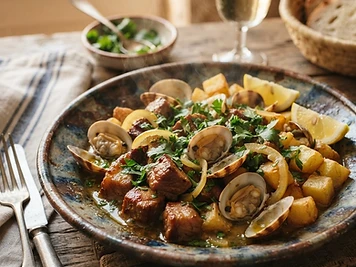
Carne de Porco à Alentejana
Pork and clams together — the Alentejo's most famous surf-and-turf, despite debate over its origin.

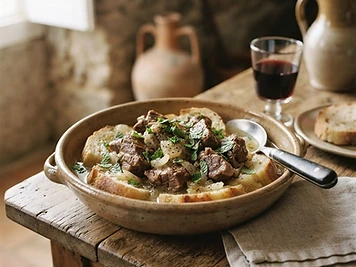
Ensopado de Borrego
Lamb braised in bread broth — a festive Alentejo stew of the interior hills.
Other wines to explore

Adega Mayor
A bold modern winery near Campo Maior designed by architect Souto de Moura, on the eastern Alentejo border — making a broad range of accessible reds, whites and a notable Bairrada-influenced set; one of the region's most striking buildings.

Alentejo
The great warm-climate red region of the south — Aragonez, Trincadeira and Alicante Bouschet across eight sub-regions from the granite of Portalegre to the heat of Vidigueira. Generous, approachable, and the gateway wine for most newcomers to Portugal.

Herdade de Coelheiros
A long-established Évora estate with integrated olive groves, walnut orchards and vineyards, known for balanced Alentejo reds and the white 'Taboadella' range; a quieter, more rural alternative to Esporão.
Nearby
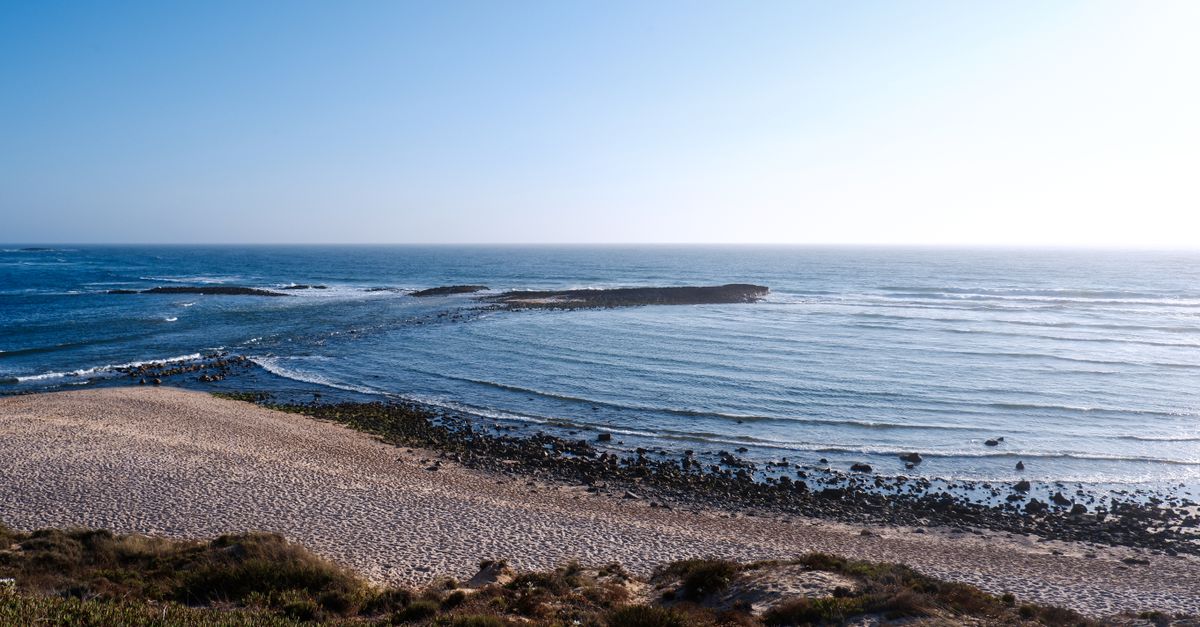
Vila Nova de Milfontes
The main town of the Alentejo coast, at the mouth of the Mira river.


Évora
A walled university city in the Alentejo plain — Roman temple, bone chapel, whitewashed streets, and the regional capital of slow, serious food and wine.
Where it sits