Herdade do Rocim
A modern, design-led Alentejo estate at Vidigueira, known for elegant, lower-alcohol reds and amphora wines (the 'Olho de Mocho' amphora project) — a champion of the region's clay-pot (talha) tradition.
Amphora (talha) wines and elegant Alentejo reds at a beautiful modern estate.
For amphora (talha) wines and elegant Alentejo reds at a beautiful modern estate.
What's in the glass
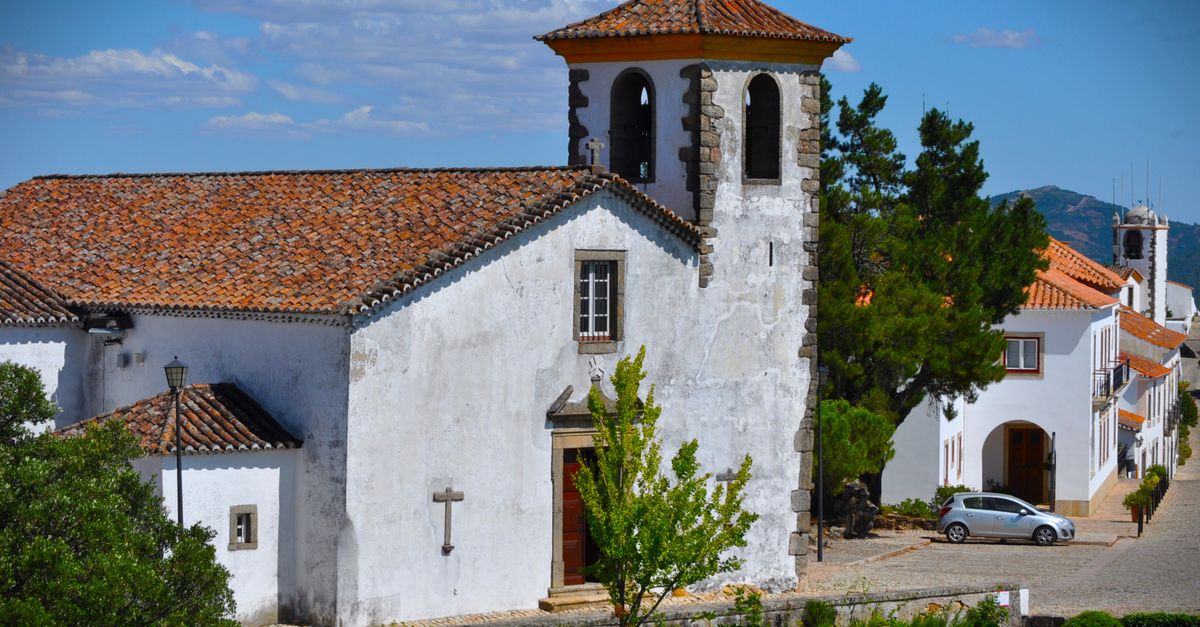
Renowned for reviving ancient techniques, the wines range from elegant, fresh reds to highly distinct, textured amphora-aged whites and reds. The 'Olho de Mocho' project captures a unique, raw energy that speaks directly to the ancient clay-pot tradition of Vidigueira.
How it came to be
While the estate is modern in its presentation, it is a fierce defender of the Vidigueira sub-region's historical soul. By prioritizing the preservation of talha, the estate has played a central role in the resurgence of amphora winemaking in modern Portugal. It serves as a bridge between the deep antiquity of Roman-influenced viticulture and the exacting precision of modern oenology.
Best for, and who should skip
Oenophiles interested in the history of talha production and those who appreciate architectural innovation.
Less ideal for: Travelers seeking a rustic, traditional farmhouse vibe or those looking for a bustling, high-traffic cellar door experience with constant event activity.
Skip if: Wine drinkers who prefer strictly modern, stainless-steel-style profiles may find the earthy nuances of amphora wines challenging.
Tours, tastings & getting there
The winery is a modern, design-centric space that welcomes guests into the process of traditional talha winemaking. Tours typically include a walk through the amphora room, which offers a stark and fascinating visual contrast to the sleek, high-tech bottling lines.
Getting there: 2.5 hr from Lisbon; near Vidigueira.
Getting around: The facility is compact and highly accessible, with all major production areas connected by wide, climate-controlled corridors.
Booking a formal tour is essential to gain access to the amphora cellars and the technical explanations provided by the staff.
When to go
September–November.
Year-round.
Allow: Half a day
Beyond the tasting room
Tour the winery and amphora cellar; time it with the annual amphora wine festival in Vidigueira (November).
Pair with


Açorda Alentejana
A bread, garlic and olive oil mash with a poached egg — the Alentejo's defining humble dish.

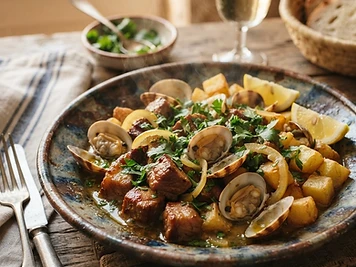
Carne de Porco à Alentejana
Pork and clams together — the Alentejo's most famous surf-and-turf, despite debate over its origin.

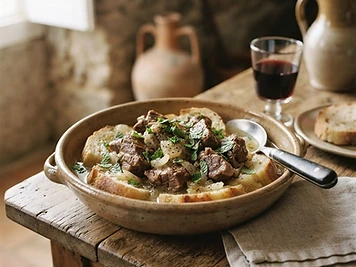
Ensopado de Borrego
Lamb braised in bread broth — a festive Alentejo stew of the interior hills.
Other wines to explore

Adega Mayor
A bold modern winery near Campo Maior designed by architect Souto de Moura, on the eastern Alentejo border — making a broad range of accessible reds, whites and a notable Bairrada-influenced set; one of the region's most striking buildings.

Alentejo
The great warm-climate red region of the south — Aragonez, Trincadeira and Alicante Bouschet across eight sub-regions from the granite of Portalegre to the heat of Vidigueira. Generous, approachable, and the gateway wine for most newcomers to Portugal.
Herdade da Calada
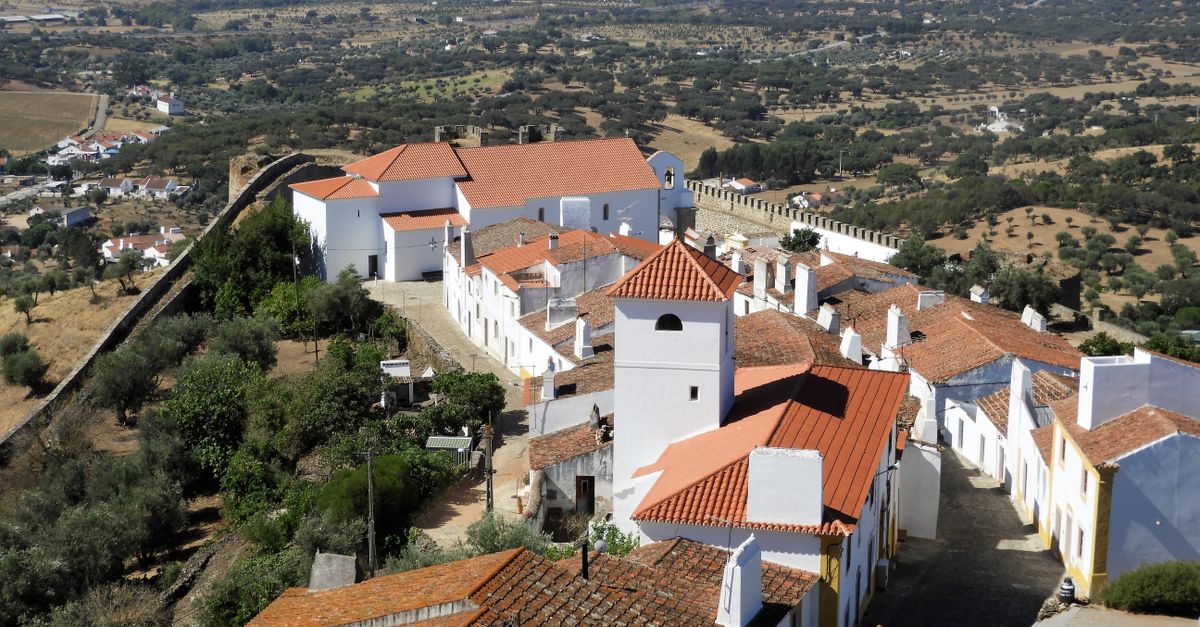
A 19th-century Alentejo estate near Borba, relaunched as a modern boutique winery making structured reds and crisp whites from the Évora sub-region; stylish on-site accommodation in a renovated farmhouse.
Nearby
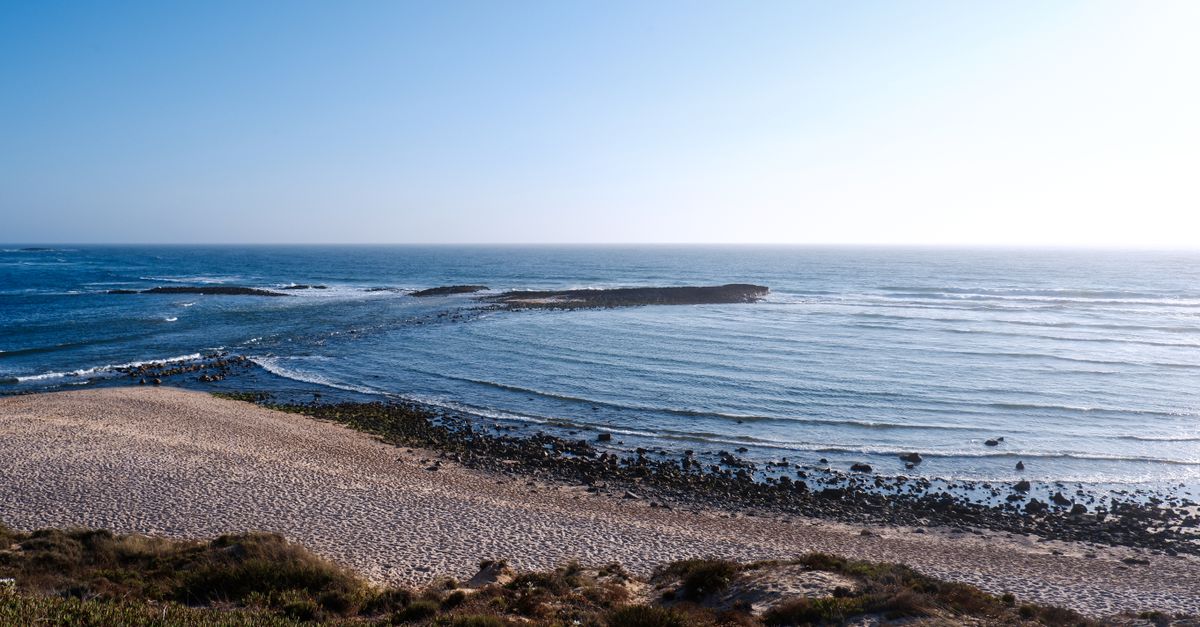
Vila Nova de Milfontes
The main town of the Alentejo coast, at the mouth of the Mira river.


Évora
A walled university city in the Alentejo plain — Roman temple, bone chapel, whitewashed streets, and the regional capital of slow, serious food and wine.
Where it sits