Marquês de Borba
The flagship winery of João Portugal Ramos — the winemaker most responsible for the modern Alentejo renaissance — at Borba, producing the widely-drunk Marquês de Borba range and a top 'Vila Santa' reserve.
The wines of the Alentejo's most influential modern winemaker, at Borba.
For the wines of the Alentejo's most influential modern winemaker, at Borba.

What's in the glass
The wines represent the gold standard for the modern Alentejo: clean, fruit-forward, and exceptionally consistent. The flagship Marquês de Borba wines offer a reliable, polished profile, while the Vila Santa reserves show greater complexity, depth, and aging potential.
How it came to be
João Portugal Ramos is the figurehead of the Alentejo's massive turnaround in the 1990s, shifting the region from bulk production to premium bottling. This winery serves as his base of operations and the literal home of the movement that put modern Alentejo on the map. It remains a benchmark for consistent quality and has been the training ground for many of the region’s current winemakers.
Best for, and who should skip
Visitors who want to understand the foundational shift in modern Portuguese winemaking while tasting established classics.
Less ideal for: Travelers seeking an intimate, boutique, or family-run farmstead experience will find the scale of this operation too industrialized. It is also less suited for those expecting a rustic, historic Alentejo cellar, as the architecture is sleek, modern, and corporate in aesthetic.
Skip if: Those looking for a small-scale, artisanal, or experimental winery experience might find this operation too polished and industrial.
Tours, tastings & getting there
Visits provide a masterclass in the evolution of the Portuguese wine industry. The facility is equipped to handle large groups and provides a professional, educational look at the transformation from traditional to international-standard production.
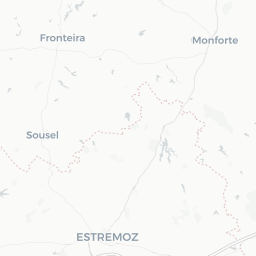
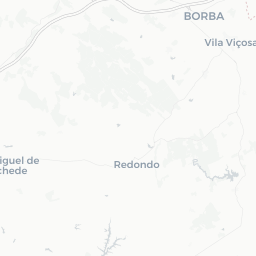
Getting there: 1.5 hr from Lisbon; at Borba.
Getting around: The production floor and tasting areas are designed for efficient movement, with well-marked paths for visitors.
The winery is very well-connected, making it an easy stop for those traveling along the main routes between Lisbon and the Alentejo.
When to go
April–October.
Year-round.
Allow: Half a day
Beyond the tasting room
Tour the modern winery and taste across the Marquês de Borba range.
Pair with


Açorda Alentejana
A bread, garlic and olive oil mash with a poached egg — the Alentejo's defining humble dish.

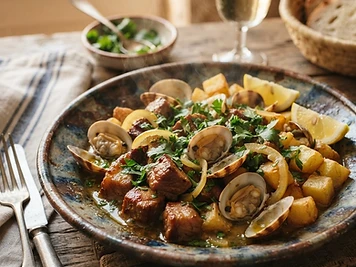
Carne de Porco à Alentejana
Pork and clams together — the Alentejo's most famous surf-and-turf, despite debate over its origin.

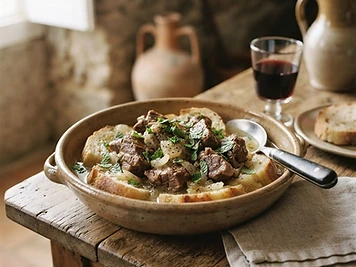
Ensopado de Borrego
Lamb braised in bread broth — a festive Alentejo stew of the interior hills.
Other wines to explore

Adega Mayor
A bold modern winery near Campo Maior designed by architect Souto de Moura, on the eastern Alentejo border — making a broad range of accessible reds, whites and a notable Bairrada-influenced set; one of the region's most striking buildings.

Alentejo
The great warm-climate red region of the south — Aragonez, Trincadeira and Alicante Bouschet across eight sub-regions from the granite of Portalegre to the heat of Vidigueira. Generous, approachable, and the gateway wine for most newcomers to Portugal.
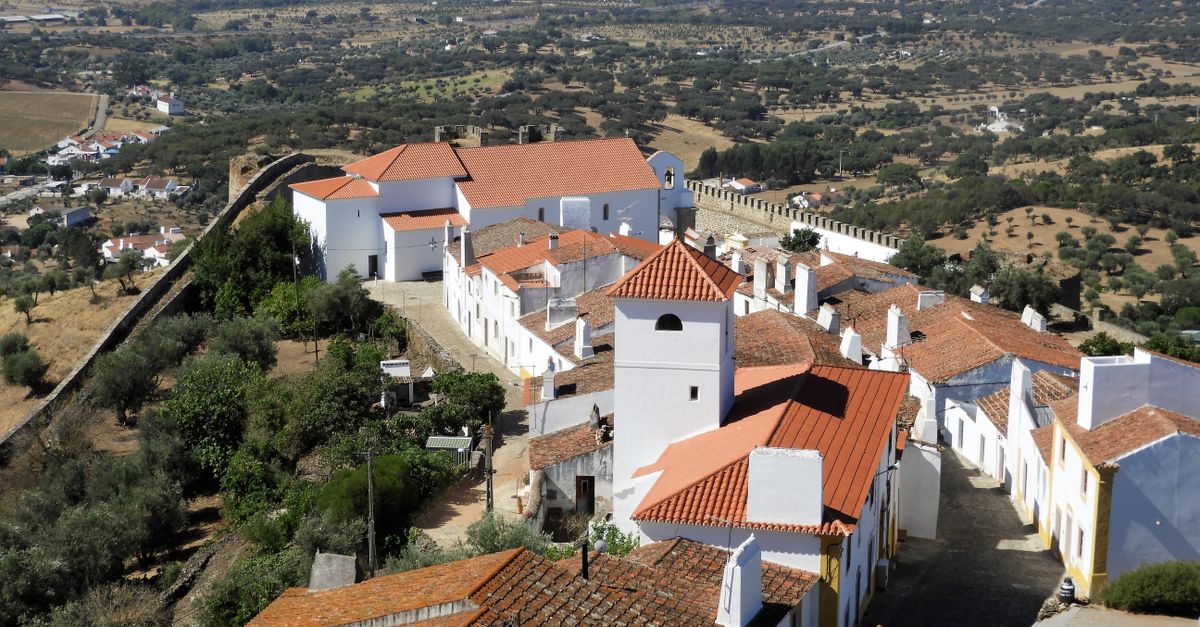
Herdade da Calada
A 19th-century Alentejo estate near Borba, relaunched as a modern boutique winery making structured reds and crisp whites from the Évora sub-region; stylish on-site accommodation in a renovated farmhouse.
Nearby
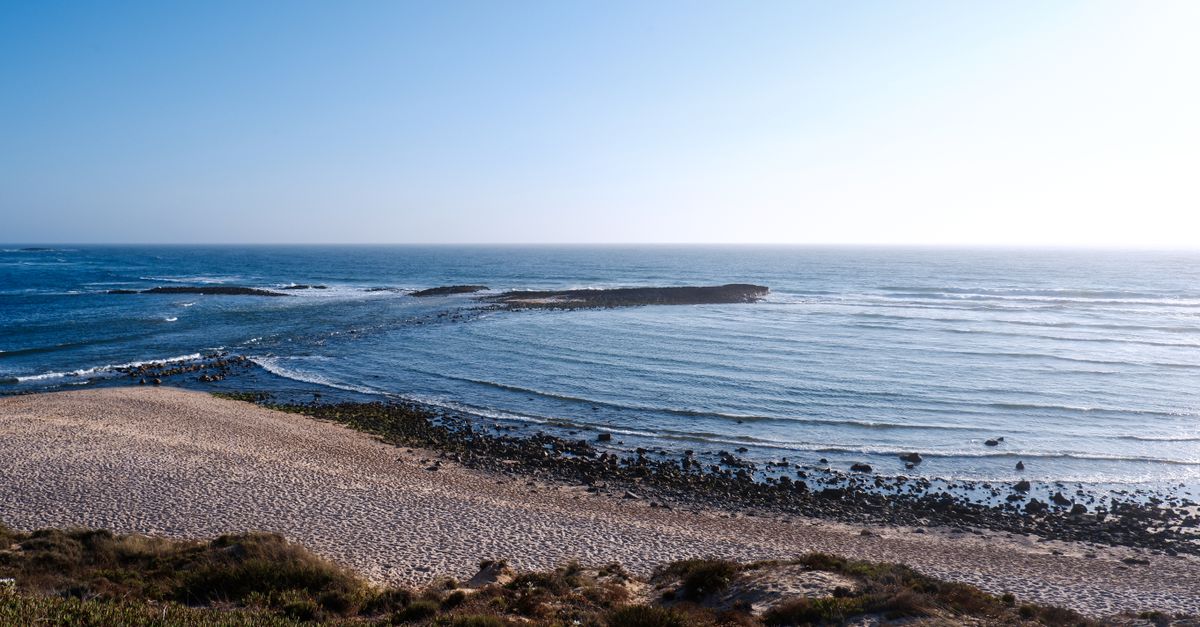
Vila Nova de Milfontes
The main town of the Alentejo coast, at the mouth of the Mira river.


Évora
A walled university city in the Alentejo plain — Roman temple, bone chapel, whitewashed streets, and the regional capital of slow, serious food and wine.
Where it sits