Herdade do Sobroso
A southern Alentejo estate at Vidigueira, on the edge of the region's warmest sub-denomination, making rich, generous reds and a welcoming tasting room set among cork and olive trees.
Generous southern Alentejo reds at a cork-and-olive estate near Vidigueira.
For generous southern Alentejo reds at a cork-and-olive estate near Vidigueira.
What's in the glass
The wines are defined by the intense heat of the Vidigueira sun, resulting in full-bodied, opulent reds with ripe berry flavors and soft, generous tannins. The whites are surprisingly expressive, maintaining enough backbone to pair beautifully with the rich, local cuisine.
How it came to be
Situated on the fringes of the hottest part of the Alentejo, this estate has mastered the art of managing extreme heat to create wines of considerable concentration. It started as a smaller venture and has grown steadily by embracing the raw potential of the Vidigueira terroir. The family owners focus on the harmony between the cork forest and the vineyard, creating a cohesive, sustainable micro-climate.
Best for, and who should skip
Travelers seeking a warm, family-oriented hospitality experience in the heart of the southern landscape.
Less ideal for: Travelers seeking a high-energy, walk-around town experience or those reliant on public transport, as the estate's remote location requires a private vehicle and offers a slower, contemplative pace of rural tourism.
Skip if: Those who struggle with the intense summer heat of southern Portugal may find the environment taxing during the harvest season.
Tours, tastings & getting there
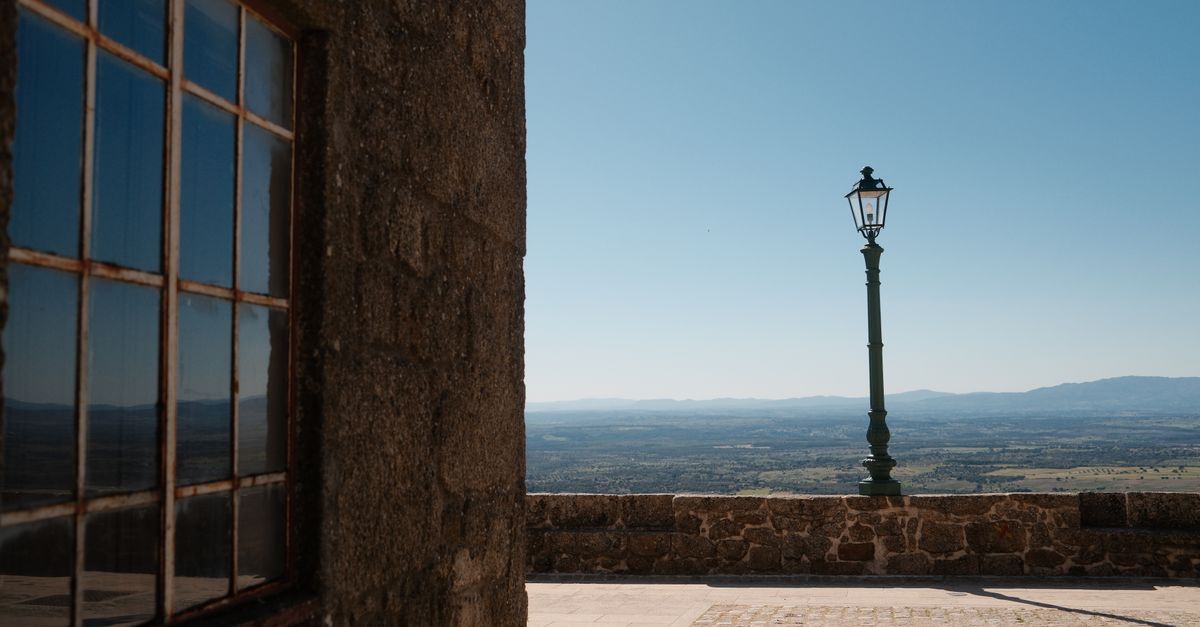
The tasting room is a welcoming, rustic space set deep among the cork trees, offering a true sense of the southern Alentejo lifestyle. Visitors are encouraged to linger, as the hospitality emphasizes the connection between wine, the wild landscape, and local gastronomy.
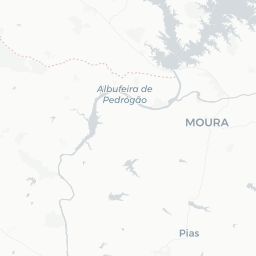
Getting there: 2.5 hr from Lisbon; near Vidigueira.
Getting around: The estate grounds are expansive, and vehicles are typically used to reach the more remote vineyard sections.
A visit is best combined with a long lunch, as the estate is situated quite far from major urban centers.
When to go
April–October.
Year-round.
Allow: Half a day
Beyond the tasting room
Tasting at the estate; pair with Herdade do Rocim nearby.
Pair with


Açorda Alentejana
A bread, garlic and olive oil mash with a poached egg — the Alentejo's defining humble dish.

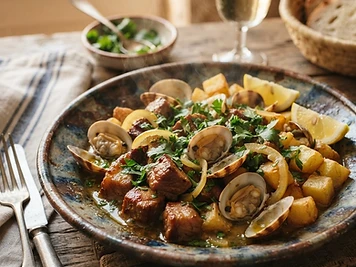
Carne de Porco à Alentejana
Pork and clams together — the Alentejo's most famous surf-and-turf, despite debate over its origin.

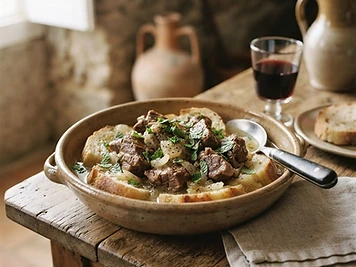
Ensopado de Borrego
Lamb braised in bread broth — a festive Alentejo stew of the interior hills.
Other wines to explore

Adega Mayor
A bold modern winery near Campo Maior designed by architect Souto de Moura, on the eastern Alentejo border — making a broad range of accessible reds, whites and a notable Bairrada-influenced set; one of the region's most striking buildings.

Alentejo
The great warm-climate red region of the south — Aragonez, Trincadeira and Alicante Bouschet across eight sub-regions from the granite of Portalegre to the heat of Vidigueira. Generous, approachable, and the gateway wine for most newcomers to Portugal.
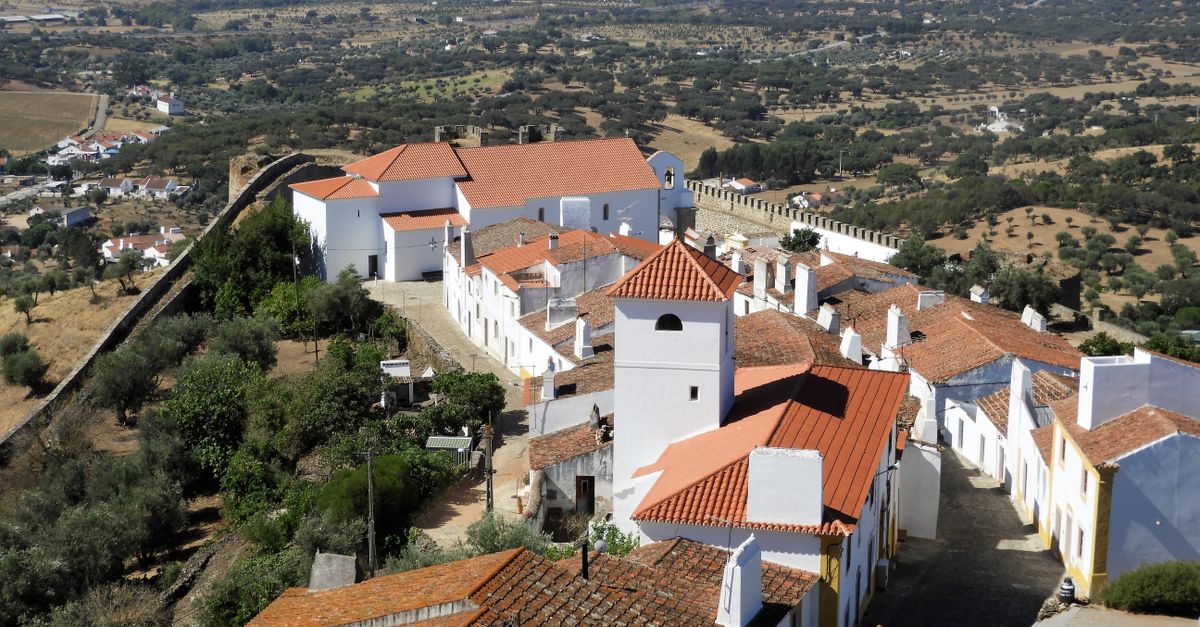
Herdade da Calada
A 19th-century Alentejo estate near Borba, relaunched as a modern boutique winery making structured reds and crisp whites from the Évora sub-region; stylish on-site accommodation in a renovated farmhouse.
Nearby
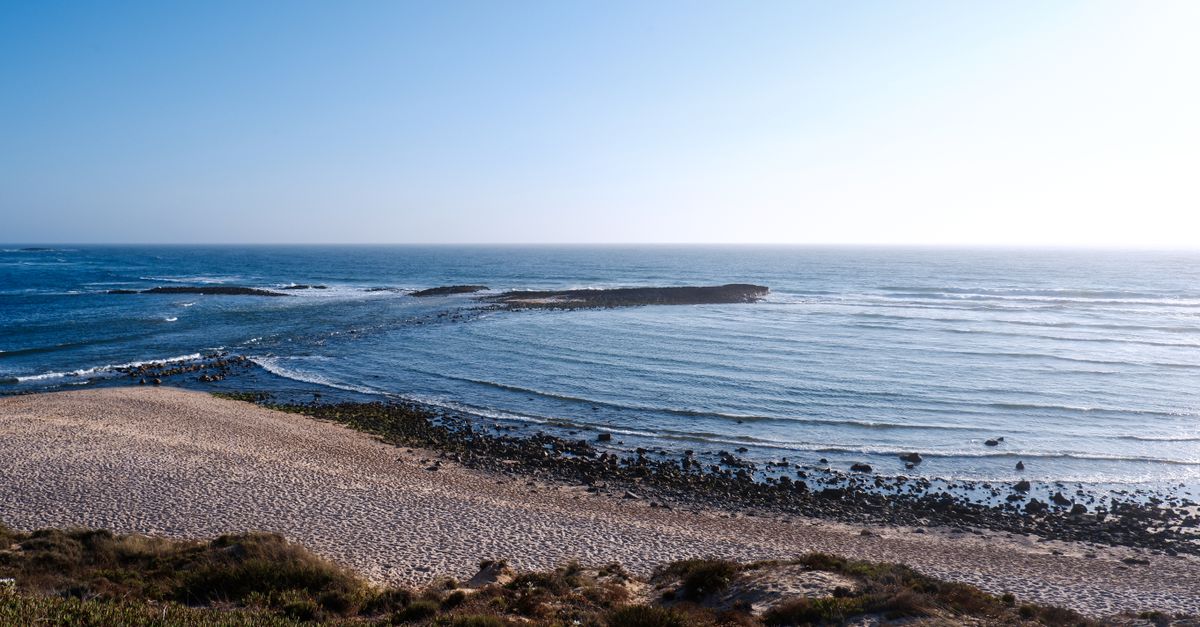
Vila Nova de Milfontes
The main town of the Alentejo coast, at the mouth of the Mira river.


Évora
A walled university city in the Alentejo plain — Roman temple, bone chapel, whitewashed streets, and the regional capital of slow, serious food and wine.
Where it sits