
Recommended
Beach· Porto & North·Surf break
Praia de Matosinhos
Porto's city beach — a long flat sand with a consistent beach break and surf schools lining the promenade, saltwater pool and all.
A beach here earns its place for a reason: a cliff-backed cove, a river-meets-sea stretch inside a nature reserve, a volcanic black-sand bay. These are the ones worth the drive, with honest notes on what's around them.
Porto's city beach — a long flat sand with a consistent beach break and surf schools lining the promenade, saltwater pool and all.
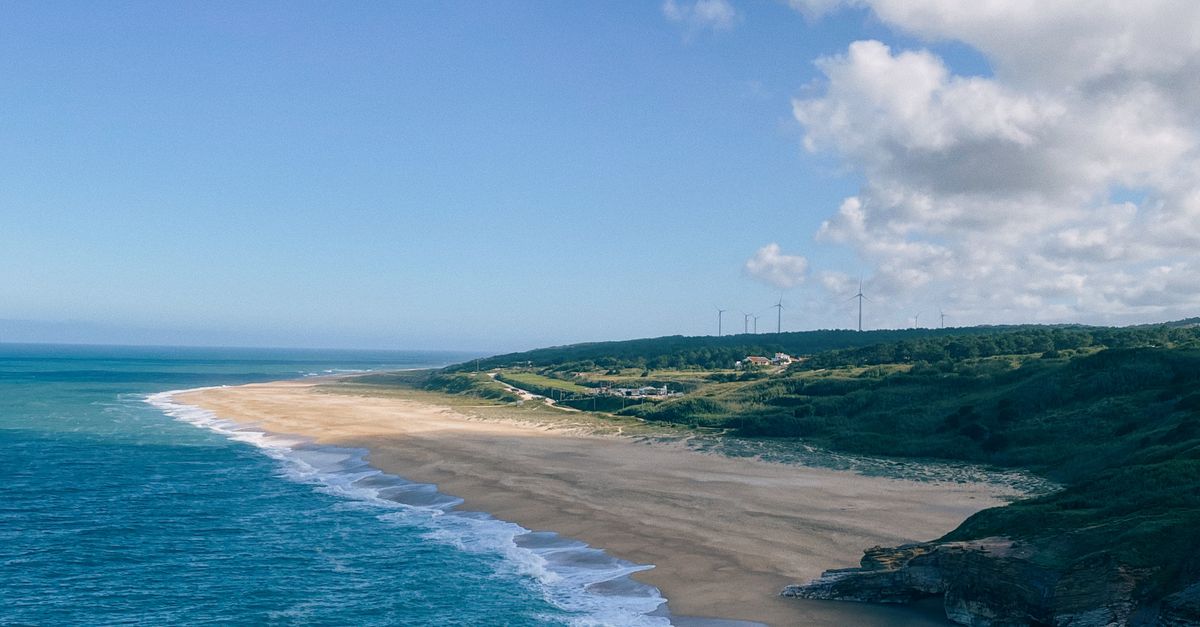
A broad Atlantic sweep at the Minho's mouth, backed by dunes and the old fishing village of Moledo — the north's windblown, family-favorite summer beach.

A sand-spit beach at the mouth of the Lima, reached by a little ferry from Viana do Castelo — flat, wide, and kite-surf friendly.

A long, open sandy stretch south of Porto with a fishing-village heart — busy with locals in summer, surfable year-round.

Where the Óbidos lagoon meets the open Atlantic — calm lagoon water on one side, surf on the other, and a cliff bar above.

Striped candy-striped houses front a wide Atlantic beach at the mouth of the Aveiro lagoon — Portugal's most photogenic fishing village.

A pine-backed beach on the central coast — quiet, family-calm, with a clifftop village and forest shade behind the sand.

A long golden crescent below the famous sítio village — calm for swimming at the south end, giant-wave arena at the north headland.

A wind-scoured Atlantic beach at the Guincho headland, backed by dunes and the Sintra-Cascais park — Portugal's wind- and kitesurf capital.

The closest real surf beach to Lisbon — a long sandy break with a train commute, surf schools, and an after-work surf culture.

A long open bay under the Sintra cliffs, with a dinosaur trackway in the rocks and a steady beach break — the Sintra coast's main surf beach.

A small river-mouth beach at the foot of the Sintra hills, reached by a vintage tram from Colares — gentle, family, and a slice of old Portugal.

A wild, cliff-hemmed cove near Cabo da Roca — Portugal's westernmost point — reached by a steep, rough trail. No facilities, no road.

A 30-km wall of sand and beach breaks south of Lisbon — the city's surf-and-sun capital, with beach bars from summer to the last warm October days.

A wild cliff-backed beach on the Sintra coast, with a sea arch and a small waterfall.

A wild, duned Atlantic stretch north of Vila Nova de Mil Fontes — the Alentejo coast at its emptiest and most elemental.
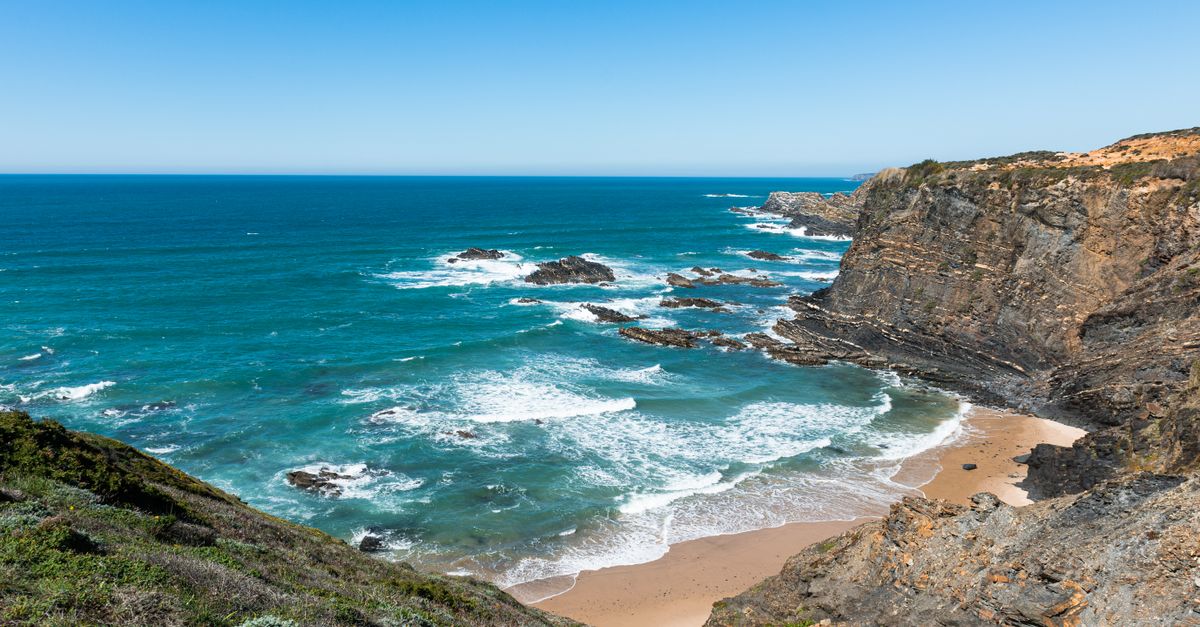
The Comporta coast's signature beach — miles of pine-rimmed sand, dunes, and a laid-back restaurant on stilts.

A wild Atlantic stretch in the Southwest Alentejo park — broad, empty, and the start of the Fishermen's Trail scenery.
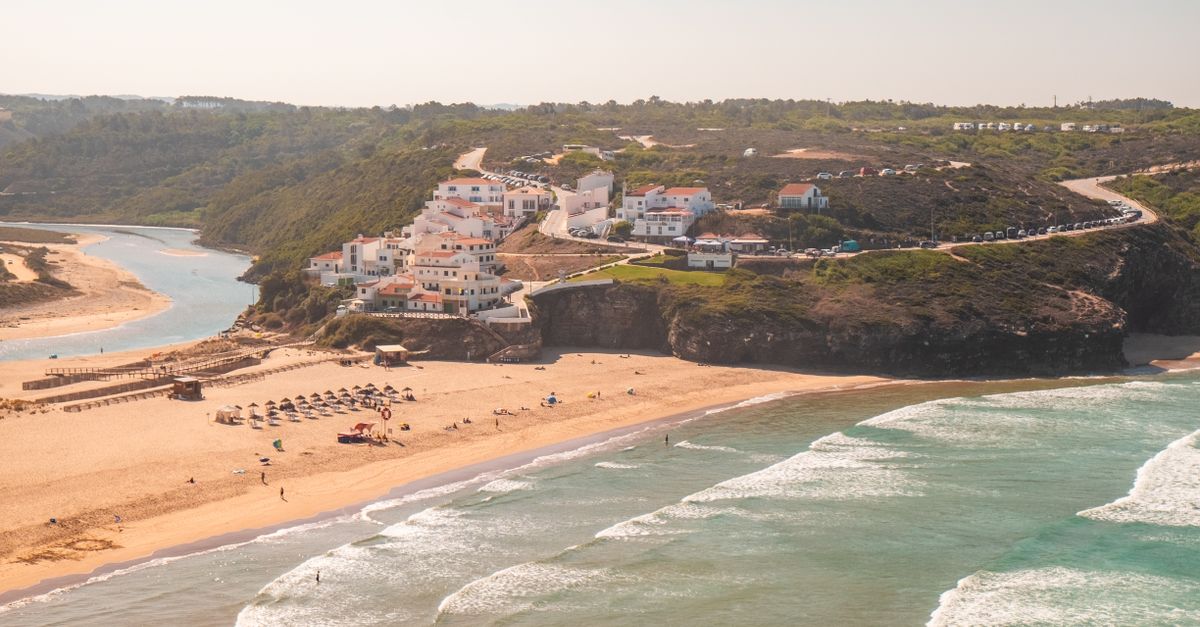
A sheltered river-mouth beach at Vila Nova de Mil Fontes — calm enough for families, the town beach that's the soft launch to the Alentejo coast.

A wild black-gold cove on the Sagres coast — sculpted volcanic cliffs, Atlantic swell, and a raw end-of-continent mood.
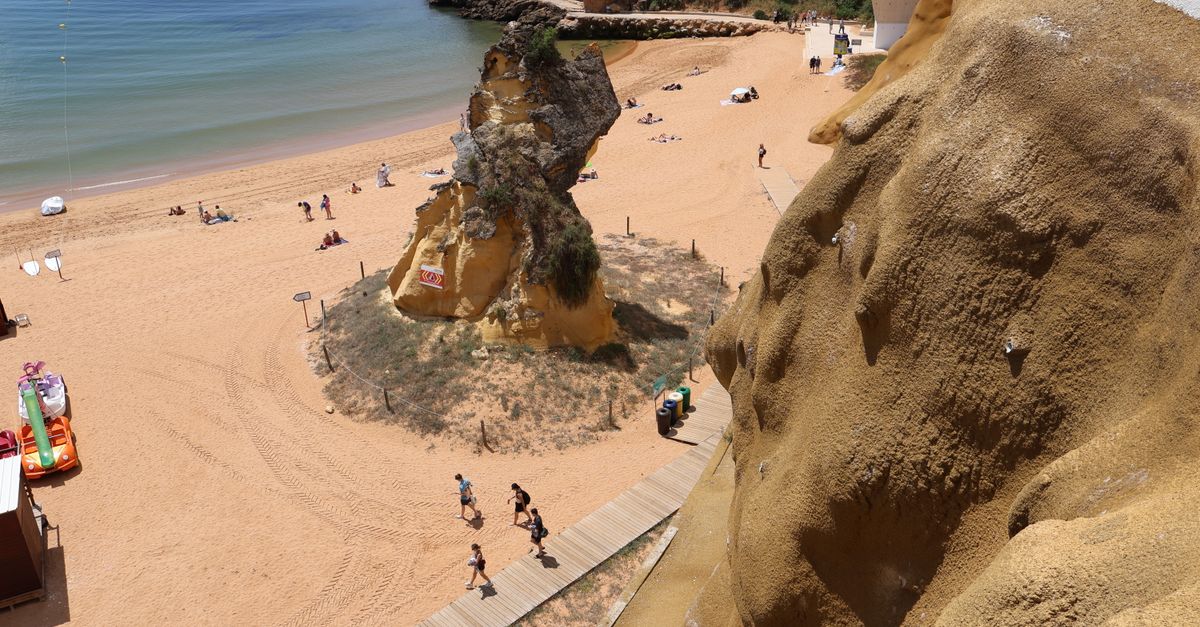
A small, sheltered cove near Lagoa with a natural arch, calm turquoise water, and a tiny fisherman's ramp.
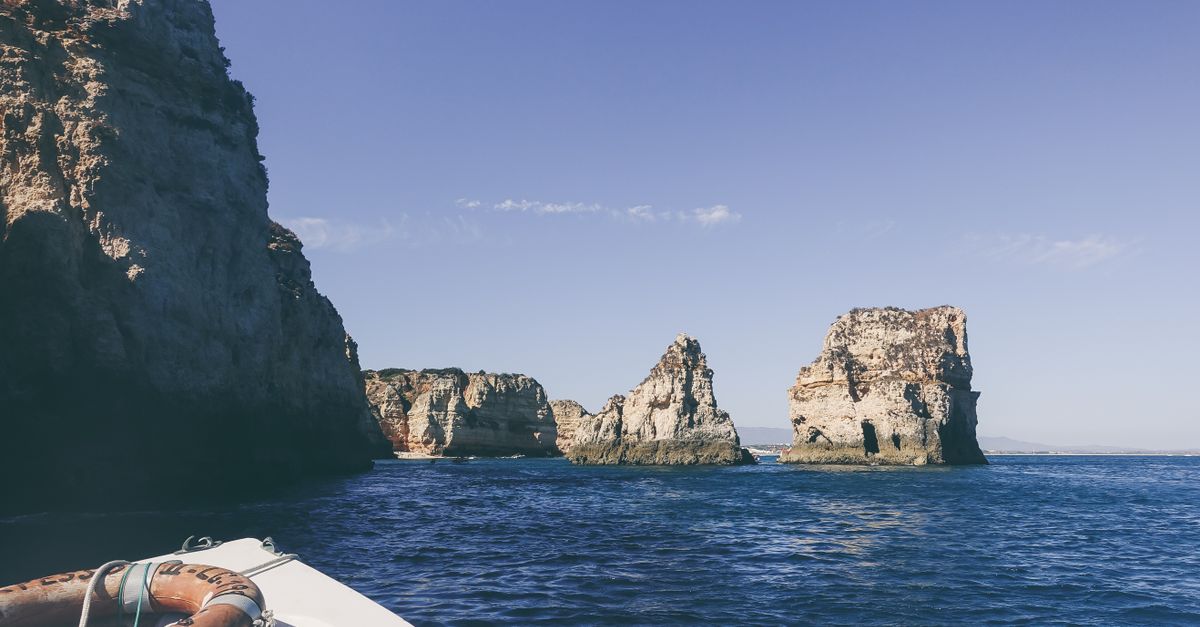
A cliff-protected golden cove near Carvoeiro, with a flat rock platform for sunbathing and calm, clear water.
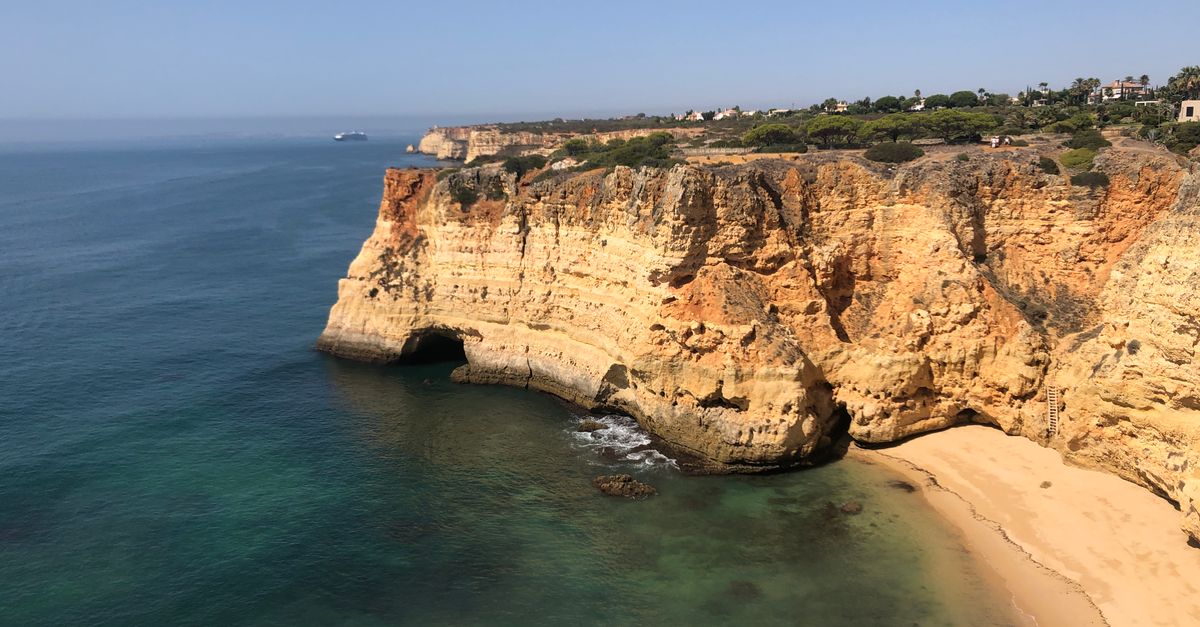
The flagship Ria Formosa island beach — long, duned, and reached by a short ferry from Tavira's quay.
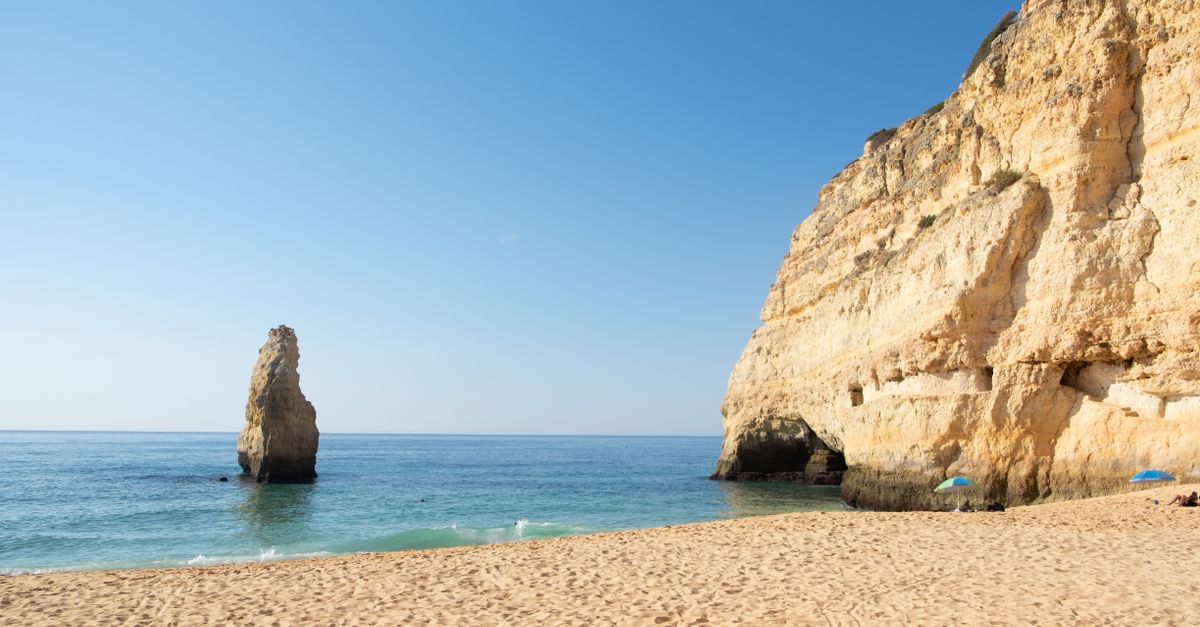
An empty barrier-island beach reached by ferry from Fuseta — miles of sand, no cars, and the Ria Formosa at your back.
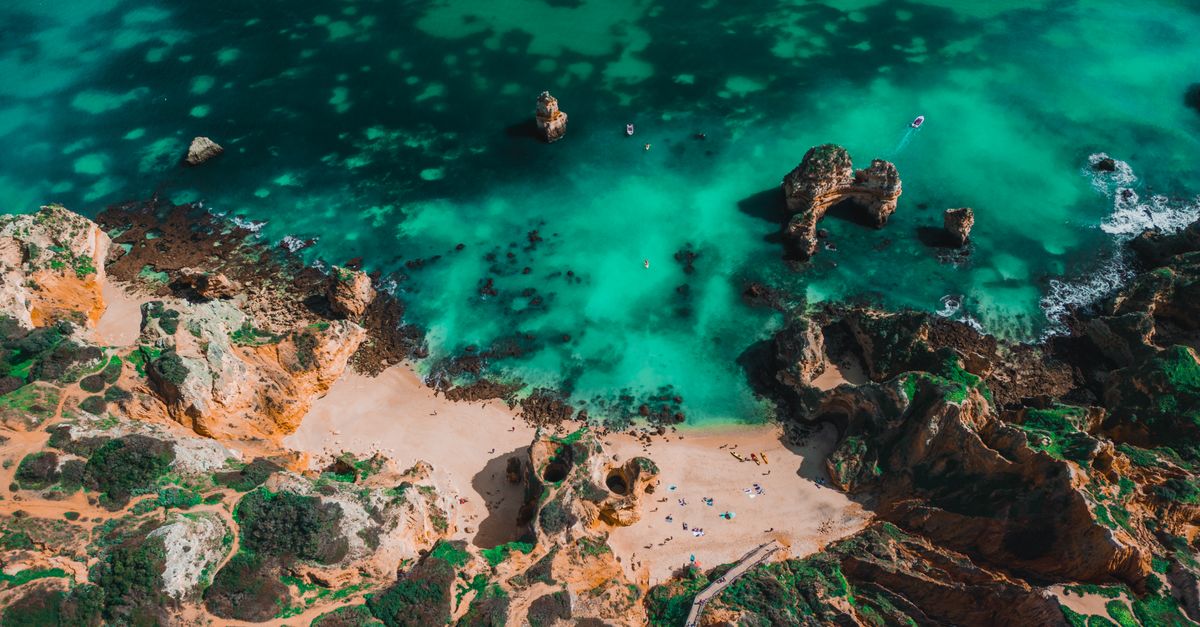
A small town beach tucked between cliffs right in the heart of Carvoeiro — lively, easy, and a jumping-off point for boat caves.
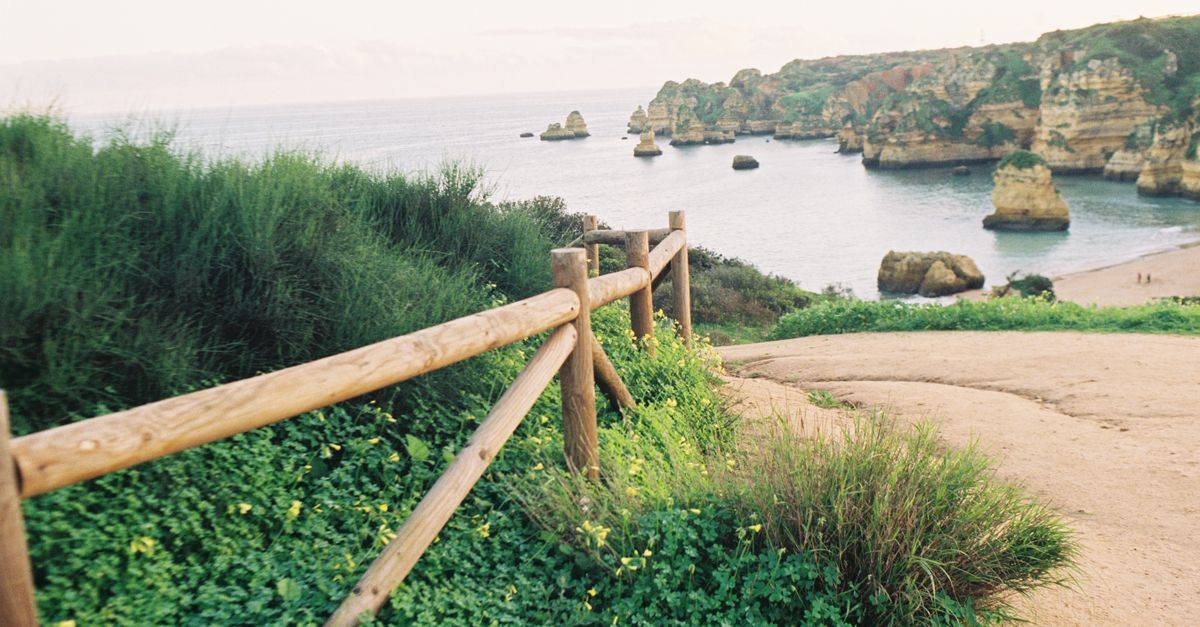
A long, golden, cliff-free stretch between Vale do Lobo and Quinta do Lago — the Algarve's softest, most open family sand.
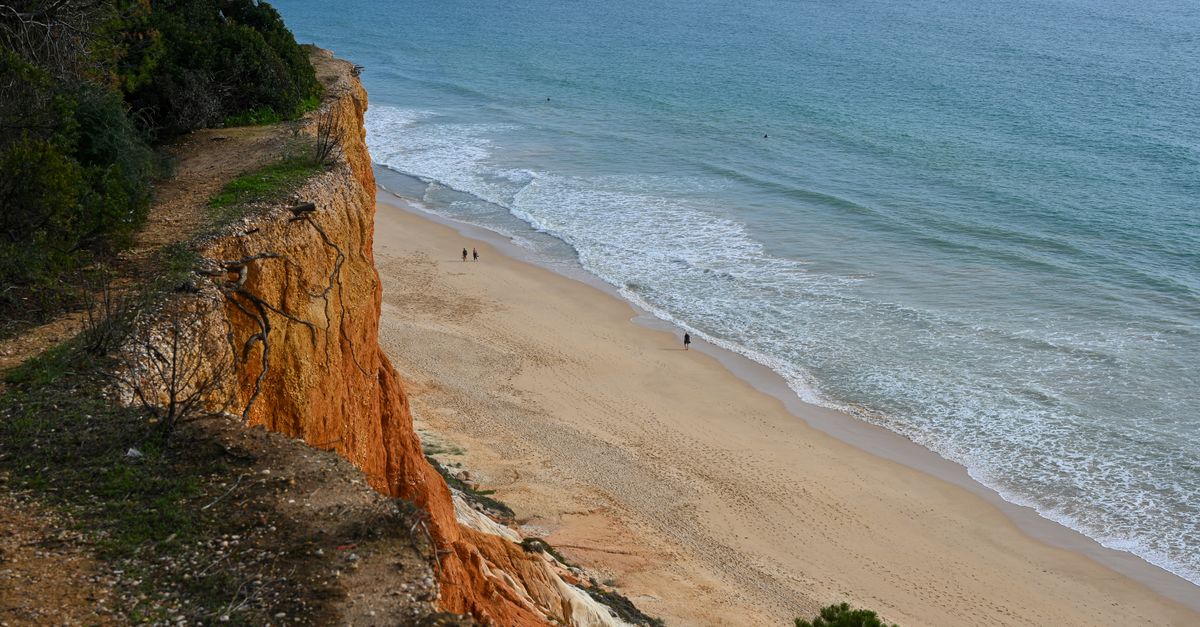
The Algarve's grandstand beach — a vast golden crescent framed by sculpted limestone stacks and a busy, vibrant promenade in Portimão.
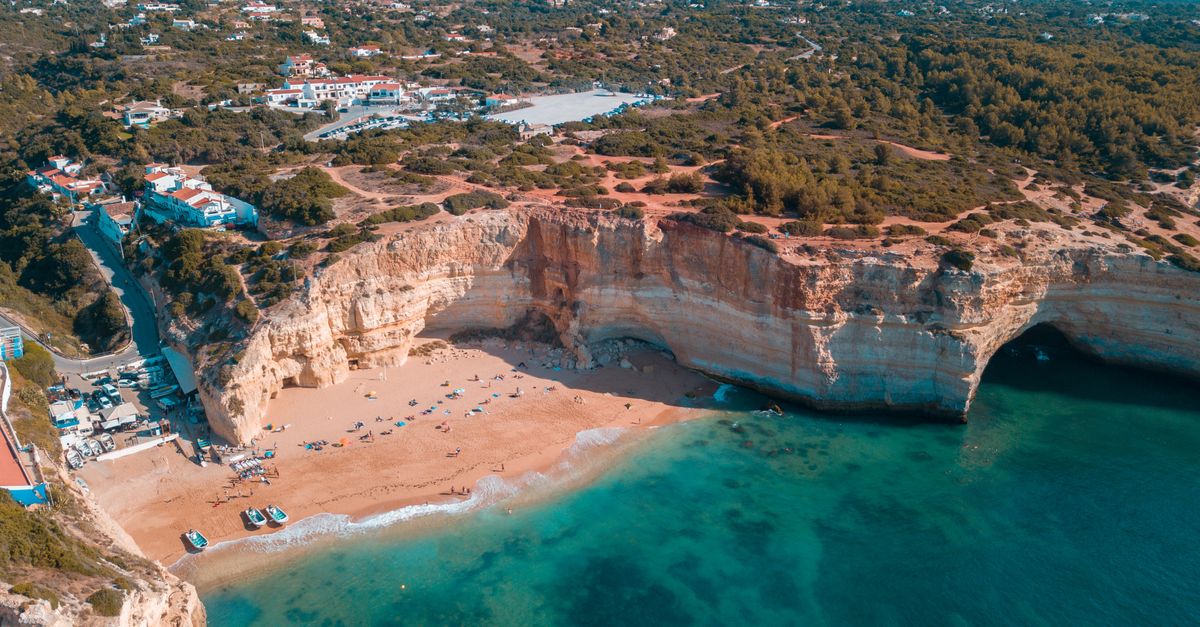
Lagos' most photographed beach — golden cliffs, sea stacks, and a stack of small coves reached by wooden steps.

Three towering rock stacks give this Alvor beach its name — golden sand, cliff tunnels, and quiet coves at low tide.

Where the Ribeira de Seixe meets the Atlantic in a broad cliff bay — the prettiest beach village on the Costa Vicentina.

A sheltered bay near Sagres with a surf school, a beach bar, and a striking cliff backdrop on the Costa Vicentina.

A dramatic cliff-girt cove near Sagres, reached by a long wooden stairway down the headland.
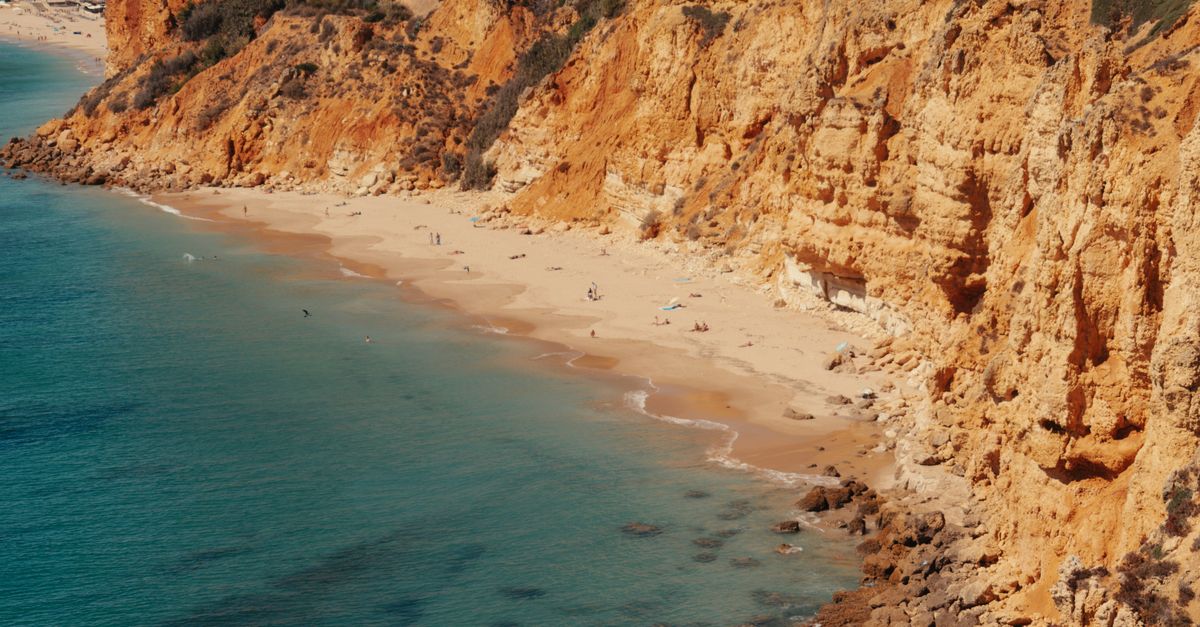
A hidden cove near Carvoeiro, reached through a hand-carved tunnel in the cliff — small, golden, and wonderfully tucked away.
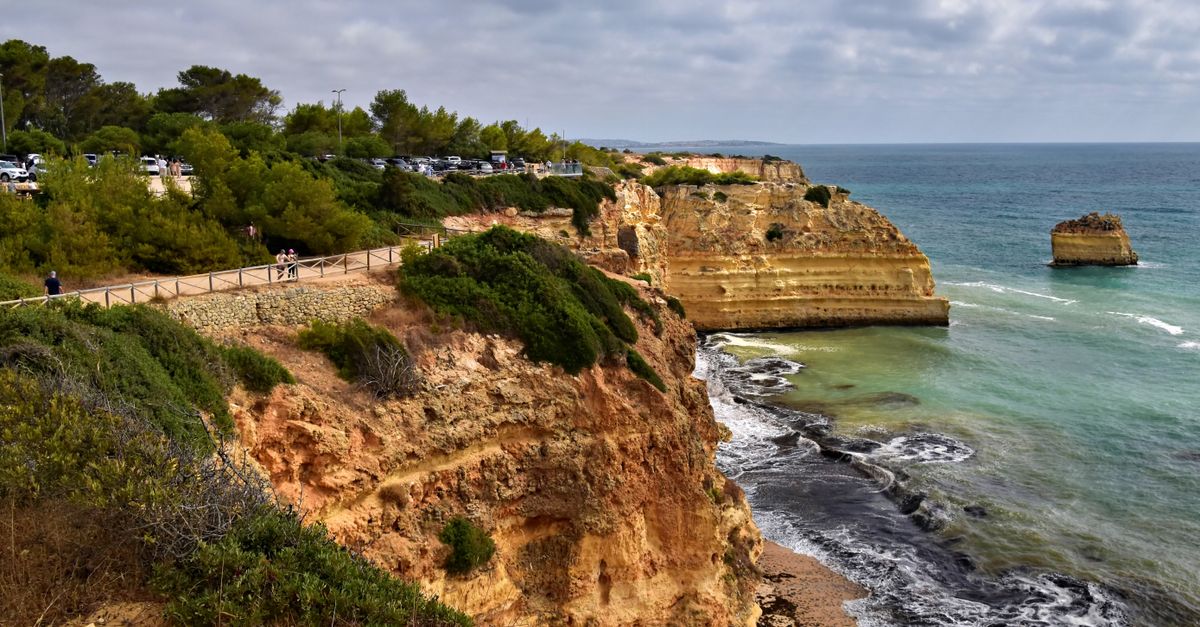
A fishing cove and the launch point for the famous Benagil sea cave — golden sand, kayak rentals, and cliff boat trips.

The Algarve's west-coast surf beach — wide, wave-swept, and the soul of the laid-back Costa Vicentina.

An island beach reached by a miniature train across the Ria Formosa — long, duned, and anchored by a former tuna-fishing village of restored houses.
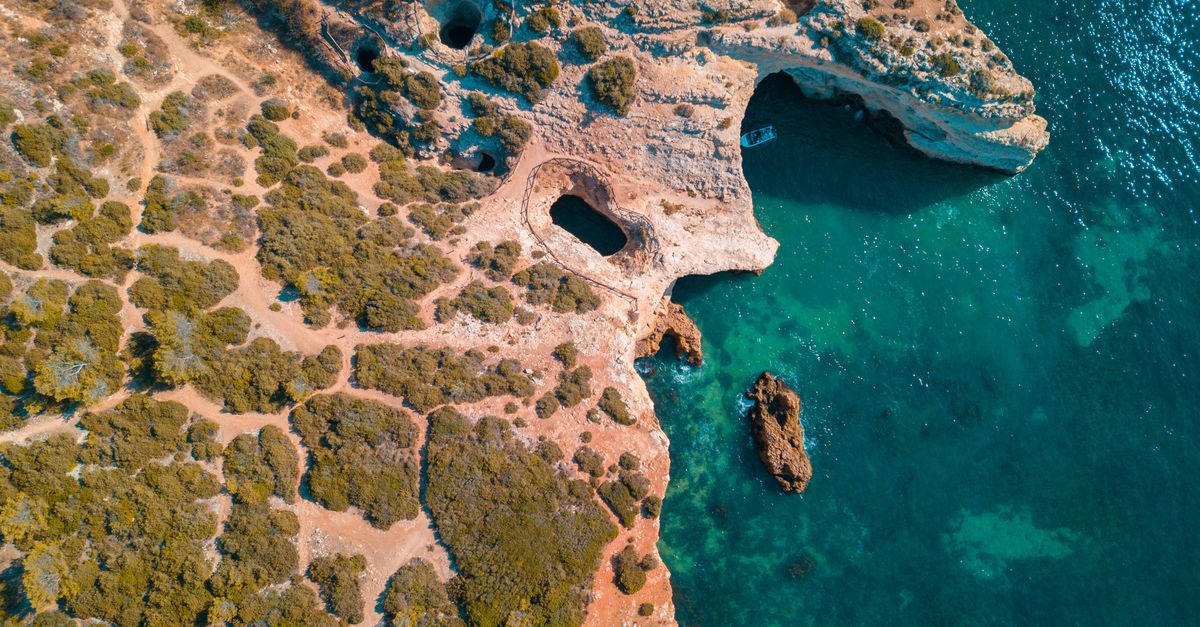
A small cliff-girt cove of golden sand near Lagos, reached by a long wooden staircase.
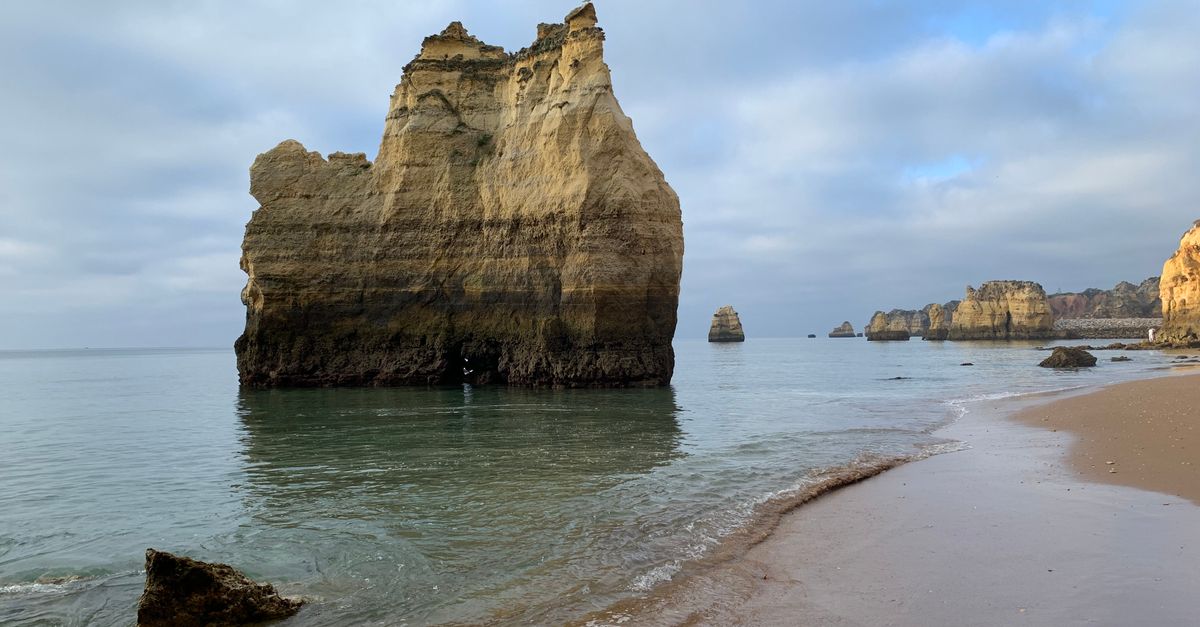
Six kilometers of golden cliff-backed sand between Albufeira and Vilamoura.
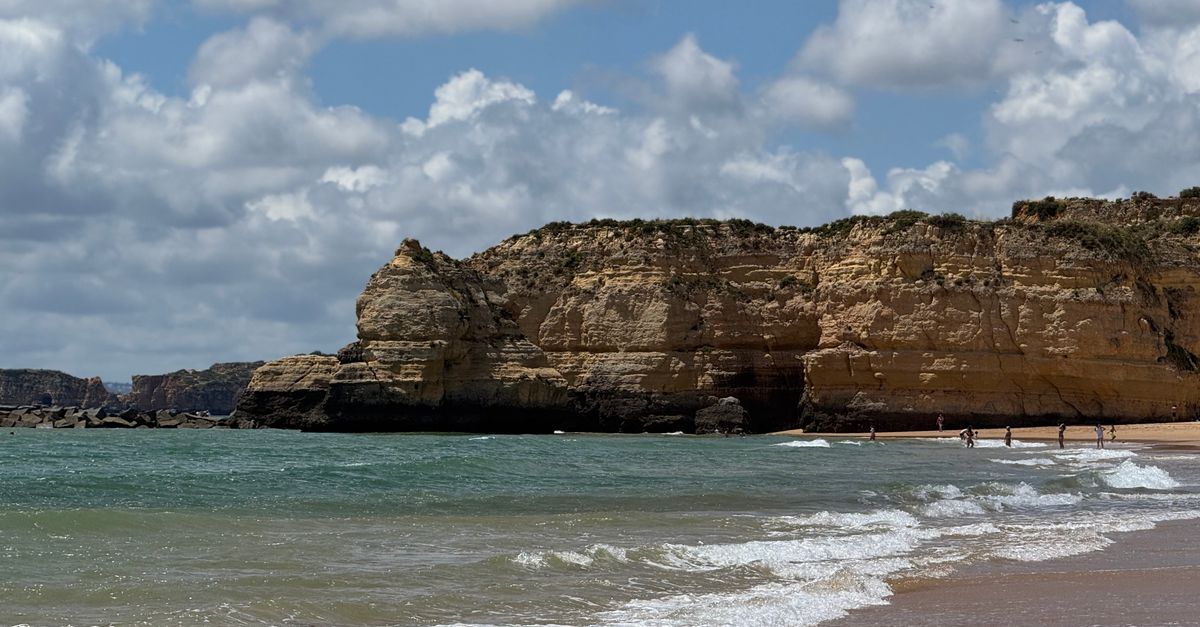
One of the Algarve's most photographed beaches — golden cliffs, sea arches, and clear water between Carvoeiro and Benagil.

Formed by volcanic lava, the Piscinas Naturais do Porto Moniz offer crystalline seawater pools that blend seamlessly into the rugged Atlantic coastline. They represent one of Madeira's most iconic geological landmarks, providing a unique swimming experience amidst dramatic crashing surf.

A golden sand bay on Madeira's south coast — imported sand, calm water, and the closest thing to a classic beach on the island.

A striking black-sand cove on Madeira's north coast, backed by waterfalls and fern cliffs — wild and atmospheric.

Volcanic rock pools fed by the Atlantic on Madeira's northwest tip — a surreal, swimmable mix of lava walls and ocean swell.

Caldeiras das Furnas is a surreal landscape of bubbling fumaroles and iron-rich volcanic springs set within a lush, steam-shrouded crater basin. It is the epicenter of Azorean geothermal activity and a primary destination for experiencing the island's raw, living geology.

Caldeira Velha is a lush, fern-draped thermal monument located on the slopes of the Fogo Volcano. It features a series of iron-rich hot springs and a picturesque waterfall set within a protected natural park.

São Miguel's closest sand to Ponta Delgada — a black-volcanic bay with a seaside promenade and the calmest water on the island's south coast.

São Miguel's main sandy beach on the north coast — long, black-grey volcanic sand, and a known surf break.

A geothermal valley on São Miguel — hot springs, fumaroles, and a caldera lake.