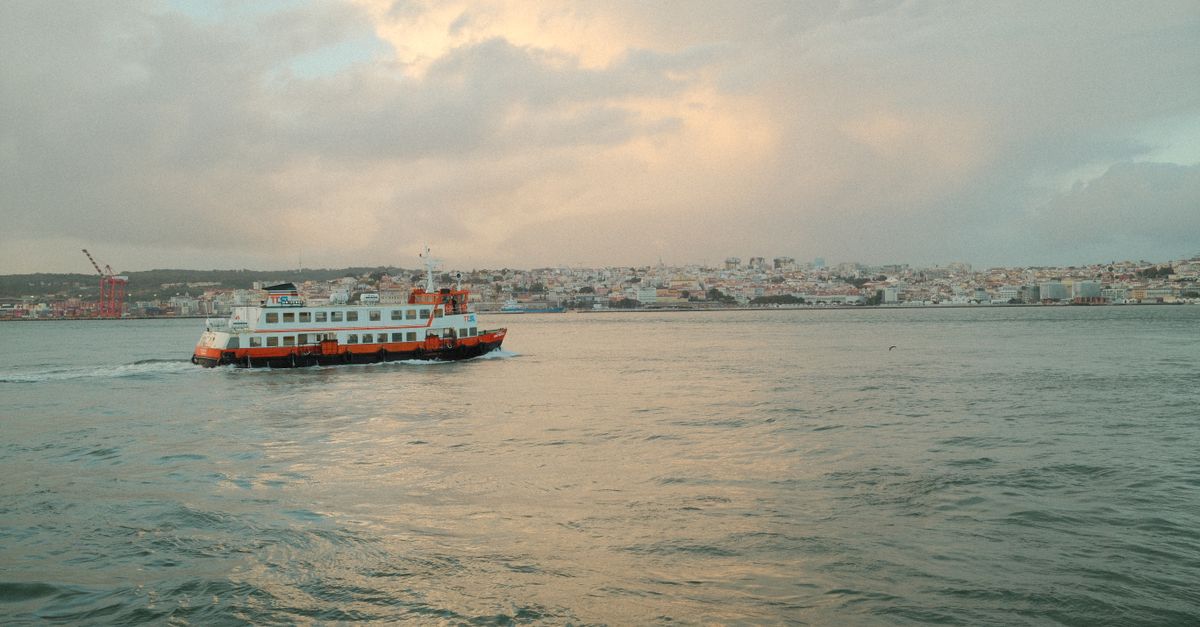
Faial–Pico ferry
This short Atlantic crossing connects the vibrant marina town of Horta on Faial to the volcanic slopes of Madalena on Pico. It is the vital maritime umbilical cord that links two of the central Azores' most distinct islands.
Filter the whole guide by region, type, trip role, recommendation or whether you'll need a car.

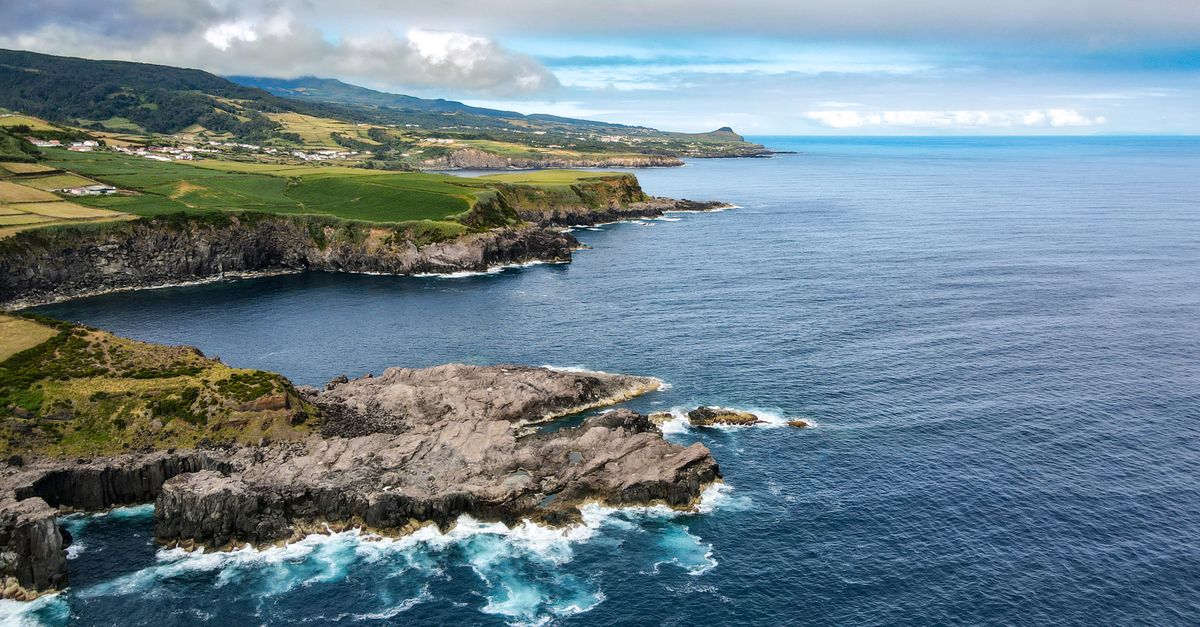
This short Atlantic crossing connects the vibrant marina town of Horta on Faial to the volcanic slopes of Madalena on Pico. It is the vital maritime umbilical cord that links two of the central Azores' most distinct islands.

This inter-island ferry network serves as the vital maritime backbone of the Azores' central group, connecting the disparate volcanic landscapes of Terceira, São Jorge, Pico, and Faial. It is the most authentic way to experience the archipelago's maritime culture while transitioning between vastly different island environments.

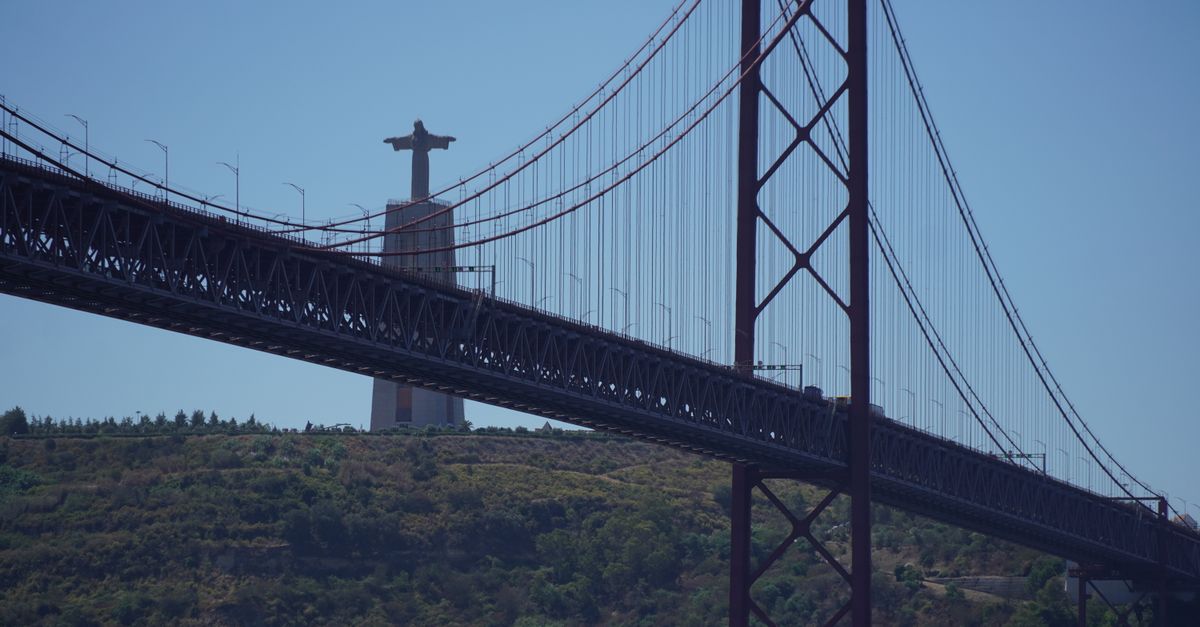
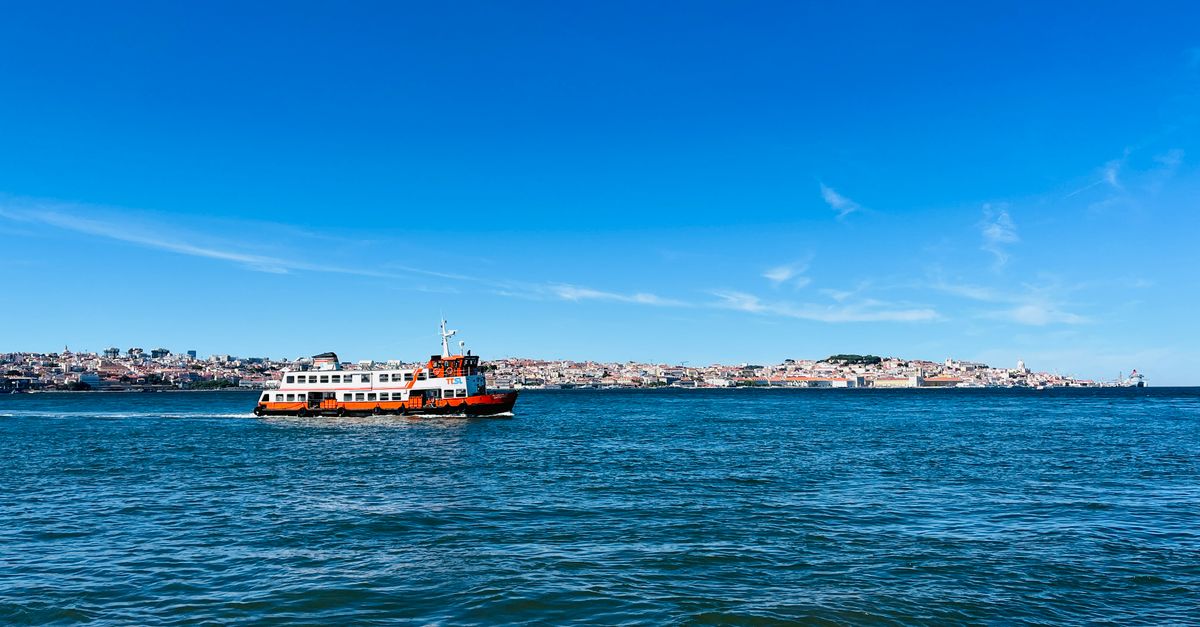
The Transtejo ferry network serves as the vital maritime link between central Lisbon and the Setúbal Peninsula, offering essential transit for locals and a stunning vantage point for visitors. It bridges the divide between the historic capital and the southern bank, turning a standard commute into a scenic river crossing.

The Linha do Douro is a spectacular 19th-century railway line that clings to the riverbanks, cutting deep into the heart of Portugal’s oldest demarcated wine region. It serves as both a vital transit artery and a bucket-list scenic journey through terraced vineyards and rugged slate canyons.

The Alfa Pendular is Portugal’s premier high-speed rail service, connecting the nation's two largest cities, Lisbon and Porto, in under three hours. It serves as the primary artery for business and leisure travel across the country's coastal corridor.

The Linha de Sintra is a vital commuter artery connecting the historic heart of Lisbon with the ethereal, mist-covered palaces of Sintra. It serves as the primary gateway for travelers looking to escape the urban sprawl for a journey into Portugal's romanticist architectural crown jewel.

The Linha de Cascais is the classic suburban coastal railway that links central Lisbon to the glamorous resort towns of Estoril and Cascais. It serves as an essential artery for commuters and sun-seekers alike, hugging the Tagus River and Atlantic coastline for the majority of its route.

The Linha do Algarve is a regional railway connecting the western, central, and eastern hubs of the region along the southern coast. It serves as an essential link for travelers looking to experience the diversity of the Algarve without relying on coastal highway traffic.

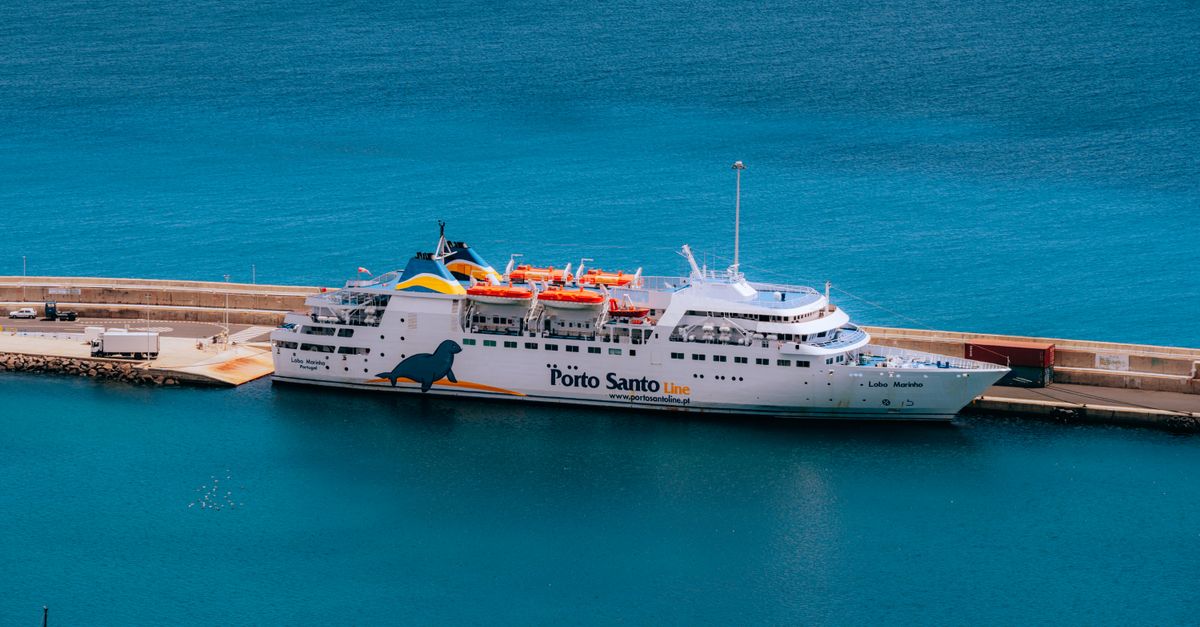
This essential ferry link connects the rugged, mountainous landscape of Madeira to the arid, golden shores of Porto Santo. It serves as the primary lifeline for locals and the most convenient gateway for travelers seeking to swap dramatic cliffs for a nine-kilometer stretch of pristine, therapeutic sand.

The Festa do Senhor Santo Cristo dos Milagres is the most significant religious event in the Azores, featuring a massive, ornate procession through Ponta Delgada. It is a profound display of devotion, blending solemn liturgy with the vibrant, colorful spectacle of flowers and street carpets.

The Festas do Espírito Santo are the defining cultural tradition of the Azores, involving elaborate community-led processions and charitable feasts centered around ornate 'impérios' chapels. It is a profound, living expression of Azorean social cohesion and religious devotion that remains largely untouched by mass tourism.

Fado de Coimbra is a unique, melancholic musical tradition performed by male students and alumni of the University of Coimbra, often singing of lost love, student life, and social protest. It's an essential part of the city's identity and offers a profound glimpse into Portuguese soul.

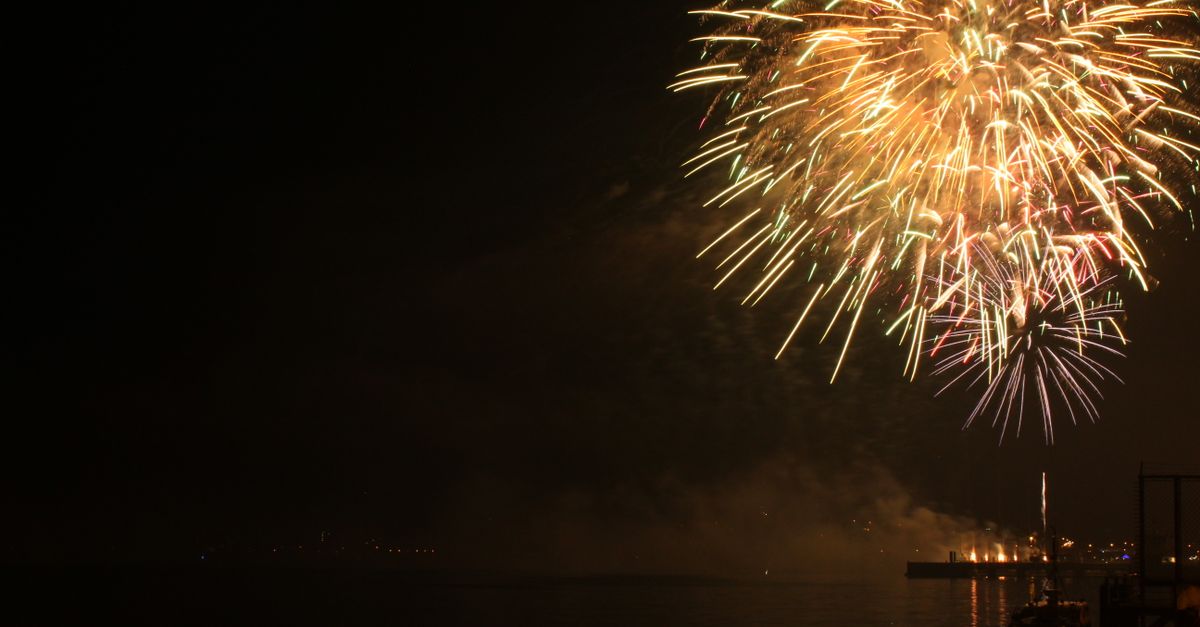
Madeira’s New Year’s Eve fireworks display is a world-record-holding pyrotechnic spectacle that illuminates the natural amphitheater of Funchal Bay. It is widely considered one of the most impressive New Year's celebrations globally due to the dramatic integration of light, sea, and mountainous geography.

The Festa do Vinho da Madeira is Madeira's premier wine festival, celebrating the island's fortified wine heritage with tastings, music, and cultural displays. It's a vital event for understanding and appreciating the unique terroir and history of Madeiran wine.

Entrudo de Lazarim is a deeply archaic and raw Carnival celebration defined by devilish wooden masks and satirical poetry. It remains one of the most authentic and visceral folk traditions in Portugal, centered on the unique craft of local mask-makers.

Festival MED is a vibrant multi-day celebration of world music and Mediterranean culture set within the historic, white-washed streets of Loulé’s old town. It transforms the sleepy municipality into an international cultural crossroads, blending diverse global rhythms with the authentic architecture of the Algarve interior.

Andanças is a vibrant festival dedicated to world dances and music, fostering a sense of community through shared movement and cultural exchange. It stands out as one of Portugal's most significant cultural gatherings, emphasizing workshops, sustainability, and traditional folk heritage.

Held in the waterfront Jardim Pescador Olhanense, the Festival do Marisco is the Algarve's premier celebration of shellfish and coastal culinary heritage. It transforms the fishing port of Olhão into a massive open-air dining room, drawing thousands for fresh, locally sourced seafood and live musical performances.

The Festas da Cidade de Faro celebrates the anniversary of Faro's elevation to city status with a program of cultural events, concerts, and local traditions. It offers a glimpse into the city's heritage and contemporary life, drawing locals and visitors alike.

The Festa da Flor is Madeira's vibrant spring tribute to its sub-tropical landscape, transforming Funchal into a kaleidoscopic spectacle of floral carpets and fragrant displays. It is the island's most famous cultural celebration, marking the arrival of spring with massive parades and intricate floral architecture.

Semana Santa in Braga is the most authentic and solemn display of religious devotion in Portugal, transforming the city into a living theater of ancient liturgical processions. It is an essential cultural experience for those looking to witness the deep-rooted spiritual identity of the Minho region.

The Romaria de São Torcato is a deeply traditional religious and cultural pilgrimage held in Guimarães, honoring the region's first bishop. It is a quintessential Minho experience characterized by grand religious processions and authentic folk energy.

The Caretos de Podence are UNESCO-recognized masqueraded figures who dominate the village of Podence during Carnival, embodying ancestral pagan spirits through raucous, bell-clanging revelry. It is a rare, living link to Iberian pre-Roman traditions that transforms a quiet Transmontano village into a sensory explosion of color and sound.

The Festa dos Tabuleiros is a spectacular, rare quadrennial celebration in Tomar dedicated to the Holy Spirit, characterized by a massive procession of women balancing towering, flower-laden headdresses. It is one of Portugal's most visually arresting and ancient folk traditions.