Faial–Pico ferry
This thirty-minute Atlantic crossing links the Horta marina on Faial to the volcanic slopes of Madalena on Pico. The route functions as the primary maritime link for the central Azores, providing a direct view of Mount Pico’s ascent from the water that land-based vantage points lack.
The transit is an essential experience in itself, offering a dramatic vantage point of Mount Pico rising directly from the sea that no land-based tour can replicate.
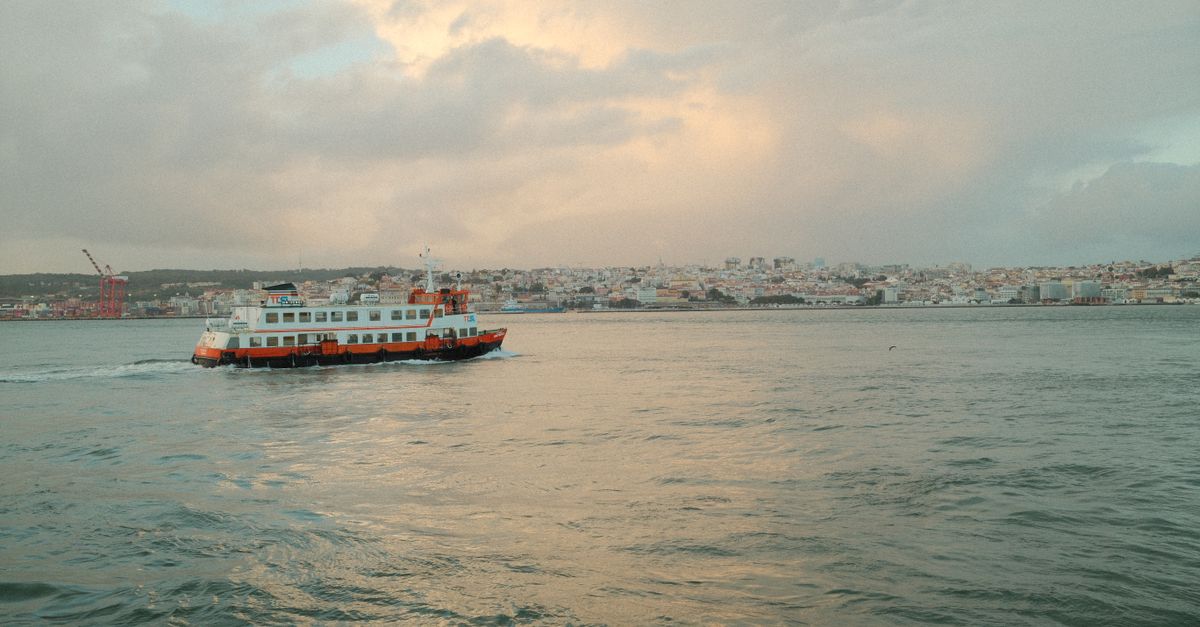
Why go
The thirty-minute crossing provides a direct view of Mount Pico, which rises 2,351 meters from the sea. As the ferry moves between Horta and Madalena, the mountain fills the horizon. This route is the only way to see the volcano's scale and its steep volcanic slopes from the water.
Why you might skip it
Travelers prone to severe seasickness may find the crossing challenging, as the channel can experience choppy swells regardless of the calm weather on land. Those expecting a luxury cruise experience will be disappointed by the strictly functional nature of the ferry vessels.
What to do
Sit on the outer deck if weather permits to capture photographs of the approaching Pico coastline. The view of the Horta harbor receding as you leave Faial is arguably as impressive as the arrival at the black basalt shores of Madalena.
What to eat
The area surrounding the Horta terminal centers on the historic Peter Café Sport, famous for its regional gin cocktails and fresh tuna steaks prepared with local herbs. In Madalena, the harbor-front restaurants specialize in limpets grilled with garlic and butter, served alongside crusty bread. The local volcanic soil produces unique white wines that accompany these maritime dishes, and the nearby bakeries offer traditional sweet bread and queijadas that sustain transit periods during longer wait times at the port.
History & origin
These islands have been inextricably linked by maritime trade and social exchange since the settlement of the Azores, with this ferry line serving as the modern successor to traditional boat traffic that has defined regional life for centuries.
Getting there & around
The Horta ferry terminal is centrally located within walking distance of the famous Peter Café Sport; the Madalena terminal is situated at the town's harbor, close to all major regional bus connections.
Common planning mistakes
The primary error involves failing to account for tidal shifts and specific seasonal schedules that reduce frequency during off-peak months. Attempting to board without a pre-purchased ticket during the summer high season results in long wait times, as limited capacity on popular morning departures frequently sells out. Overlooking the necessity of arriving at the terminal thirty minutes prior to departure causes missed connections, as boarding gates close strictly to maintain the departure rhythm.
Less ideal for
Those with extreme motion sickness or travelers unwilling to deal with the inevitable logistical delays caused by high winds.
Practical notes
Always carry a light windbreaker even in summer, as the channel wind can be significantly colder than the air in the towns. Keep your ticket and identification handy for boarding checks.
Where it sits








More journeys across Portugal
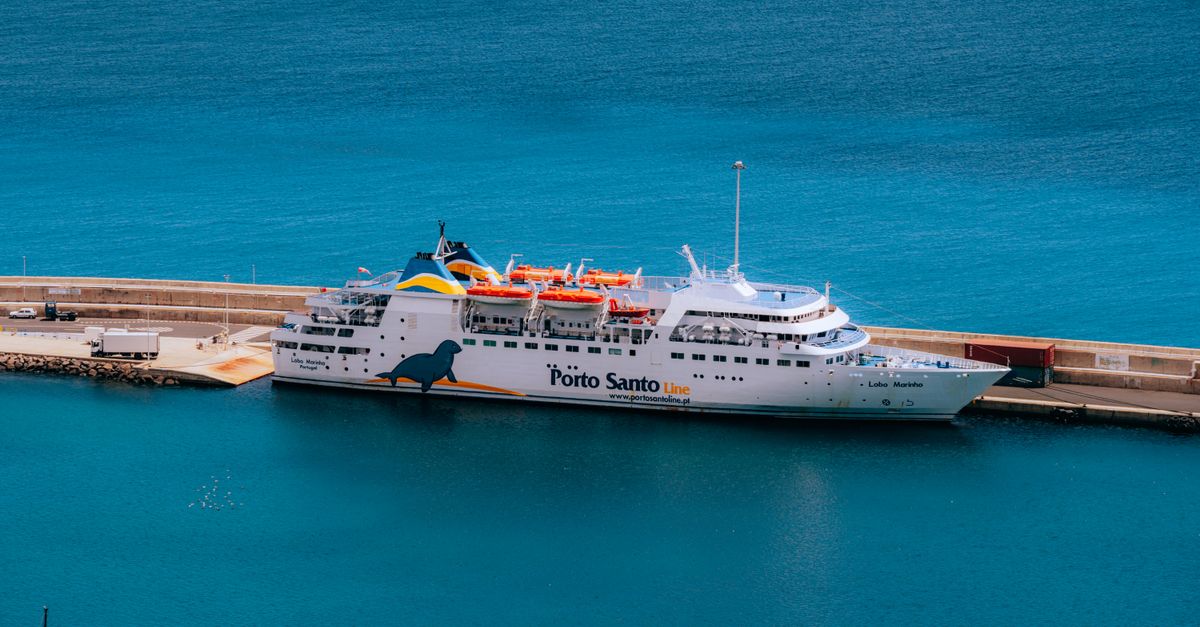
Madeira–Porto Santo ferry
This essential ferry link connects the rugged, mountainous landscape of Madeira to the arid, golden shores of Porto Santo. It serves as the primary lifeline for locals and the most convenient gateway for travelers seeking to swap dramatic cliffs for a nine-kilometer stretch of pristine, therapeutic sand.
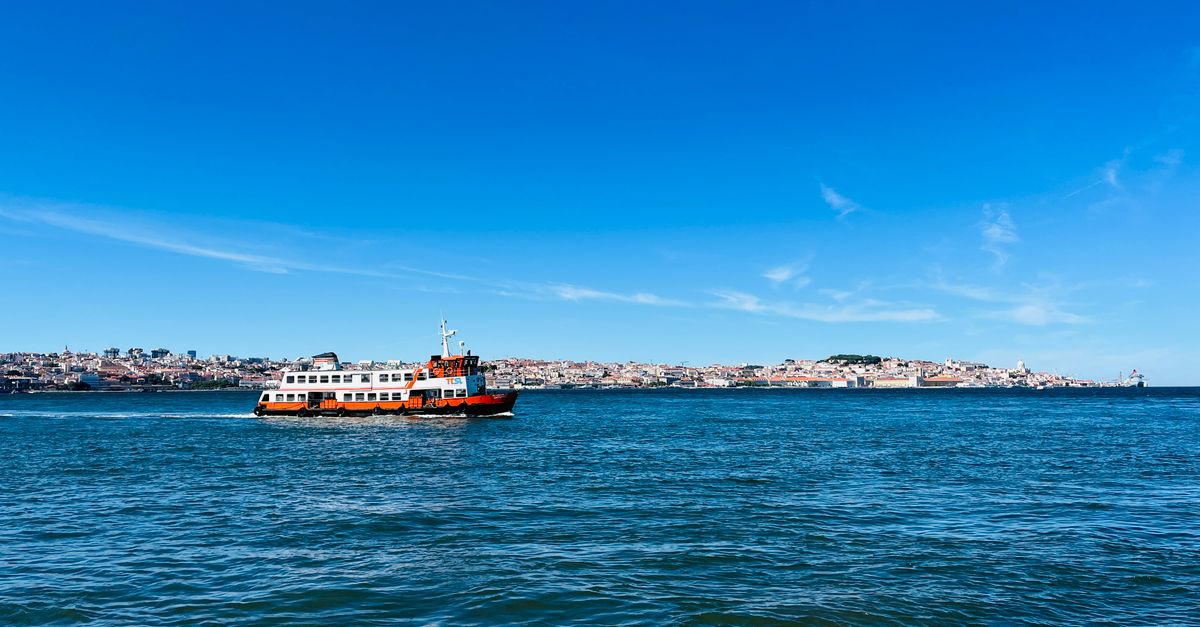
Tagus ferry (Transtejo)
The Transtejo ferry network connects central Lisbon to the Setúbal Peninsula. It serves as a daily transit route across the Tagus, providing a direct view of the city shoreline from the water.
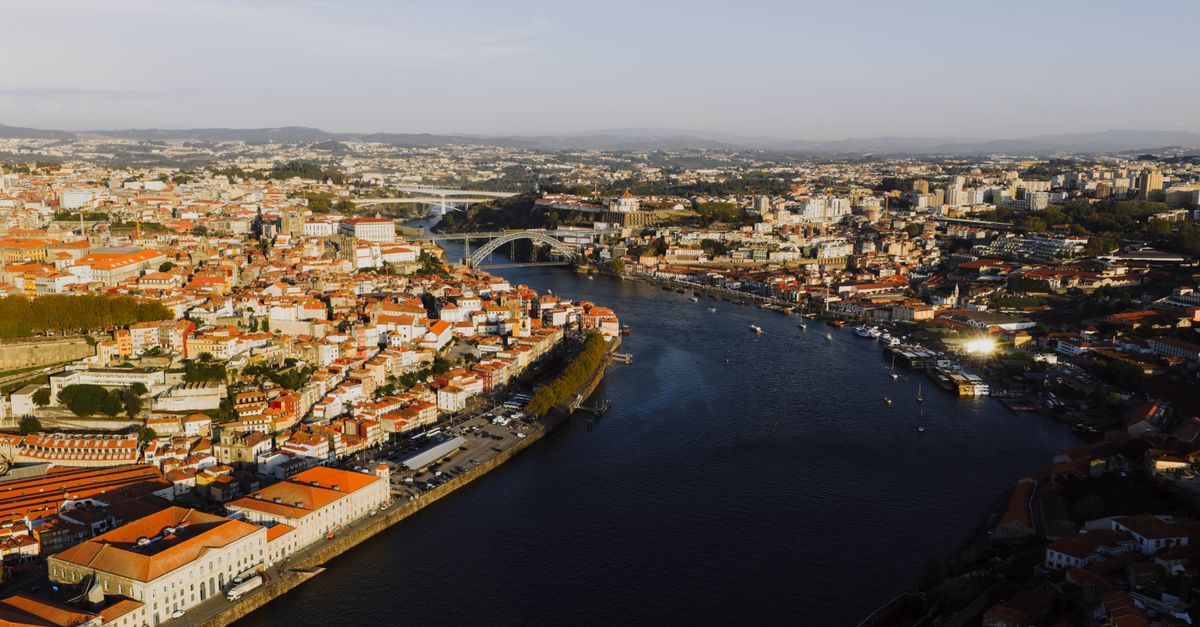
Alfa Pendular (Lisbon–Porto)
The Alfa Pendular is Portugal’s premier high-speed rail service, connecting the nation's two largest cities, Lisbon and Porto, in under three hours. It serves as the primary artery for business and leisure travel across the country's coastal corridor.
Linha de Cascais
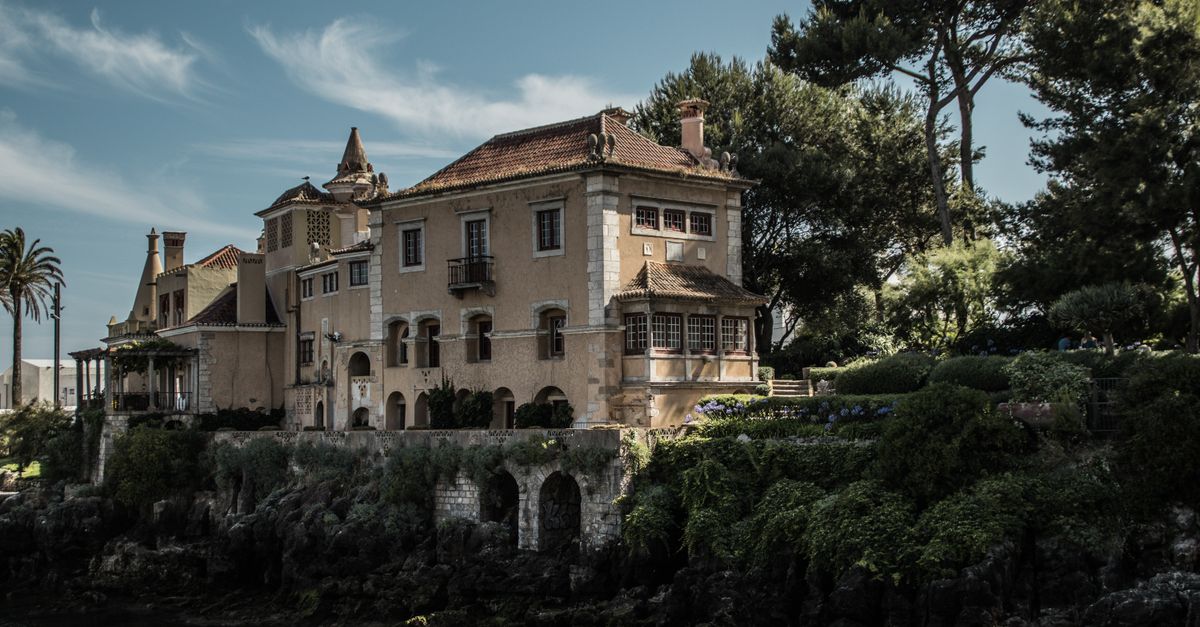
The Linha de Cascais is the classic suburban coastal railway that links central Lisbon to the glamorous resort towns of Estoril and Cascais. It serves as an essential artery for commuters and sun-seekers alike, hugging the Tagus River and Atlantic coastline for the majority of its route.

Linha de Sintra
The Linha de Sintra line connects Rossio station in central Lisbon to Sintra, serving as the rail link for commuters and travelers moving between the city and the Serra de Sintra.
Linha do Algarve
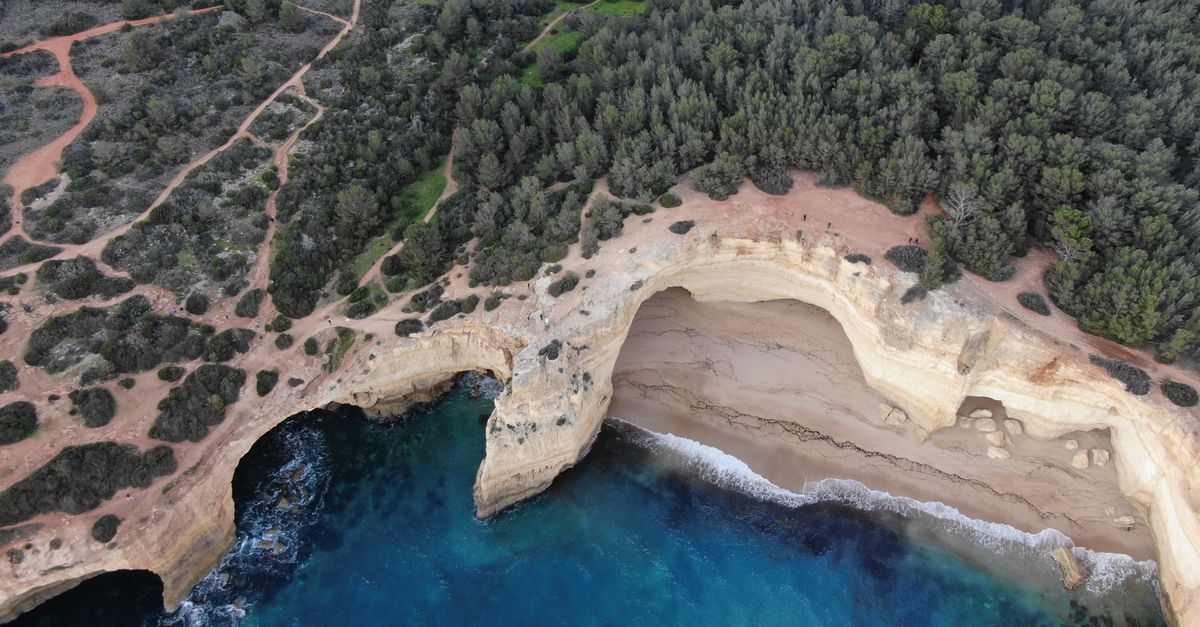
The Linha do Algarve is a regional railway connecting the western, central, and eastern hubs of the region along the southern coast. It serves as an essential link for travelers looking to experience the diversity of the Algarve without relying on coastal highway traffic.