Optional
Wine Estate· Algarve
Quinta do Francês
A small, family-run estate near Silves producing Syrah, Touriga Nacional, and Aragonez reds alongside a crisp white. The focus is on intimate, small-batch wine production.

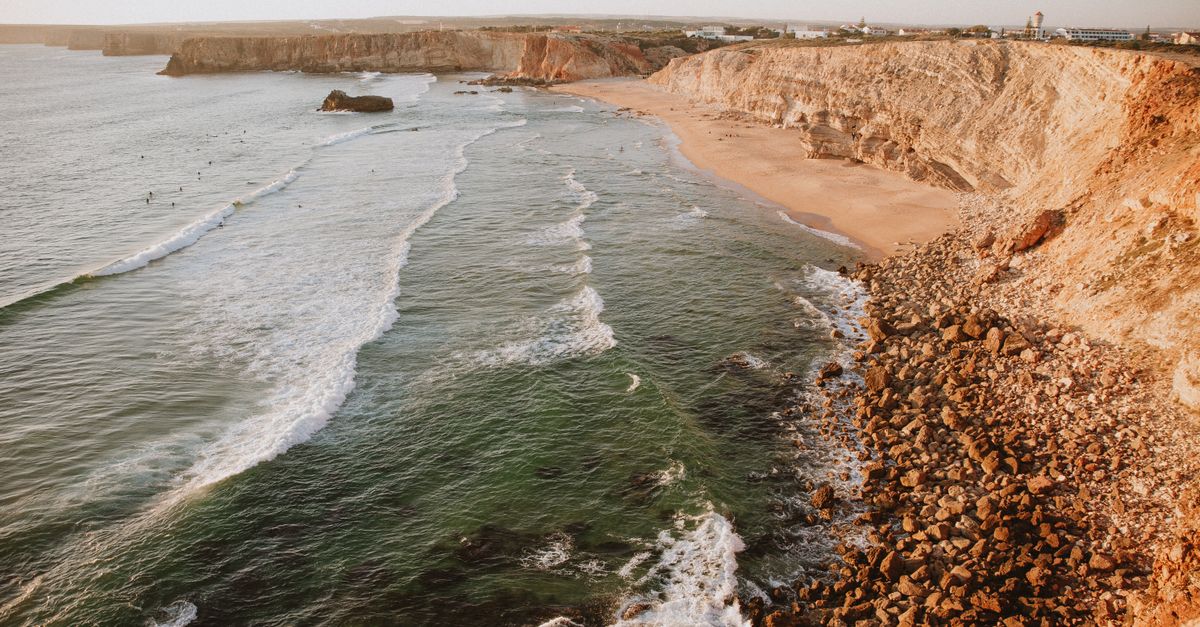
Golden cliffs and surf in the west, barrier islands and salt pans in the east.
The Algarve is Portugal's southern coast — golden cliffs and surf in the west, barrier islands and salt pans in the east, and a year-round climate that makes it the country's most-visited region. Beyond the resorts there's a real region: the surf town of Sagres, the Ria Formosa, and a fast-rising wine scene.
The west coast from Sagres to Lagos is the surf-and-cliff Algarve; the east from Tavira to the Spanish border is quieter, flatter and built on salt and seafood. Inland, the Serra de Monchique and the Barrocal limestone break the coast's hold.
Converted manor houses and boutique guesthouses line the narrow streets of the old town, offering quiet environments at a higher price point. For lower costs, the area surrounding the train station provides simpler, functional accommodation. The residential zones near the river afford easy access to local amenities but encounter more foot traffic noise during the high season. Riverside hotels often include views of the salt pans or the sea, balancing proximity to the center with a peaceful atmosphere.
The old town provides proximity to dining and nightlife but introduces noise from evening foot traffic. Apartment rentals inside the historic walls offer character at a premium, while hotels near the marina provide modern amenities and easier luggage access. The residential areas slightly west of the city centre offer lower rates and quieter nights, though these require a twenty-minute walk or a short car ride to reach the main historic sites and port facilities.
The Algarve's wine was long overlooked; now a handful of estates in the limestone Barrocal and on the western cliffs make distinctive whites and reds. Eat the coast's grilled fish and cataplanas, the Tavira salt, and the region's fig and almond sweets.
A small, family-run estate near Silves producing Syrah, Touriga Nacional, and Aragonez reds alongside a crisp white. The focus is on intimate, small-batch wine production.
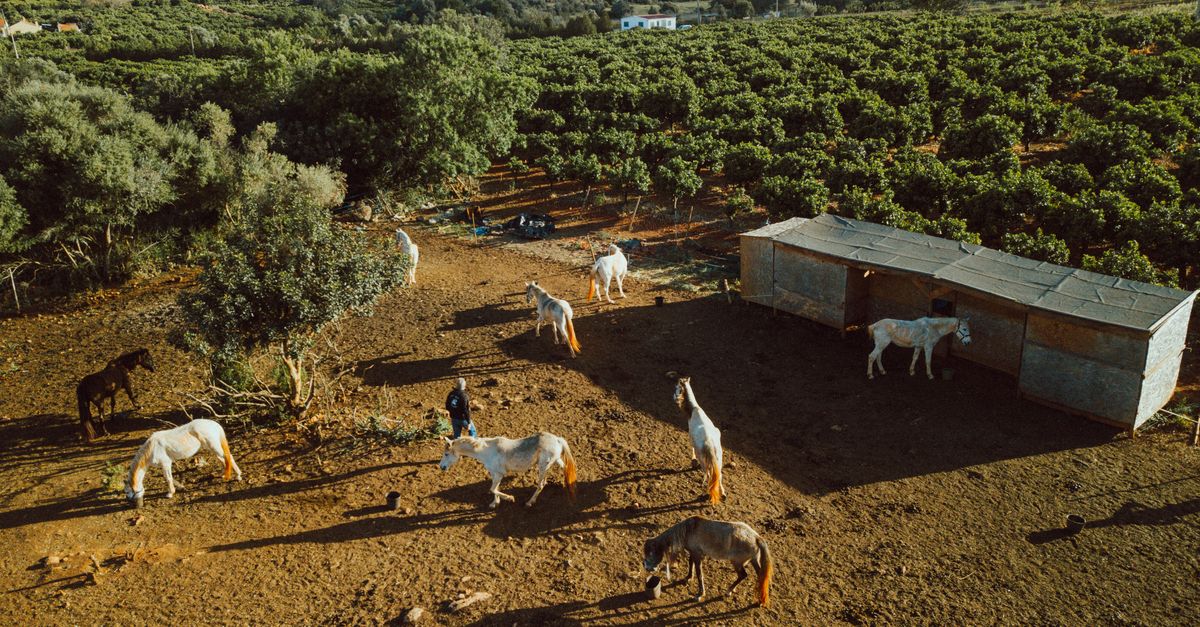
A winery near Guia and Albufeira founded by Sir Cliff Richard and winemaker David Baverstock, producing the Vida Nova and Onda Nova labels from regional fruit.

The Algarve's primary wine estate, located near Estômbar and Carvoeiro, featuring a sculpture-filled property and a large range of reds and whites; a straightforward addition to a beach-focused trip.

A small region of four coastal denominations—Lagos, Portimão, Lagoa, and Tavira—where Atlantic breezes meet Barrocal limestone. Once dismissed as holiday wine, it now produces Syrah, Touriga Nacional, and whites from estates like Quinta dos Vales and Quinta do Francês.

Pastelaria Tavira operates as a local bakery providing traditional Portuguese sweets and espresso. It serves as a functional stop for those seeking standard, consistent baked goods.

O Pescador is a no-frills seafood restaurant in central Silves. It is a reliable destination for fresh Atlantic fish served without the price premiums found along the coast.

The Mercado Municipal de Lagos houses a ground-floor fish market and a first-floor produce hall. It functions as the primary distribution point for the Western Algarve’s agricultural and maritime yields.
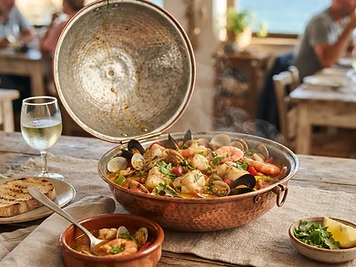
Shellfish and fish steamed in a hinged copper pot—the Algarve's signature one-pot dish, served at the table.
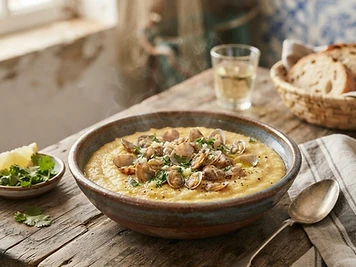
A thick cornmeal porridge with clams, rooted in the traditional cooking of the Algarve coast.
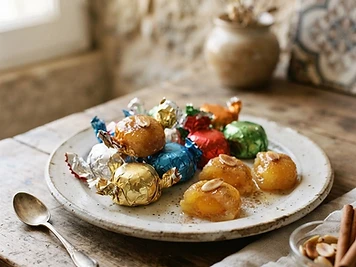
A sweet of egg yolk, almond and cinnamon in foil — Faro's most famous convent dessert.
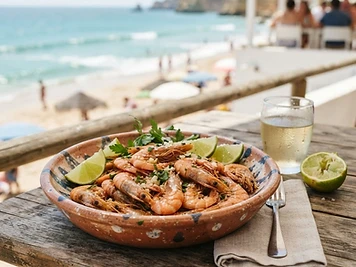
Whole small prawns fried with garlic and lime — the Algarve's most efficient bar snack.
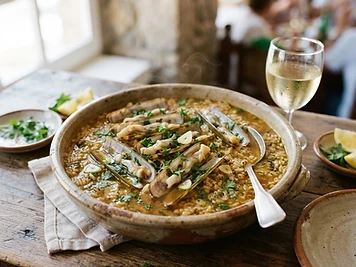
Rice with razor clams—the Algarve's standard for seafood rice.
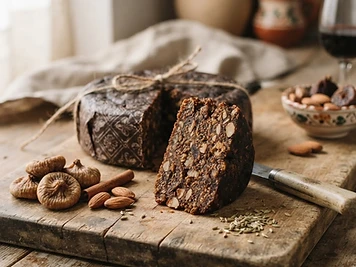
A 'cheese' made of figs, almonds and aguardente — the Algarve's old sweet, shaped like a cheese.
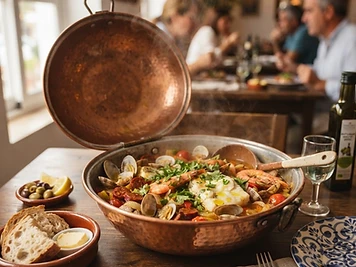
A seafood stew steamed in a copper, clam-shell pot—a defining dish of the Algarve.
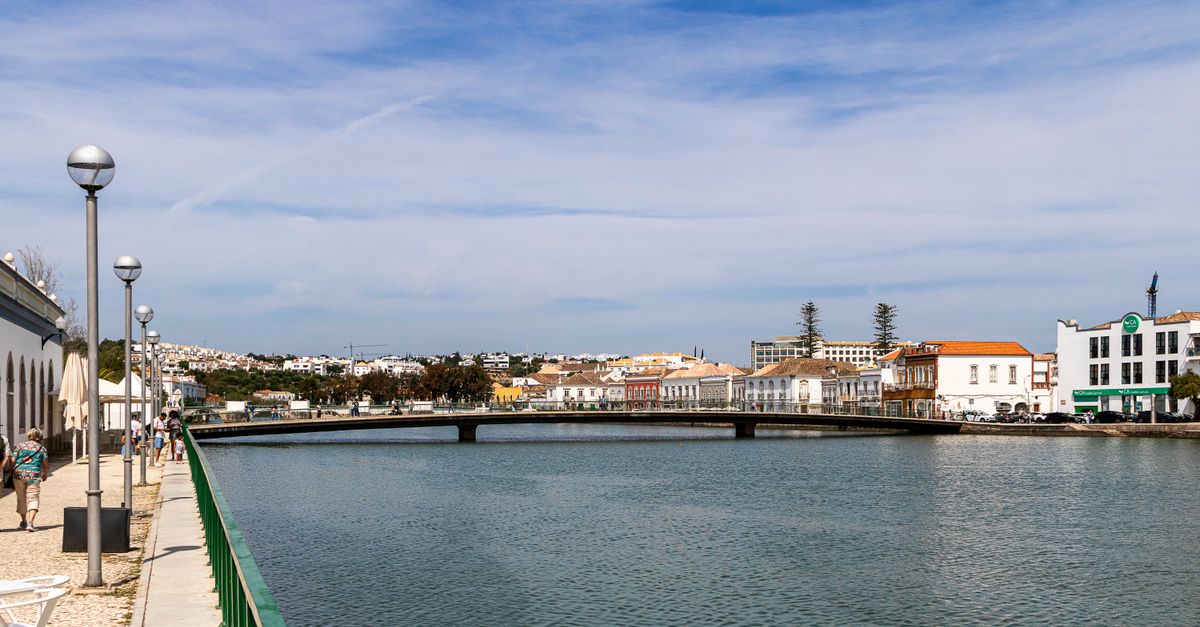
The Algarve's most graceful town — a river, 37 churches, a Roman bridge, and the gateway to the quiet eastern islands.

A historic port town turned the Algarve's best all-round base — old-town charm, dramatic cliffs to the west, and the gateway to the Costa Vicentina.
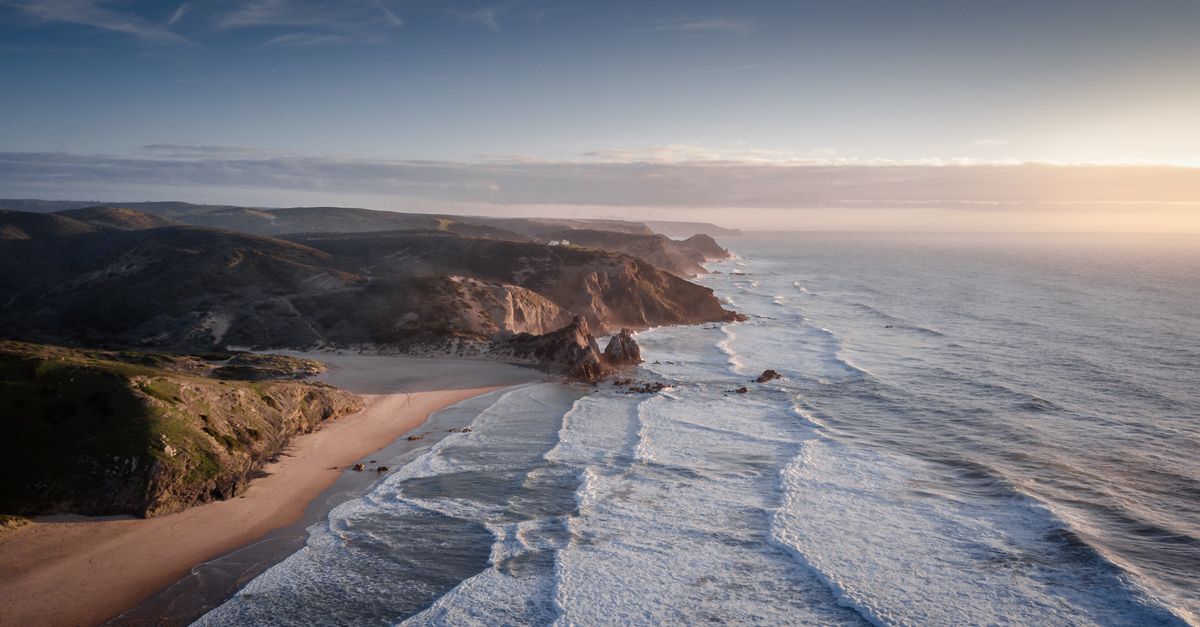
A whitewashed hill village and the gateway to the Costa Vicentina's wild beaches — surf, cliffs, and the west Algarve's quiet soul.
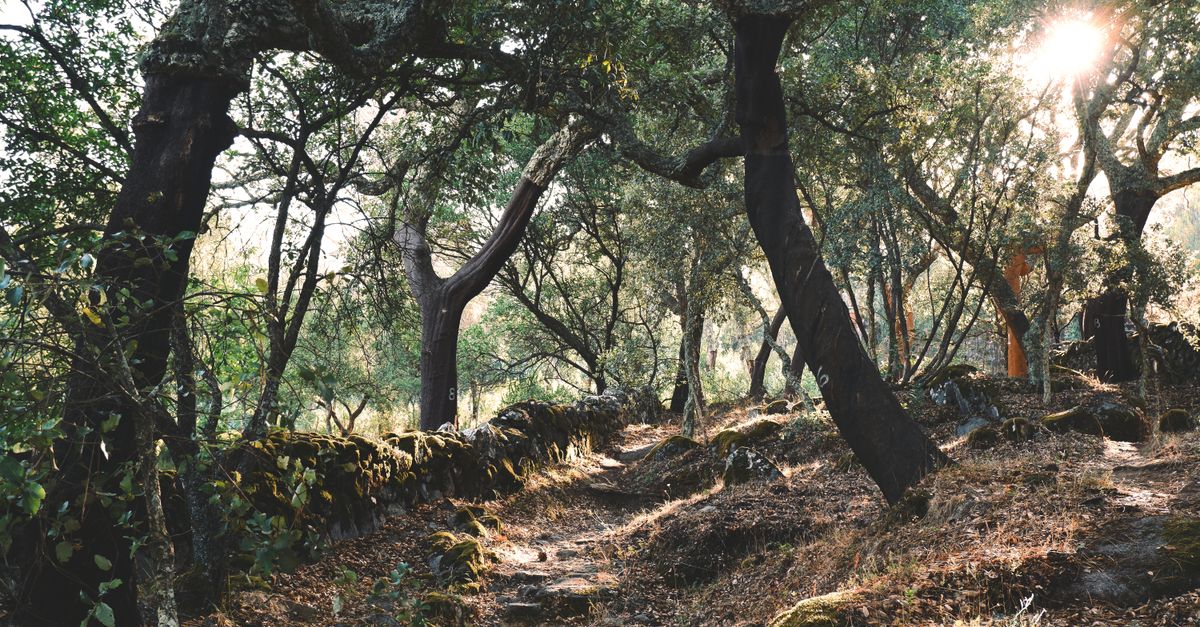
A mountain town in the Algarve's green interior — cork forests, hot springs, and the climb to Foia, the region's highest point.

The Algarve's party-and-resort capital — a pretty old town drowned in high-rise tourism and nightlife.
The Linha do Algarve is a regional railway connecting the western, central, and eastern hubs of the region along the southern coast. It serves as an essential link for travelers looking to experience the diversity of the Algarve without relying on coastal highway traffic.
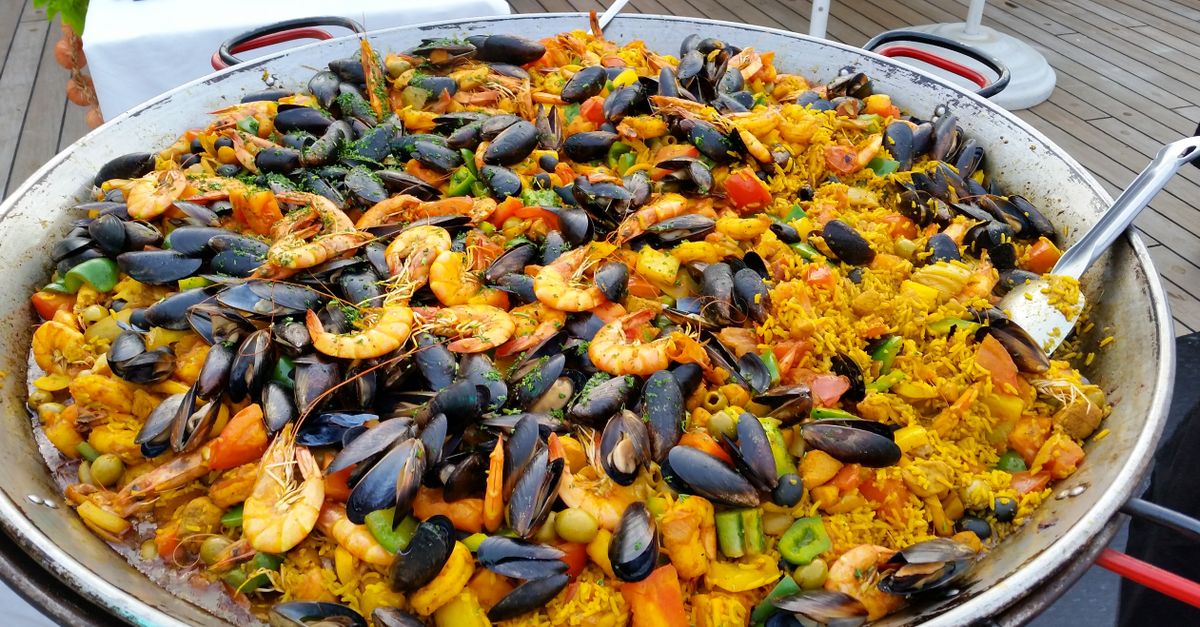
Held in the Jardim Pescador Olhanense, the Festival do Marisco focuses on regional shellfish. The event converts the Olhão fishing port into an open-air dining area, serving locally sourced seafood alongside live musical performances.
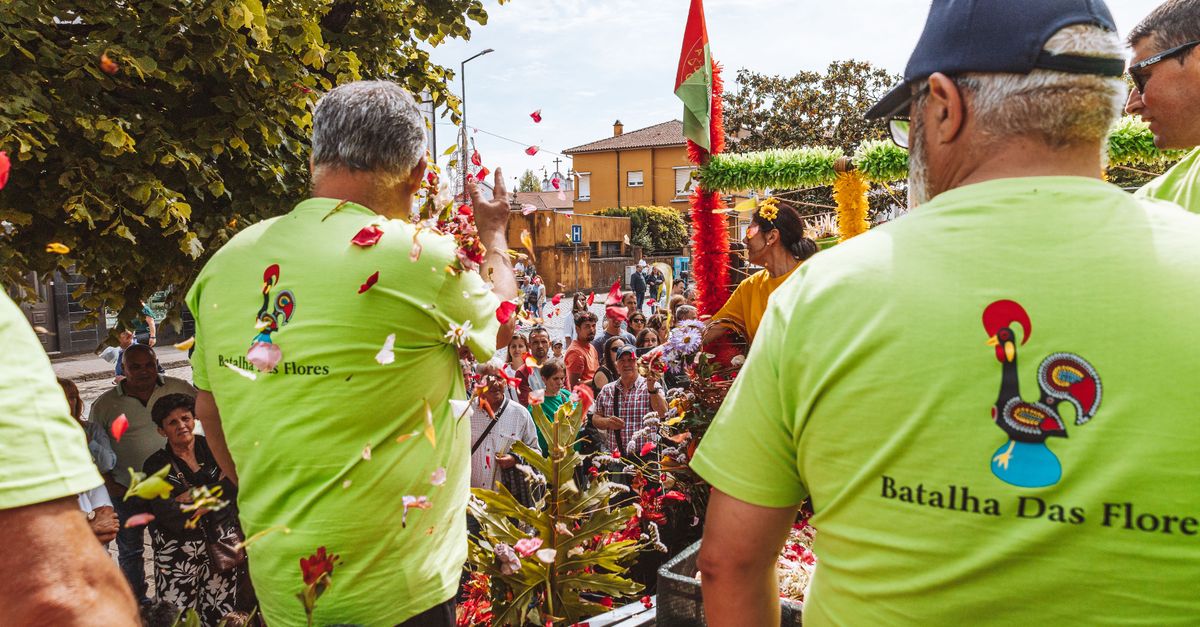
The Festas da Cidade de Faro marks the anniversary of Faro's elevation to city status with concerts, exhibitions, and public events. It provides a local perspective on the city's civic identity.
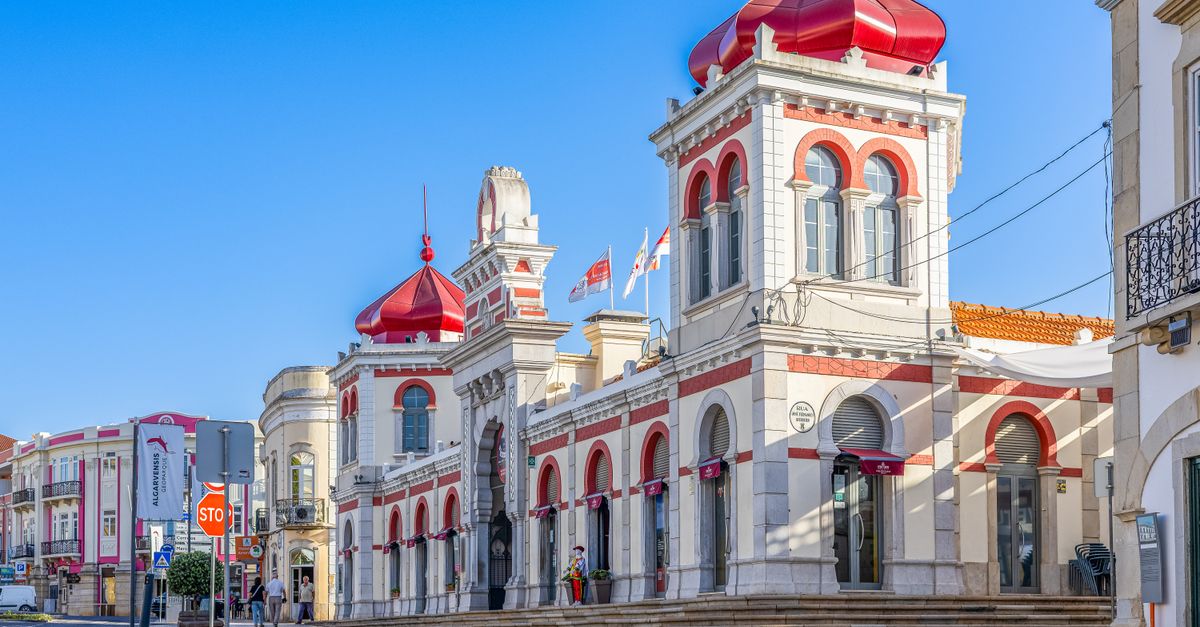
Festival MED is a multi-day event for world music and Mediterranean culture located in the narrow streets of Loulé’s old town. It turns the municipality into an international cultural hub, staging performances among the architecture of the Algarve interior.

Carrapateira features two exposed Atlantic surf breaks at Praia da Bordeira and Praia do Amado, backed by limestone cliffs and sand dunes. It is a reliable surf destination in the Algarve, accessible to varying skill levels.

Ria Formosa is a vast labyrinth of barrier islands, marshes, and tidal lagoons that serves as the Algarve’s most vital ecological sanctuary. It acts as a protective buffer between the Atlantic Ocean and the mainland, fostering a unique biodiversity hotspot.

The N120 and N268 roads connect Aljezur to the western coastline, passing cliffs and Atlantic beaches. This route provides access to the protected landscapes of the Southwest Alentejo and Vicentine Coast Natural Park.

The southwesternmost point of mainland Europe, featuring 75-meter cliffs, an active lighthouse, and exposed Atlantic coastline.

Ponta da Piedade is a headland of limestone cliffs, sea arches, and grottoes. It is the primary natural site of the western Algarve, overlooking Atlantic water.

The Trilho dos Sete Vales Suspensos is a 6-kilometer cliff-top trail running between Praia da Marinha and Praia de Vale Centeanes. The route passes limestone arches, sinkholes, and cliff formations above the Atlantic.

Cerro da Vila contains the remnants of a Roman villa, baths, and fish-salting tanks within the Vilamoura resort area, documenting the Roman occupation of the Algarve.

The Fortaleza de Sagres occupies a wind-exposed promontory at the edge of the Algarve. The site contains fortifications and archeological remains associated with 15th-century maritime exploration.

Located on the highest ground in Tavira, this church incorporates Manueline elements and sits above the Gilão River and the town center.

Tucked away in the historic center of Lagos, this 18th-century church is widely considered one of the most stunning examples of gilded woodcarving in the Algarve. Its unassuming exterior belies a Baroque interior that radiates opulence and religious devotion.

Located at the highest point in Tavira, these medieval fortress ruins provide a view of the town's defensive layout. The stone ramparts and interior garden overlook the terracotta roofs of the Algarve.
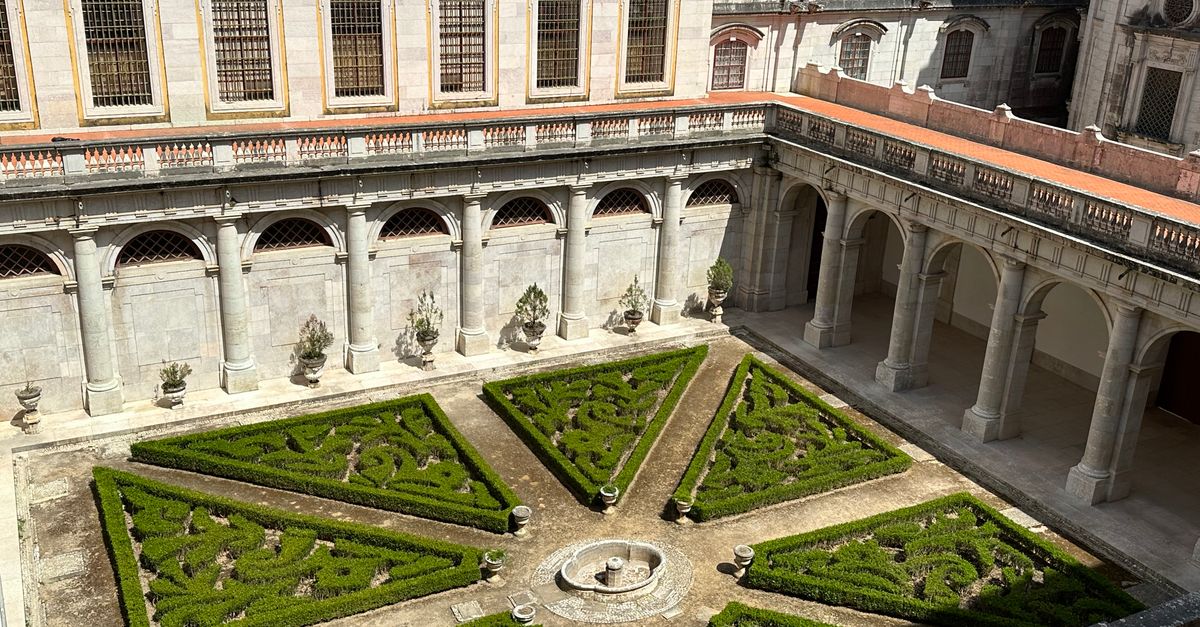
The Palácio de Estoi is a late 19th-century Neo-Rococo palace characterized by a pink facade and terraced gardens. It represents the residential design favored by the Algarve's rural aristocracy of the period.

This 17th-century fortification guards the harbor entrance of Lagos. It serves as a study of the town's maritime defensive architecture, balancing the structure of its military walls with vantage points overlooking the Atlantic coast.

Castelo de Silves is a fortification constructed from red sandstone overlooking the Arade River valley. It maintains segments of walls and cisterns dating to the Islamic period.

This 18th-century Baroque church features a gold-leaf interior and the Capela dos Ossos, a chapel constructed from the bones of over 1,000 monks.

The Sé de Faro serves as the ecclesiastical center of the Algarve, combining Gothic, Renaissance, and Baroque elements within the city's old walls. It functions as a quiet point of interest in the Cidade Velha.

Silves Cathedral is a Gothic structure built from local red sandstone. It marks the historical center of Silves, the former capital of the Algarve.
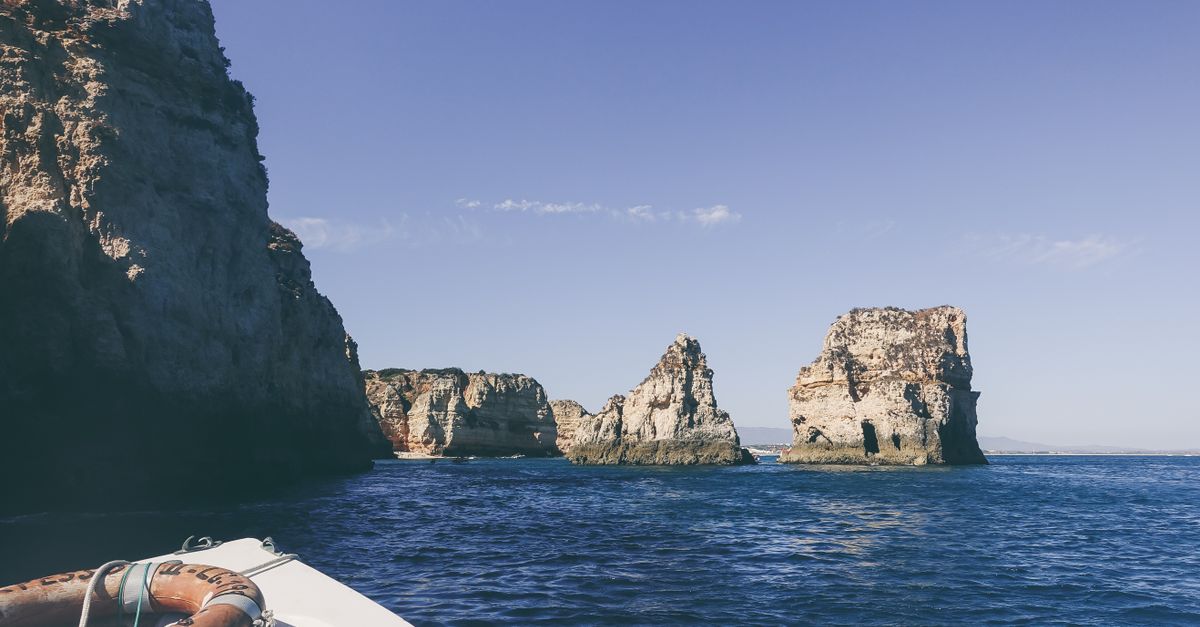
A cliff-protected golden cove near Carvoeiro, with a flat rock platform for sunbathing and calm, clear water.
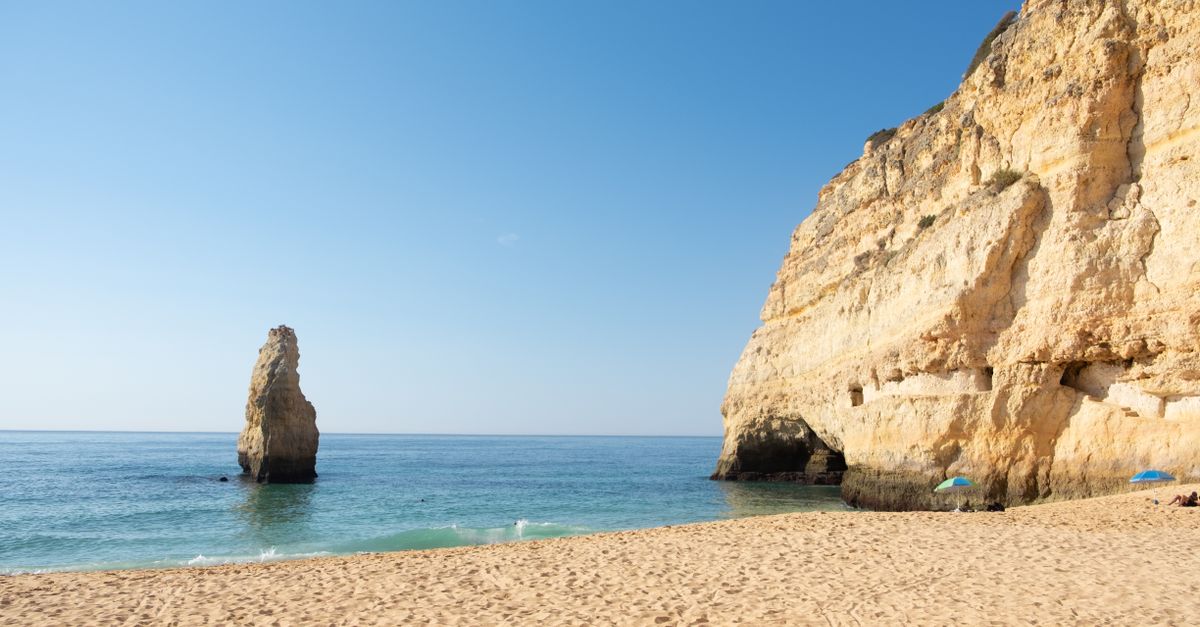
An empty barrier-island beach reached by ferry from Fuseta — miles of sand, no cars, and the Ria Formosa at your back.
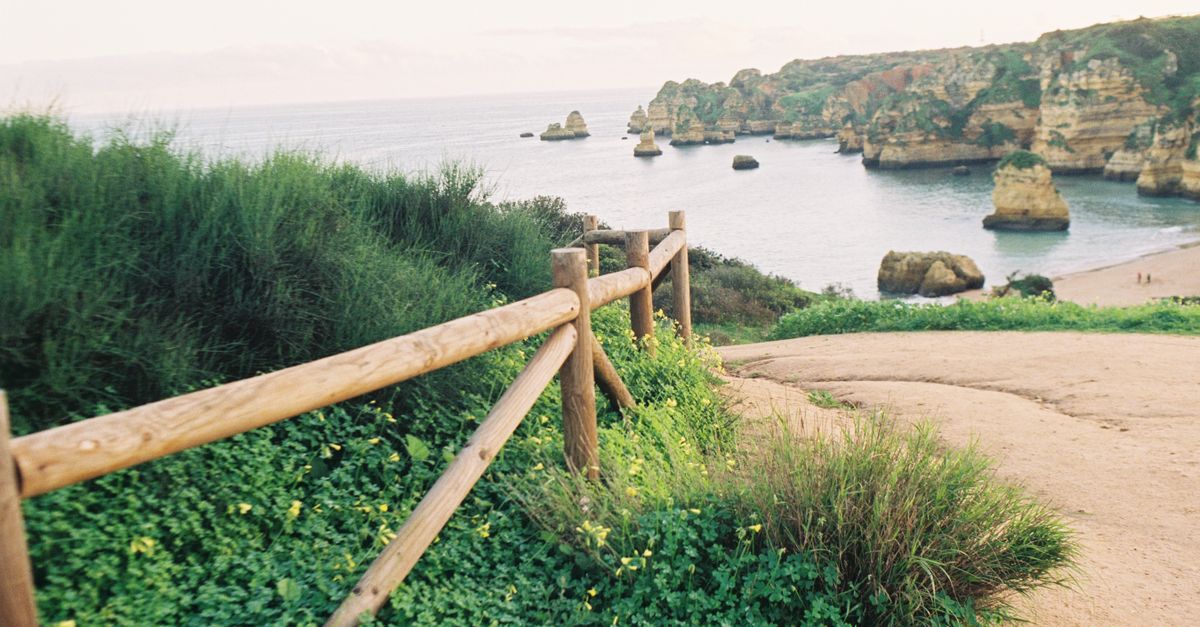
A long, golden, cliff-free stretch between Vale do Lobo and Quinta do Lago — the Algarve's softest, most open family sand.
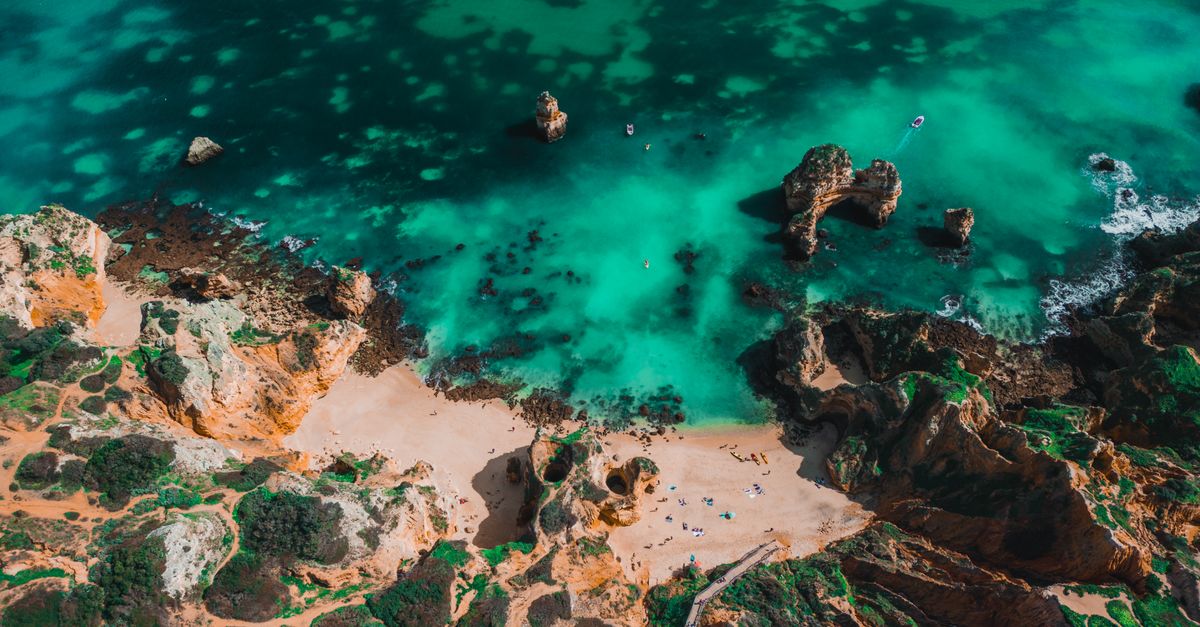
A small town beach tucked between cliffs right in the heart of Carvoeiro — lively, easy, and a jumping-off point for boat caves.

A black-sand cove on the Sagres coast, defined by jagged cliffs, heavy Atlantic swells, and exposure to the open ocean.
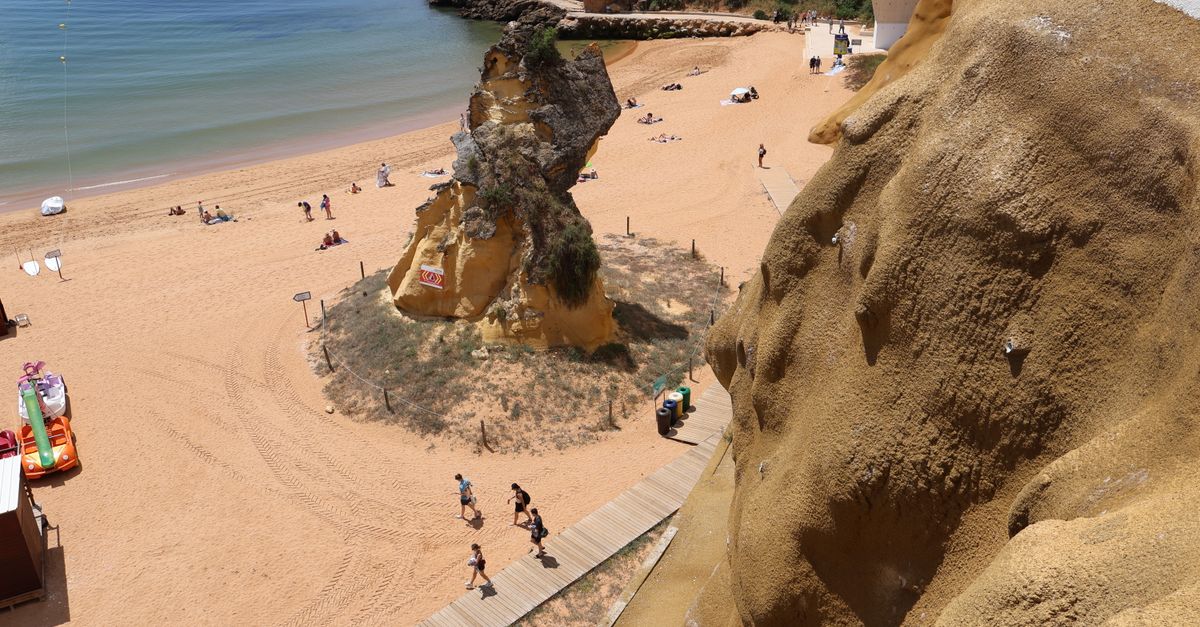
A small, sheltered cove near Lagoa with a natural arch, calm turquoise water, and a tiny fisherman's ramp.
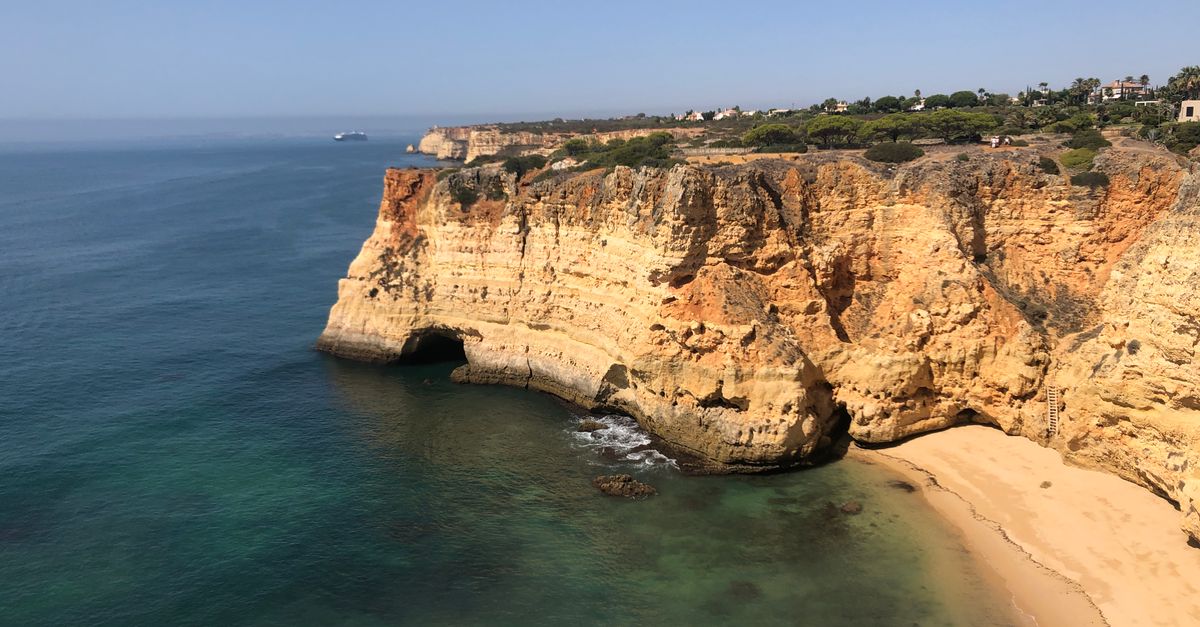
The flagship Ria Formosa island beach — long, duned, and reached by a short ferry from Tavira's quay.
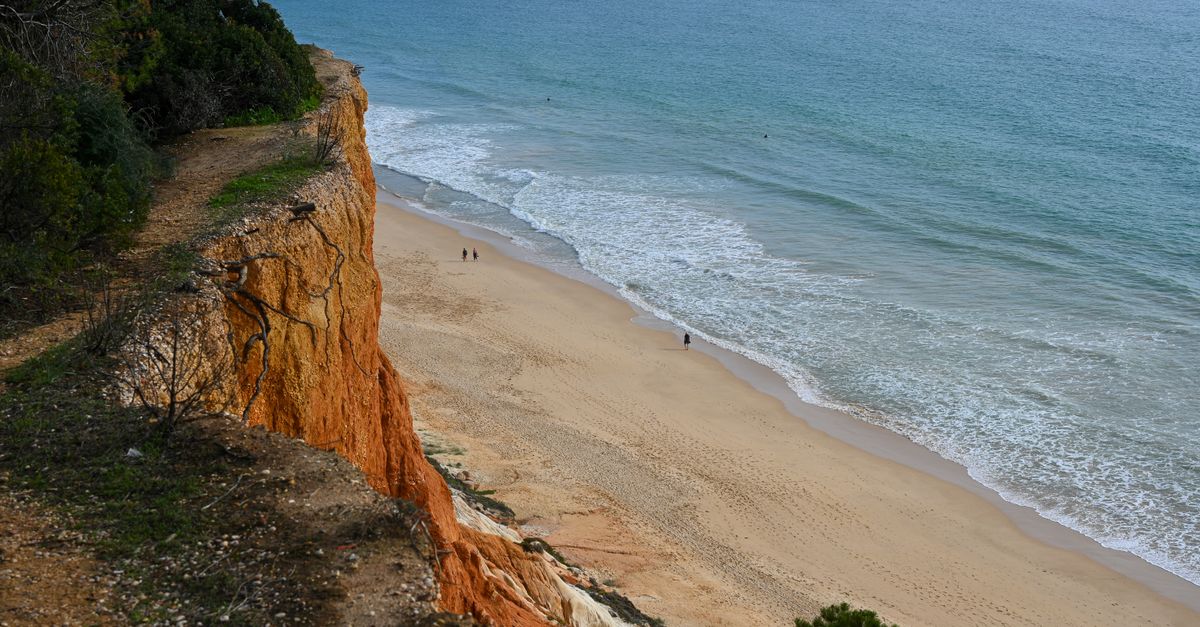
The Algarve's primary beach: a long stretch of sand backed by limestone cliffs and a developed promenade in Portimão.

A sheltered bay near Sagres with a surf school, a beach bar, and a striking cliff backdrop on the Costa Vicentina.

The Ribeira de Seixe enters the Atlantic through a cliff-enclosed bay, creating a river-beach hybrid on the Costa Vicentina.
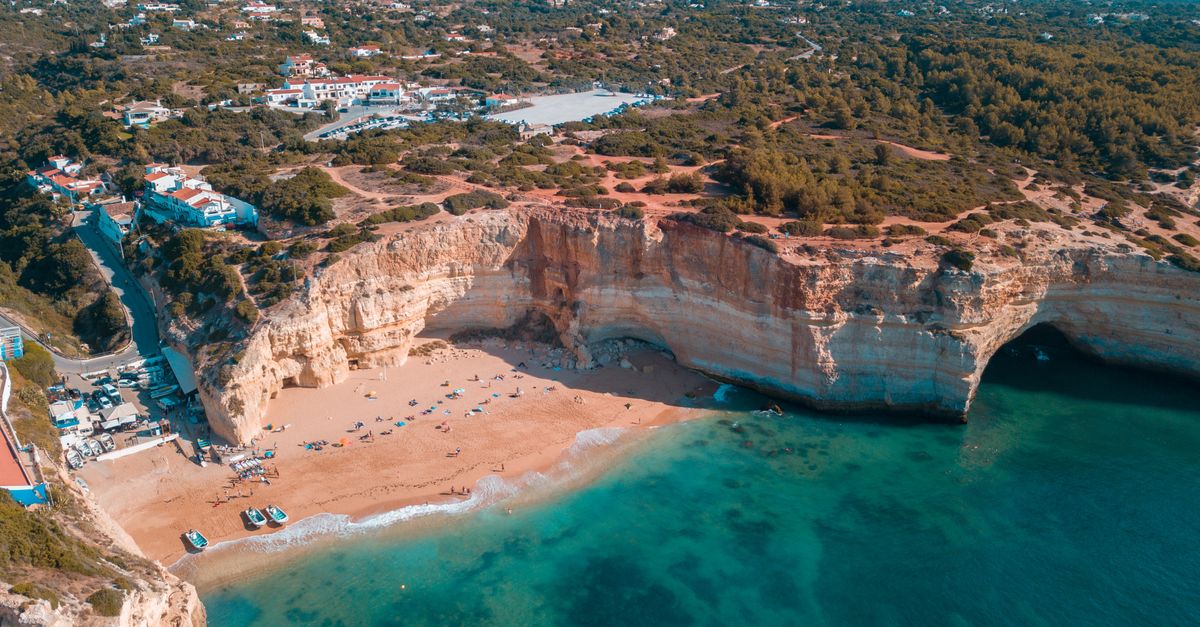
Lagos beach defined by sandstone cliffs and sea stacks accessible via wooden stairs.

Three towering rock stacks give this Alvor beach its name — golden sand, cliff tunnels, and quiet coves at low tide.

A dramatic cliff-girt cove near Sagres, reached by a long wooden stairway down the headland.

A wide, Atlantic-facing beach on the west coast, defined by consistent surf breaks and the undeveloped landscape of the Costa Vicentina.

Access this island beach via a miniature train crossing the Ria Formosa. The site features long, duned sand and a village of former tuna-fishing houses.
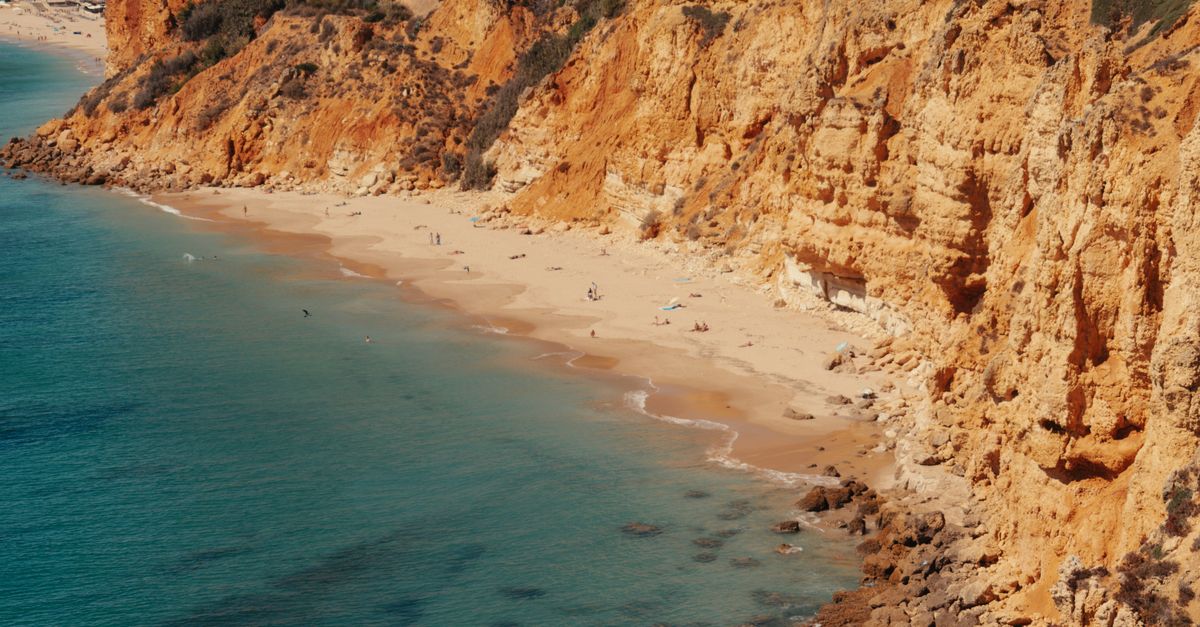
A hidden cove near Carvoeiro, reached through a hand-carved tunnel in the cliff — small, golden, and wonderfully tucked away.
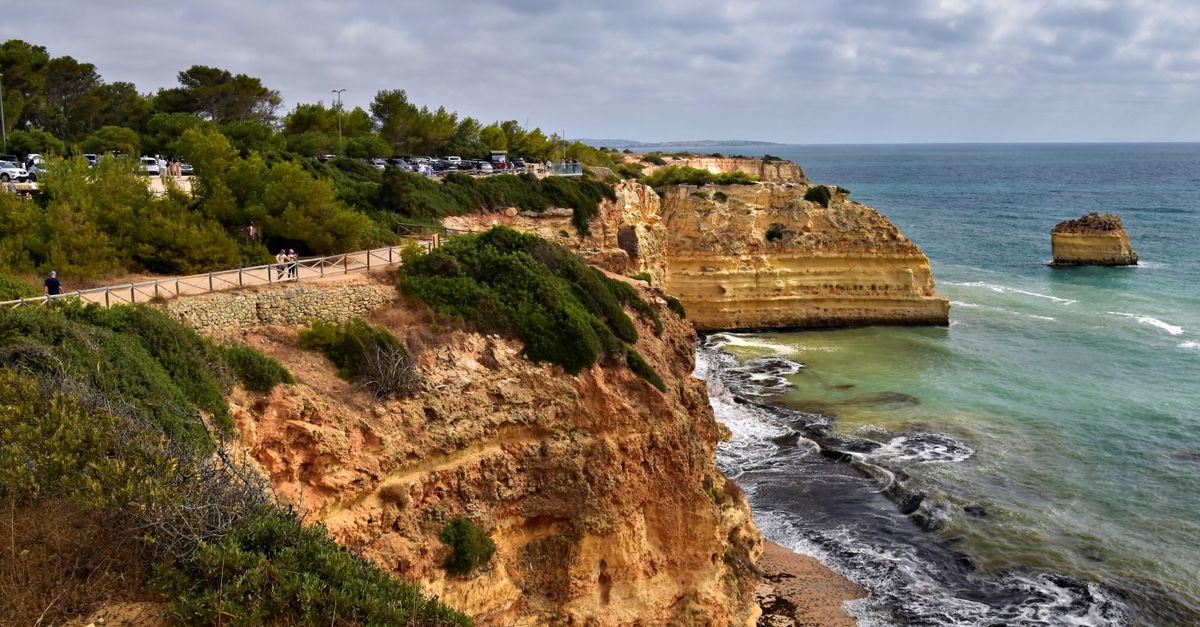
A fishing cove and the launch point for the Algar de Benagil sea cave; the site consists of a narrow sand strip, kayak rentals, and boat traffic.
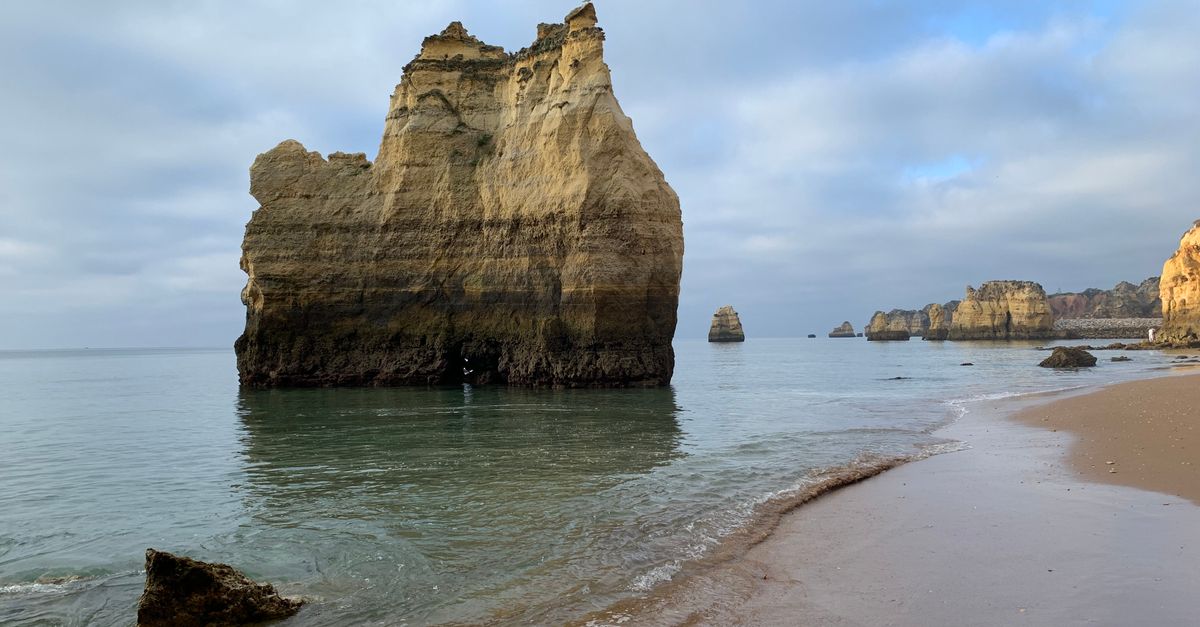
Six kilometers of golden cliff-backed sand between Albufeira and Vilamoura.
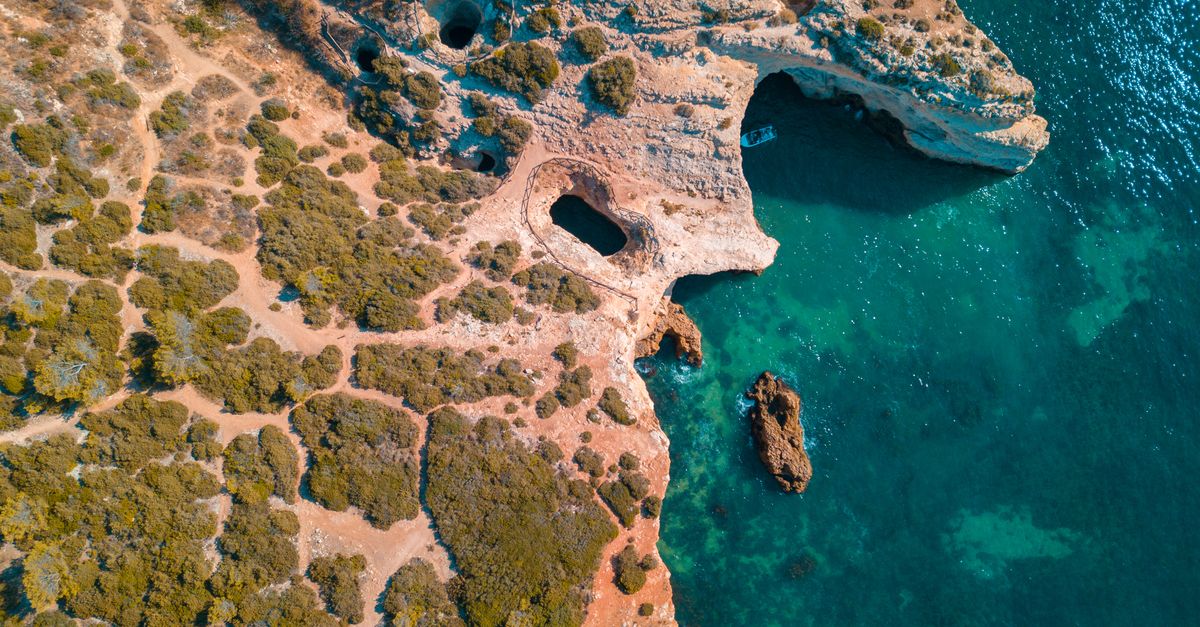
A small cliff-girt cove of sand near Lagos, accessed by a 200-step wooden staircase.

The exposed west-coast breaks around Sagres — the Algarve's reliable surf.
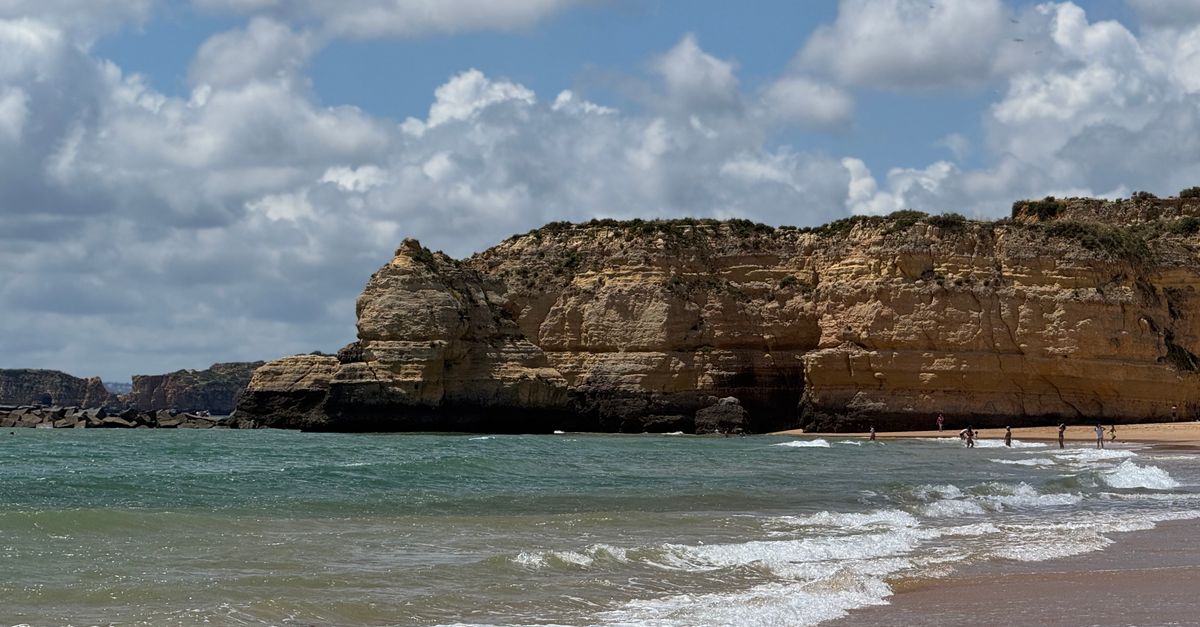
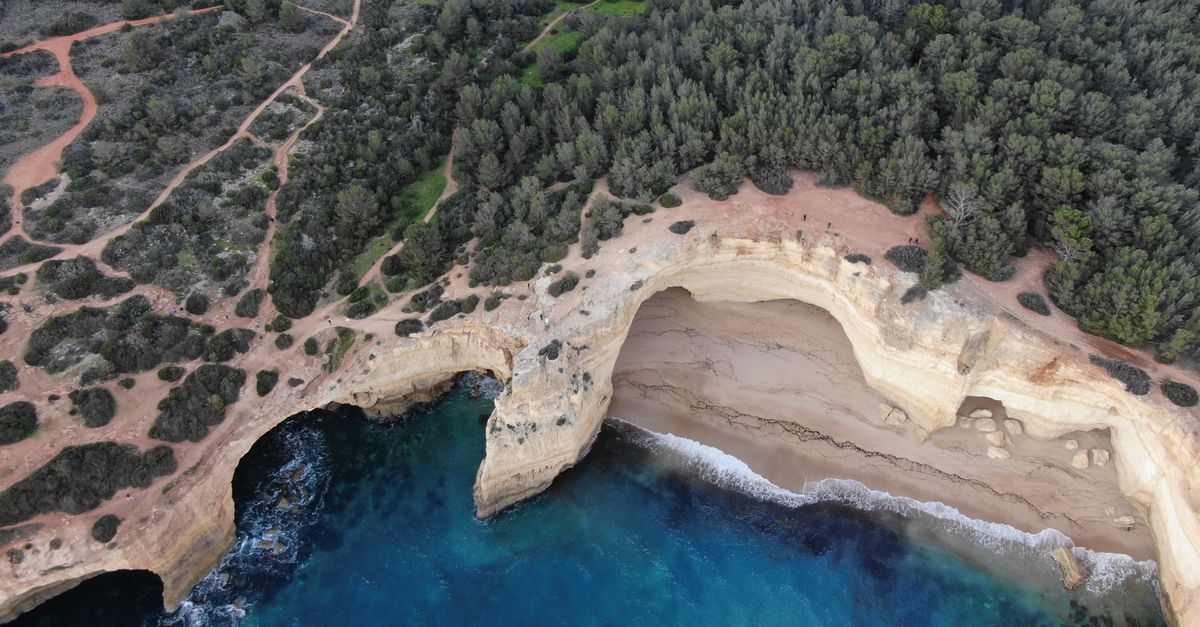
Limestone cliffs enclose a stretch of sand between Carvoeiro and Benagil, featuring prominent sea arches and water access.
We may earn a commission from bookings made through these links. It never changes what we recommend, or what we leave out.