Tavira
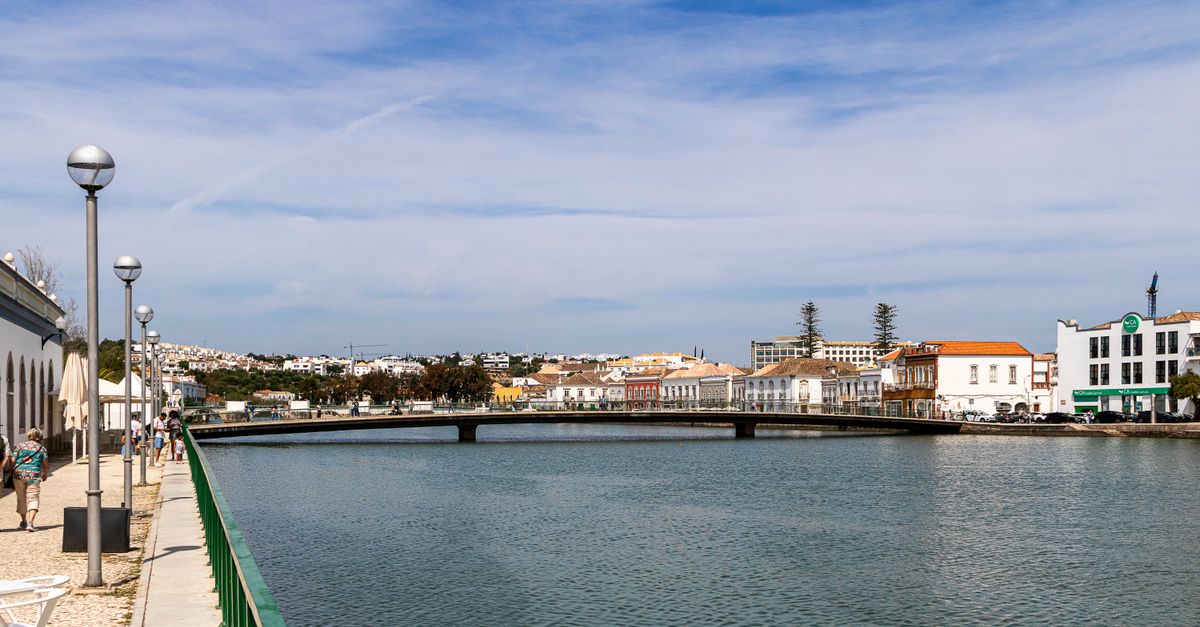
The Algarve's most graceful town — a river, 37 churches, a Roman bridge, and the gateway to the quiet eastern islands.
The best base in the eastern Algarve and the most characterful town in the region.
Why go
A genuinely historic town with a river, churches, a castle-garden, and easy ferries to the barrier-island beaches (Ilha de Tavira, Cabanas). Far less developed than the central Algarve.
Why you might skip it
The beach is a ferry ride away, not in town; quieter nightlife.
What to do
The Roman bridge, the castle garden, the churches, a ferry to Ilha de Tavira beach, the Ria Formosa.
What to eat
Ria Formosa seafood — oysters, clams, crab; octopus.
Where to stay
A base, not a stop. (2–3 nights)
Converted manor houses and boutique guesthouses line the narrow streets of the old town, offering quiet environments at a higher price point. For lower costs, the area surrounding the train station provides simpler, functional accommodation. The residential zones near the river afford easy access to local amenities but encounter more foot traffic noise during the high season. Riverside hotels often include views of the salt pans or the sea, balancing proximity to the center with a peaceful atmosphere.
Getting there & around
Train from Faro; car via A22.
The historic center is compact and pedestrian-friendly, with most sites accessible within fifteen minutes of walking. Cobblestone streets and narrow lanes dominate the town layout. A car is unnecessary for urban exploration but facilitates visits to nearby rural villages. Parking is restricted in the center, with free public lots available across the Gilão River. The train station sits on the northern edge of town, while the ferry terminal provides transit to the barrier island beaches.
Common planning mistakes
Many travelers prioritize the western Algarve resorts, ignoring the distinct, quieter character of this eastern river town. Another frequent error is overlooking the ferry schedule for the Ilha de Tavira, leading to missed boat crossings. Relying solely on a rental car complicates travel, as the town center offers limited parking and many streets are too narrow for vehicle traffic. Attempting to visit during peak summer heat without accounting for the intense solar exposure remains a significant oversight.
Less ideal for
The town functions poorly for those reliant on proximity to the massive, surf-centric beaches of the Atlantic coast. It offers limited appeal to nightlife seekers expecting loud bars or large clubs. The steep, uneven cobblestones create significant mobility challenges for those with physical limitations or those traveling with heavy luggage. Travelers requiring a car to reach their doorstep find the narrow, restricted streets of the historic core frustrating to navigate and park within.
Practical notes
Tavira maintains a functional rhythm where many smaller shops close for a long afternoon siesta between one and four o'clock. The railway station sits a ten-minute walk from the central Roman bridge. Cash remains useful for small cafes and the ferry tickets. The municipal market operates daily except Sunday, offering regional produce. Most banks cluster near the river, and the town experiences quiet evening hours compared to the western tourist hubs.
What's here

Pastelaria Tavira
Pastelaria Tavira operates as a local bakery providing traditional Portuguese sweets and espresso. It serves as a functional stop for those seeking standard, consistent baked goods.

Castelo de Tavira
Located at the highest point in Tavira, these medieval fortress ruins provide a view of the town's defensive layout. The stone ramparts and interior garden overlook the terracotta roofs of the Algarve.

Igreja de Santa Maria do Castelo
Located on the highest ground in Tavira, this church incorporates Manueline elements and sits above the Gilão River and the town center.
Praia da Ilha de Tavira
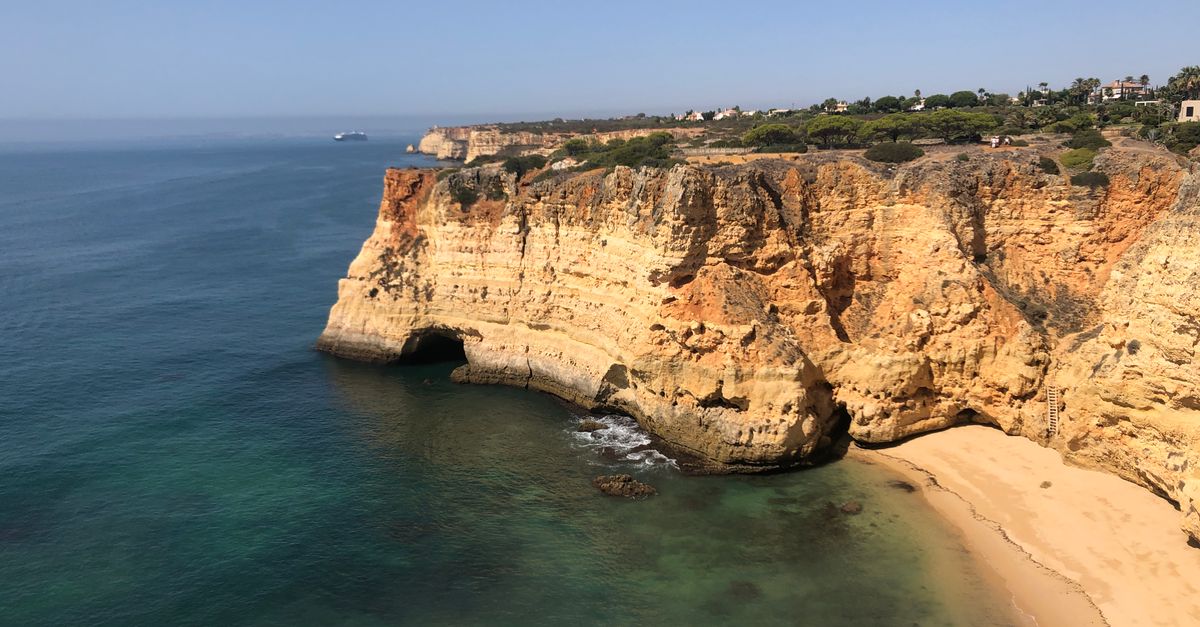
The flagship Ria Formosa island beach — long, duned, and reached by a short ferry from Tavira's quay.

Praia do Barril
Access this island beach via a miniature train crossing the Ria Formosa. The site features long, duned sand and a village of former tuna-fishing houses.
Where it sits




More places in Algarve


Lagos
A historic port town turned the Algarve's best all-round base — old-town charm, dramatic cliffs to the west, and the gateway to the Costa Vicentina.
Aljezur
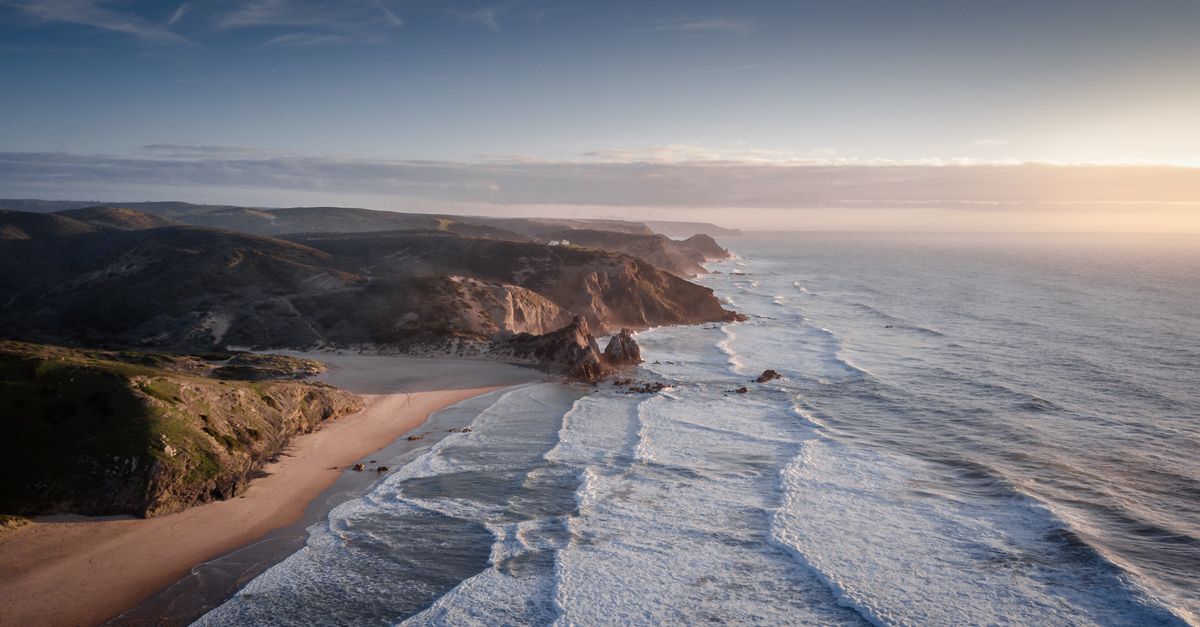
A whitewashed hill village and the gateway to the Costa Vicentina's wild beaches — surf, cliffs, and the west Algarve's quiet soul.
Monchique
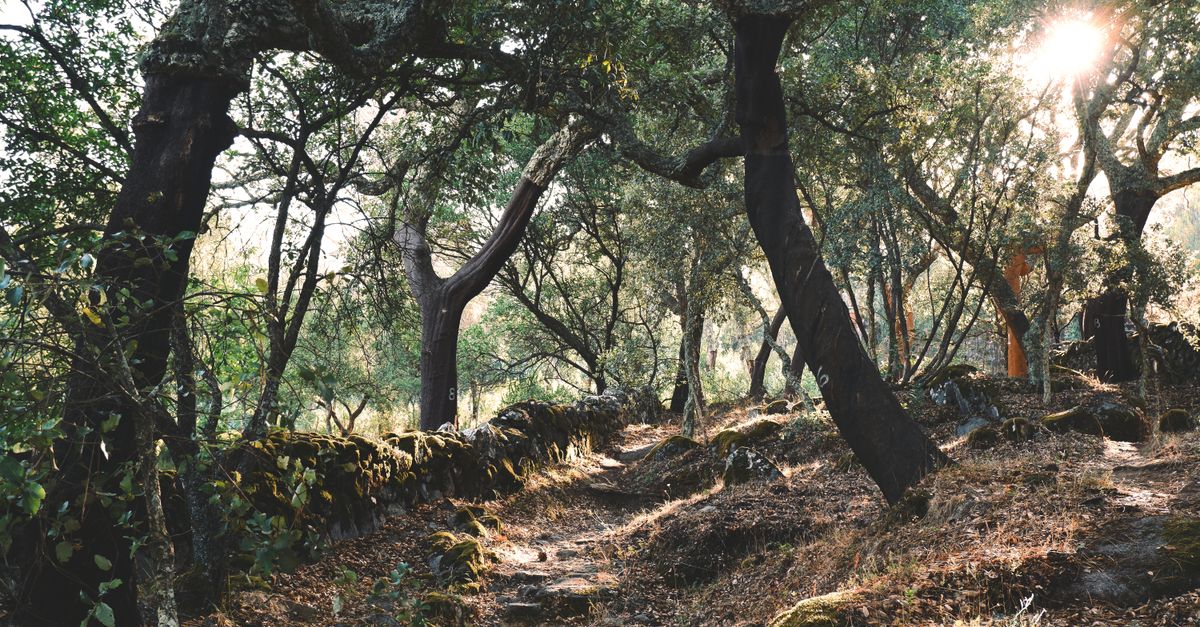
A mountain town in the Algarve's green interior — cork forests, hot springs, and the climb to Foia, the region's highest point.
Sagres
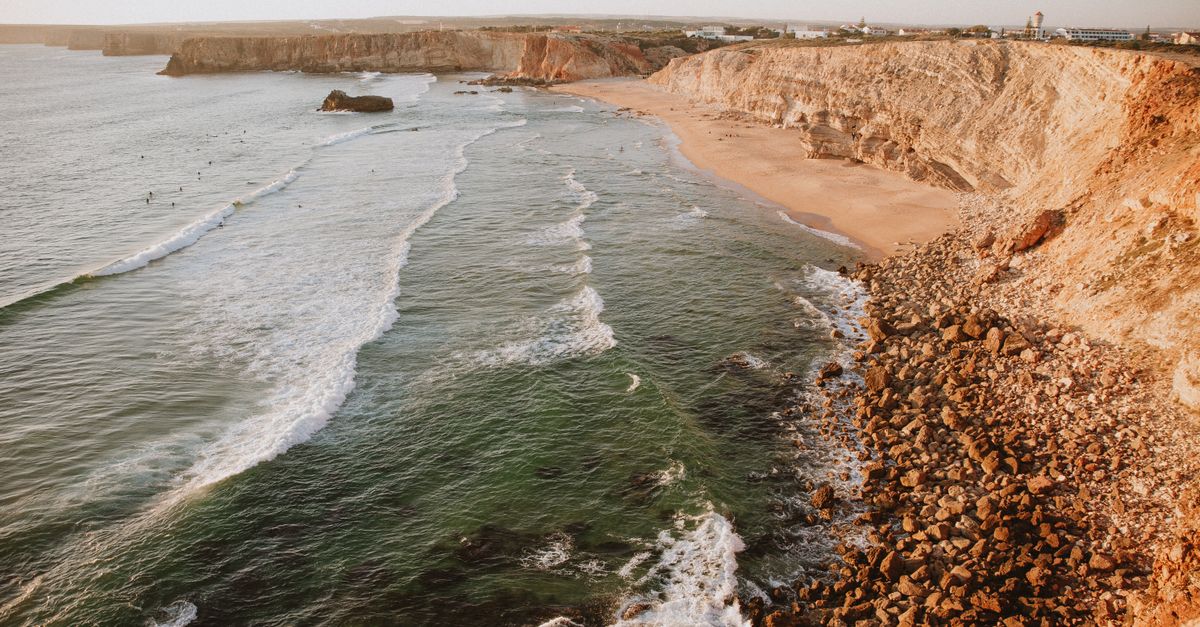
The end-of-the-world cape — fortress, big swells, surf culture, and the most windswept, dramatic corner of the Algarve.

Silves
The former Moorish capital of the Algarve — a red-stone castle, a cathedral, and a quiet hill town above the Arade.
We may earn a commission from bookings made through these links. It never changes what we recommend, or what we leave out.