Albufeira
The Algarve's party-and-resort capital — a pretty old town drowned in high-rise tourism and nightlife.
Only if nearby. We don't recommend it as a base — Lagos or Tavira give you the Algarve without this.

Why go
A lively old town on a cliff, a long beach, and the most nightlife in the region. If you want bars and British breakfasts, this is it.
Why you might skip it
The most overdeveloped part of the Algarve; thin Portuguese character; crowded and loud in summer.
What to do
The old town beach, the strip (if that's your scene), a day trip to Silves or the west coast.
What to eat
Seafood dominates the menus, with grilled sardines and cataplana, a copper-pot stew of shellfish, being staples. Most restaurants in the immediate vicinity of the main beaches cater to international palates, offering predictable fast food and basic grilled meats. Genuine local flavors are found in small establishments several blocks back from the water. Prices remain lower than in luxury resorts, and a standard meal with house wine usually ranges from fifteen to twenty-five euros per person depending on the catch of the day.
Where to stay
Only if you're already nearby. (Avoid, or a night if you want nightlife)
Large resorts dominate the outskirts, offering all-inclusive options but requiring a taxi for access to the historic center. The old town contains smaller boutique hotels and guesthouses, which provide immediate proximity to restaurants but less quiet during the night. Budget options are plentiful but often reflect the basic amenities of high-volume seasonal tourism. Selecting a location slightly inland from the main tourist strip reduces the cost of lodging significantly and ensures a quieter environment during the peak summer months.
Getting there & around
Bus or car from Faro.
The old town is compact and walkable, though steep inclines define the terrain between the central square and the beachfront. Parking is scarce in the center, particularly during summer months. Surface lots exist on the periphery, often requiring a ten-minute walk to the main commercial areas. Local bus lines connect the city to surrounding resorts, and taxis are available throughout the night. A vehicle provides convenience for regional travel but remains a liability within the narrow, congested streets of the old town.
Common planning mistakes
Travelers often expect a quiet coastal village and find instead a high-density zone focused on nightclubs and English-style pubs. Scheduling a long stay here to experience traditional Algarve culture leads to disappointment. Many arrive without transport, assuming the entire region is accessible via foot or transit. Another frequent error is selecting accommodation near the central strip without realizing that noise levels persist until sunrise during the peak summer season. Quiet requires careful selection of hotels far from the coastal core.
Less ideal for
This destination is ill-suited for travelers seeking silence, cultural solitude, or a connection to rural Portuguese life. Families looking for a calm beach vacation often find the crowded, noisy atmosphere and focus on evening entertainment frustrating. Those interested in architectural history or authentic regional crafts will find little depth in the heavily commercialized commercial core. It is also an poor fit for travelers who prioritize proximity to nature over proximity to concentrated nightlife venues.
Practical notes
The train station sits five kilometers north of the town center, necessitating a taxi or bus transfer upon arrival. Faro Airport is forty-five minutes away by car. English is the primary language used in commerce, as the local economy relies heavily on seasonal tourism from Northern Europe. July and August bring high heat and significant crowds, while the winter months see a marked decrease in activity as many businesses close until the spring season begins.
Where it sits


More places in Algarve
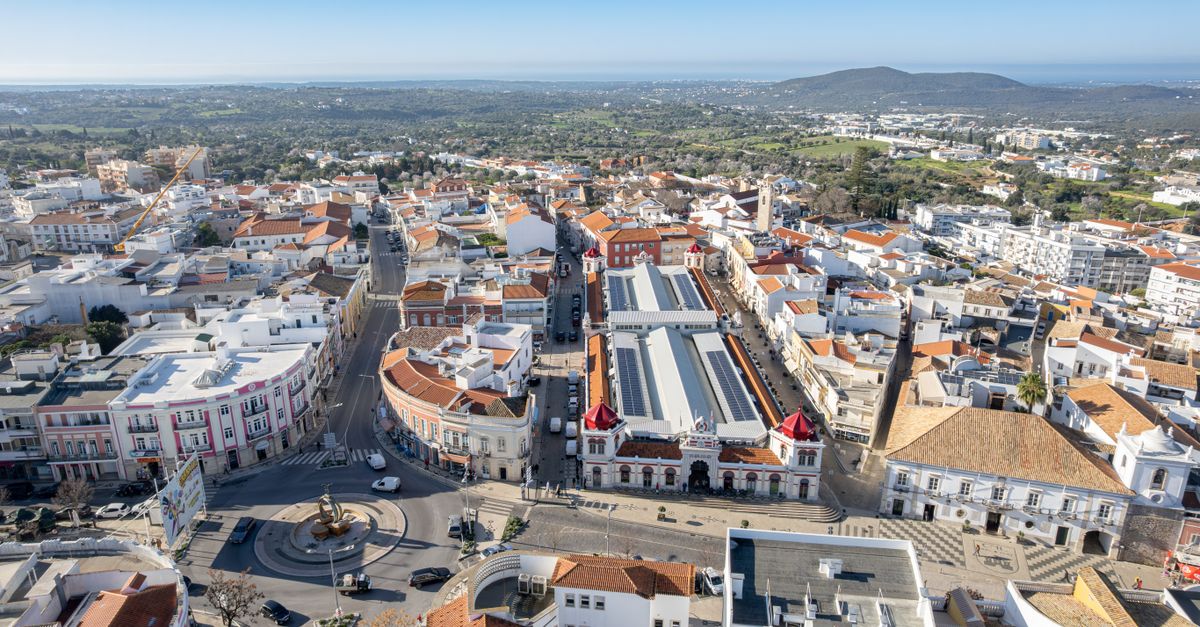
Faro
The Algarve's capital and airport city — an underrated old town, a walled garden, and the Ria Formosa lagoon.
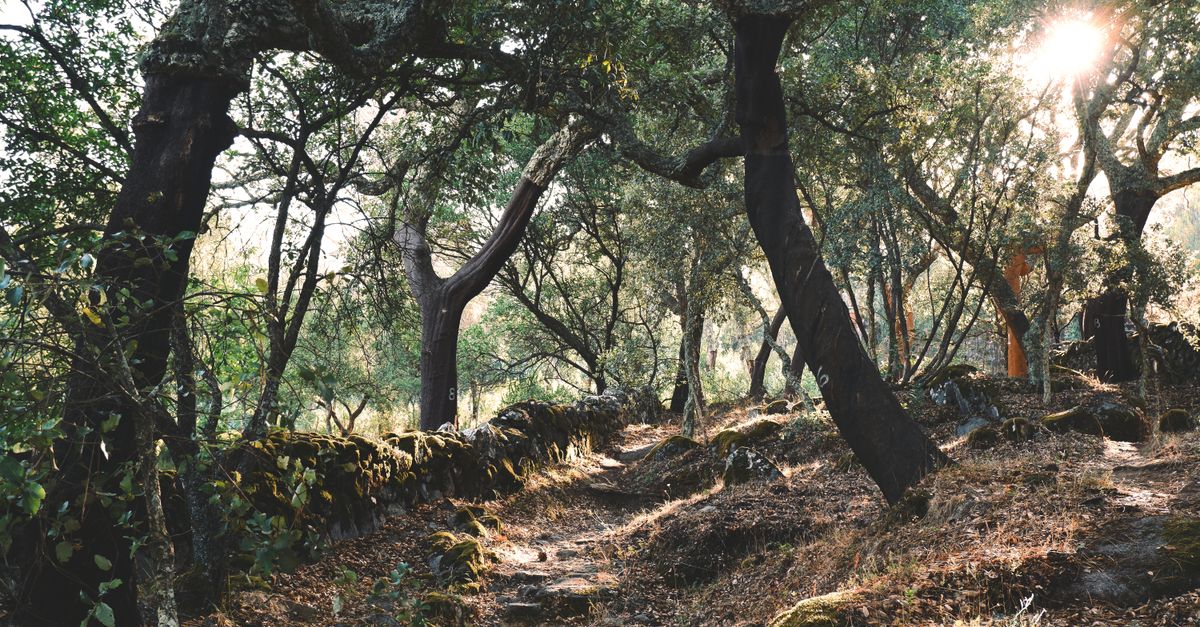
Monchique
A mountain town in the Algarve's green interior — cork forests, hot springs, and the climb to Foia, the region's highest point.
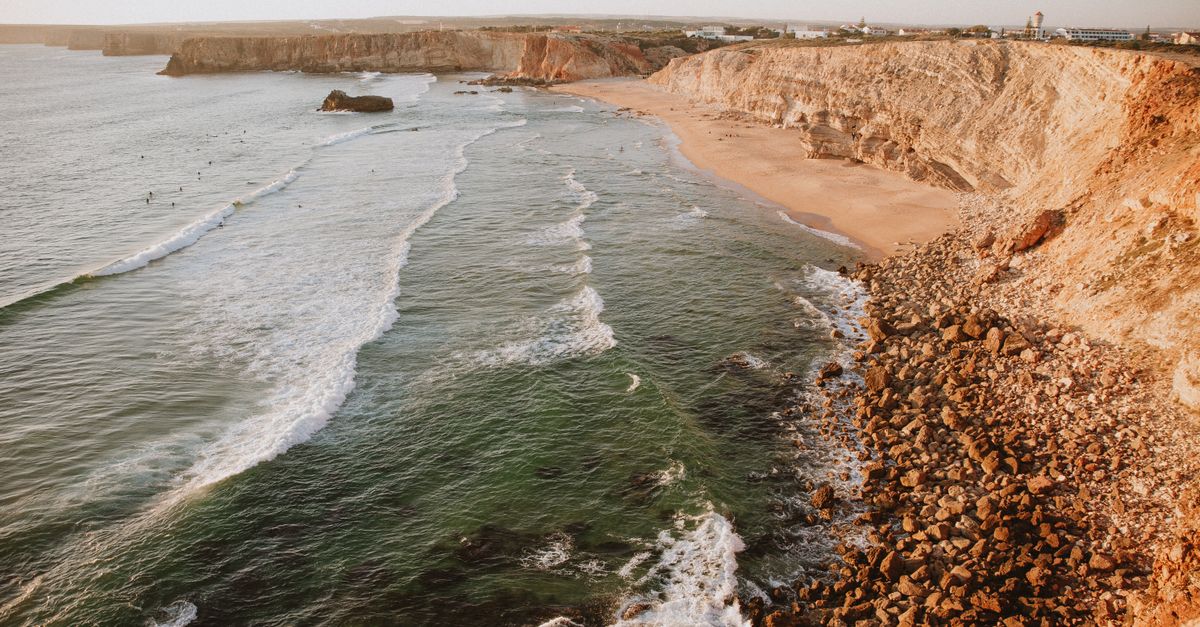
Sagres
The end-of-the-world cape — fortress, big swells, surf culture, and the most windswept, dramatic corner of the Algarve.
We may earn a commission from bookings made through these links. It never changes what we recommend, or what we leave out.