Lagos
A historic port town turned the Algarve's best all-round base — old-town charm, dramatic cliffs to the west, and the gateway to the Costa Vicentina.
The smart western Algarve base. More character than Albufeira, more life than Sagres.
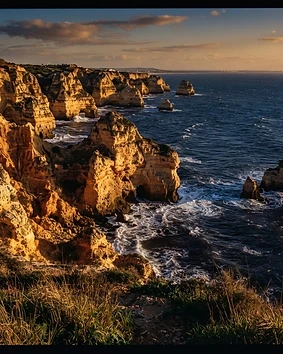
Why go
A real old town with walls and a slave-market square, the Ponta da Piedade cliffs and sea caves, easy western beaches (Praia do Camilo, Dona Ana), and quick access to the Costa Vicentina and Sagres.
Why you might skip it
Busy in summer; the resort strip to the east is unlovely.
What to do
Ponta da Piedade cliffs and caves by boat, Praia do Camilo, the old town, a day west to Sagres and the Costa Vicentina.
What to eat
Cataplana, grilled fish, Dom Rodrigo sweets.
Where to stay
A base, not a stop. (3–4 nights)
The old town provides proximity to dining and nightlife but introduces noise from evening foot traffic. Apartment rentals inside the historic walls offer character at a premium, while hotels near the marina provide modern amenities and easier luggage access. The residential areas slightly west of the city centre offer lower rates and quieter nights, though these require a twenty-minute walk or a short car ride to reach the main historic sites and port facilities.
Getting there & around
Train from Lisbon/Faro; car via A2.
Walk in town; car for the west coast and Sagres.
Common planning mistakes
Staying on the eastern resort strip; never going west to the cliffs and Costa Vicentina.
Less ideal for
Anyone wanting total quiet in August.
Practical notes
Summer temperatures often exceed thirty degrees Celsius, making shade essential during midday hours. The Atlantic Ocean remains cool for swimming, even in late summer months. Public Wi-Fi is available in central plazas, but mobile data provides more consistent coverage. Cash remains necessary for smaller cafes and beach kiosks, despite widespread card acceptance in larger restaurants. Most businesses remain open until late, with dining times stretching well past ten in the evening during the peak tourist season.
What's here
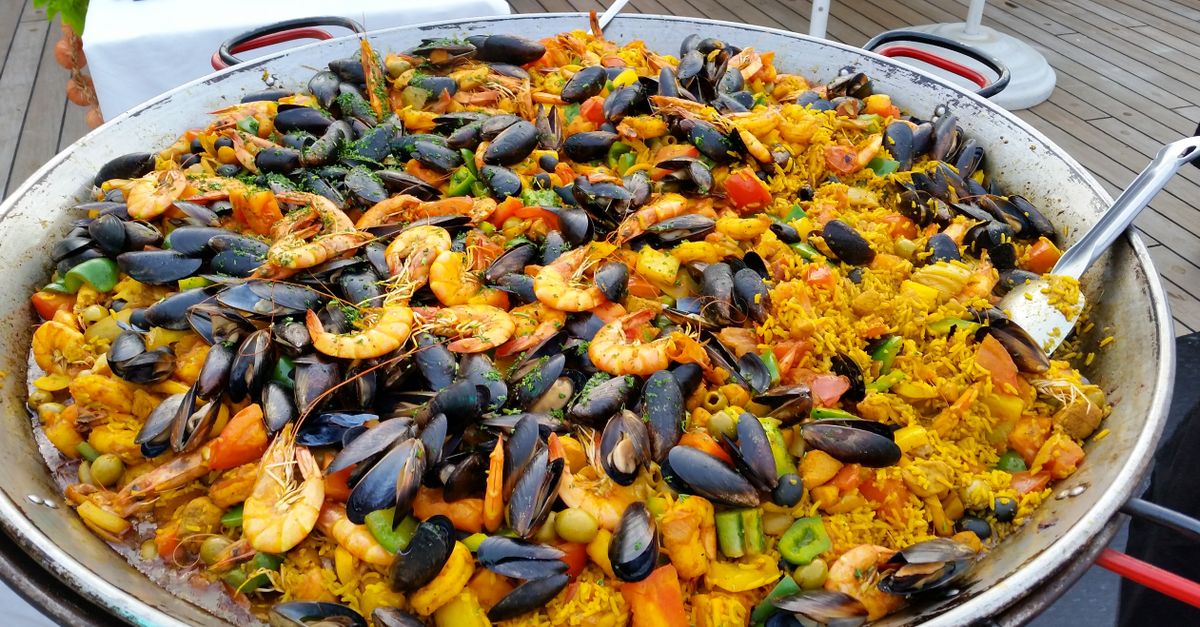
Festival do Marisco (Olhão)
Held in the Jardim Pescador Olhanense, the Festival do Marisco focuses on regional shellfish. The event converts the Olhão fishing port into an open-air dining area, serving locally sourced seafood alongside live musical performances.

Mercado Municipal de Lagos
The Mercado Municipal de Lagos houses a ground-floor fish market and a first-floor produce hall. It functions as the primary distribution point for the Western Algarve’s agricultural and maritime yields.

Ponta da Piedade
Ponta da Piedade is a headland of limestone cliffs, sea arches, and grottoes. It is the primary natural site of the western Algarve, overlooking Atlantic water.

Trilho dos Sete Vales Suspensos
The Trilho dos Sete Vales Suspensos is a 6-kilometer cliff-top trail running between Praia da Marinha and Praia de Vale Centeanes. The route passes limestone arches, sinkholes, and cliff formations above the Atlantic.

Cerro da Vila (Roman ruins)
Cerro da Vila contains the remnants of a Roman villa, baths, and fish-salting tanks within the Vilamoura resort area, documenting the Roman occupation of the Algarve.

Igreja de Santo António
Tucked away in the historic center of Lagos, this 18th-century church is widely considered one of the most stunning examples of gilded woodcarving in the Algarve. Its unassuming exterior belies a Baroque interior that radiates opulence and religious devotion.

Forte da Ponta da Bandeira
This 17th-century fortification guards the harbor entrance of Lagos. It serves as a study of the town's maritime defensive architecture, balancing the structure of its military walls with vantage points overlooking the Atlantic coast.
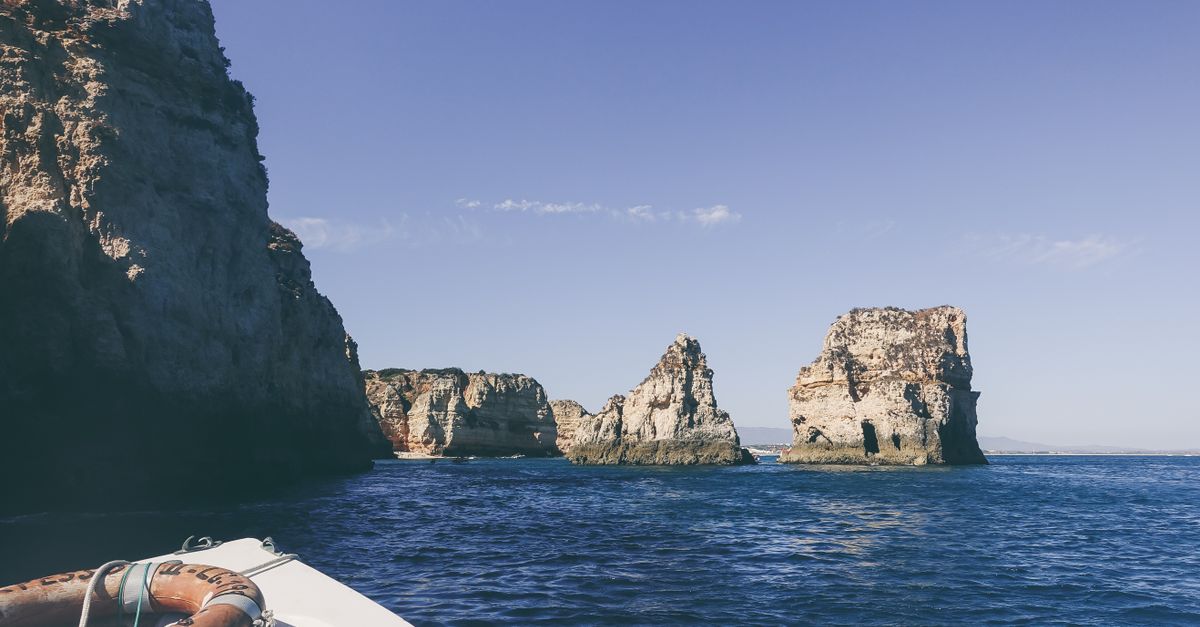
Praia dos Caneiros
A cliff-protected golden cove near Carvoeiro, with a flat rock platform for sunbathing and calm, clear water.
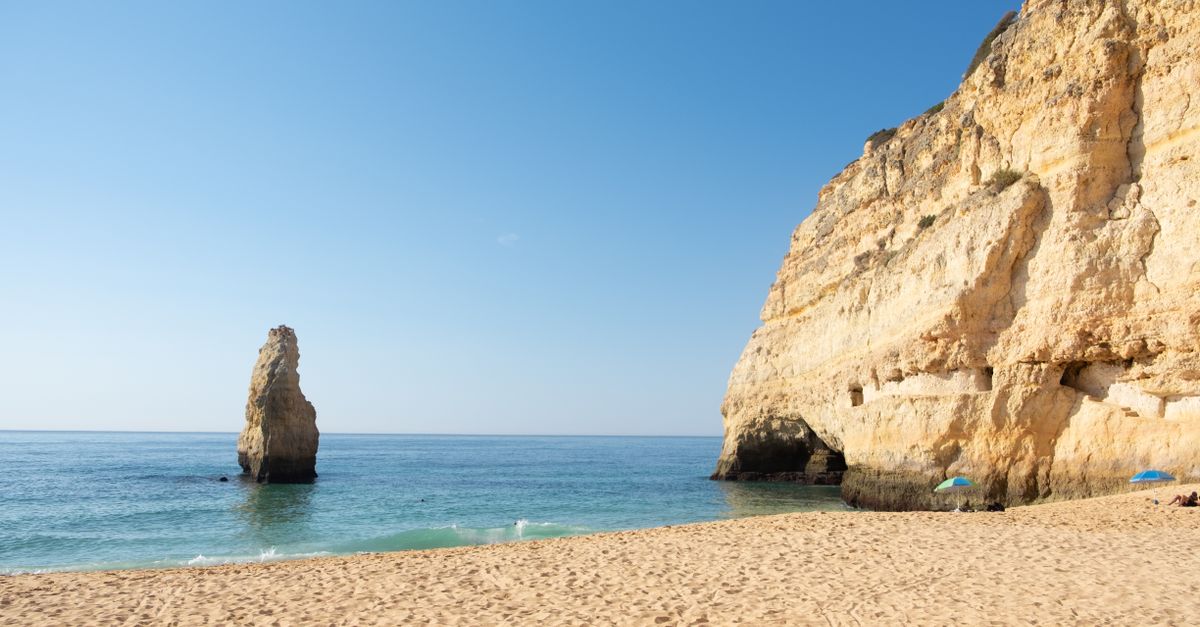
Praia da Armona
An empty barrier-island beach reached by ferry from Fuseta — miles of sand, no cars, and the Ria Formosa at your back.
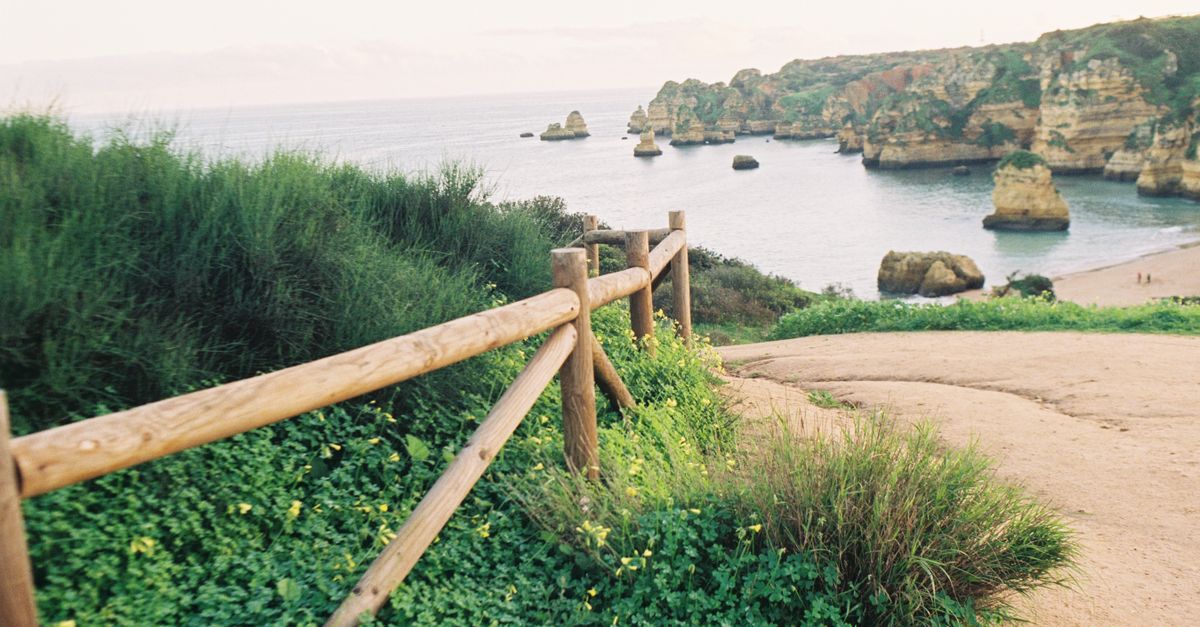
Praia do Garrão
A long, golden, cliff-free stretch between Vale do Lobo and Quinta do Lago — the Algarve's softest, most open family sand.
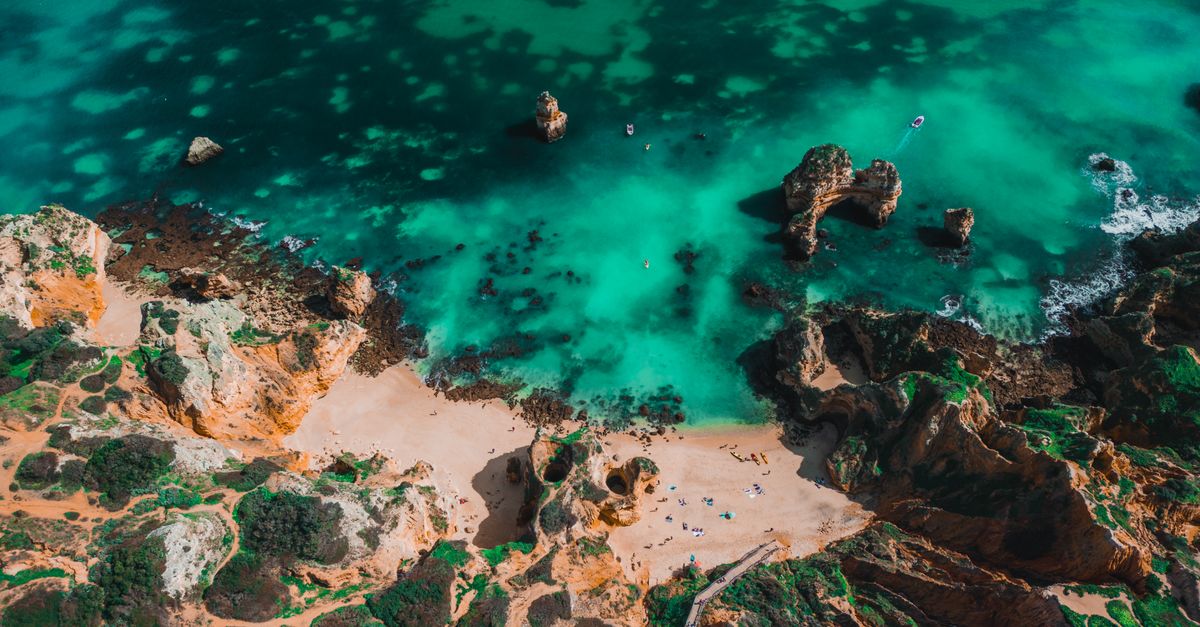
Praia do Carvoeiro
A small town beach tucked between cliffs right in the heart of Carvoeiro — lively, easy, and a jumping-off point for boat caves.

Praia do Castelejo
A black-sand cove on the Sagres coast, defined by jagged cliffs, heavy Atlantic swells, and exposure to the open ocean.
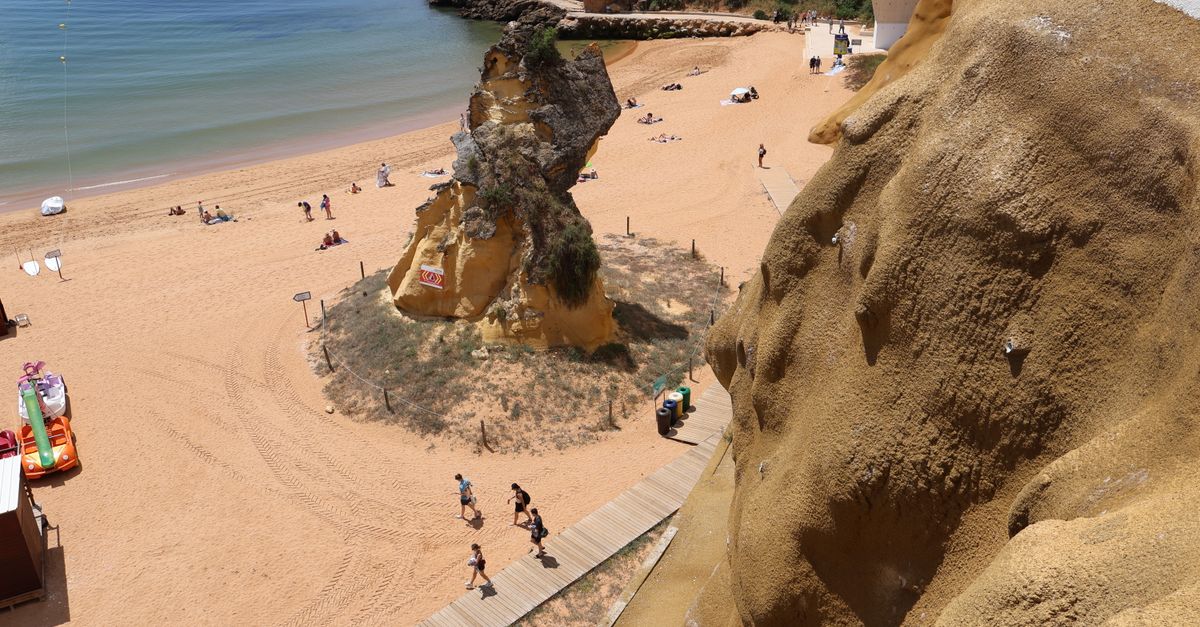
Praia de Albandeira
A small, sheltered cove near Lagoa with a natural arch, calm turquoise water, and a tiny fisherman's ramp.
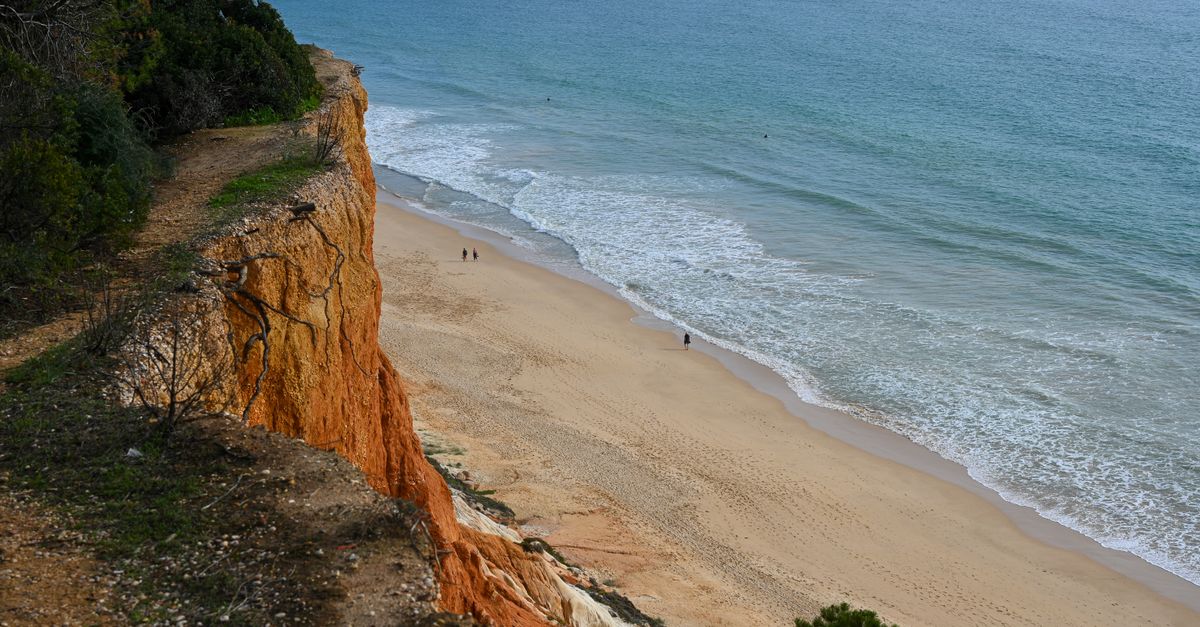
Praia da Rocha
The Algarve's primary beach: a long stretch of sand backed by limestone cliffs and a developed promenade in Portimão.

Praia do Zavial
A sheltered bay near Sagres with a surf school, a beach bar, and a striking cliff backdrop on the Costa Vicentina.
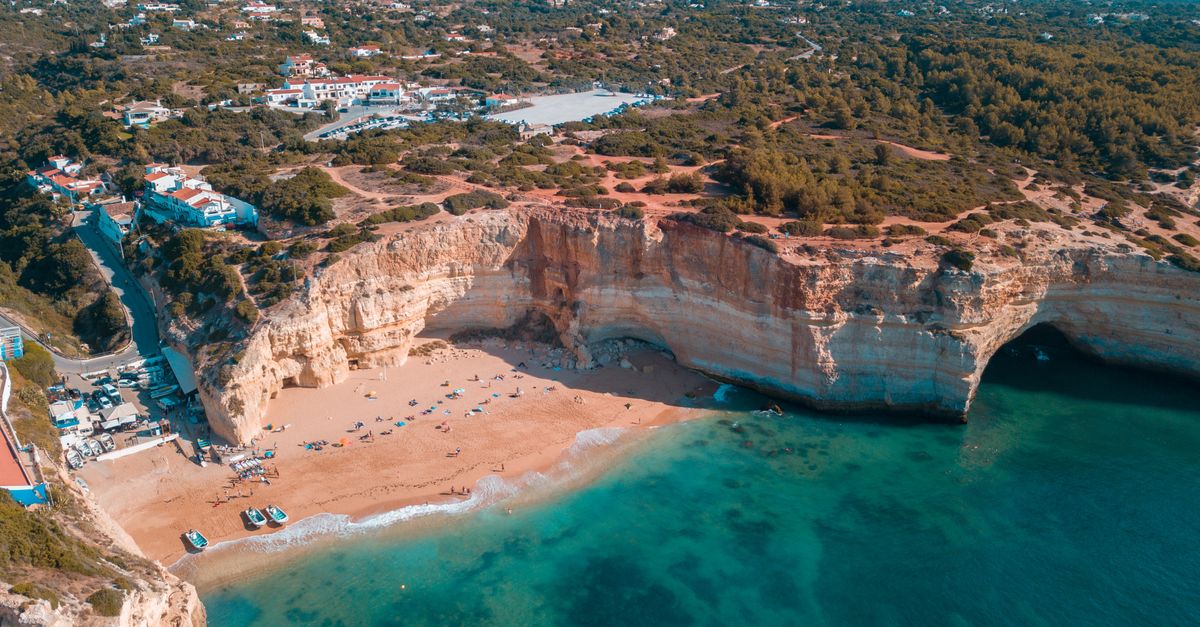
Praia de Dona Ana
Lagos beach defined by sandstone cliffs and sea stacks accessible via wooden stairs.

Praia dos Três Irmãos
Three towering rock stacks give this Alvor beach its name — golden sand, cliff tunnels, and quiet coves at low tide.

Praia do Beliche
A dramatic cliff-girt cove near Sagres, reached by a long wooden stairway down the headland.
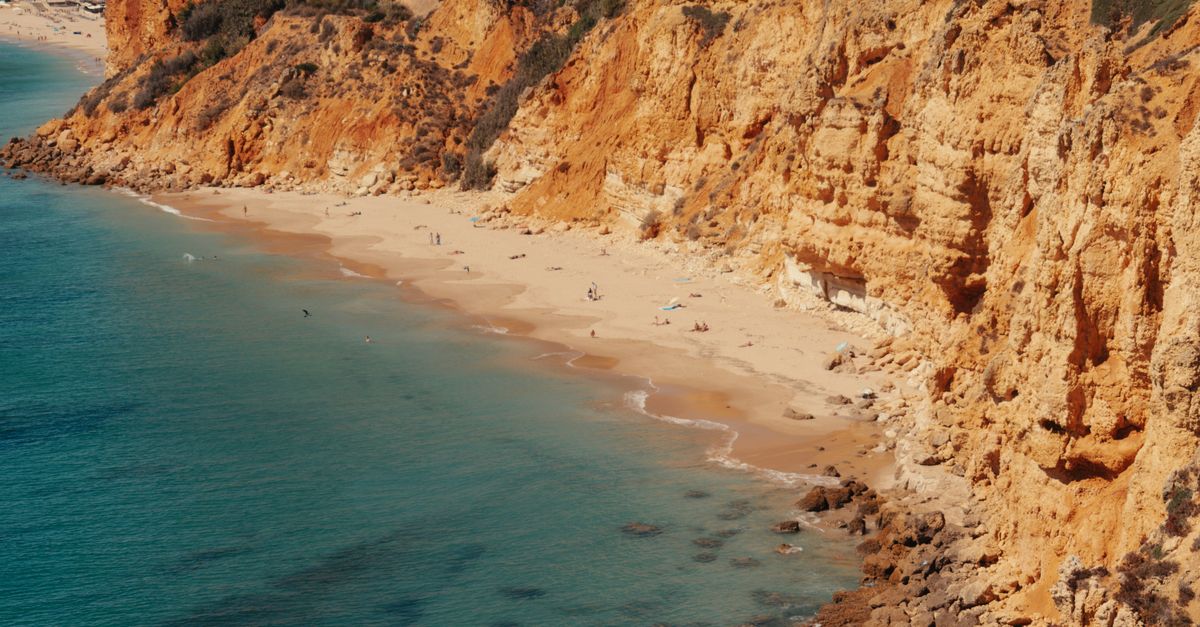
Praia do Carvalho
A hidden cove near Carvoeiro, reached through a hand-carved tunnel in the cliff — small, golden, and wonderfully tucked away.
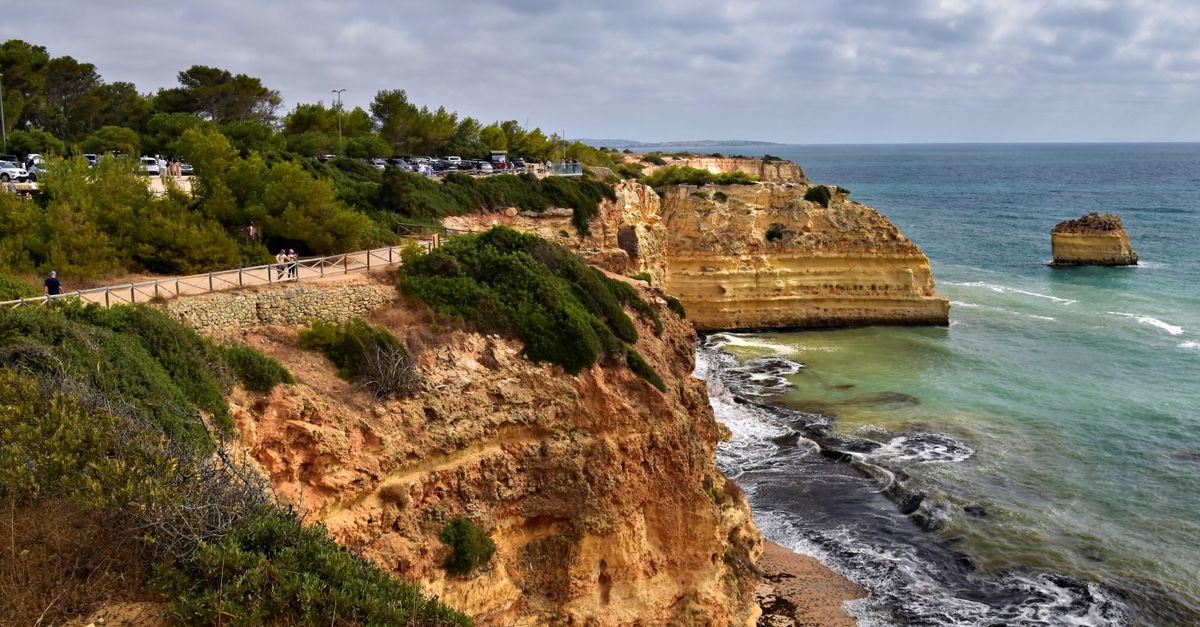
Praia de Benagil
A fishing cove and the launch point for the Algar de Benagil sea cave; the site consists of a narrow sand strip, kayak rentals, and boat traffic.
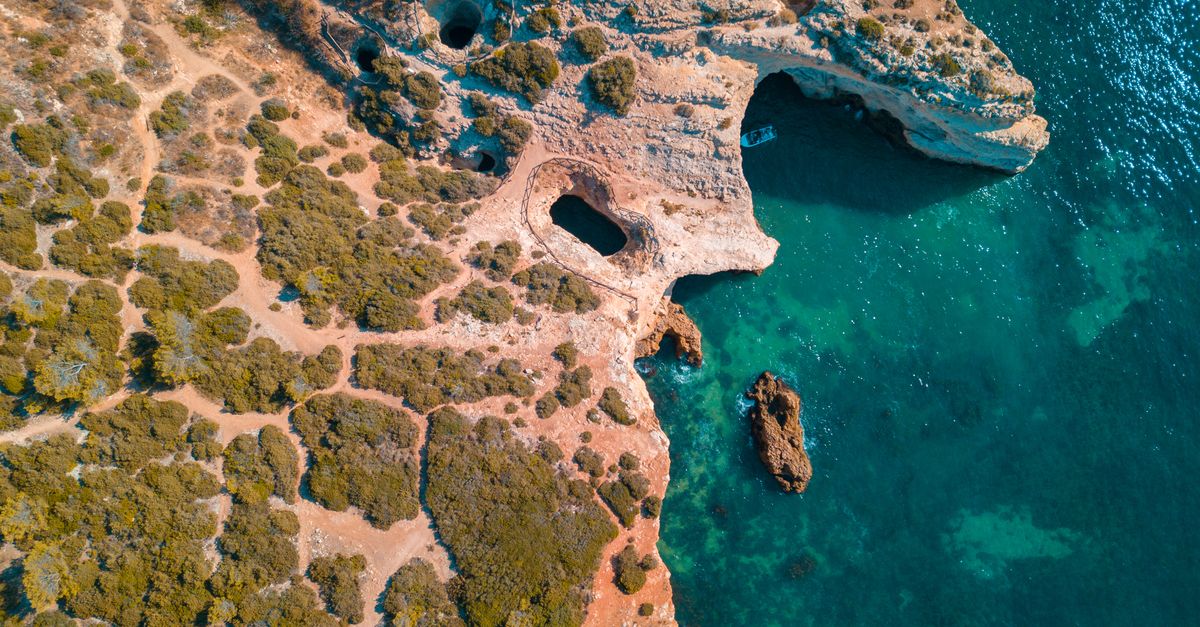
Praia do Camilo
A small cliff-girt cove of sand near Lagos, accessed by a 200-step wooden staircase.
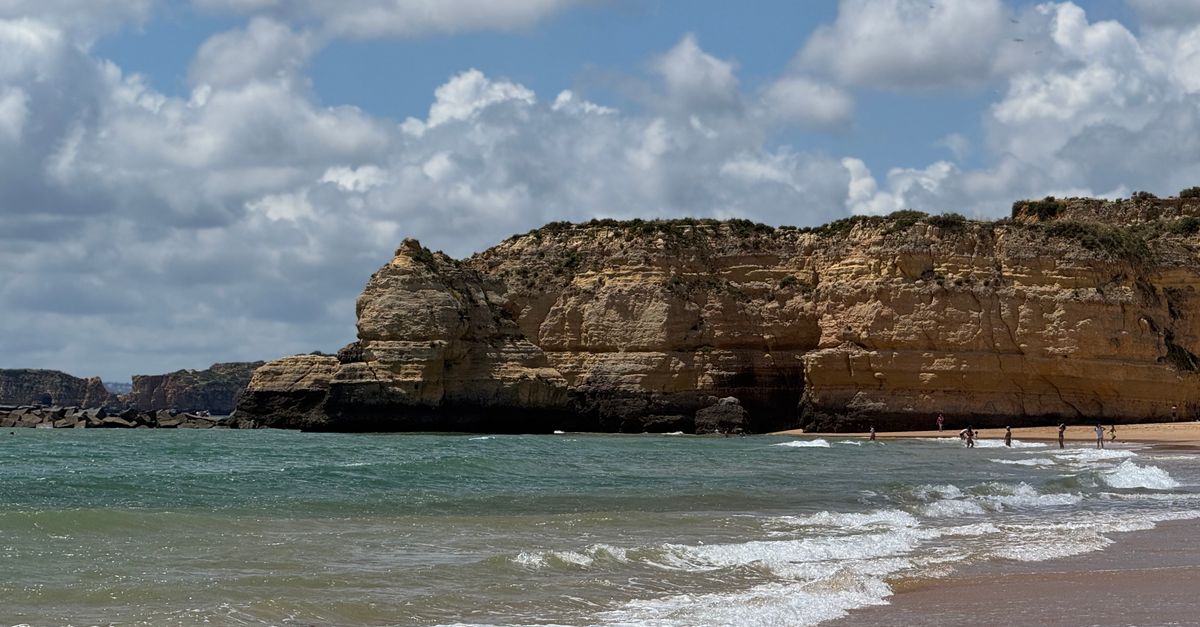
Praia da Marinha
Limestone cliffs enclose a stretch of sand between Carvoeiro and Benagil, featuring prominent sea arches and water access.
Where it sits


More places in Algarve
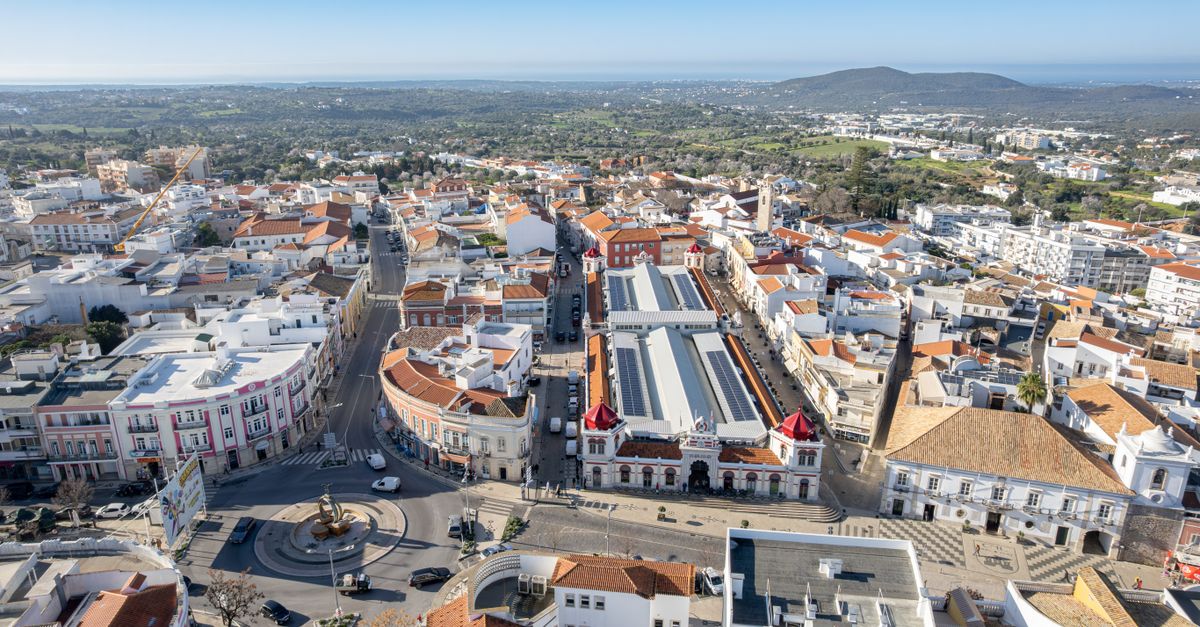
Faro
The Algarve's capital and airport city — an underrated old town, a walled garden, and the Ria Formosa lagoon.
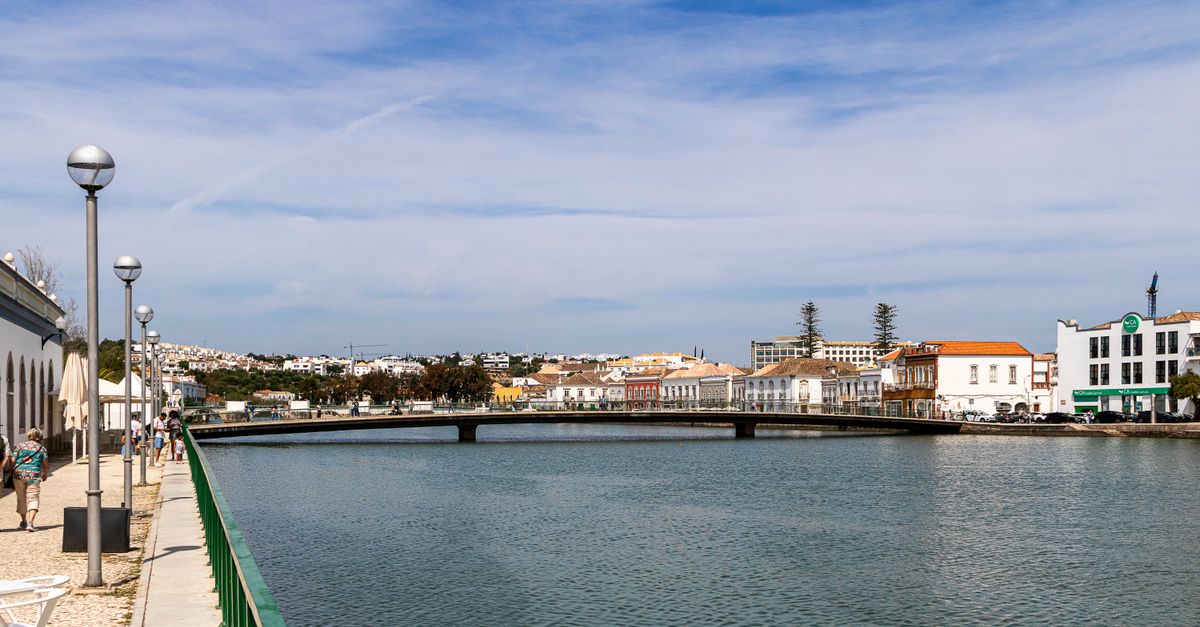
Tavira
The Algarve's most graceful town — a river, 37 churches, a Roman bridge, and the gateway to the quiet eastern islands.
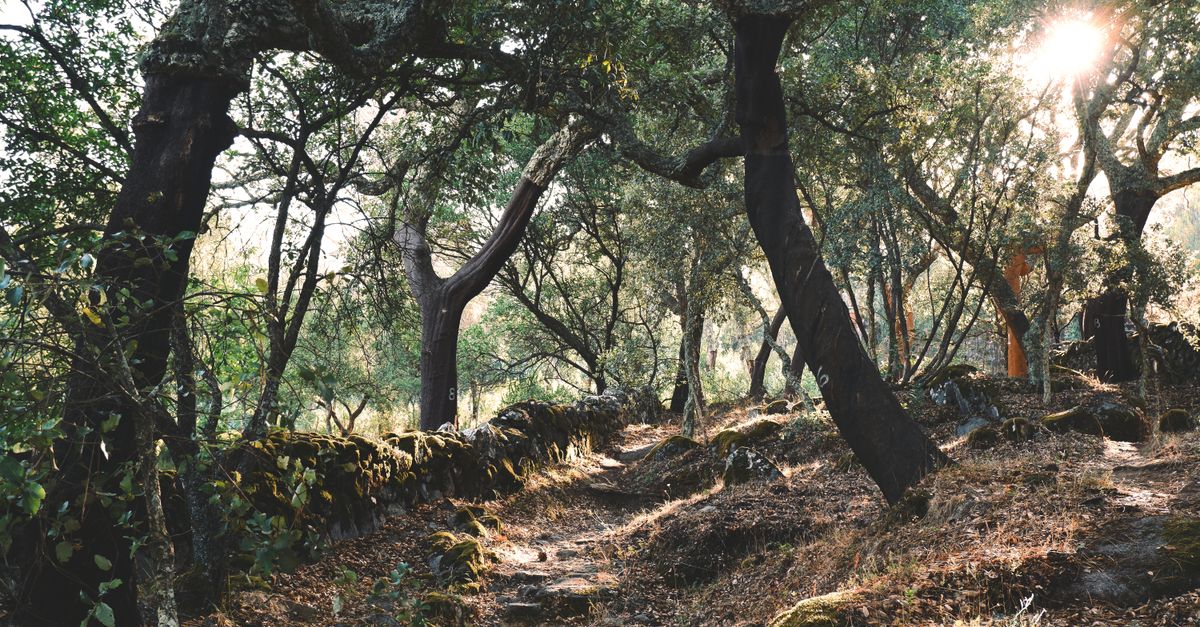
Monchique
A mountain town in the Algarve's green interior — cork forests, hot springs, and the climb to Foia, the region's highest point.

Silves
The former Moorish capital of the Algarve — a red-stone castle, a cathedral, and a quiet hill town above the Arade.
We may earn a commission from bookings made through these links. It never changes what we recommend, or what we leave out.