Praia do Camilo
A small cliff-girt cove of sand near Lagos, accessed by a 200-step wooden staircase.
Effective for a morning swim before the tide covers the sand or the midday heat arrives. It is narrow and susceptible to overcrowding.
Why go
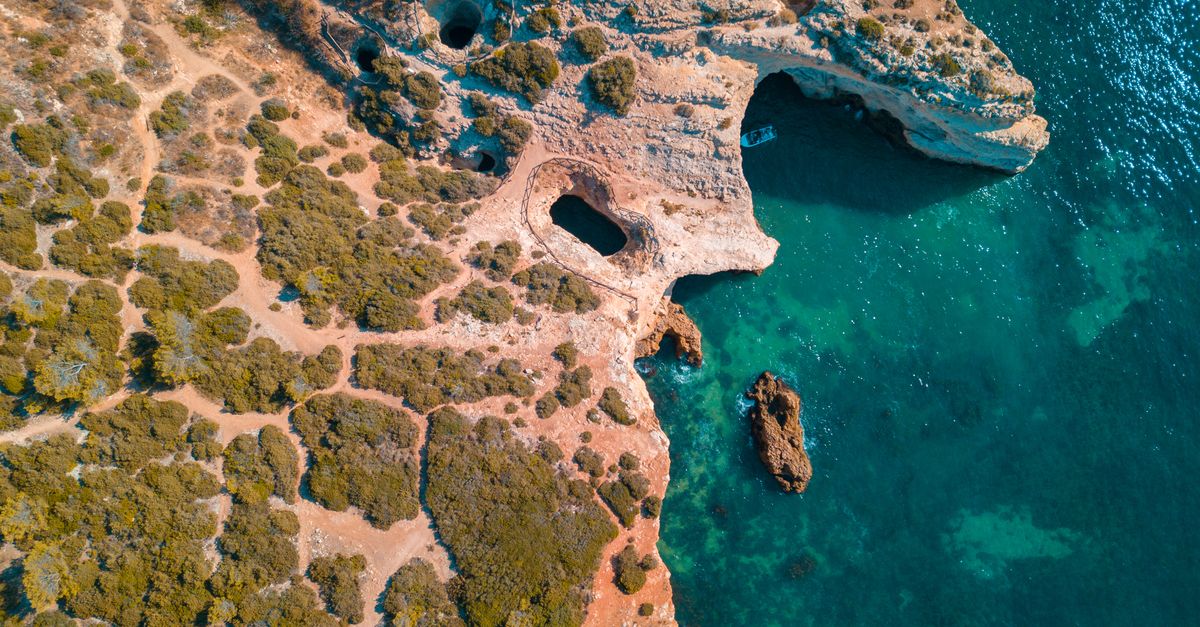
The cove is defined by high ochre cliffs and jagged sea stacks. The staircase limits access compared to the broader municipal beaches of Lagos, though the small size means the sand fills quickly by mid-morning during the summer season.
Why you might skip it
The limited surface area of the sand often leads to extreme congestion during peak hours. The vertical 200-step wooden staircase creates a significant barrier for those with mobility constraints. High tide reduces the available footprint to a fraction of its low-water capacity, rendering the cove difficult to navigate when the beach population remains high. The surrounding cliff walls create shadows that diminish sun exposure throughout much of the late afternoon.
What to do
The 200-step wooden staircase provides the only physical route from the clifftop to the cove. The small beach serves as a natural launch point for swimming in the sheltered Atlantic waters. Exploring the small tunnel carved into the rock formation connects the primary cove to the adjoining sandy expanse. The adjacent rock formations offer a vantage point for observing the coastal geology of the Lagos region, while the clear water supports visibility for basic snorkeling near the cliff bases.
Getting there & around
Access is via a steep 200-step wooden staircase descending from the cliff top near the Dona Ana area of Lagos. Reach the trailhead by a short drive or bus ride from the town center, then park in the limited roadside bays at the clifftop.
Common planning mistakes
Attempting to find parking at midday frequently results in failure due to the minimal bay capacity. Many fail to consult tidal charts, arriving when the water has already swallowed the sand. Others underestimate the physical exertion required for the 200-step ascent during the peak heat of the afternoon. Relying on finding a spot during the July and August weekends often leads to overcrowding that precludes any meaningful stay, as the cove occupies only a small segment of the coast.
Practical notes
Parking exists in the limited roadside bays at the clifftop near the trailhead, though spaces fill rapidly by early morning. The wooden staircase requires navigating 200 steps, which involves a steep descent and ascent. No facilities exist directly on the sand; food, water, and restroom services are located at the cliff level or in the neighboring Dona Ana area. Tidal charts determine the amount of available sand, as high water often removes the walkable beach area entirely.
More beaches in Algarve
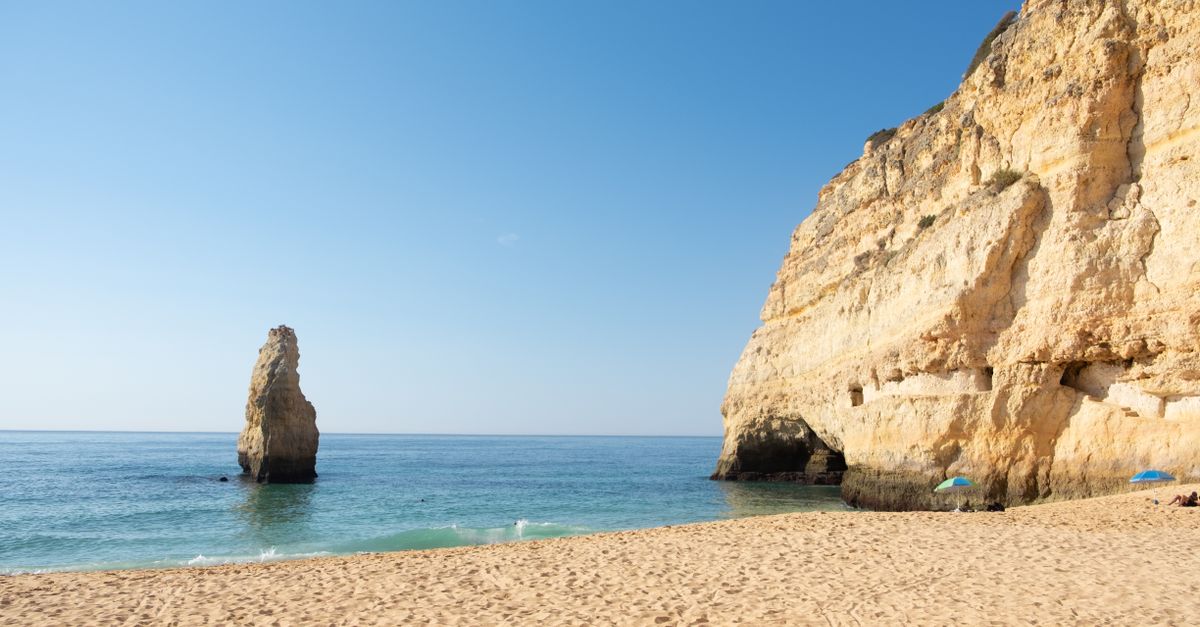
Praia da Armona
An empty barrier-island beach reached by ferry from Fuseta — miles of sand, no cars, and the Ria Formosa at your back.
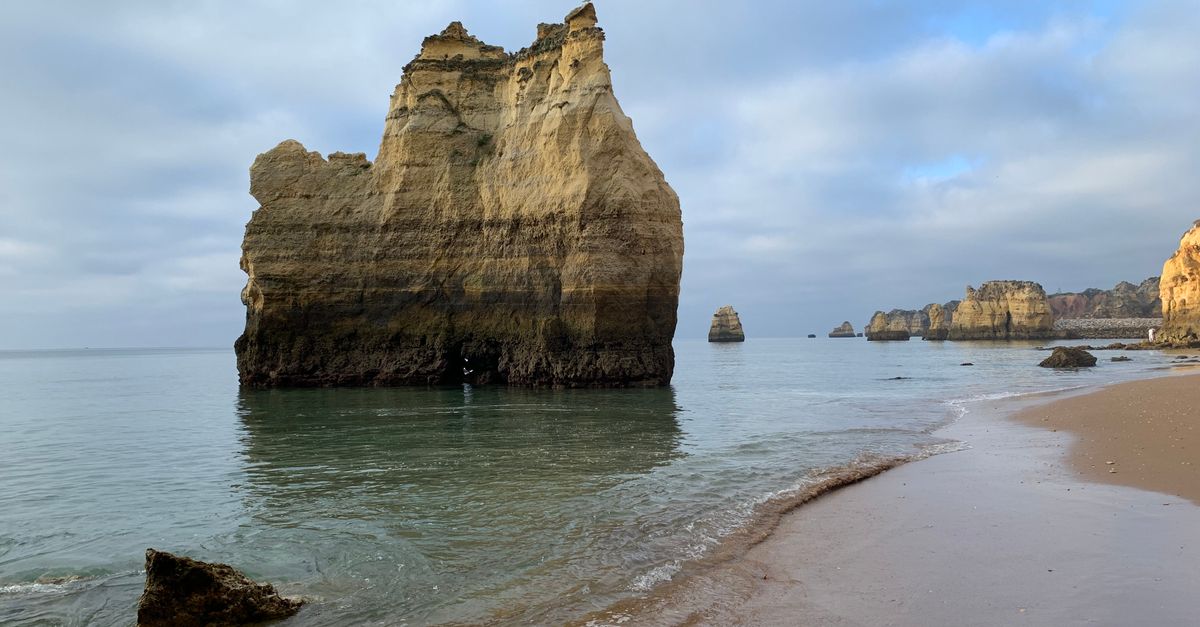
Praia da Falésia
Six kilometers of golden cliff-backed sand between Albufeira and Vilamoura.
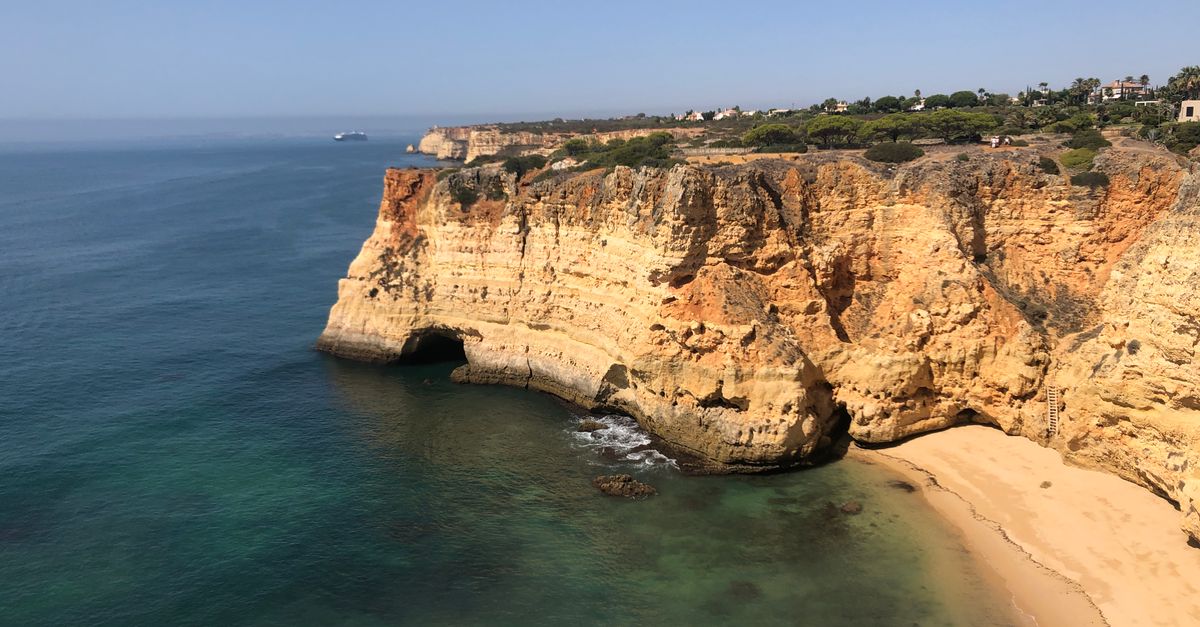
Praia da Ilha de Tavira
The flagship Ria Formosa island beach — long, duned, and reached by a short ferry from Tavira's quay.
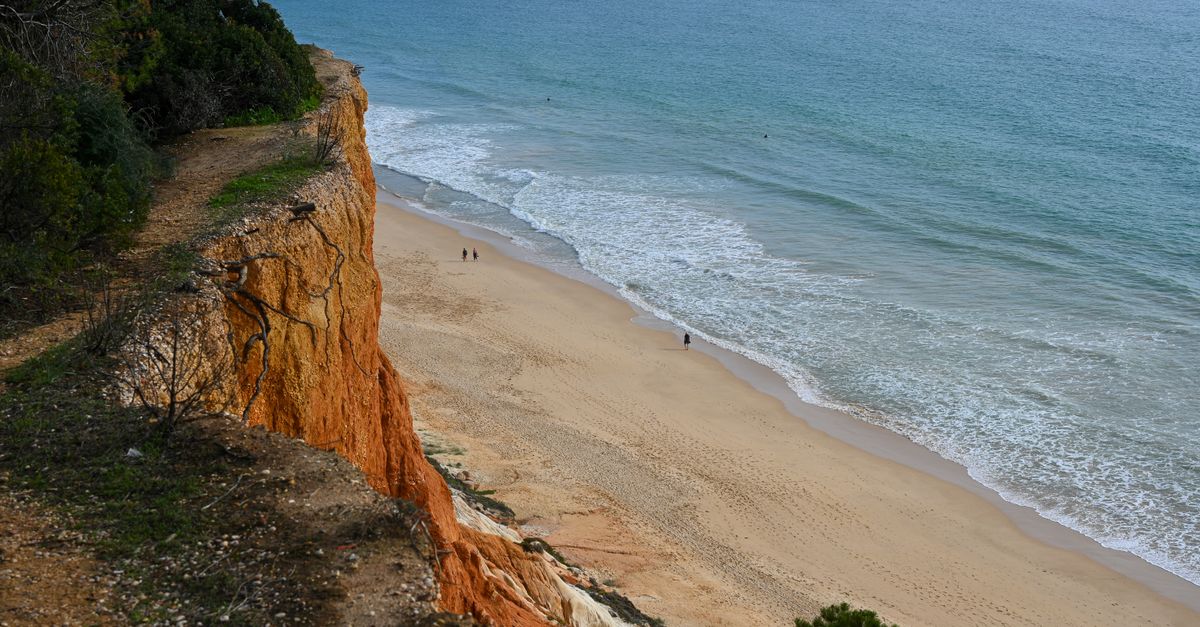
Praia da Rocha
The Algarve's primary beach: a long stretch of sand backed by limestone cliffs and a developed promenade in Portimão.
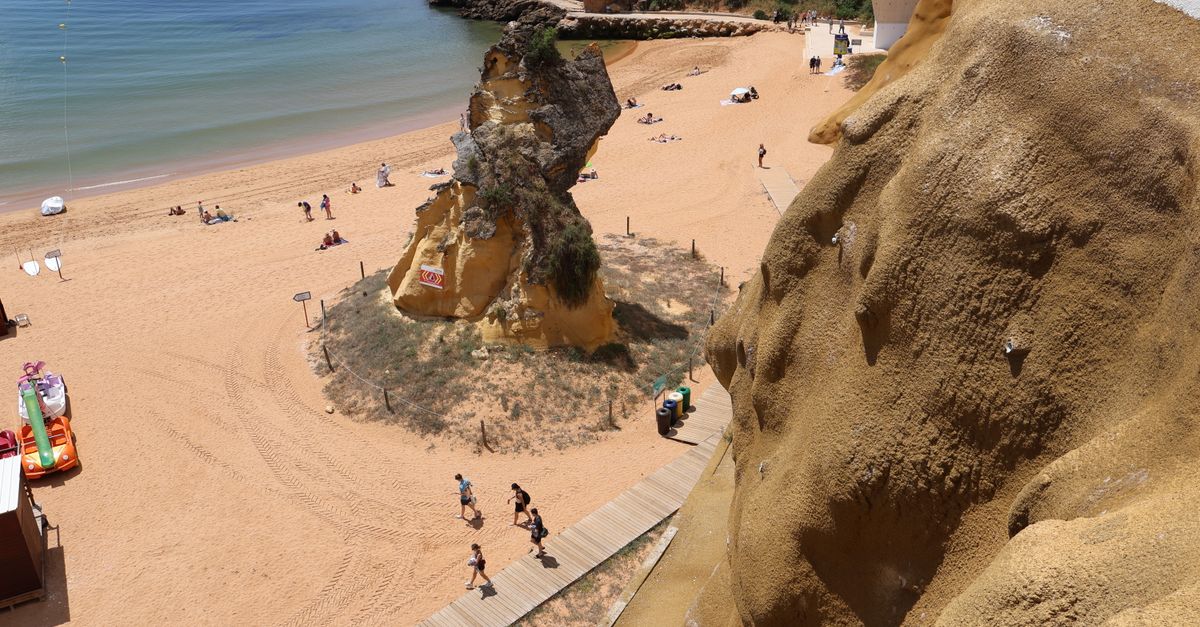
Praia de Albandeira
A small, sheltered cove near Lagoa with a natural arch, calm turquoise water, and a tiny fisherman's ramp.
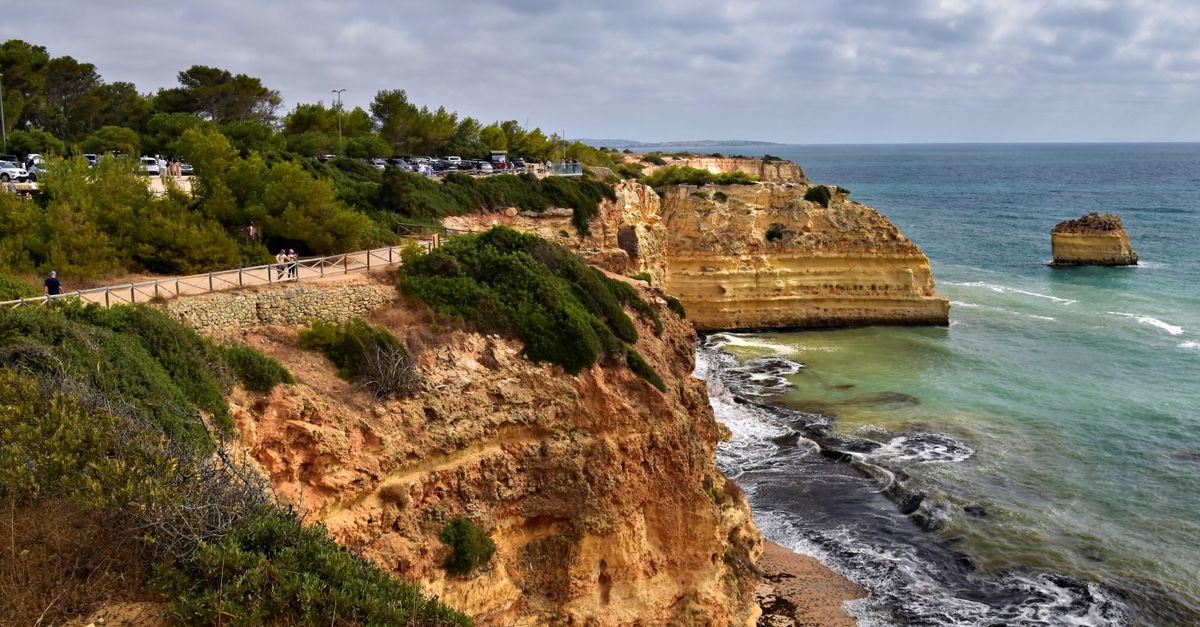
Praia de Benagil
A fishing cove and the launch point for the Algar de Benagil sea cave; the site consists of a narrow sand strip, kayak rentals, and boat traffic.
We may earn a commission from bookings made through these links. It never changes what we recommend, or what we leave out.