Blandy's Wine Lodge
The Blandy family's Madeira lodge in central Funchal — the oldest and most visitor-friendly of the Madeira lodges, with a museum, cooperage and guided tastings spanning the four grape styles from dry Sercial to rich Malvasia.

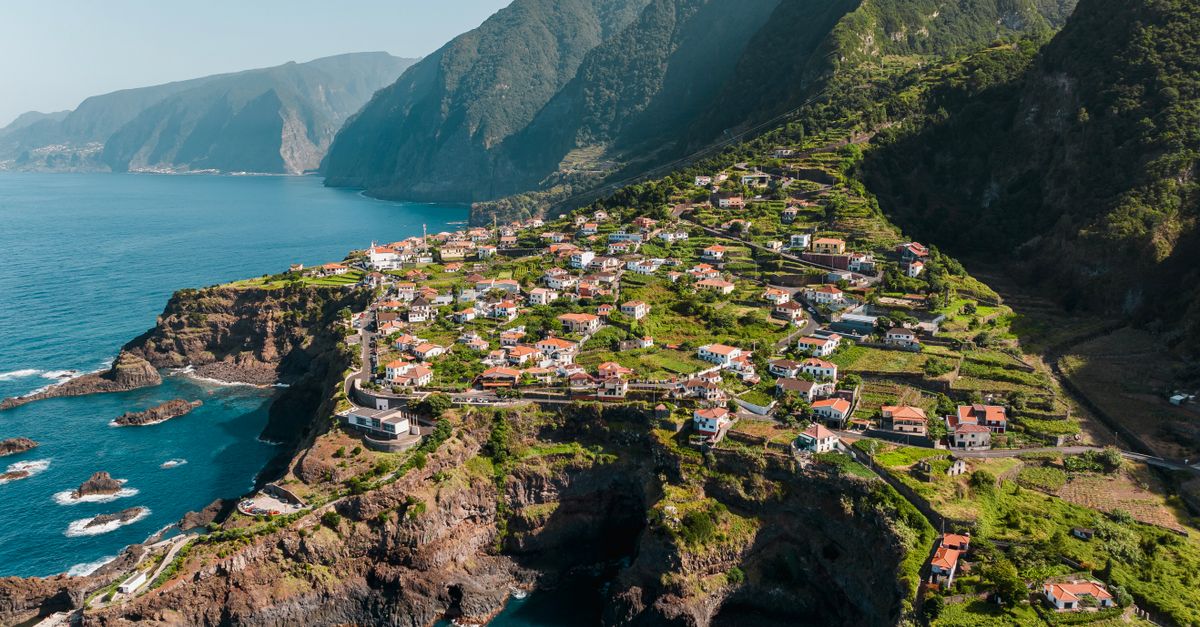
Levada walks, Laurisilva forest, volcanic peaks and a subtropical Atlantic island.
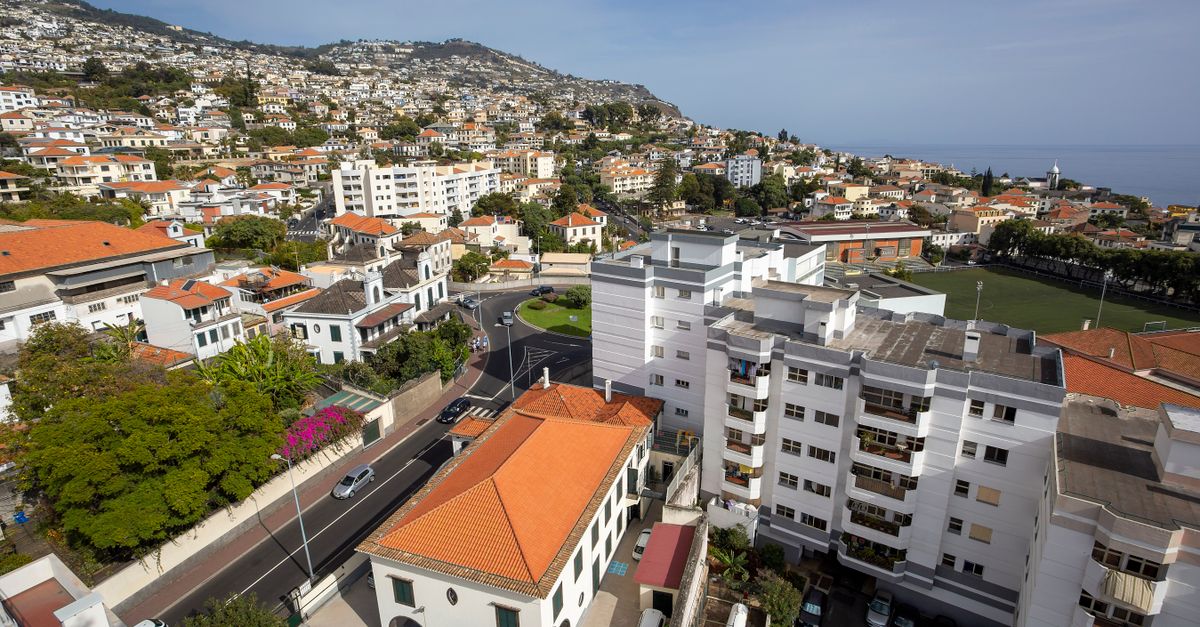
Madeira is a subtropical volcanic island in the mid-Atlantic — a place of levada irrigation channels cut into cliff sides, the Laurisilva laurel forest, volcanic peaks above the clouds, and one of the world's great fortified wines. It's an island you travel to walk.
Funchal is the base, a steep harbour city of wine lodges and markets, but the island's point is the trails: the levada walks that thread the island's cliffs and the veredas to its highest peaks. Few visitors leave disappointed; many come back.
Madeira is one of the world's great fortified wines — a wine that crossed empires and survived centuries. Eat the espetada, bolo do caco, the black scabbardfish, and the tropical fruit the British once grew here for their tables.

The Blandy family's Madeira lodge in central Funchal — the oldest and most visitor-friendly of the Madeira lodges, with a museum, cooperage and guided tastings spanning the four grape styles from dry Sercial to rich Malvasia.

One of the oldest Madeira houses (founded 1850), now with a modern winery at Câmara de Lobos and its own vineyards — unusual on the island — producing a full range including rare Terrantez.

A historic Funchal lodge holding extraordinary old stocks of Madeira dating back to the 1850s, beloved by serious Madeira collectors; small, old-school and the place to taste very old vintages.

One of the world's great fortified wines — made on a single volcanic island from Sercial, Verdelho, Bual and Malvasia grapes, heated and oxidised by the estufagem process into a wine that can age for centuries. The lodges of Funchal are the tasting destination.

Mercado dos Lavradores is the vibrant, beating heart of Funchal, housed in a stunning 1940s Art Deco building filled with the island's most exotic produce and fresh Atlantic catch. It serves as the definitive showcase for Madeira's unique subtropical bounty, from rare passion fruit varieties to the island’s famous espada fish.

Belmond Reid's Palace offers arguably the most iconic afternoon tea experience in Madeira, served on a storied terrace overlooking the Atlantic. It is an essential slice of Edwardian-era luxury that defined the island's high-society tourism history.

Beef skewers grilled over wood and basted in garlic butter — Madeira's signature meat, eaten at the table from the skewer.

A flat, round sweet-potato bread cooked on a hot stone — Madeira's everyday bread, and the base of its best sandwich.

Octopus with fried potatoes and garlic — Madeira's take on the country's octopus love.

Black scabbardfish, deep-fried or baked — the strange, deep-sea fish that Madeira made its own.

A dark, spiced honey and nut cake — Madeira's great sweet, originally made with sugar-cane molasses.

Fried cubes of cornmeal and kale — Madeira's garlicky answer to fries.

A subtropical volcanic island of levadas, peaks, Laurisilva forest and a year-round spring climate — a destination guide in itself.

Madeira's sister island — a 9km golden sand beach, dry and warm, the beach Madeira itself doesn't have.

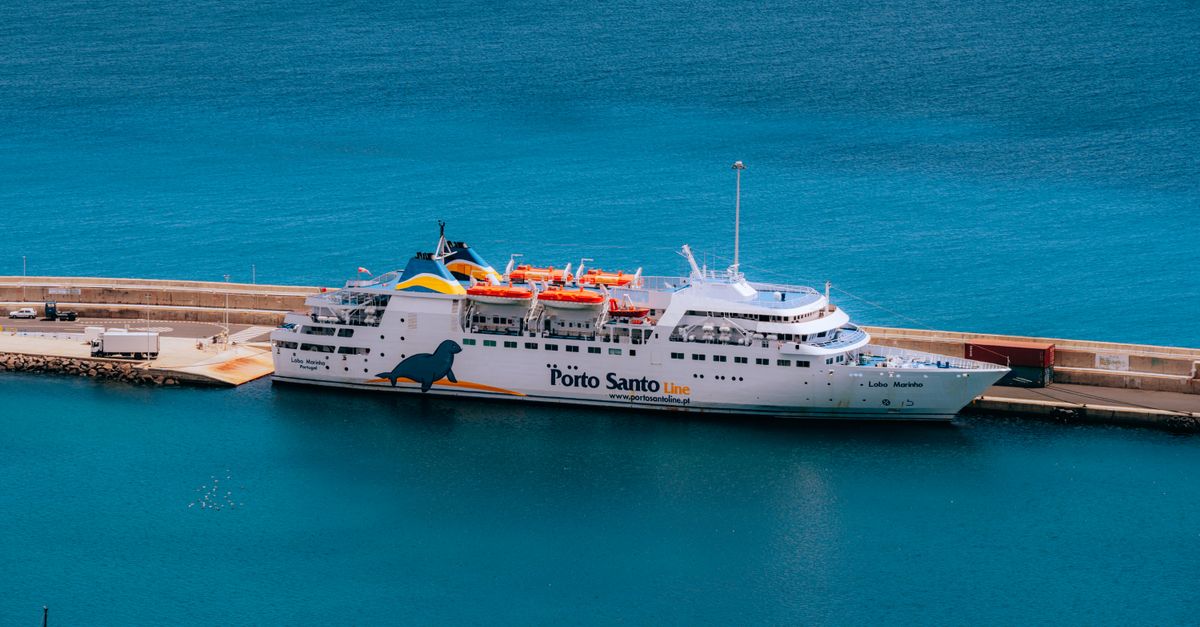
This essential ferry link connects the rugged, mountainous landscape of Madeira to the arid, golden shores of Porto Santo. It serves as the primary lifeline for locals and the most convenient gateway for travelers seeking to swap dramatic cliffs for a nine-kilometer stretch of pristine, therapeutic sand.

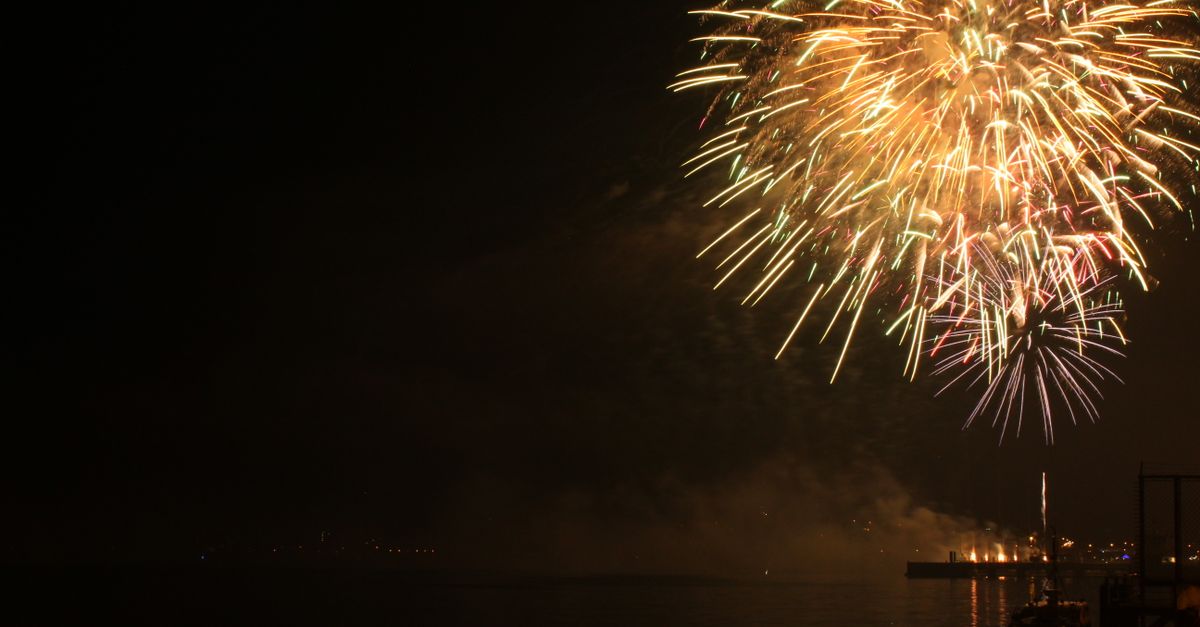
Madeira’s New Year’s Eve fireworks display is a world-record-holding pyrotechnic spectacle that illuminates the natural amphitheater of Funchal Bay. It is widely considered one of the most impressive New Year's celebrations globally due to the dramatic integration of light, sea, and mountainous geography.

The Festa do Vinho da Madeira is Madeira's premier wine festival, celebrating the island's fortified wine heritage with tastings, music, and cultural displays. It's a vital event for understanding and appreciating the unique terroir and history of Madeiran wine.

The Festa da Flor is Madeira's vibrant spring tribute to its sub-tropical landscape, transforming Funchal into a kaleidoscopic spectacle of floral carpets and fragrant displays. It is the island's most famous cultural celebration, marking the arrival of spring with massive parades and intricate floral architecture.

Pico Ruivo is the highest point on the island of Madeira, offering a dramatic, cloud-piercing vantage point over the island’s rugged volcanic interior. It is the crowning achievement for hikers tackling the island's most iconic central mountain trails.

Levada do Rei is an enchanting trail in northern Madeira that winds through lush, protected laurel forests and dramatic cliffside water channels. It offers a quintessential Madeiran experience by balancing ease of access with a truly wild, tropical atmosphere.

The Vereda do Fanal is a surreal, ethereal landscape famed for its ancient, twisted laurel trees that often emerge from a dense, swirling mist. It serves as a UNESCO World Heritage site and a prime example of the Laurisilva forest's unique ecology.

Formed by volcanic lava, the Piscinas Naturais do Porto Moniz offer crystalline seawater pools that blend seamlessly into the rugged Atlantic coastline. They represent one of Madeira's most iconic geological landmarks, providing a unique swimming experience amidst dramatic crashing surf.

Fanal is an ancient, mist-enshrouded laurel forest on the Paul da Serra plateau, famous for its gnarled, centuries-old Til trees. It is a UNESCO-recognized site that offers a haunting, ethereal landscape unlike anywhere else on Madeira.

Paul da Serra is Madeira's only significant plateau, a vast, windswept tableland offering a starkly different landscape from the island's coastal areas and lush levadas. Its unique open terrain and endemic flora make it a vital ecological site and a rewarding destination for those seeking solitude and dramatic vistas.

The Levada das 25 Fontes is a quintessential Madeiran walk, winding through lush laurel forests to reach a hidden, moss-covered amphitheater fed by numerous mountain springs. It is one of the island's most iconic levada trails, celebrated for its dramatic waterfalls and emerald-green scenery.

This quintessential Madeira hike winds through lush laurel forests along a historic water channel toward a spectacular 100-meter waterfall. It is widely considered one of the island’s most iconic levada walks, showcasing the dramatic mountainous interior of the Santana region.

The Vereda do Areeiro (PR1) is Madeira's most iconic mountain trek, connecting the island's third and first highest peaks. It offers dramatic, cloud-piercing vistas and rugged volcanic landscapes that define the archipelago's interior.

The Sé do Funchal is a masterpiece of Manueline architecture that serves as the spiritual heart of Madeira's capital. It remains one of the few structures from the island’s early colonial period to retain much of its original character.

The Igreja do Colégio, or Church of São João Evangelista, is a stunning 17th-century Jesuit masterwork located in the heart of Funchal. It serves as one of the finest examples of Jesuit architecture in Portugal, featuring opulent gold-leaf carvings and elaborate azulejo tilework.

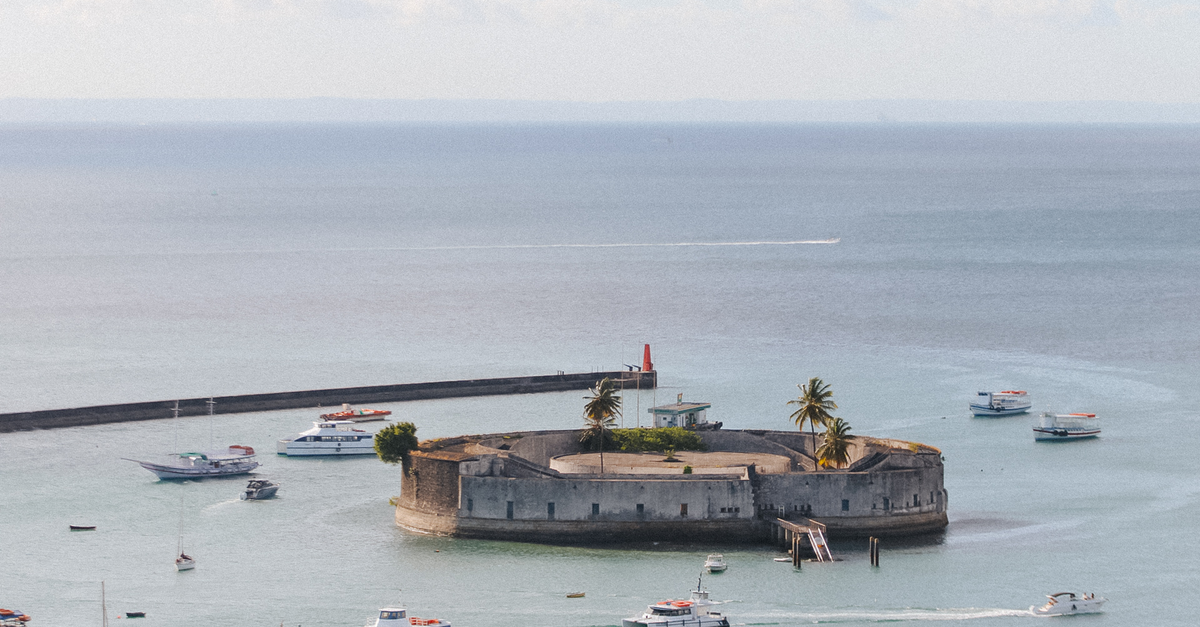
Forte de São Tiago is a vivid yellow 17th-century fortification guarding the harbor of Funchal. Today, it houses the city's Museum of Contemporary Art and offers stunning coastal views from its ramparts.

The Igreja de São Pedro is a hidden Funchal gem renowned for its exquisite 17th-century azulejos and ornate baroque gilded woodwork. It serves as a quiet, atmospheric respite from the bustling city center just a short walk away.

A golden sand bay on Madeira's south coast — imported sand, calm water, and the closest thing to a classic beach on the island.

A striking black-sand cove on Madeira's north coast, backed by waterfalls and fern cliffs — wild and atmospheric.

Volcanic rock pools fed by the Atlantic on Madeira's northwest tip — a surreal, swimmable mix of lava walls and ocean swell.

The third-highest peak on Madeira, reachable by road and the start of a spectacular ridge walk.

The dramatic eastern peninsula of Madeira — a coastal cliff walk unlike the levada interior.

Madeira's most famous levada walk — a forested path to a lagoon and a 25-spring waterfall in the Rabaçal valley.