Sagres
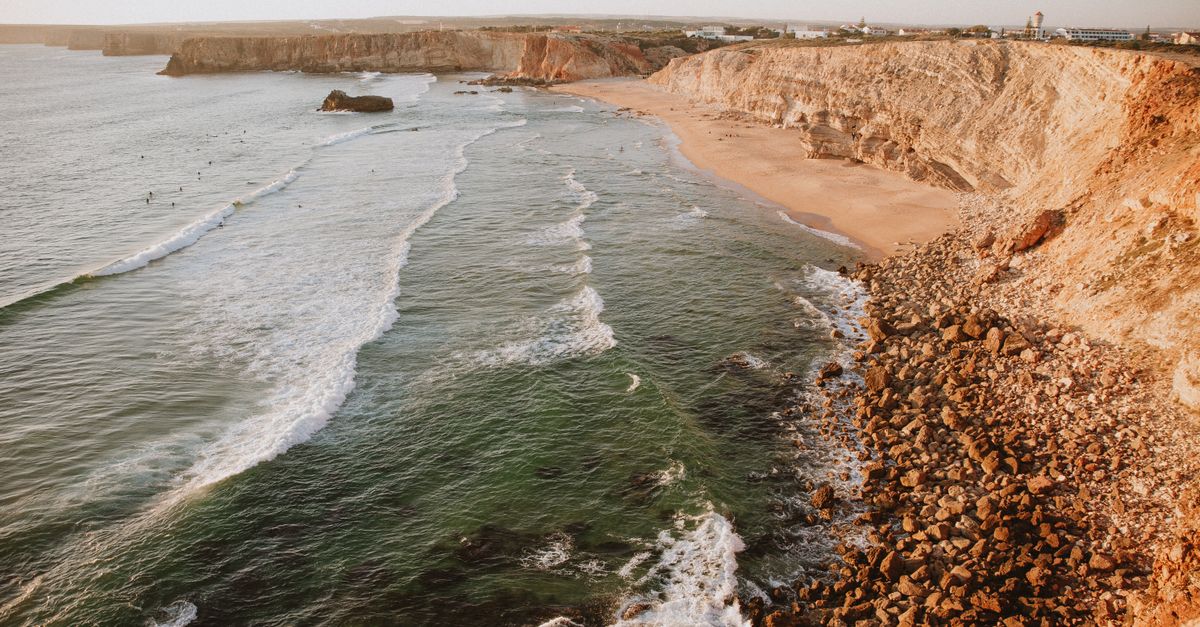
The end-of-the-world cape — fortress, big swells, surf culture, and the most windswept, dramatic corner of the Algarve.
A strong overnight for surfers and sunset romantics; a day trip from Lagos for everyone else.
Why go
The Fortaleza de Sagres, Cabo de São Vicente (the southwestern tip of Europe), big Atlantic surf, and a stripped-back, end-of-the-road atmosphere. The best sunsets in the Algarve.
Why you might skip it
Windier and cooler than the rest of the Algarve; beaches are dramatic, not sheltered.
What to do
Cabo de São Vicente at sunset, the fortress, surf at Tonel or Beliche, the Costa Vicentina drive north.
What to eat
Grilled fish; the windblown town's simple tasca fare.
Where to stay
One night, then move on. (1 night)
The town offers a mix of low-budget surf hostels, mid-range family hotels, and remote luxury cliff-side properties. The center provides easy access to nightlife and dining, though it can suffer from noise during the peak summer months. Opting for a guesthouse on the periphery offers silence and proximity to the rugged coastline, though it adds a ten to fifteen-minute walk back from the main dining areas at night.
Getting there & around
Car from Lagos.
The car provides the only reliable link to the rest of the Algarve, as the local bus network is infrequent and limited to regional routes. Sagres itself sits on a flat, windswept plateau, making walking the primary way to move between the main streets, the harbor, and the fortress. Sidewalks exist along the main artery, but the roads to remote surf beaches like Praia do Beliche require a vehicle to navigate the steep, cliff-side descents comfortably.
Common planning mistakes
The assumption that one night provides enough time for the western coast often leads to frustration. Relying on public transport restricts access to the remote northern beaches. Treating the town as a traditional Algarve beach resort ignores the harsh Atlantic weather that frequently drops temperatures even in summer. Failing to account for the heavy surf conditions results in wasted time at beaches where the water proves unsuitable for casual swimming.
Less ideal for
The exposed coastline poses risks to those seeking calm, sheltered waters for swimming. The lack of historic urban architecture leaves little for those looking for traditional tiled streets or classic museum circuits. The constant, high-velocity winds create uncomfortable conditions for light beach umbrellas or quiet reading sessions on the sand. The remote location demands significant driving time, making it a poor choice for those with a limited weekend schedule.
Practical notes
Cash is essential in the smaller surf shops and older seafood tascas, though major establishments accept cards. There is no train station in Sagres; the nearest terminal lies in Lagos, thirty-two kilometers away. Siesta hours are not strictly observed in the surf-centric cafes, but many family-owned businesses close during the mid-afternoon hours. The local market operates on specific weekday mornings, providing the primary source for fresh produce in a town with few large supermarkets.
What's here

Cabo de São Vicente
The southwesternmost point of mainland Europe, featuring 75-meter cliffs, an active lighthouse, and exposed Atlantic coastline.

Fortaleza de Sagres
The Fortaleza de Sagres occupies a wind-exposed promontory at the edge of the Algarve. The site contains fortifications and archeological remains associated with 15th-century maritime exploration.

Sagres Surf
The exposed west-coast breaks around Sagres — the Algarve's reliable surf.
Where it sits


More places in Algarve
Monchique
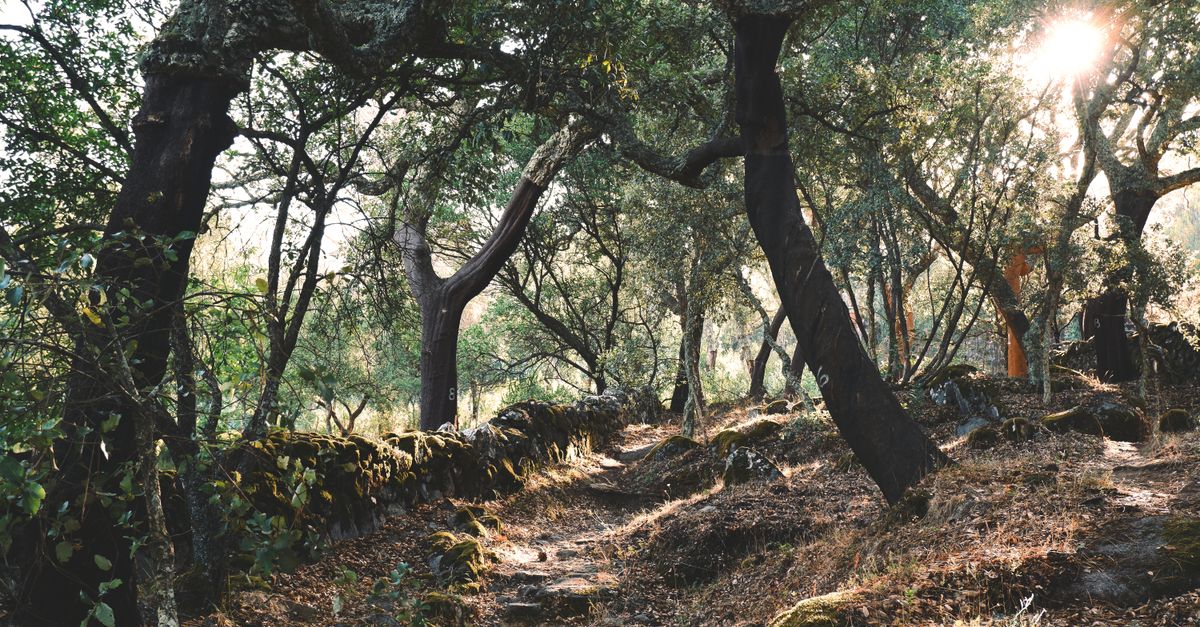
A mountain town in the Algarve's green interior — cork forests, hot springs, and the climb to Foia, the region's highest point.

Silves
The former Moorish capital of the Algarve — a red-stone castle, a cathedral, and a quiet hill town above the Arade.

Albufeira
The Algarve's party-and-resort capital — a pretty old town drowned in high-rise tourism and nightlife.
Aljezur
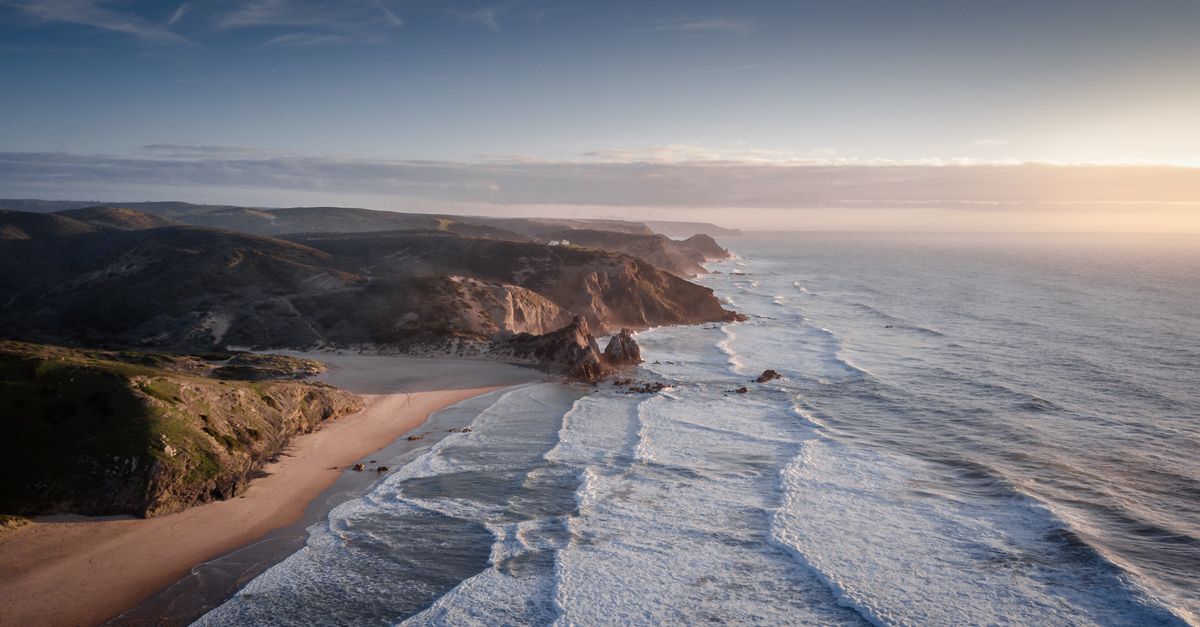
A whitewashed hill village and the gateway to the Costa Vicentina's wild beaches — surf, cliffs, and the west Algarve's quiet soul.
Faro
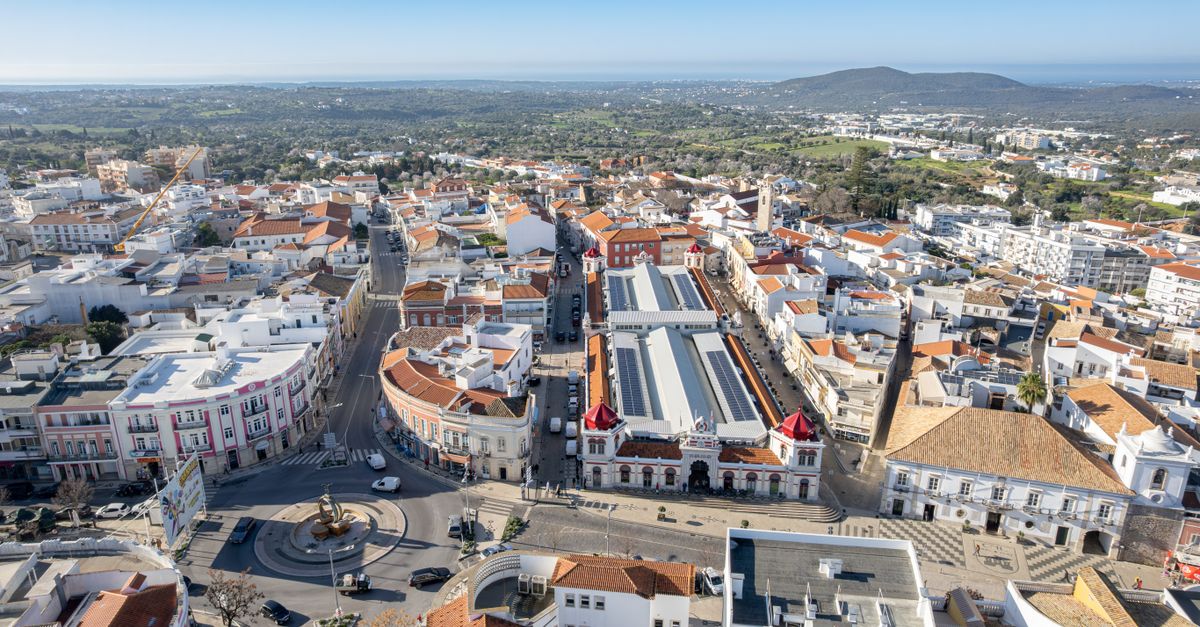
The Algarve's capital and airport city — an underrated old town, a walled garden, and the Ria Formosa lagoon.
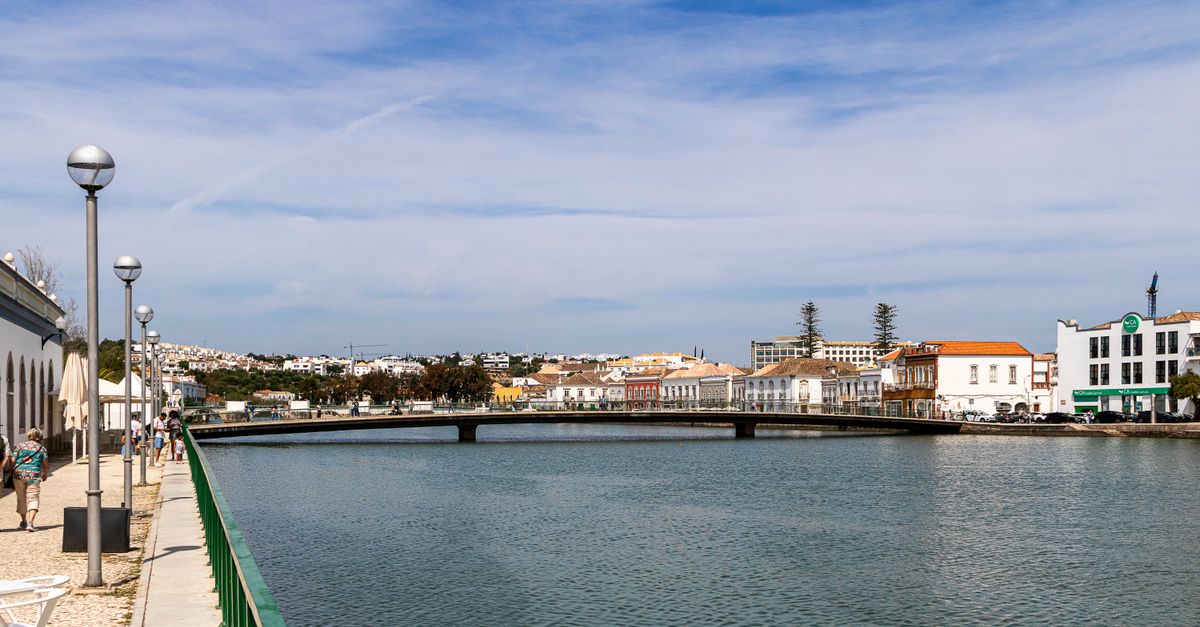
Tavira
The Algarve's most graceful town — a river, 37 churches, a Roman bridge, and the gateway to the quiet eastern islands.
We may earn a commission from bookings made through these links. It never changes what we recommend, or what we leave out.