Monchique
A mountain town in the Algarve's green interior — cork forests, hot springs, and the climb to Foia, the region's highest point.
A lovely day's escape from the coast; the Algarve most package tourists never see.
Why go
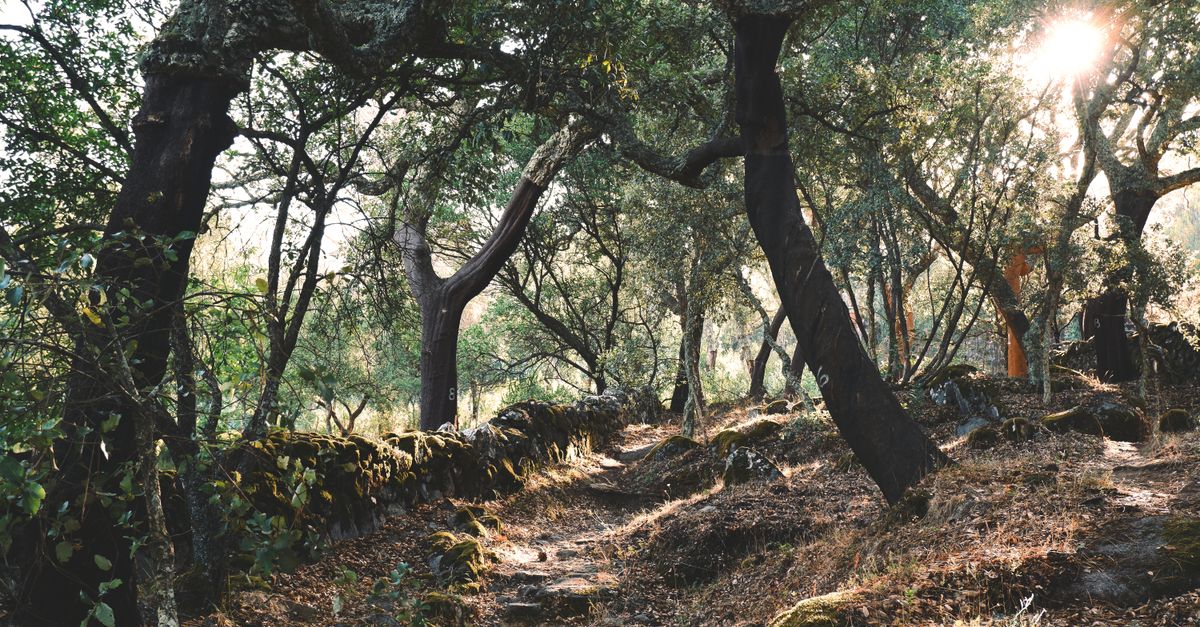
Cool mountain air, cork-oak forests, the Caldas de Monchique spa, and the Foia viewpoint over the whole coast. A completely different Algarve 30 minutes inland.
Why you might skip it
Not a beach; thin as an overnight unless you love the mountains.
What to do
Drive to Foia, the Caldas de Monchique spa walk, the cork forests, a village lunch.
What to eat
Local mountain cooking; presunto; medronho brandy.
Where to stay
A detour, rarely a night. (A day trip)
Options include renovated mountain villas, traditional guesthouses, and isolated thermal resorts located outside the town center. Staying in the core offers immediate access to local eateries but presents noise challenges from early morning delivery trucks on narrow stone roads. Properties situated on the slopes provide quieter environments and expansive forest views, though these require a car for any movement. Prices reflect the transition from rustic guesthouse simplicity to the premium rates of established thermal spas.
Getting there & around
Car from the coast.
Monchique centers on narrow, steep, cobblestone streets that prohibit most through traffic. A car remains essential for reaching the town from the coast and for accessing the summit of Foia. Parking exists in small, designated lots on the periphery of the town center, often requiring a short uphill walk. Pedestrian access defines the core, though gradients are significant and physically demanding. Public bus line 80 connects the town to Portimão, though service remains infrequent throughout the day.
Common planning mistakes
The mountain roads present tight switchbacks that surprise drivers expecting flat coastal terrain. Many arrivals underestimate the elevation gain, treating the town as a coastal flatland location. The peak of Foia sits several kilometers of steep ascent from the town center, rendering walking between the two points impractical for most. Over-reliance on GPS routing often leads vehicles into ancient, impassable alleys that terminate at private residential stairways.
Less ideal for
The town poses significant challenges for travelers with limited mobility due to the steep, uneven terrain and lack of elevators in historic structures. It is also less ideal for those who prefer to avoid long, winding mountain drives, as the route from the coast involves constant elevation changes and sharp curves that can prove uncomfortable for passengers prone to motion sickness.
Practical notes
Cash remains the standard for small purchases in local shops and cafes, as card readers do not always function reliably in older buildings. Most retail establishments observe traditional mid-afternoon breaks, closing their doors for several hours during the day. The town lacks a central transit station, relying instead on roadside stops. Market days occur monthly, bringing regional produce into the central square. Humidity often runs higher here than on the coast, necessitating a jacket even in warm seasons.
Where it sits


More places in Algarve
Sagres
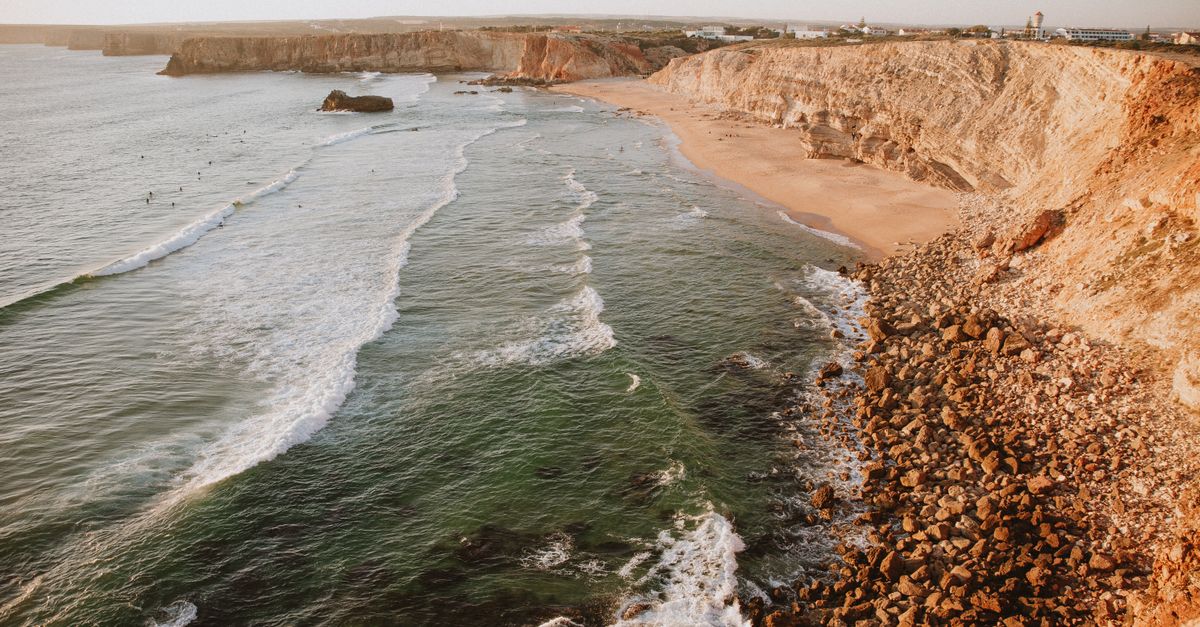
The end-of-the-world cape — fortress, big swells, surf culture, and the most windswept, dramatic corner of the Algarve.

Albufeira
The Algarve's party-and-resort capital — a pretty old town drowned in high-rise tourism and nightlife.
Aljezur
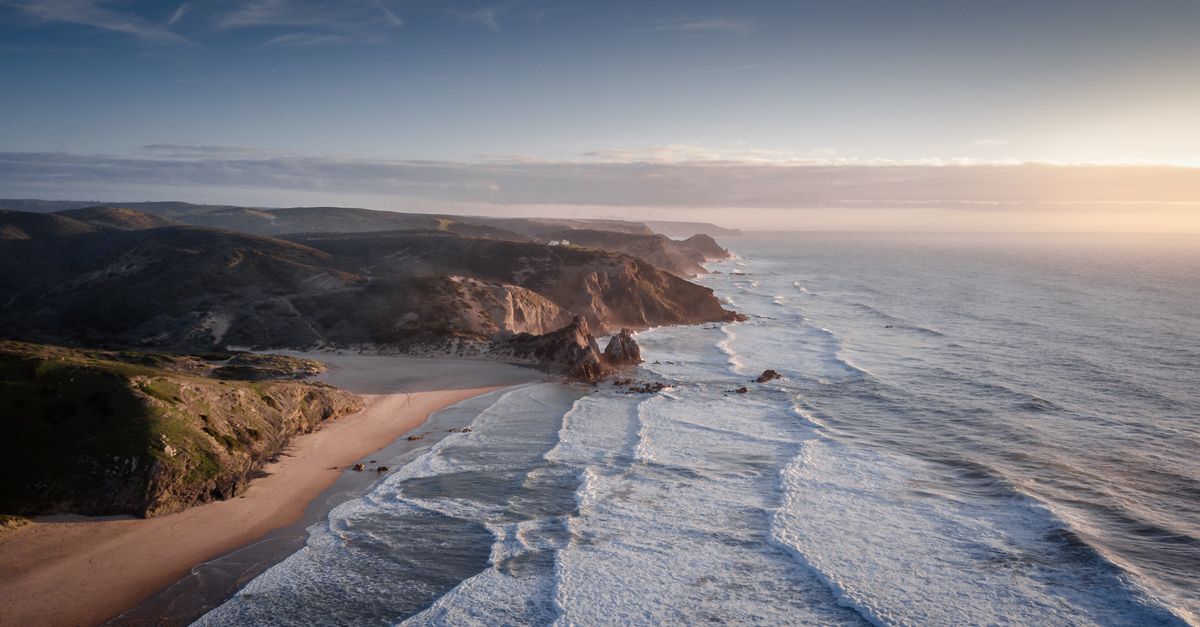
A whitewashed hill village and the gateway to the Costa Vicentina's wild beaches — surf, cliffs, and the west Algarve's quiet soul.
Faro
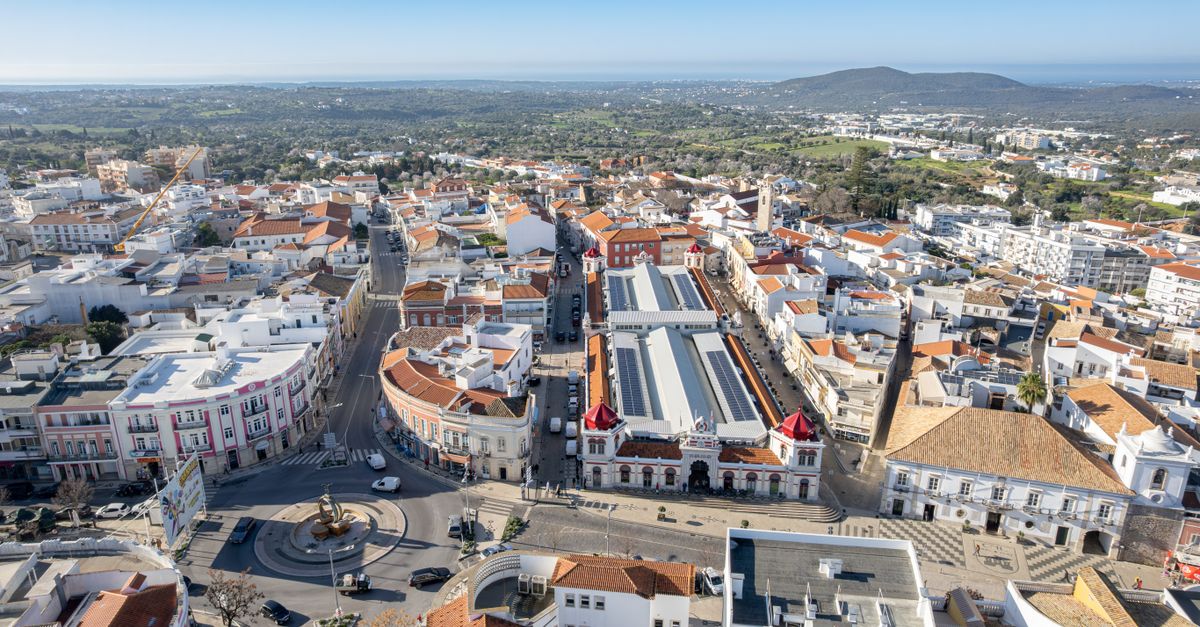
The Algarve's capital and airport city — an underrated old town, a walled garden, and the Ria Formosa lagoon.
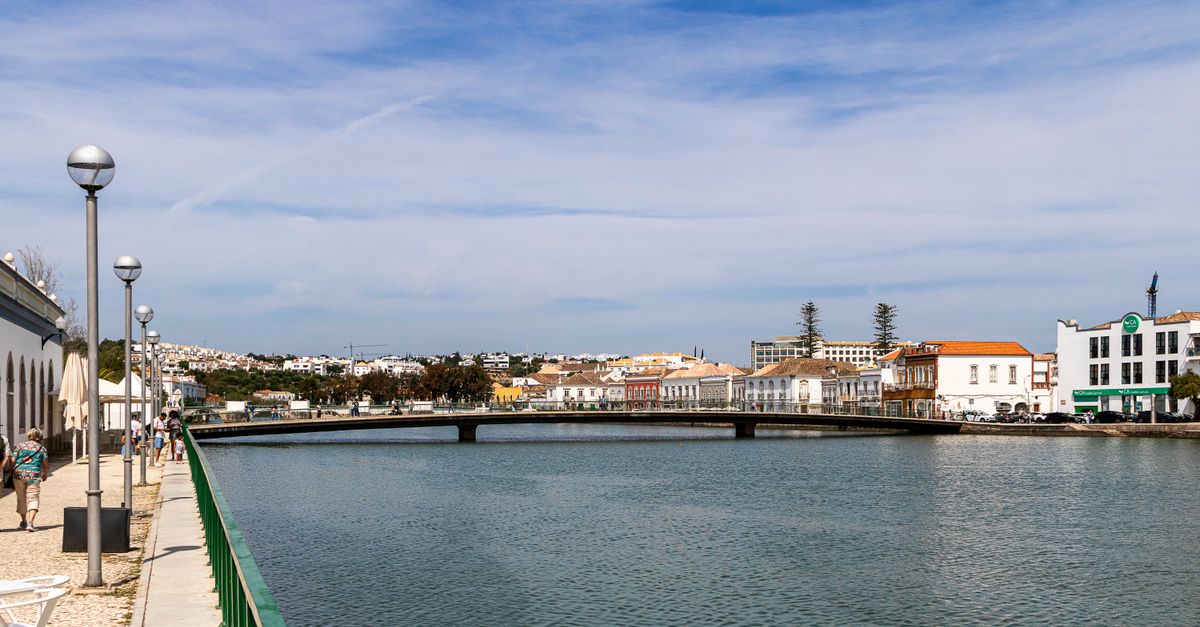
Tavira
The Algarve's most graceful town — a river, 37 churches, a Roman bridge, and the gateway to the quiet eastern islands.
We may earn a commission from bookings made through these links. It never changes what we recommend, or what we leave out.