Azores Wine Company
The pioneering Pico estate of winemakers António Maçanita and Filipe Cardoso, reviving serious winemaking on the volcanic island with taut, mineral whites from Arinto and Verdelho grown in the UNESCO basalt vineyards.

Nine volcanic islands in the mid-Atlantic — calderas, whales, hot springs and green.
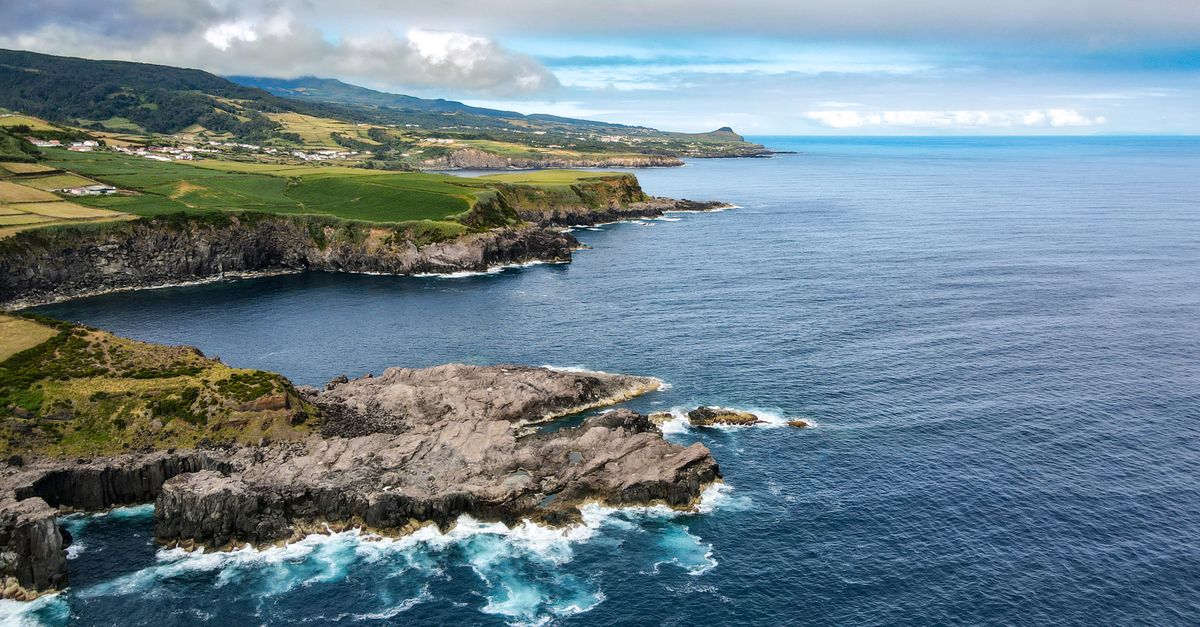
The Azores are nine volcanic islands in the mid-Atlantic — calderas, whale-watching, hot springs, basalt vineyards and a green so saturated it has its own name. They're the most geographically extreme part of Portugal, and the least visited by foreigners.
São Miguel is the gateway (Sete Cidades, Furnas, the tea plantations), but Pico holds the UNESCO basalt vineyards and the climb to Portugal's highest point, and Terceira keeps a second wine tradition at Biscoitos. Each island is a different trip.
The Azores make wine on volcanic basalt — nowhere else like it, most famously the UNESCO vineyards of Pico. Eat the cozido stewed in Furnas's volcanic heat, the limpets and tuna, and the islands' pineapple and sweet cornbread.

The pioneering Pico estate of winemakers António Maçanita and Filipe Cardoso, reviving serious winemaking on the volcanic island with taut, mineral whites from Arinto and Verdelho grown in the UNESCO basalt vineyards.

A small, traditional wine region on the north coast of Terceira island — the Biscoitos currais, basalt-pen vineyards growing Verdelho for the island's distinctive whites and reds; a tiny cooperative keeps the tradition alive.

A volcanic archipelago wine region across nine islands, defined by the UNESCO basalt-pen vineyards of Pico, where Arinto, Verdelho and Terrantez make taut, mineral wines from some of the most extreme terroir on earth.

A UNESCO World Heritage cultural landscape — a strip of vineyard on Pico's lava-rock coast, where vines are grown in tiny walled basalt pens (currais) that protect them from wind and salt. A landscape to visit, not just taste.

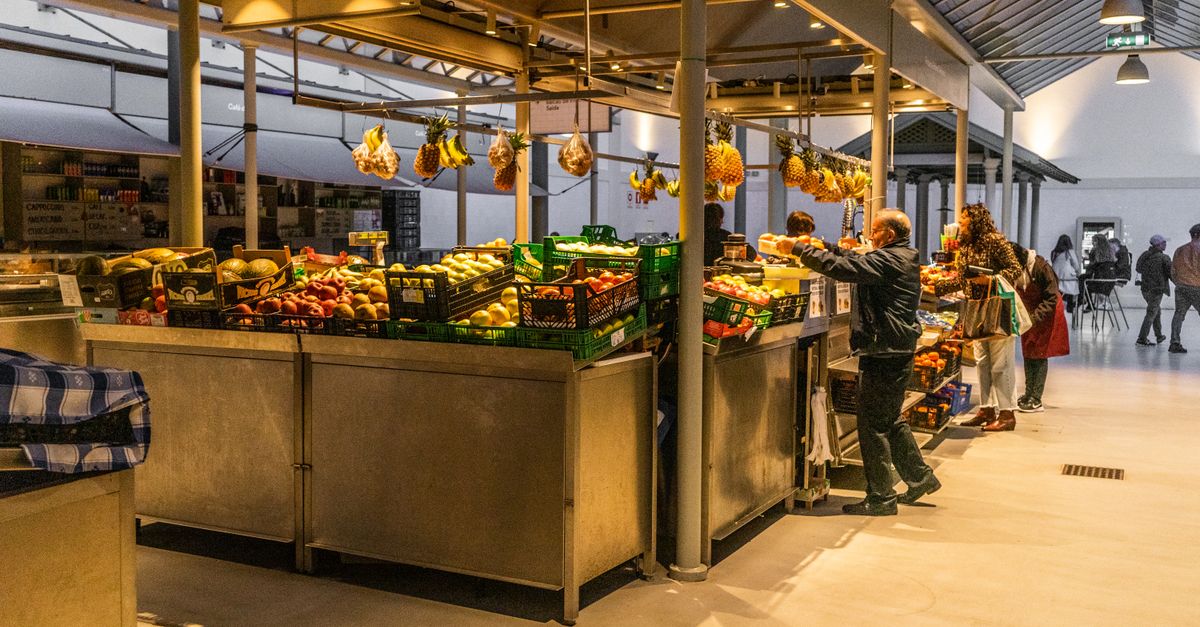
Mercado da Graça is the pulsating heart of Ponta Delgada’s local food culture, offering a genuine glimpse into the agricultural bounty of São Miguel. It serves as the primary hub for island farmers to showcase rare subtropical fruits and the freshest Atlantic catch.

A meat-and-vegetable stew cooked underground by volcanic steam — the Azores' most theatrical dish.

Grilled limpets with garlic butter — the Azores' simplest, most island-Atlantic snack.

A soft, sweet round bread, split and toasted — the Azores' everyday bread and breakfast.

Sweet bread with a halo — the Azores' round, egg-enriched loaf, the centre of the Holy Ghost festival.

Barnacles picked from the rocks and eaten raw or briefly cooked — the Azores' most hardcore seafood snack.

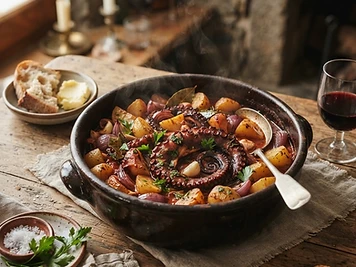
Octopus slow-cooked in red wine and Azorean spices — the islands' deep, cold-weather octopus stew.

Nine volcanic islands in the mid-Atlantic — calderas, crater lakes, whales, hot springs, and green so green it has its own color ('azul').

The largest Azores island — twin crater lakes, hot springs, tea plantations, and the only island most travelers see. Rightly so.

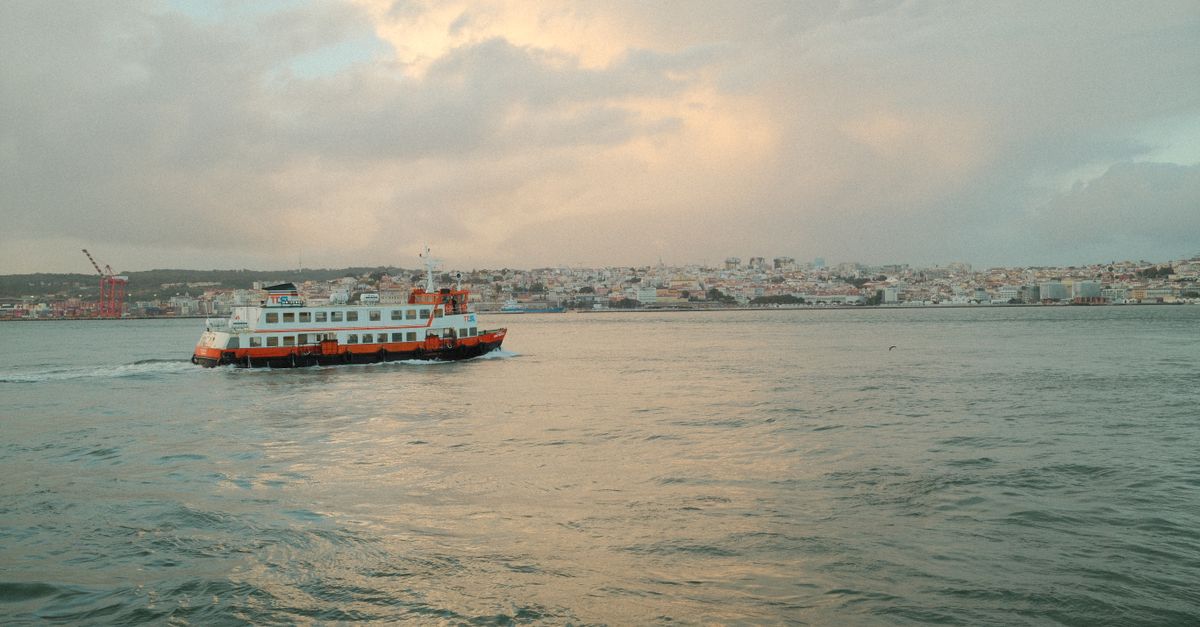
This short Atlantic crossing connects the vibrant marina town of Horta on Faial to the volcanic slopes of Madalena on Pico. It is the vital maritime umbilical cord that links two of the central Azores' most distinct islands.

This inter-island ferry network serves as the vital maritime backbone of the Azores' central group, connecting the disparate volcanic landscapes of Terceira, São Jorge, Pico, and Faial. It is the most authentic way to experience the archipelago's maritime culture while transitioning between vastly different island environments.

The Festa do Senhor Santo Cristo dos Milagres is the most significant religious event in the Azores, featuring a massive, ornate procession through Ponta Delgada. It is a profound display of devotion, blending solemn liturgy with the vibrant, colorful spectacle of flowers and street carpets.

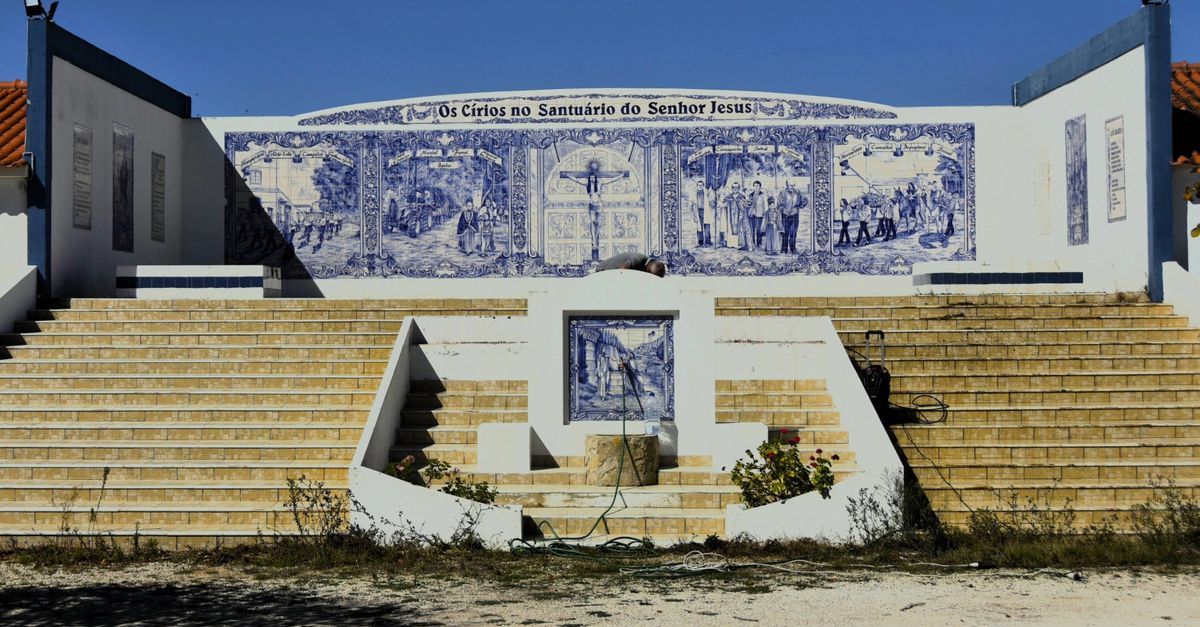
The Festas do Espírito Santo are the defining cultural tradition of the Azores, involving elaborate community-led processions and charitable feasts centered around ornate 'impérios' chapels. It is a profound, living expression of Azorean social cohesion and religious devotion that remains largely untouched by mass tourism.

Caldeiras das Furnas is a surreal landscape of bubbling fumaroles and iron-rich volcanic springs set within a lush, steam-shrouded crater basin. It is the epicenter of Azorean geothermal activity and a primary destination for experiencing the island's raw, living geology.

Caldeira Velha is a lush, fern-draped thermal monument located on the slopes of the Fogo Volcano. It features a series of iron-rich hot springs and a picturesque waterfall set within a protected natural park.

Scaling the 2,351-meter Pico mountain is the ultimate achievement for any hiker visiting the Azores. It offers a grueling but rewarding climb to the highest point in Portugal, where clouds swirl around the rugged volcanic crater.

Lagoa das Furnas is a stunning volcanic crater lake nestled in the heart of São Miguel, framed by lush hills, geothermal activity, and mystical greenery. It is the iconic centerpiece of Furnas, blending dramatic geology with serene, mist-covered waters.

Lagoa do Fogo is a stunning, protected crater lake nestled within the Água de Pau Massif, renowned for its pristine turquoise waters and dramatic, steep volcanic slopes. It remains one of the Azores' most iconic and untouched natural landscapes.

Perched on the crater rim of Sete Cidades, this iconic viewpoint offers the quintessential panoramic look at the twin emerald and azure volcanic lakes. It is the most famous vantage point in the Azores for capturing the dramatic scale of the Caldeira.

Miradouro da Boca do Inferno offers the most iconic, sweeping vista of the Sete Cidades volcanic crater and its twin lakes. It is the definitive postcard shot of the Azores, capturing the dramatic intersection of volcanic caldera walls and emerald-blue water.

The Caldeira do Faial is a stunning, massive volcanic crater reaching 1,043 meters that serves as the island's geological heart. It is a lush, protected natural reserve offering a dramatic window into the violent volcanic origins of the Azores.

Algar do Carvão is one of the few volcanoes in the world you can enter, offering a rare glimpse into a prehistoric magma chamber. It is a stunning natural monument located in the heart of Terceira Island.

Furna do Enxofre is a stunning, cathedral-like volcanic lava tube located within the caldera of Graciosa island. It remains one of the Azores' most impressive geological monuments, characterized by its massive vaulted ceiling and an subterranean sulfurous lake.

Occupying the dramatic Mount Brazil headland, this colossal 16th-century fortress remains one of the finest examples of military architecture in the Atlantic. It serves as a striking reminder of Terceira Island's strategic importance during the Philippine Dynasty and the Iberian Union.

The Igreja Matriz de São Sebastião is the principal church of Ponta Delgada, serving as a landmark of Azorean religious architecture. It is most famous for its elaborate Manueline doorway and its role as the starting point for the island's most significant religious processions.

The Convento da Esperança is a historic 16th-century religious site in Ponta Delgada, famous as the home of the sacred image of the Senhor Santo Cristo dos Milagres. It stands as a vital center of Azorean religious life and a masterpiece of Baroque architectural detail.

Forte de São Brás is a formidable 16th-century fortress guarding the harbor of Ponta Delgada on the island of São Miguel. It serves as both an active military installation and a military museum documenting the maritime history of the Azores.

The Sé de Angra do Heroísmo stands as a grand 16th-century monument and the religious heart of Terceira Island. It serves as the episcopal seat of the Azores and is a defining architectural landmark within the city's UNESCO-listed historic center.

São Miguel's closest sand to Ponta Delgada — a black-volcanic bay with a seaside promenade and the calmest water on the island's south coast.

São Miguel's main sandy beach on the north coast — long, black-grey volcanic sand, and a known surf break.

A geothermal valley on São Miguel — hot springs, fumaroles, and a caldera lake.

The iconic twin crater lakes of São Miguel — one blue, one green, in a vast volcanic caldera under the Boca do Inferno viewpoint.