Faro
The Algarve's capital and airport city — an underrated old town, a walled garden, and the Ria Formosa lagoon.
Mostly a gateway — but the old town and Ria Formosa are worth a half-day, not a rush through.
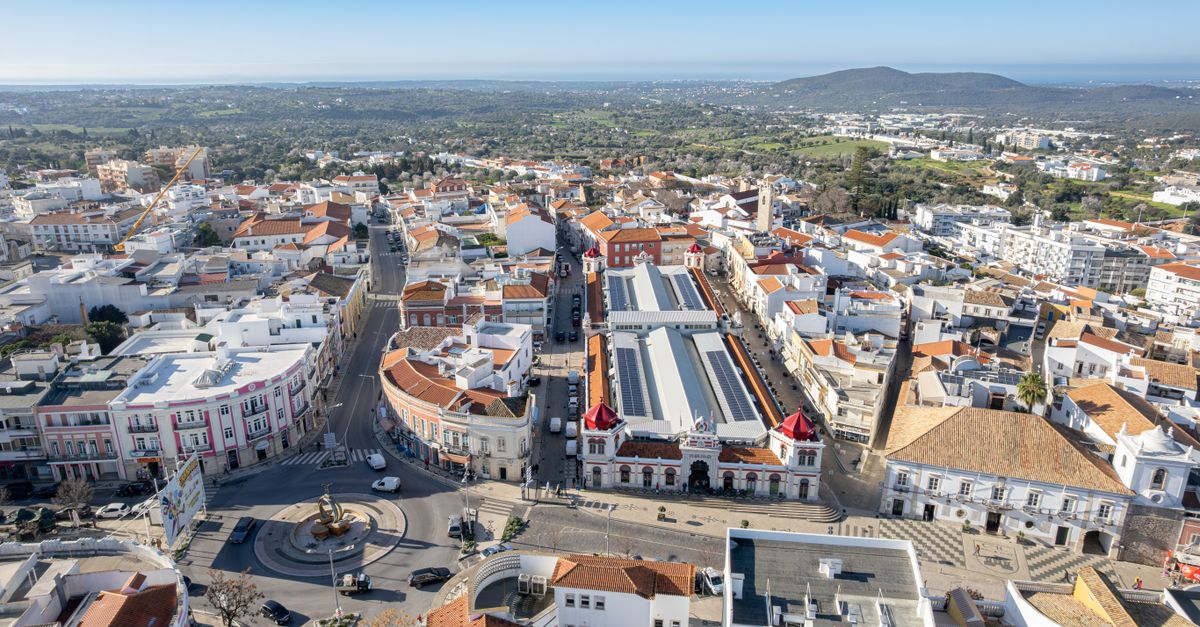
Why go
The walled old town and arched gateway, the bone chapel (Capela dos Ossos), the Ria Formosa islands, and the lagoon's birdlife. Far more real than the resort coast.
Why you might skip it
The city around the old town is ordinary; most travelers pass straight through to the beaches.
What to do
The old town and bone chapel, the Ria Formosa boat trip, the island beaches (Deserta, Faro).
What to eat
Ria Formosa seafood; the old town's small tasca.
Where to stay
The old town for a night; otherwise head straight to Tavira or Lagos.
Getting there & around
Fly into Faro (FAO).
What's here
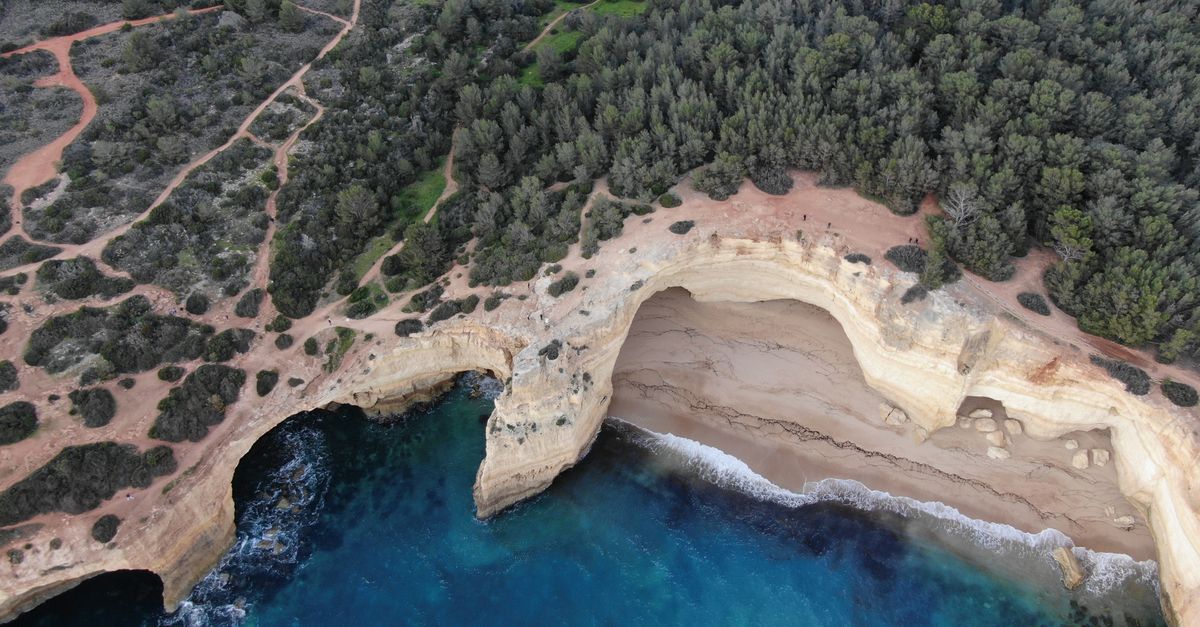
Linha do Algarve
The Linha do Algarve is a regional railway connecting the western, central, and eastern hubs of the region along the southern coast. It serves as an essential link for travelers looking to experience the diversity of the Algarve without relying on coastal highway traffic.
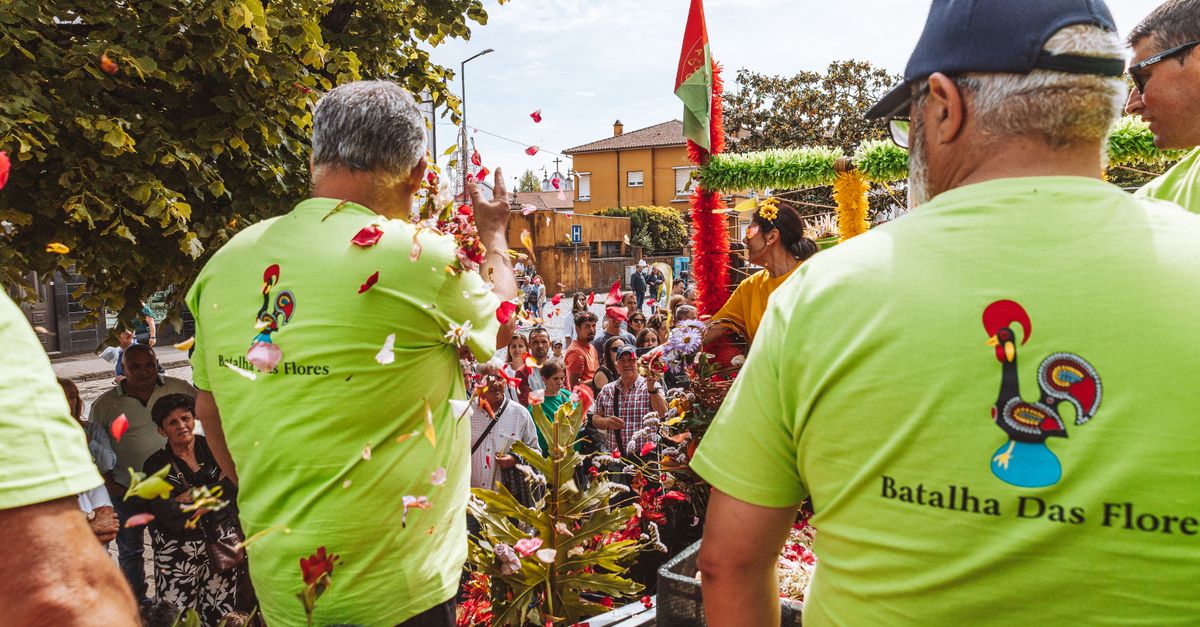
Festas da Cidade de Faro
The Festas da Cidade de Faro celebrates the anniversary of Faro's elevation to city status with a program of cultural events, concerts, and local traditions. It offers a glimpse into the city's heritage and contemporary life, drawing locals and visitors alike.

Ria Formosa Natural Park
Ria Formosa is a vast labyrinth of barrier islands, marshes, and tidal lagoons that serves as the Algarve’s most vital ecological sanctuary. It acts as a protective buffer between the Atlantic Ocean and the mainland, fostering a unique biodiversity hotspot.
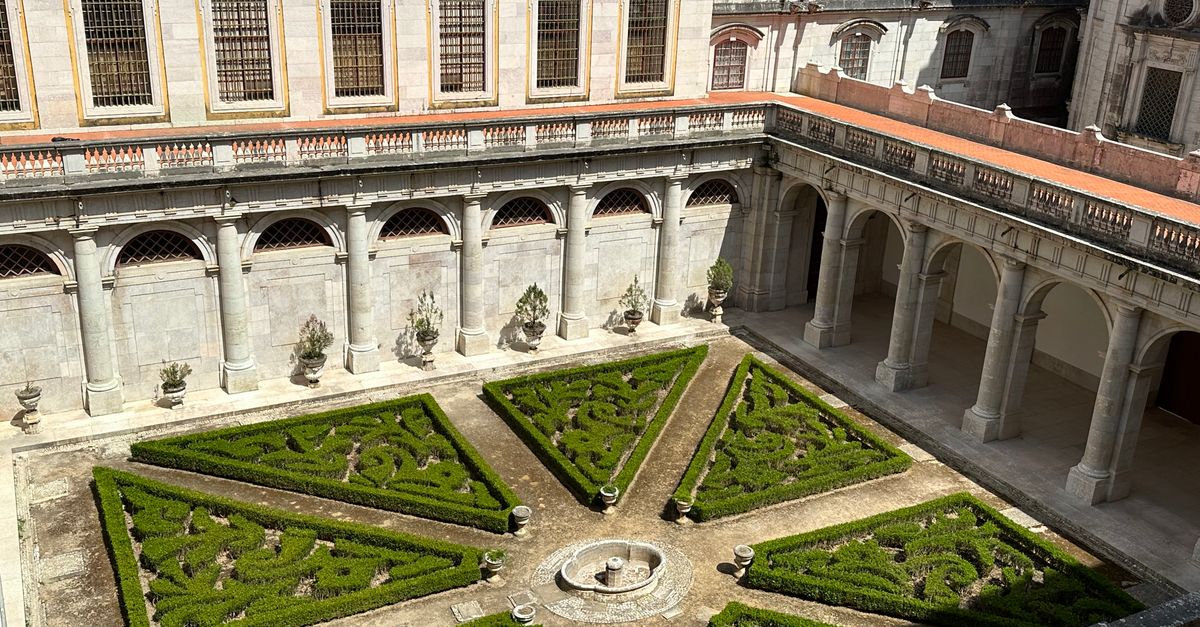
Palácio de Estoi
The Palácio de Estoi is a striking example of late 19th-century Neo-Rococo architecture, renowned for its ornate pink facade and terraced gardens. It stands as a beautifully restored testament to the opulent tastes of the Algarve's rural aristocracy.

Sé de Faro
The Sé de Faro serves as the ecclesiastical heart of the Algarve, blending layers of Gothic, Renaissance, and Baroque architectural styles within the city’s ancient walls. It remains a tranquil, culturally rich anchor in the historic Cidade Velha.

Igreja do Carmo (Capela dos Ossos)
This 18th-century Baroque church is renowned for its striking gold-leaf gilded interior and the macabre Capela dos Ossos, a chapel constructed from the bones of over 1,000 monks. It remains one of the most haunting and distinct cultural landmarks in the Algarve.

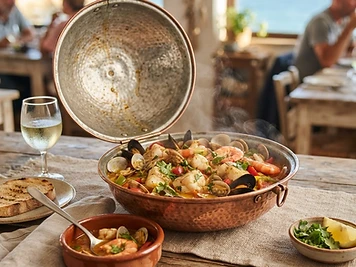
Cataplana de Marisco
Shellfish and fish steamed in a copper clam-shell — the Algarve's signature one-pot, built for the table.

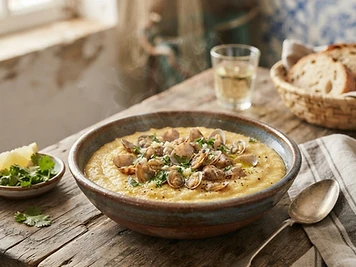
Xarém com Conquilhas
A thick cornmeal porridge with clams — the Algarve's humble, definitive fisherman's plate.

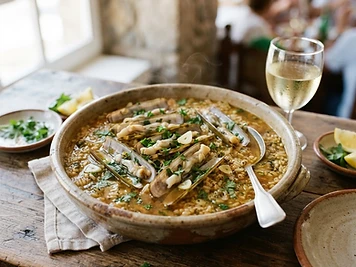
Arroz de Lingueirão
Rice with razor clams — the Algarve's cleanest, most elegant seafood rice.

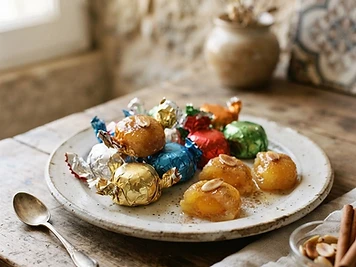
Dom Rodrigo
A sweet of egg yolk, almond and cinnamon in foil — Faro's most famous convent dessert.

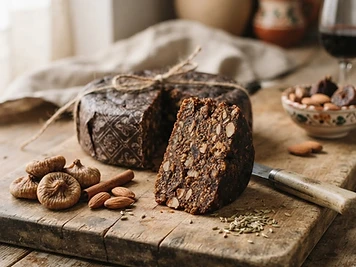
Queijo de Figo
A 'cheese' made of figs, almonds and aguardente — the Algarve's old sweet, shaped like a cheese.

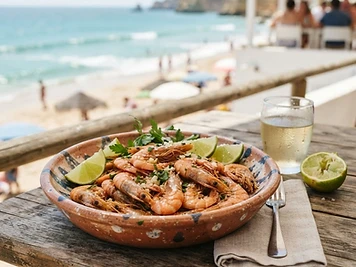
Camarão Frito
Whole small prawns fried with garlic and lime — the Algarve's simplest, best bar snack.
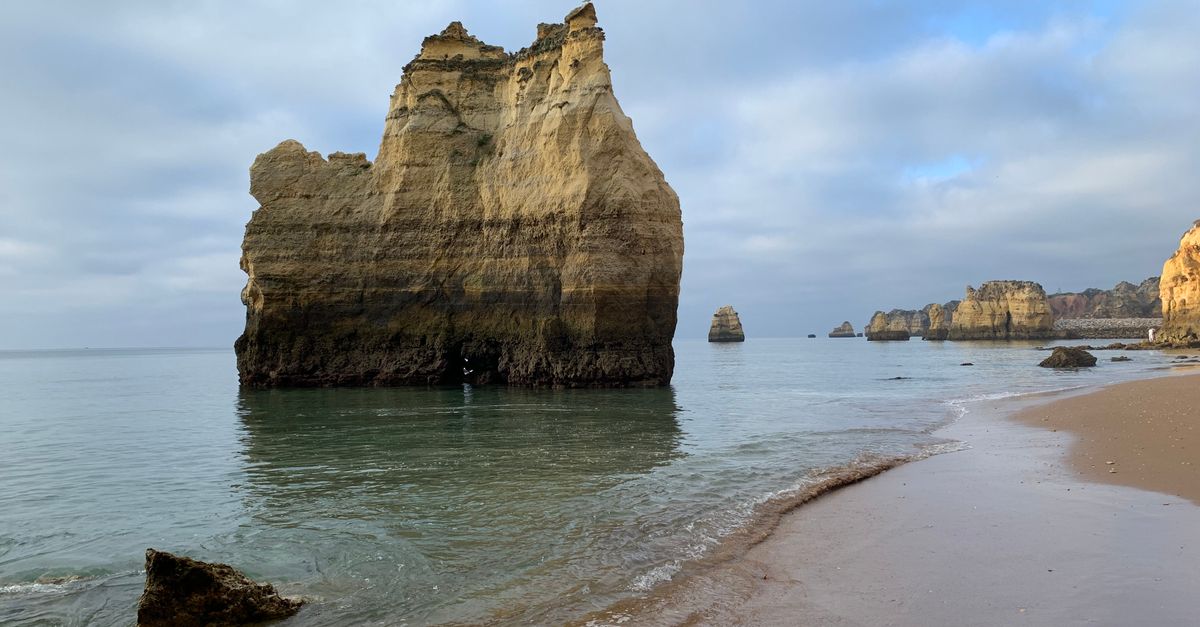
Praia da Falésia
Six kilometers of golden cliff-backed sand between Albufeira and Vilamoura.

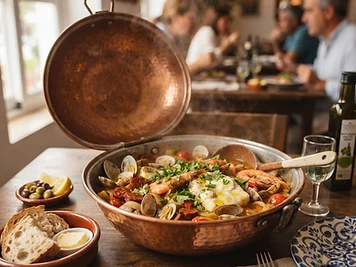
Cataplana
A seafood stew steamed in a copper clam-shell pot — the Algarve's signature dish.
Where it sits


