Palácio de Estoi
The Palácio de Estoi is a striking example of late 19th-century Neo-Rococo architecture, renowned for its ornate pink facade and terraced gardens. It stands as a beautifully restored testament to the opulent tastes of the Algarve's rural aristocracy.
A must-see architectural jewel for those seeking a sophisticated departure from the Algarve’s typical beach-focused tourism.
Why go
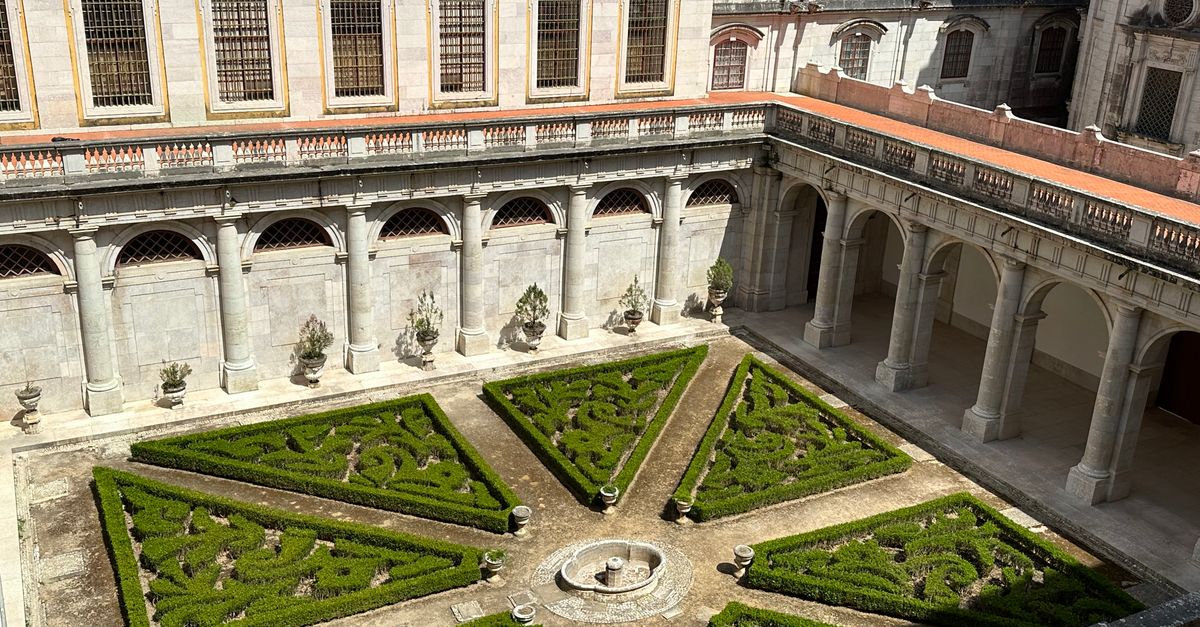
It offers a rare look at a beautifully preserved aristocratic estate. The blend of intricate stucco work, ornate interior frescoes, and the signature tiered blue-and-white tiled gardens provides a distinct, cinematic aesthetic that stands in stark contrast to the nearby coastal developments.
Why you might skip it
Skip it if you are looking for an immersive, museum-grade historical experience, as the palace serves primarily as a boutique hotel and its interiors are often limited to guests or restricted areas.
What to do
Wander through the meticulously landscaped gardens, admire the exterior architecture and its fountain, and enjoy a quiet coffee on the terrace to appreciate the palace's elevated view of the landscape.
History & origin
Built in the late 19th century for the Viscount of Estoi, the palace was designed to showcase wealth and taste, combining Rococo and Neoclassical elements with extensive formal gardens that integrate Roman-inspired water features.
Getting there & around
Located in the village of Estoi, approximately 10 kilometers north of Faro; easily accessed via the N2 road or a short taxi ride from Faro city center.
The site is easily navigated on foot, though some areas may be restricted to hotel guests.
Common planning mistakes
Many visitors arrive expecting a large, public-access historical museum; because the property operates as a luxury hotel, it is better to manage expectations regarding interior access.
Less ideal for
Those seeking a full-day historical museum tour or travelers relying strictly on infrequent public transport schedules.
Practical notes
Check current opening times for the gardens and public areas as they can occasionally be affected by private events; parking is available near the entrance.
Where it sits


