Festival do Marisco (Olhão)
Held in the Jardim Pescador Olhanense, the Festival do Marisco focuses on regional shellfish. The event converts the Olhão fishing port into an open-air dining area, serving locally sourced seafood alongside live musical performances.
This is an Algarve summer staple. Align your schedule with the festival if you prioritize large-scale public events and high-volume seafood consumption.
Why go
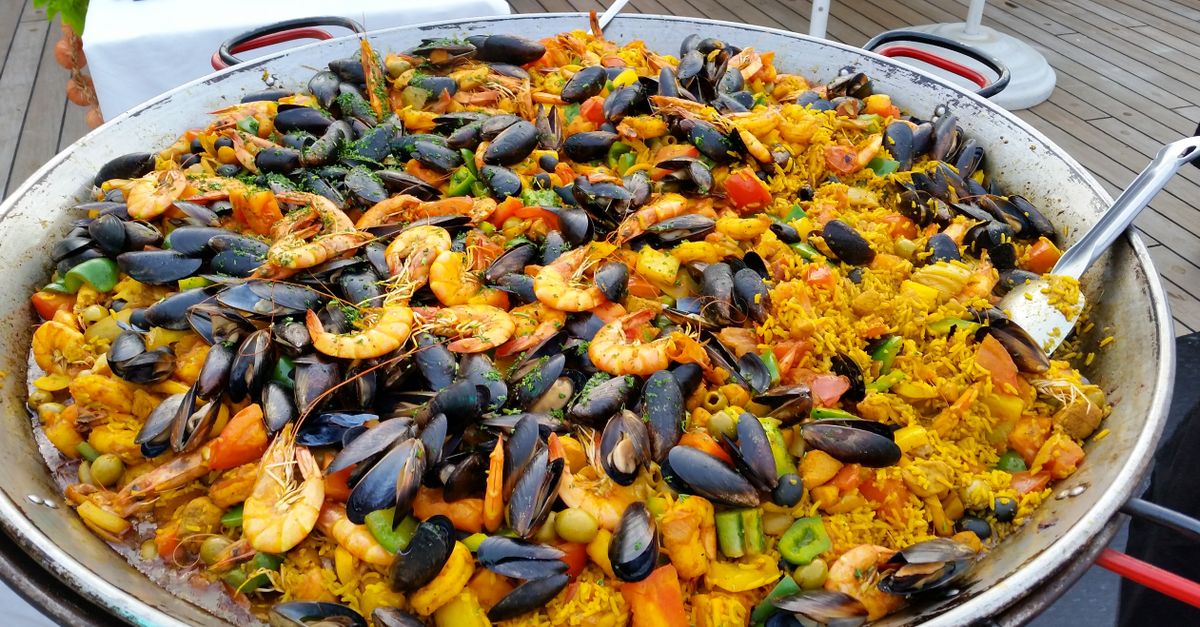
The event centers on local razor clams, prawns, tiger shrimp, and lobster prepared using traditional Algarvian methods. It links the town's industrial fishing history with a multi-day public celebration that continues late into the evening.
Why you might skip it
Travelers seeking a quiet, intimate dinner should avoid the site's stadium-like scale, intense heat, and long queues. Those sensitive to loud noise or crowds will find the environment difficult.
What to do
Navigate the food stalls, browse craft vendors, and sit near the main stage for Portuguese folk or pop performances while eating.
What to eat
The cataplana de marisco is the primary dish, supplemented by grilled tiger prawns, santola, and oysters. Pair with chilled local white wine or beer.
History & origin
Established in the 1980s, the festival functions as a promotional event for the local fishing industry and the Ria Formosa lagoon, the primary economic driver for Olhão.
Getting there & around
The festival is held at the Jardim Pescador Olhanense, a short walk from the Olhão train station on the regional line. If driving, park on the outskirts of the town center, as the streets near the port are narrow and frequently congested during the event.
Work out how Festival do Marisco (Olhão) connects to another stop
Common planning mistakes
Delaying dinner, which leads to hour-long queues for popular seafood, and ignoring the humidity of an August night in the Algarve.
Less ideal for
Couples seeking quiet dining or travelers who avoid dense crowds and loud sound systems.
Practical notes
Tickets are sold at the entrance. Wear breathable clothing, as the venue is loud and crowded throughout the evening.
Where it sits




More history in Algarve

Castelo de Silves
Castelo de Silves is a fortification constructed from red sandstone overlooking the Arade River valley. It maintains segments of walls and cisterns dating to the Islamic period.

Castelo de Tavira
Located at the highest point in Tavira, these medieval fortress ruins provide a view of the town's defensive layout. The stone ramparts and interior garden overlook the terracotta roofs of the Algarve.

Cerro da Vila (Roman ruins)
Cerro da Vila contains the remnants of a Roman villa, baths, and fish-salting tanks within the Vilamoura resort area, documenting the Roman occupation of the Algarve.

Fortaleza de Sagres
The Fortaleza de Sagres occupies a wind-exposed promontory at the edge of the Algarve. The site contains fortifications and archeological remains associated with 15th-century maritime exploration.

Forte da Ponta da Bandeira
This 17th-century fortification guards the harbor entrance of Lagos. It serves as a study of the town's maritime defensive architecture, balancing the structure of its military walls with vantage points overlooking the Atlantic coast.

Igreja de Santa Maria do Castelo
Located on the highest ground in Tavira, this church incorporates Manueline elements and sits above the Gilão River and the town center.