Forte da Ponta da Bandeira
This 17th-century fortification guards the harbor entrance of Lagos. It serves as a study of the town's maritime defensive architecture, balancing the structure of its military walls with vantage points overlooking the Atlantic coast.
A logical stop for those navigating the Lagos waterfront, suitable for travelers interested in military history and harbor views.

Why go
The fort offers a look at Algarve military history requiring little time. Its position at the tip of the harbor provides a vantage point over the Lagos coastline and estuary, while the interior museum displays artifacts related to the Age of Discovery.
Why you might skip it
Travelers with limited mobility may find the stone stairs and narrow passages difficult to navigate. If military history or small museums do not hold your interest, the site will likely feel minor compared to the geologic formations at nearby Ponta da Piedade.
What to do
Cross the drawbridge to enter the courtyard, walk the ramparts for views of the harbor and sea, and view the chapel of Saint Barbara inside the walls.
History & origin
Constructed in the 1680s to defend the harbor against pirates and ships, the fort formed a part of the town's defensive network following the restoration of the Portuguese monarchy. It replaced a previous coastal battery and adheres to 17th-century military design.
Getting there & around
Located at the end of the Avenida dos Descobrimentos. Access by foot from public parking lots near the marina or town center.
The site is small and navigated by walking on stone surfaces and staircases.
Work out how Forte da Ponta da Bandeira connects to another stop
Common planning mistakes
Many visitors view the exterior and skip the interior exhibit, which details the strategic importance of the fort.
Less ideal for
Visitors with limited mobility, those expecting large-scale palaces, or travelers seeking a half-day activity.
Practical notes
An entry fee is required. Closed on Mondays. Surfaces are uneven; wear appropriate footwear. Photography is permitted.
Where it sits


More history in Algarve

Castelo de Silves
Castelo de Silves is a fortification constructed from red sandstone overlooking the Arade River valley. It maintains segments of walls and cisterns dating to the Islamic period.

Castelo de Tavira
Located at the highest point in Tavira, these medieval fortress ruins provide a view of the town's defensive layout. The stone ramparts and interior garden overlook the terracotta roofs of the Algarve.

Cerro da Vila (Roman ruins)
Cerro da Vila contains the remnants of a Roman villa, baths, and fish-salting tanks within the Vilamoura resort area, documenting the Roman occupation of the Algarve.
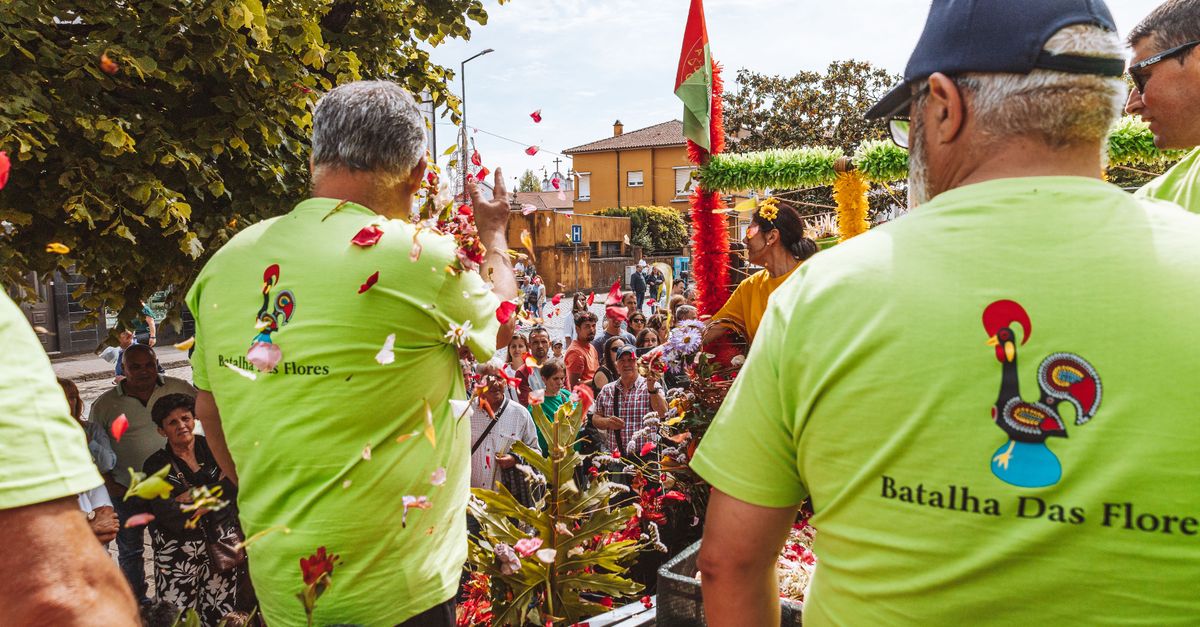
Festas da Cidade de Faro
The Festas da Cidade de Faro marks the anniversary of Faro's elevation to city status with concerts, exhibitions, and public events. It provides a local perspective on the city's civic identity.
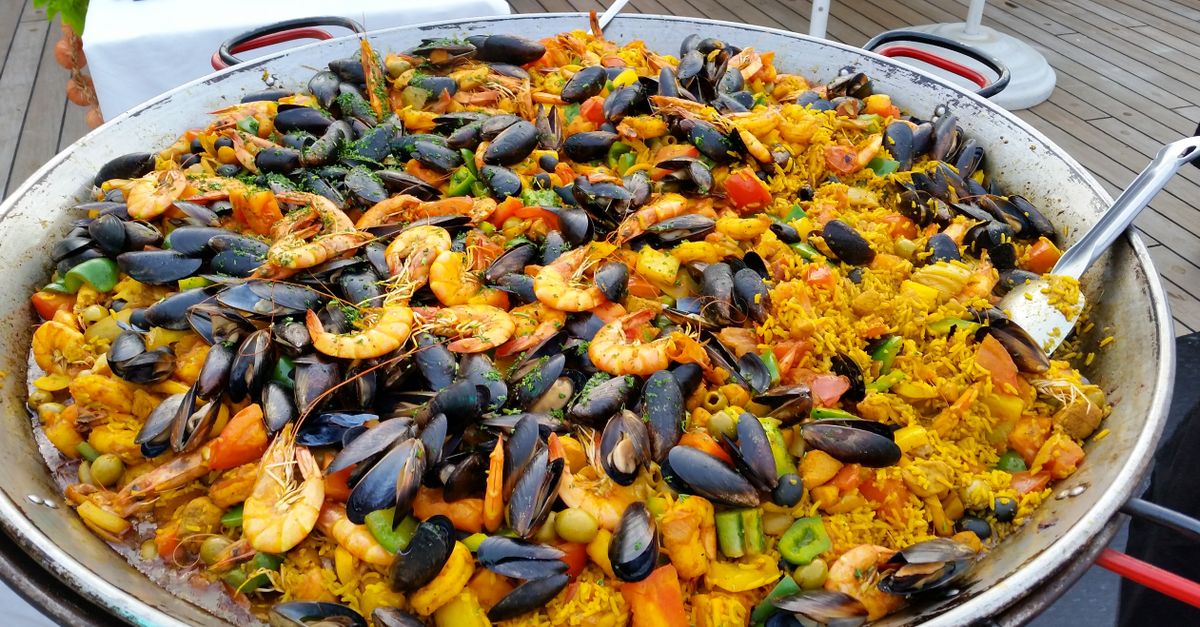
Festival do Marisco (Olhão)
Held in the Jardim Pescador Olhanense, the Festival do Marisco focuses on regional shellfish. The event converts the Olhão fishing port into an open-air dining area, serving locally sourced seafood alongside live musical performances.
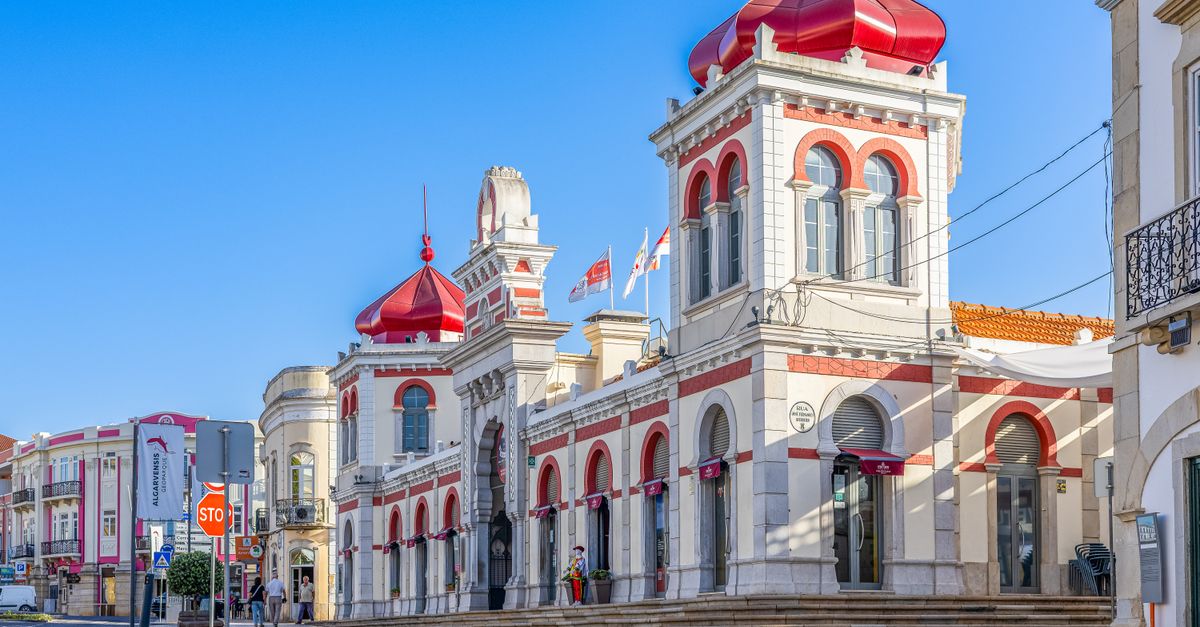
Festival MED (Loulé)
Festival MED is a multi-day event for world music and Mediterranean culture located in the narrow streets of Loulé’s old town. It turns the municipality into an international cultural hub, staging performances among the architecture of the Algarve interior.
We may earn a commission from bookings made through these links. It never changes what we recommend, or what we leave out.