Festival MED (Loulé)
Festival MED is a multi-day event for world music and Mediterranean culture located in the narrow streets of Loulé’s old town. It turns the municipality into an international cultural hub, staging performances among the architecture of the Algarve interior.
This is a primary Algarve event that shifts a summer beach trip toward a cultural focus.
Why go
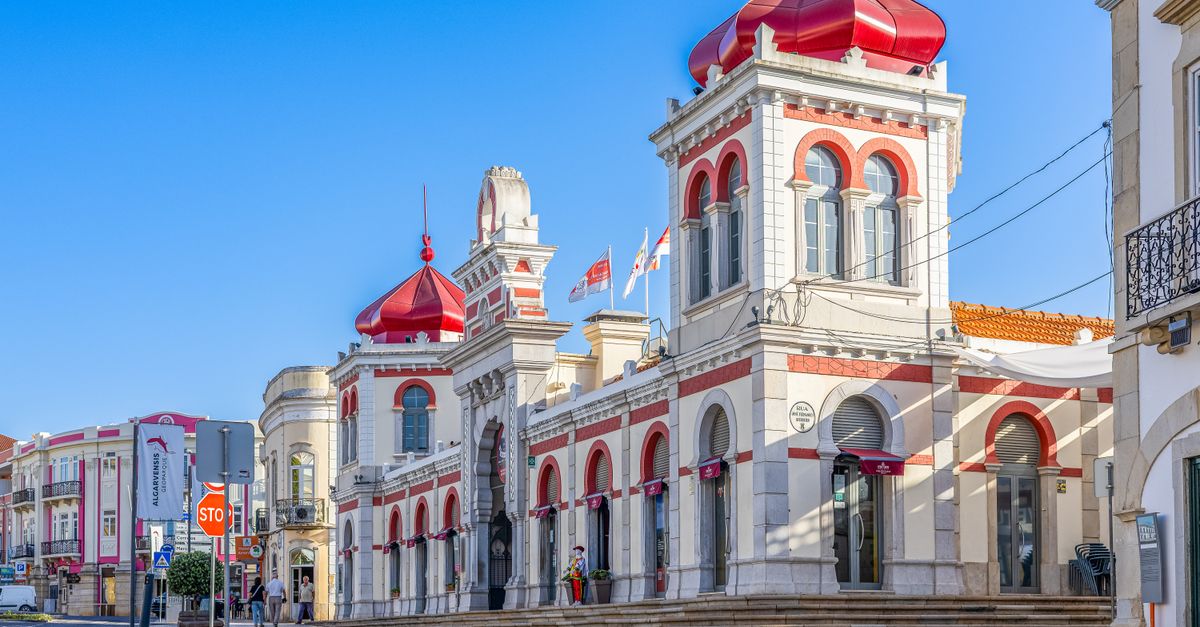
Plazas, castle walls, and alleys serve as stages for artists from the Mediterranean basin. The event includes street performers, artisans, and craft markets occupying the old town.
Why you might skip it
Travelers seeking a quiet retreat will find the dense crowds and late-night noise of the old town disruptive. Those uninterested in world music or mid-summer heat will likely find the congestion a challenge.
What to do
Navigate the streets for acoustic sets, browse the craft stalls, and access the Loulé Castle walls for views of the stage areas.
What to eat
The festival includes street food stalls offering Mediterranean items, ranging from local petiscos to North African-inspired tajines, paired with Portuguese wine or beer.
History & origin
Launched in 2004, the festival was created to promote cultural dialogue between Mediterranean countries while utilizing the historic center of Loulé.
Getting there & around
Loulé sits about 15 kilometers inland from Faro. Regional buses provide regular service from Faro and surrounding coastal towns, but a car is necessary for flexibility when navigating the region. Parking in the town center is restricted during the festival, so look for designated lots on the periphery and plan to walk into the old town.
Common planning mistakes
Underestimating the heat, failing to wear comfortable walking shoes for the uneven cobblestones, and waiting until the night of the event to purchase tickets at the gate.
Less ideal for
Travelers seeking solitude, families with children requiring early bedtimes, or those sensitive to high summer temperatures.
Practical notes
Book accommodation in central Loulé in advance; carry a light sweater for night temperatures and stay hydrated.
Where it sits


More history in Algarve

Castelo de Silves
Castelo de Silves is a fortification constructed from red sandstone overlooking the Arade River valley. It maintains segments of walls and cisterns dating to the Islamic period.

Castelo de Tavira
Located at the highest point in Tavira, these medieval fortress ruins provide a view of the town's defensive layout. The stone ramparts and interior garden overlook the terracotta roofs of the Algarve.

Fortaleza de Sagres
The Fortaleza de Sagres occupies a wind-exposed promontory at the edge of the Algarve. The site contains fortifications and archeological remains associated with 15th-century maritime exploration.

Forte da Ponta da Bandeira
This 17th-century fortification guards the harbor entrance of Lagos. It serves as a study of the town's maritime defensive architecture, balancing the structure of its military walls with vantage points overlooking the Atlantic coast.

Igreja de Santa Maria do Castelo
Located on the highest ground in Tavira, this church incorporates Manueline elements and sits above the Gilão River and the town center.

Igreja de Santo António
Tucked away in the historic center of Lagos, this 18th-century church is widely considered one of the most stunning examples of gilded woodcarving in the Algarve. Its unassuming exterior belies a Baroque interior that radiates opulence and religious devotion.