Casa Guedes
Casa Guedes is a legendary Porto institution world-renowned for perfecting the simple, savory sandes de pernil. It represents the quintessential Portuguese tasca experience, balancing unpretentious charm with unparalleled culinary focus.
Portugal eats well and cheaply if you know where to look — neighborhood tascas, late-morning markets, and a handful of regional dishes worth crossing a region for. This is the guide for people who plan trips around meals.

Casa Guedes is a legendary Porto institution world-renowned for perfecting the simple, savory sandes de pernil. It represents the quintessential Portuguese tasca experience, balancing unpretentious charm with unparalleled culinary focus.

Bufe Fagundes is an authentic, no-frills Porto tasca that captures the soul of traditional northern Portuguese home cooking. It is a vital neighborhood institution serving hearty, unpretentious meals to locals and savvy travelers alike.

Café Majestic is a breathtaking Belle Époque gem on Porto’s Rua de Santa Catarina, serving as the city’s most iconic cultural salon since 1921. It remains a mandatory stop for its opulent Art Nouveau decor and historical significance as a former gathering spot for Porto’s literary elite.

Cantina das Apos is a quintessential Porto tasca that preserves the soul of traditional Portuguese home cooking. It offers an unpretentious, authentic window into the city's culinary roots through daily changing menus of hearty, soul-warming dishes.

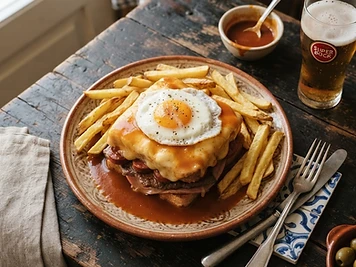
Porto's famous layered sandwich drenched in a secret tomato-and-beer sauce — the city's most decadent lunch.

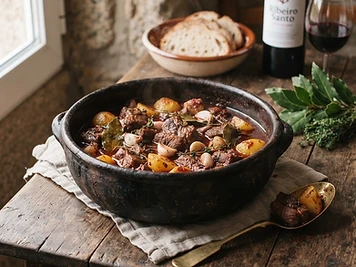
Porto's tripe and white-bean stew — the dish that gave the city its nickname, tripeiros.

Salt cod roasted with olive oil and potatoes — one of the country's most beloved bacalhau preparations, born in the wine country.

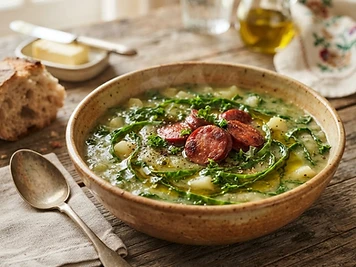
The Minho's signature kale-and-potato soup — light, green, and the country's comfort in a bowl.

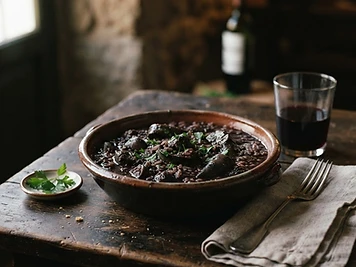
A rice stew of lamprey cooked in its own blood — the Minho's most distinctive river dish, in season only.

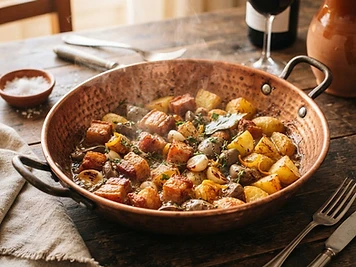
The Minho's fried pork with potatoes — garlicky, orange-scented, and best with Vinho Verde.

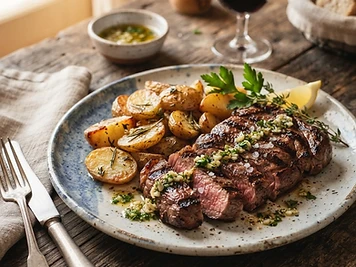
A thick, char-grilled veal steak from the Miranda plateau — the defining plate of Portugal's wild northeast.

Porto's famously indulgent layered sandwich, blanketed in a spiced tomato-beer sauce.

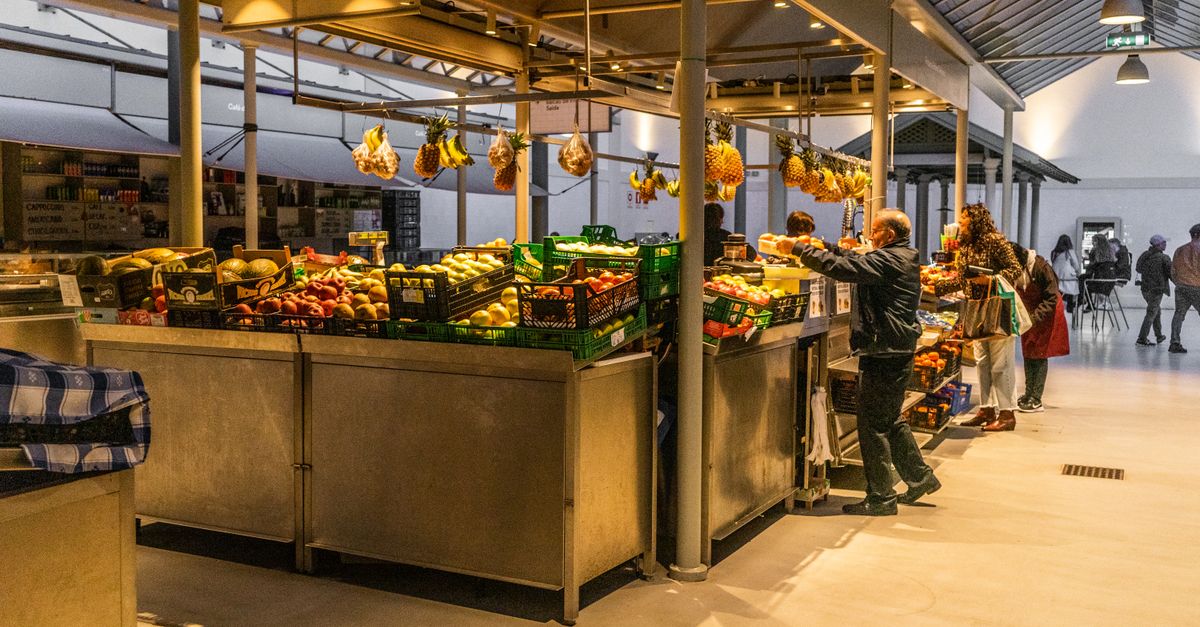
Porto's restored grand municipal market — two floors of produce, fish, and flowers.

The Mercado Municipal de Coimbra is the city's culinary heartbeat, offering a vivid, authentic look at the produce and traditions of Central Portugal. It is an essential stop for those seeking to understand the region's agricultural bounty beyond the tourist trail.

Zé Manel dos Ossos is a legendary, pint-sized tasca in Coimbra famous for its authentic atmosphere and unpretentious, soul-warming home cooking. It is a mandatory pilgrimage for travelers seeking a genuine slice of Portuguese culinary history.

Roast suckling pig from the Bairrada — crisp-skinned, melting, the dish that defines the Mealhada roadside.

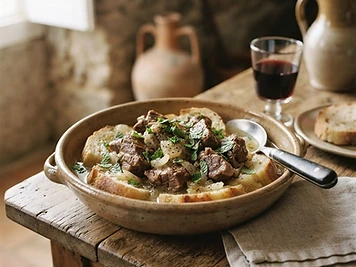
Goat baked in red wine and garlic — a stone-pot, slow-cooked relic of central Portugal.

Portugal's great mountain cheese — a soft, spreadable sheep's milk cheese with protected origin.

A fragile convent pastry of egg-yolk cream in tissue-thin pastry — the great sweet of central Portugal's convents.

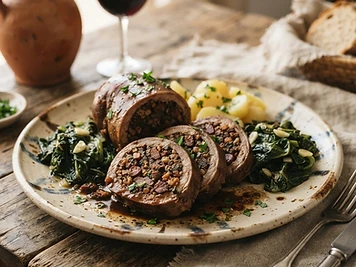
Stuffed pork stomach slow-braised in the Dão — a hearty, old-table dish of central Portugal.

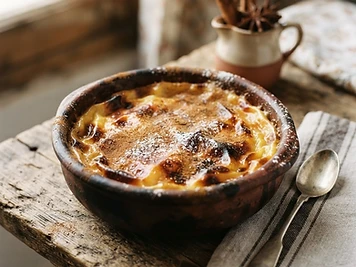
A rustic baked egg-and-cinnamon custard cooked in clay — a humble convent dessert of the Beiras.

Egg yolks spun into golden threads of sugar — the most hypnotic of the convent sweets.

Pastéis de Belém is the legendary birthplace of Portugal's iconic custard tart, having served the original recipe since 1837. It remains the essential pilgrimage for anyone seeking to taste the authentic, warm standard against which all other pastéis de nata are measured.

Taberna da Rua das Flores is a quintessential Lisbon destination that elevates the traditional tasca experience with high-quality, market-driven small plates. It serves as a bridge between Old World tavern charm and a modern, ingredient-focused culinary sensibility.

Chef Kiko Martins' flagship restaurant in Príncipe Real offers a playful, creative take on Peruvian ceviche using fresh Atlantic seafood. It remains a landmark for Lisbon's modern dining scene, defined by its iconic giant hanging octopus centerpiece.

Lisbon's historic Mercado da Ribeira has been transformed into a sprawling, high-end food hall curated by Time Out, showcasing a selection of the city's finest chefs and artisans under one roof. It is the premier destination for travelers looking to sample a cross-section of Portuguese culinary innovation in a vibrant, communal setting.

Manteigaria is widely considered to produce the finest pastel de nata in Lisbon, boasting a shatteringly crisp pastry shell and a perfectly balanced, creamy custard. Its Bica location offers an immersive look at the artisanal production process in the heart of the historic center.

Café A Brasileira is a storied Art Deco landmark in Lisbon's Chiado district, serving as a permanent monument to Portuguese intellectual life and the country’s coffee culture. It is an essential stop for its grand interiors and the bronze statue of Fernando Pessoa that greets visitors outside.

Cervejaria Ramiro is Lisbon's most iconic seafood house, celebrated for its high-quality shellfish and boisterous, no-frills atmosphere. It is an essential pilgrimage for anyone seeking an authentic, albeit crowded, taste of Portugal's oceanic bounty.

Small, sealed cup pastries of cheese, egg and cinnamon — Sintra's signature sweet since the 16th century.

Salt cod and potato fritters — Portugal's great street snack, crisp outside, soft within.

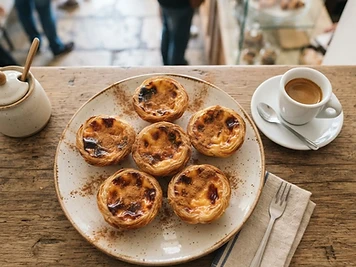
Lisbon's custard tart in puff pastry — the city's most famous bite, and arguably Portugal's best pastry.

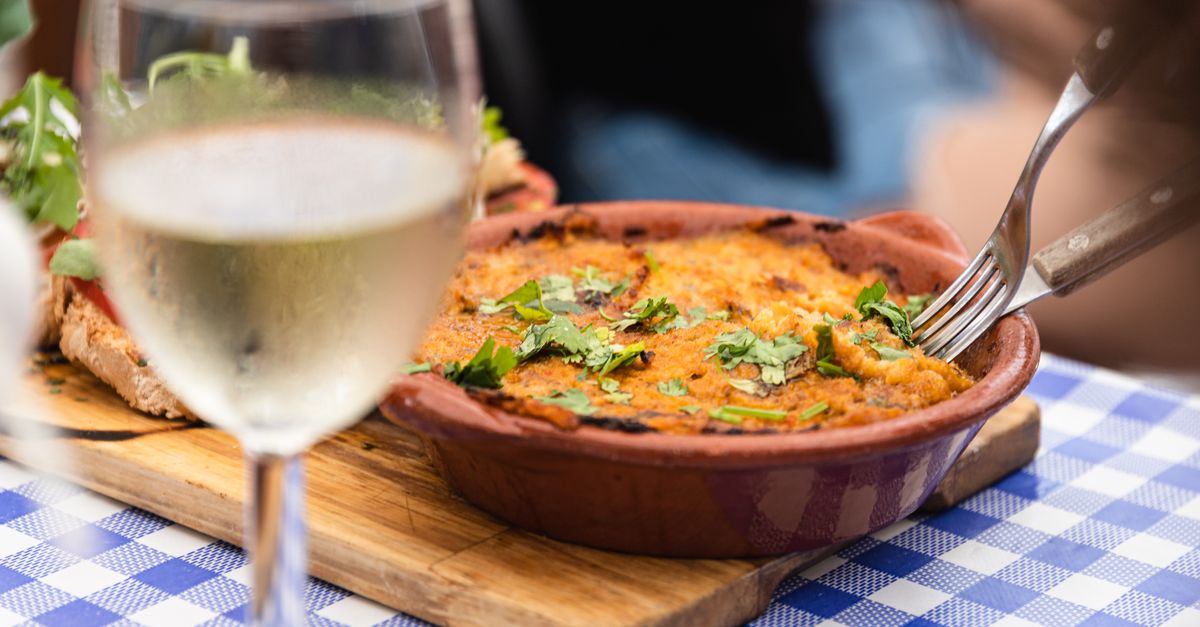
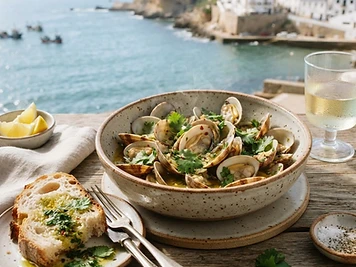
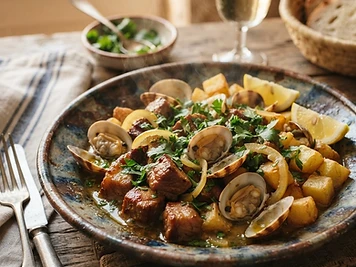
Clams in garlic, coriander and white wine — the simplest, best shellfish of the Lisbon coast.

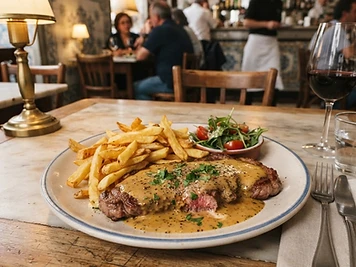
A steak in a mustard-cream sauce — Lisbon's old café-era classic, rarely found elsewhere.

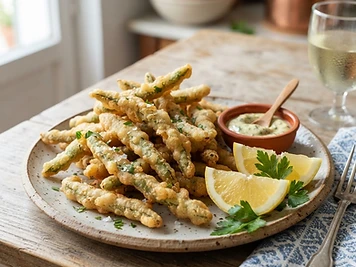
Lightly battered, fried green beans — the crispy vegetable fritter that gave tempura its name.

Small garden snails simmered in garlic and oregano broth — Lisbon's summer beer-garden snack.


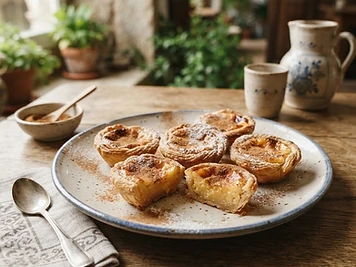
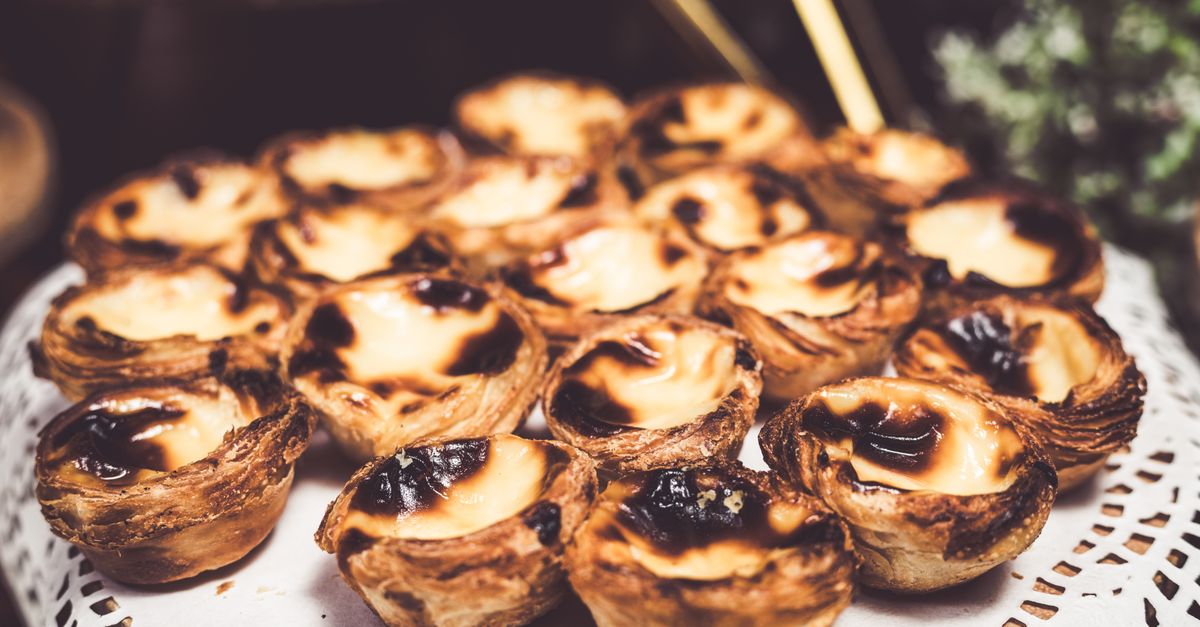
Portugal's signature pastry — a crisp, caramelized custard tart born in Lisbon's convents and perfected at Belém.

The Mercado Municipal de Évora is a vibrant hub of Alentejan commerce, where local farmers and artisans showcase the region's prized agricultural output. It serves as the daily heartbeat of the city, offering a raw and authentic look at local food culture far removed from the surrounding tourist corridors.

Taberna Típica Quarta-Feira is an iconic, no-menu institution in the heart of Évora that offers an intimate, chef-led tour of authentic Alentejan home cooking. It captures the soul of the region through slow-cooked traditions and communal, warm hospitality.

Lousa da Extremadura is an quintessential Alentejan tasca that serves as a community cornerstone for authentic, no-frills regional cooking. It is a vital destination for travelers seeking the rustic soul of Estremoz through traditional home-style recipes.

A bread, garlic and olive oil mash with a poached egg — the Alentejo's defining humble dish.

Bread mash with pork and its fat — the Alentejo's answer to nothing being wasted.

Lamb braised in bread broth — a festive Alentejo stew of the interior hills.

Pork and clams together — the Alentejo's most famous surf-and-turf, despite debate over its origin.

Dogfish in a garlic-coriander bread soup — the Alentejo's coastal-and-interior fish stew.

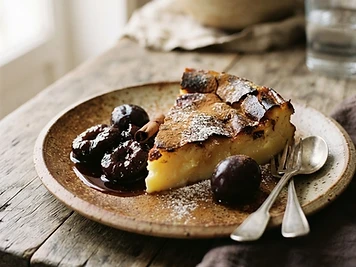
A baked egg-cinnamon custard with stewed plum — the Alentejo's great convent dessert.

A tube of egg-yolk cream wrapped in squash jam — Évora's celebrated convent sweet.

Cubes of pork skin and fat fried crisp — the Alentejo's most addictive petisco.

O Pescador is a classic, no-frills Algarve seafood institution in the heart of historic Silves. It remains a reliable destination for those seeking fresh, honest preparation of the Atlantic catch without the tourist-trap premiums of the coastline.

Pastelaria Tavira is a classic Algarve institution serving as the town's go-to spot for traditional Portuguese sweets and quality espresso. It remains a essential stop for those seeking an authentic, unpretentious slice of local daily life.

The Mercado Municipal de Lagos is the vibrant culinary heart of the city, offering a sprawling ground-floor fish market and a first-floor produce hall showcasing the best of the Western Algarve. It serves as an authentic window into local daily life where traditional fishing culture meets the region's agricultural bounty.

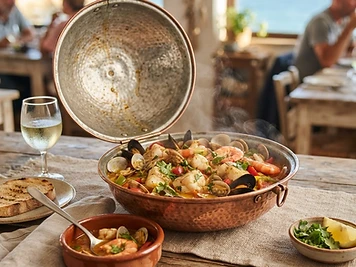
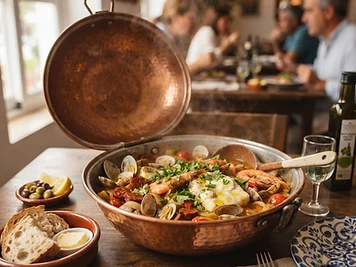
Shellfish and fish steamed in a copper clam-shell — the Algarve's signature one-pot, built for the table.

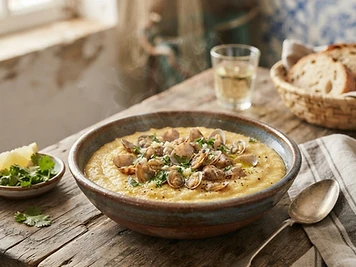
A thick cornmeal porridge with clams — the Algarve's humble, definitive fisherman's plate.

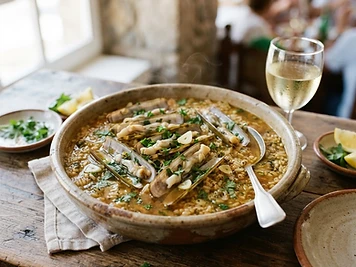
Rice with razor clams — the Algarve's cleanest, most elegant seafood rice.

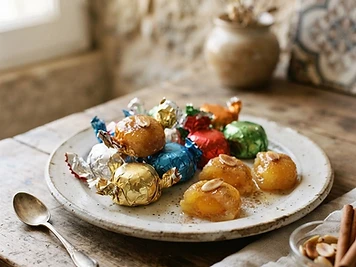
A sweet of egg yolk, almond and cinnamon in foil — Faro's most famous convent dessert.

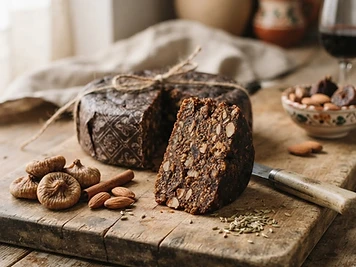
A 'cheese' made of figs, almonds and aguardente — the Algarve's old sweet, shaped like a cheese.

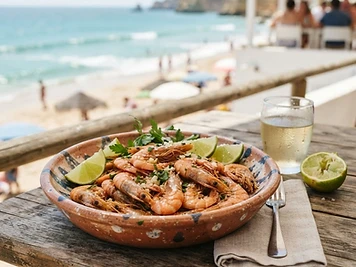
Whole small prawns fried with garlic and lime — the Algarve's simplest, best bar snack.

A seafood stew steamed in a copper clam-shell pot — the Algarve's signature dish.

Mercado dos Lavradores is the vibrant, beating heart of Funchal, housed in a stunning 1940s Art Deco building filled with the island's most exotic produce and fresh Atlantic catch. It serves as the definitive showcase for Madeira's unique subtropical bounty, from rare passion fruit varieties to the island’s famous espada fish.

Belmond Reid's Palace offers arguably the most iconic afternoon tea experience in Madeira, served on a storied terrace overlooking the Atlantic. It is an essential slice of Edwardian-era luxury that defined the island's high-society tourism history.

Beef skewers grilled over wood and basted in garlic butter — Madeira's signature meat, eaten at the table from the skewer.

A flat, round sweet-potato bread cooked on a hot stone — Madeira's everyday bread, and the base of its best sandwich.

Octopus with fried potatoes and garlic — Madeira's take on the country's octopus love.

Black scabbardfish, deep-fried or baked — the strange, deep-sea fish that Madeira made its own.

A dark, spiced honey and nut cake — Madeira's great sweet, originally made with sugar-cane molasses.

Fried cubes of cornmeal and kale — Madeira's garlicky answer to fries.

Mercado da Graça is the pulsating heart of Ponta Delgada’s local food culture, offering a genuine glimpse into the agricultural bounty of São Miguel. It serves as the primary hub for island farmers to showcase rare subtropical fruits and the freshest Atlantic catch.

A meat-and-vegetable stew cooked underground by volcanic steam — the Azores' most theatrical dish.

Grilled limpets with garlic butter — the Azores' simplest, most island-Atlantic snack.

A soft, sweet round bread, split and toasted — the Azores' everyday bread and breakfast.

Sweet bread with a halo — the Azores' round, egg-enriched loaf, the centre of the Holy Ghost festival.

Barnacles picked from the rocks and eaten raw or briefly cooked — the Azores' most hardcore seafood snack.

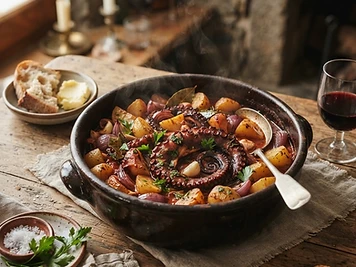
Octopus slow-cooked in red wine and Azorean spices — the islands' deep, cold-weather octopus stew.