Optional
Winery· Porto & North
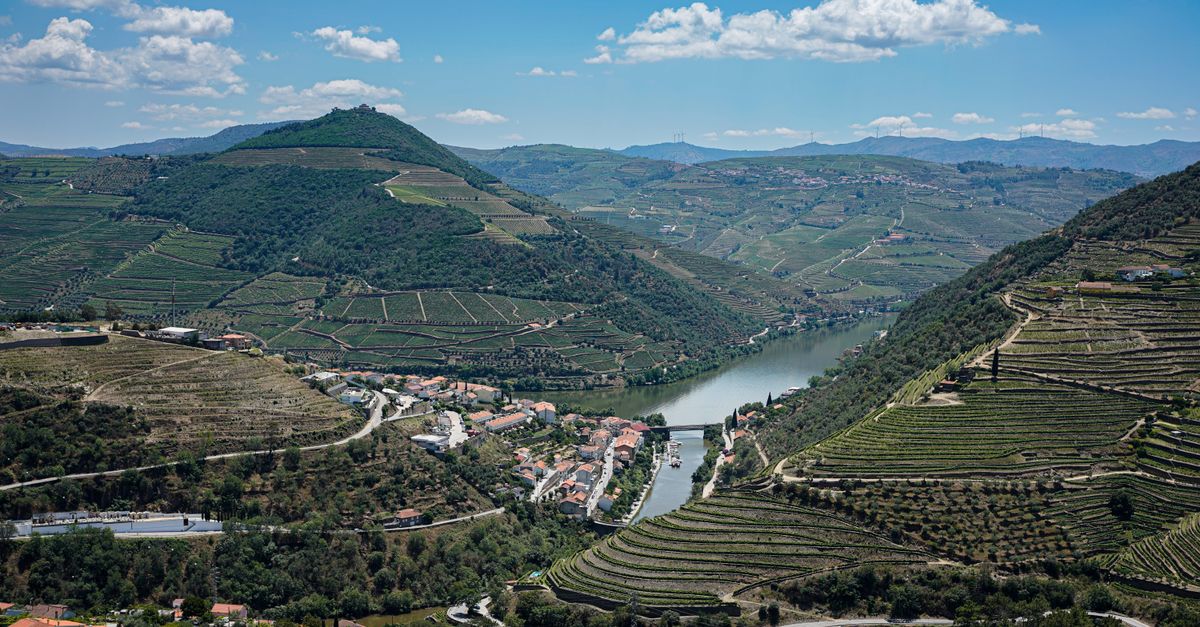
Anselmo Mendes
The winemaker known as 'the father of Alvarinho,' making handcrafted Vinho Verde from his cellar in Monção — including the Contacto and Expressões cuvées that redefined what the region could do.
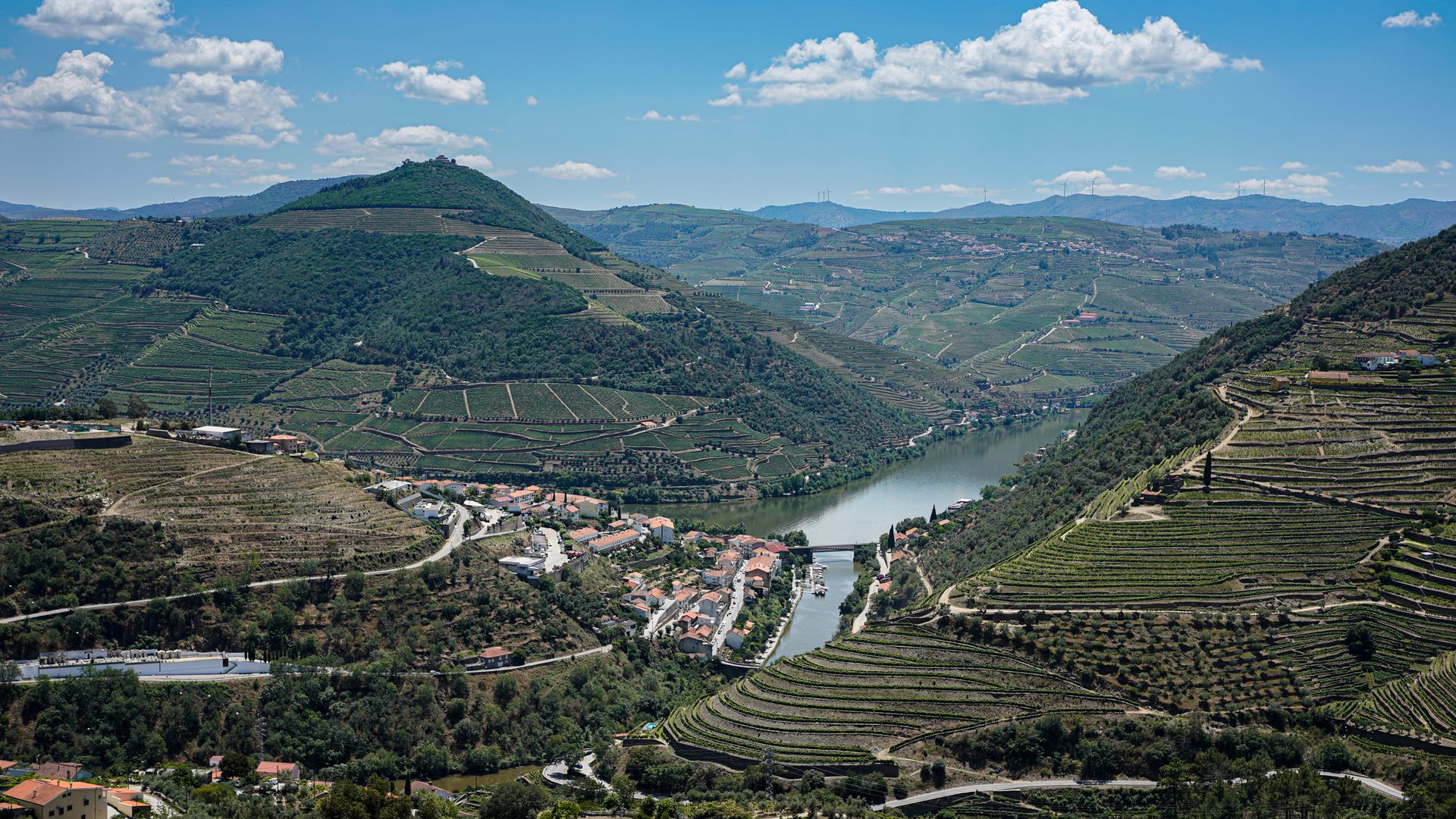
Granite cities, port wine, the Douro Valley and the green Minho coast.
The north is where Portugal's deepest identity sits — granite cities built on Roman foundations, the terraced vineyards of the Douro, and the green, rain-fed Minho coast that gives the country its name. It's the most historically dense part of the country, and the most rewarding to travel slowly.
Porto is the obvious anchor — a hard-working port city stacked above the river — but the region opens outward: up the Douro to the port quintas, north into the Minho for Vinho Verde and baroque estates, and beyond the Marão into the raw, little-visited plateau of Trás-os-Montes.
The north is Portugal's wine heart — the Douro's port and table wines, the Minho's crisp Vinho Verde, and the granite-cellar whites of the Dão. Eat hearty: tripe, salt cod, the francesinha, and rich mountain cooking from Trás-os-Montes.
The winemaker known as 'the father of Alvarinho,' making handcrafted Vinho Verde from his cellar in Monção — including the Contacto and Expressões cuvées that redefined what the region could do.

The baroque palace on the label of Mateus Rosé — a real 18th-century estate outside Vila Real with manicured gardens, a historic winery and the Trás-os-Montes wine connection. The palace is the draw; the rosé's actual production is long licensed out.
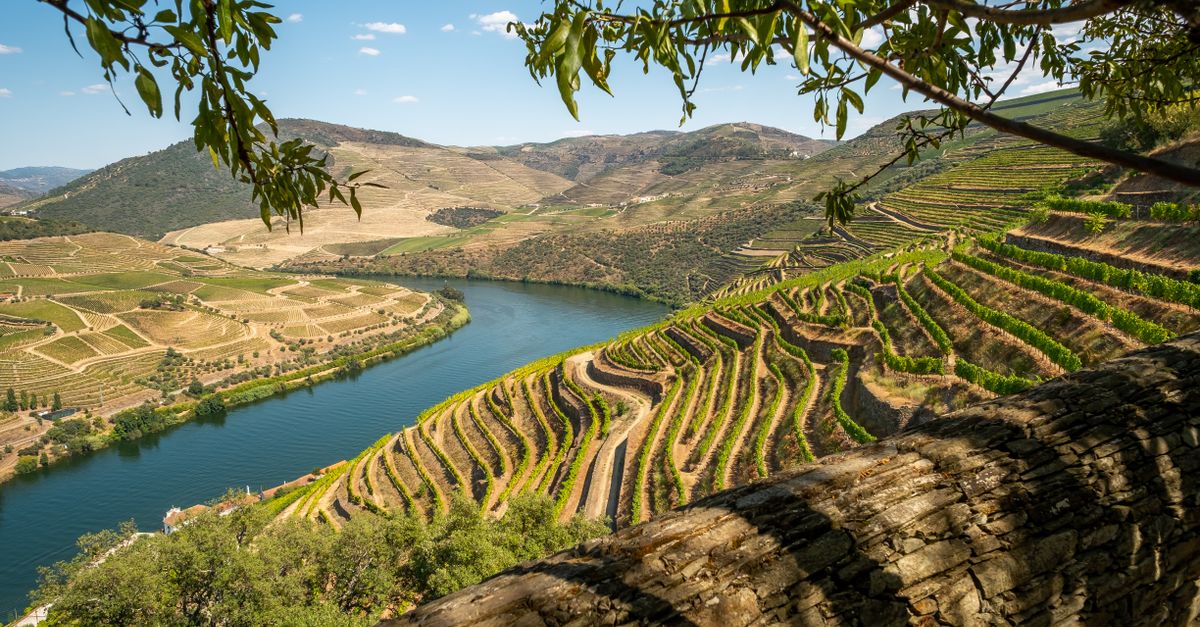
A family-run Douro estate above the river at São João da Pesqueira, making benchmark table wines (VC, Reserva) and a single-vineyard Vinha da Ponte. The terrace views over the Douro are among the best in the region.

One of the oldest and grandest Douro estates (founded 1716, owned by descendants of the legendary Dona Antónia Adelaide Ferreira), with a striking modern winery and hotel near Régua. Old-vine field blends and Touriga Nacional.

A working family estate handed down six generations, perched directly above the Douro near Pinhão, making both port and table wine and running one of the region's best guesthouses and a cooking school.

A 19th-century estate above the Douro with a luxury wine hotel and a chapel-views terrace; known for its Vintage port and the 'CB' table wines. Owned by the Amorim family (cork).

A single-vineyard Douro estate of almost mythical status — all port produced here is from one estate, treaded in lagares by foot, and the Symington family has kept it as a standalone Vintage declaration. Remote and spectacular.

The Symington family's visitor-facing Douro estate — home to Dow's, Warre's and Graham's vineyards — with a well-designed tasting room and walking trails through old-vine plots above Pinhão.

A maverick house (founded 1842 as a port lodge, now run by Dirk Niepoort) that makes some of Portugal's most admired 'new-wave' Douro wines — Redoma, Batuta, Charme — alongside port and a Vinho Verde project. The Gaia lodge is the tasting base.

The largest Vinho Verde producer and one of the most historic — a family estate since 1870, with beautiful gardens (designed by a Swiss landscape architect) and a tasting room an hour from Porto. Casal Garcia, the world's best-selling Vinho Verde, is made here.

The pioneer of quality Alvarinho in the Vinho Verde region — the Quinta de Soalheiro sits in the far northern Minho at Melgaço, where the warm days and cool nights give the grape its signature tension. The first Soalheiro was made in 1982.

The harsh, high plateau beyond the Marão mountains — 'behind the mountains' — where old-vine vineyards, chestnut groves and the grand Mateus estate sit among Portugal's most rugged scenery. Reds are robust, whites minerally, and the region is a bastion of vinho de talha (clay-pot) tradition.

Portugal's most famous fortified wine — grown in the Douro, aged in Gaia, and the reason most travelers first find the valley.
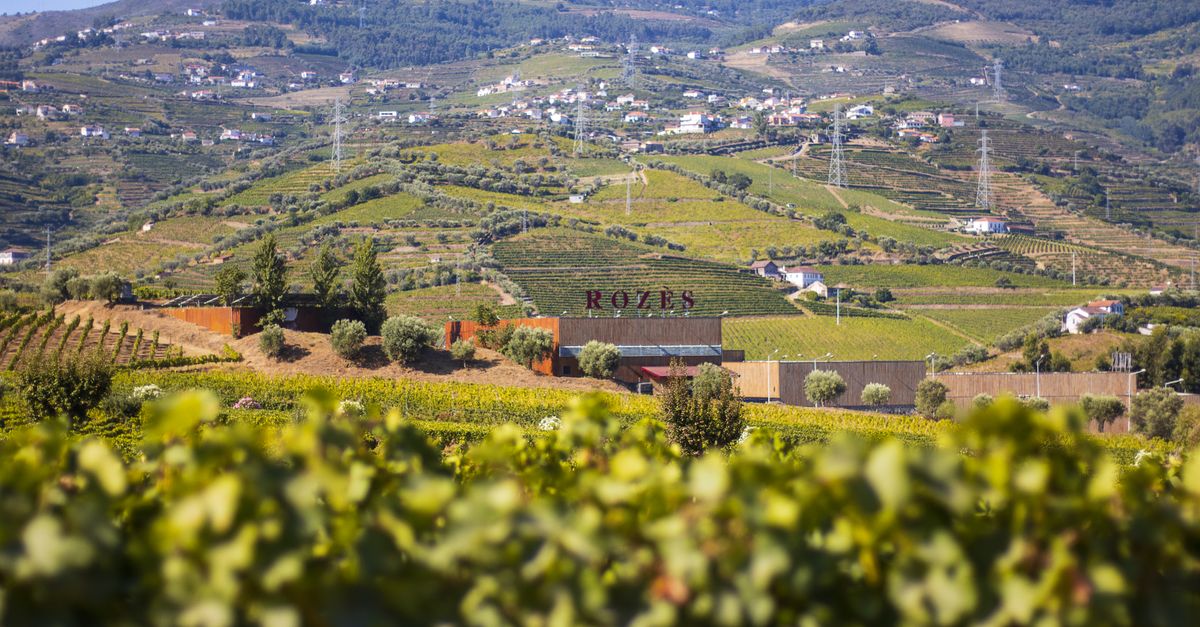
The fresh, slightly sparkling 'green wine' of the Minho — low alcohol, high acidity, perfect with seafood and summer.
Casa Guedes is a legendary Porto institution world-renowned for perfecting the simple, savory sandes de pernil. It represents the quintessential Portuguese tasca experience, balancing unpretentious charm with unparalleled culinary focus.

Bufe Fagundes is an authentic, no-frills Porto tasca that captures the soul of traditional northern Portuguese home cooking. It is a vital neighborhood institution serving hearty, unpretentious meals to locals and savvy travelers alike.
Café Majestic is a breathtaking Belle Époque gem on Porto’s Rua de Santa Catarina, serving as the city’s most iconic cultural salon since 1921. It remains a mandatory stop for its opulent Art Nouveau decor and historical significance as a former gathering spot for Porto’s literary elite.
Cantina das Apos is a quintessential Porto tasca that preserves the soul of traditional Portuguese home cooking. It offers an unpretentious, authentic window into the city's culinary roots through daily changing menus of hearty, soul-warming dishes.
Porto's famous layered sandwich drenched in a secret tomato-and-beer sauce — the city's most decadent lunch.
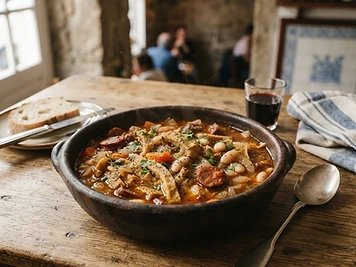
Porto's tripe and white-bean stew — the dish that gave the city its nickname, tripeiros.
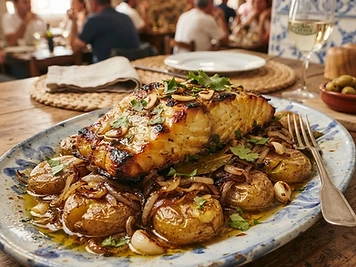
Salt cod roasted with olive oil and potatoes — one of the country's most beloved bacalhau preparations, born in the wine country.
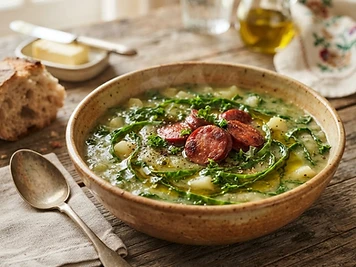
The Minho's signature kale-and-potato soup — light, green, and the country's comfort in a bowl.
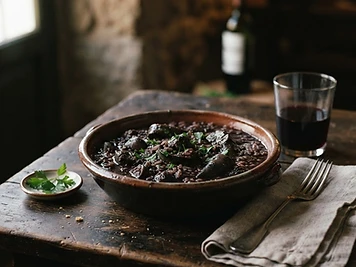
A rice stew of lamprey cooked in its own blood — the Minho's most distinctive river dish, in season only.
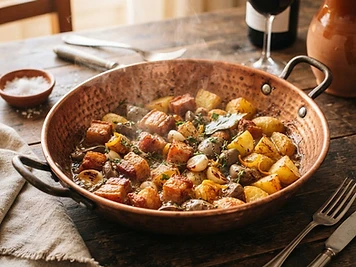
The Minho's fried pork with potatoes — garlicky, orange-scented, and best with Vinho Verde.
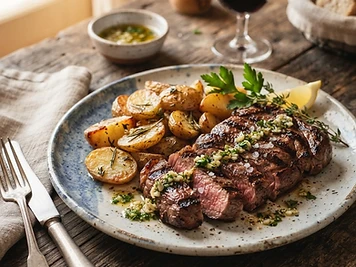
A thick, char-grilled veal steak from the Miranda plateau — the defining plate of Portugal's wild northeast.
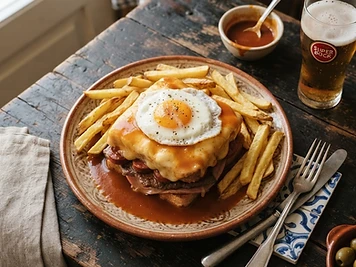
Porto's famously indulgent layered sandwich, blanketed in a spiced tomato-beer sauce.
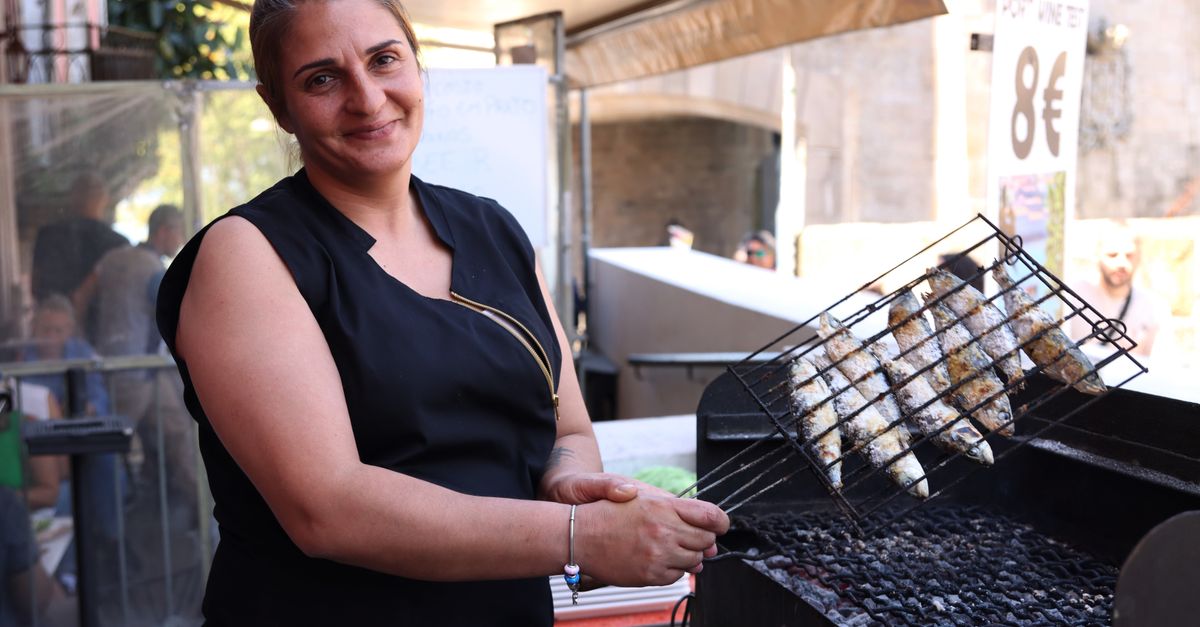
Porto's restored grand municipal market — two floors of produce, fish, and flowers.
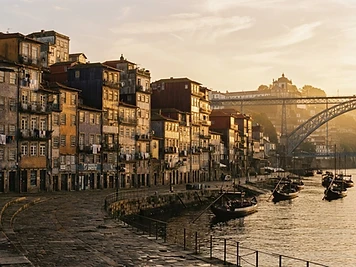
Portugal's second city — granite, port wine, the Douro waterfront and a working, lived-in heart that Lisbon has partly lost to tourism.
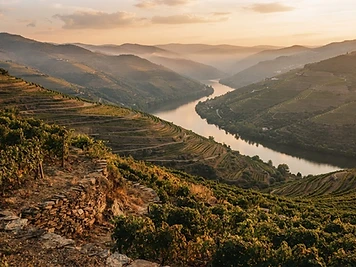
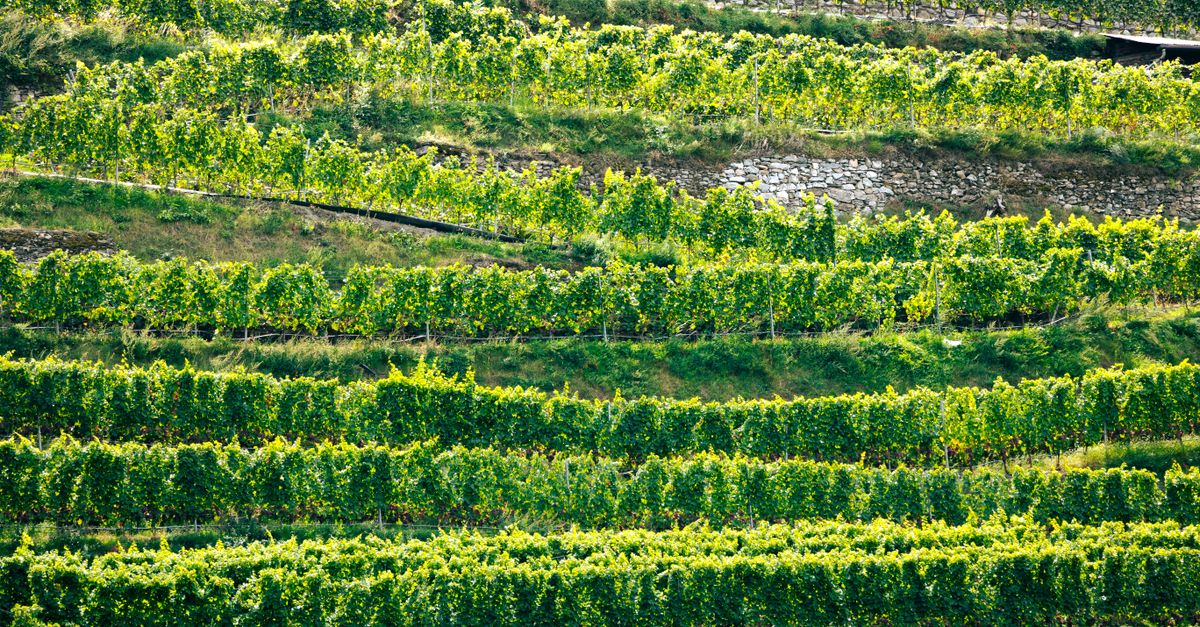
The world's oldest demarcated wine region — terraced vineyards climbing the banks of the Douro, port's birthplace, and one of the most beautiful river valleys in Europe.
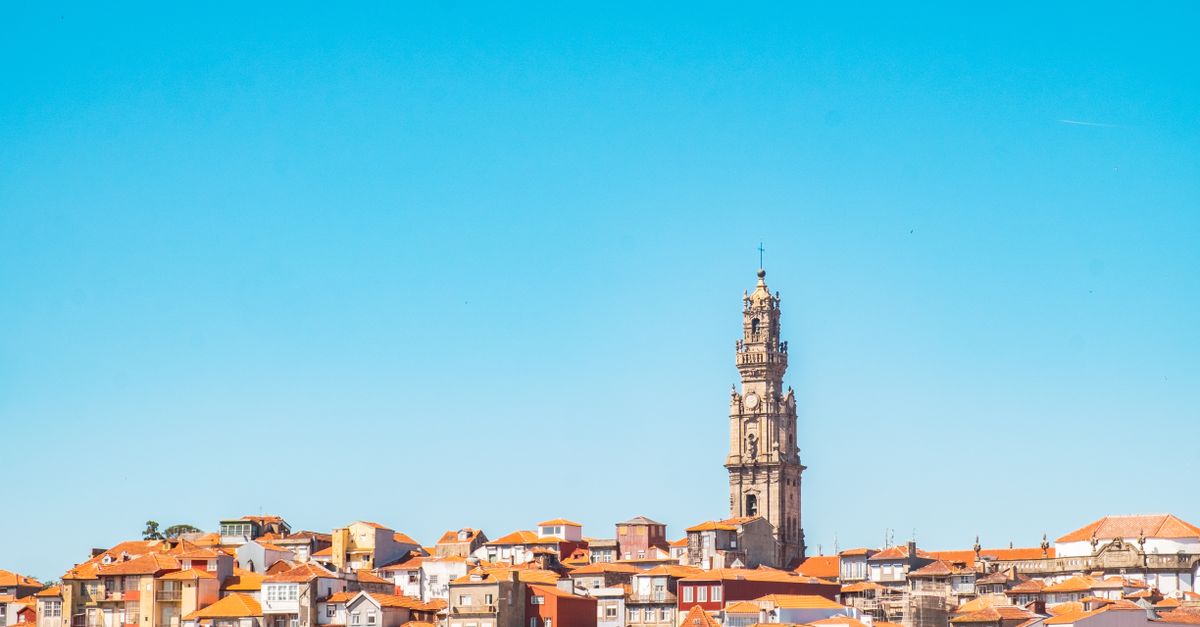
Across the Douro from Porto — where the port wine lodges actually age, and the best river views of the city are found.
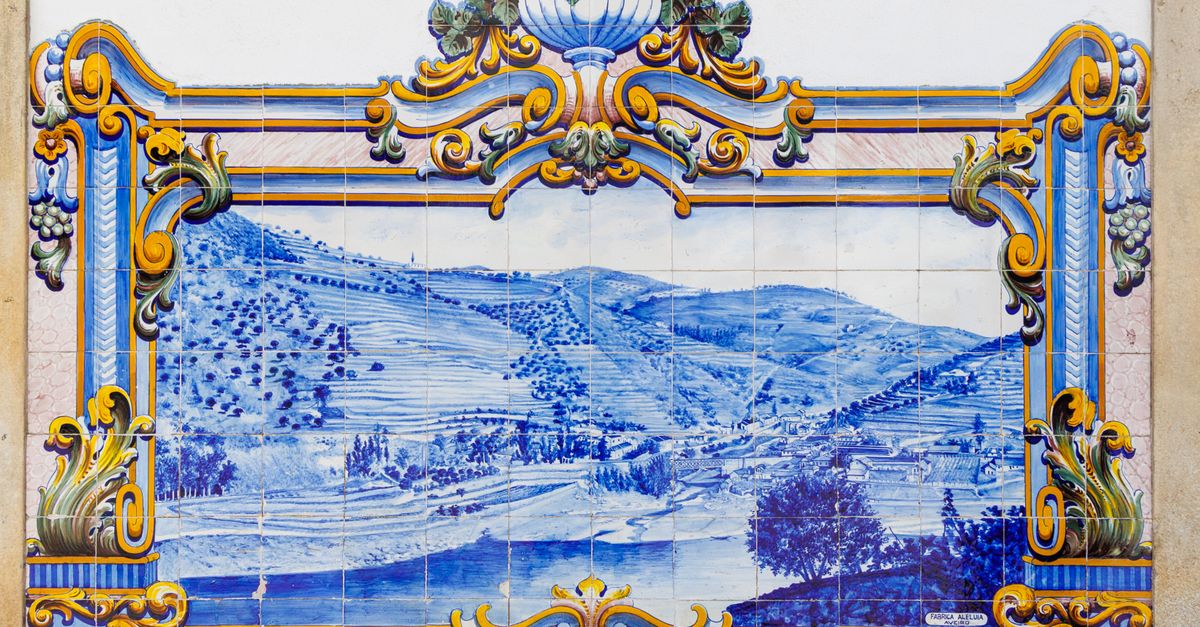
The heart of the Douro — a tiny riverside village with azulejo-clad train station and quintas walking distance apart.
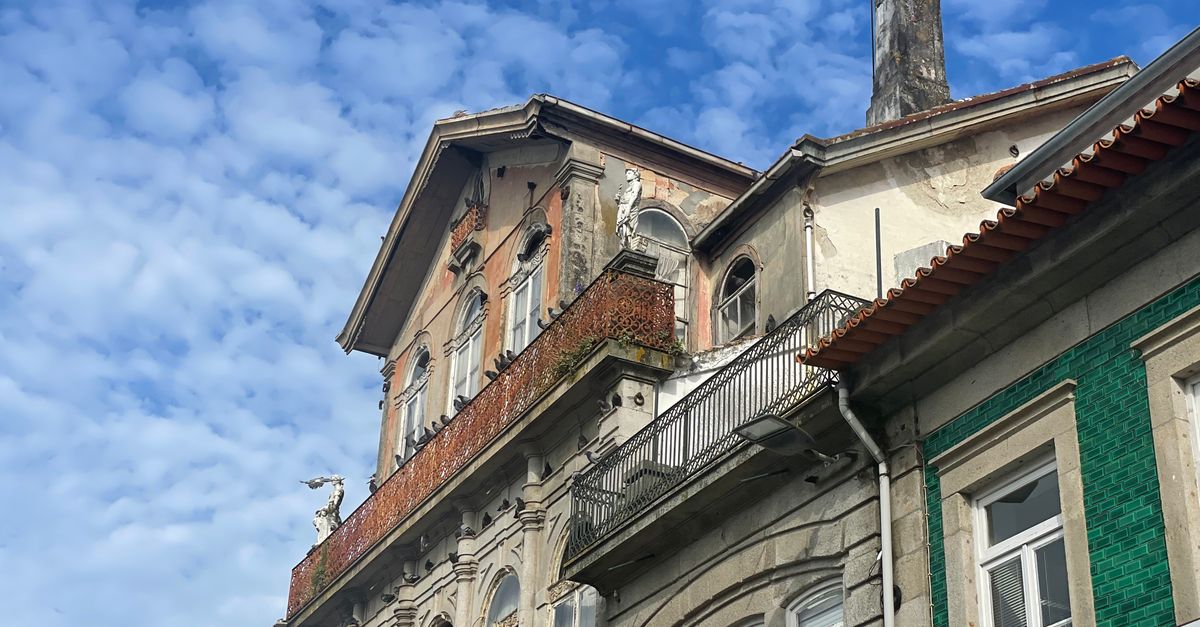
A graceful Minho coastal city — grand Manueline and Renaissance buildings, a wide sandy river mouth, and a hilltop sanctuary over the sea.
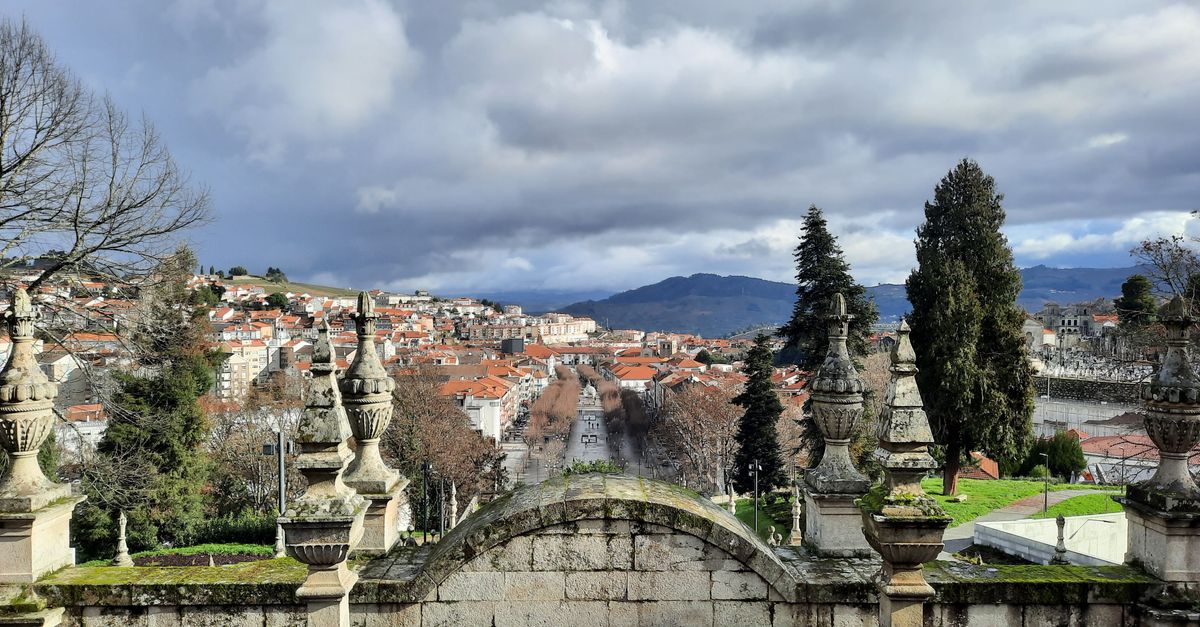
A baroque hilltown between Porto and the Douro, known for the staircase sanctuary of Nossa Senhora dos Remédios.
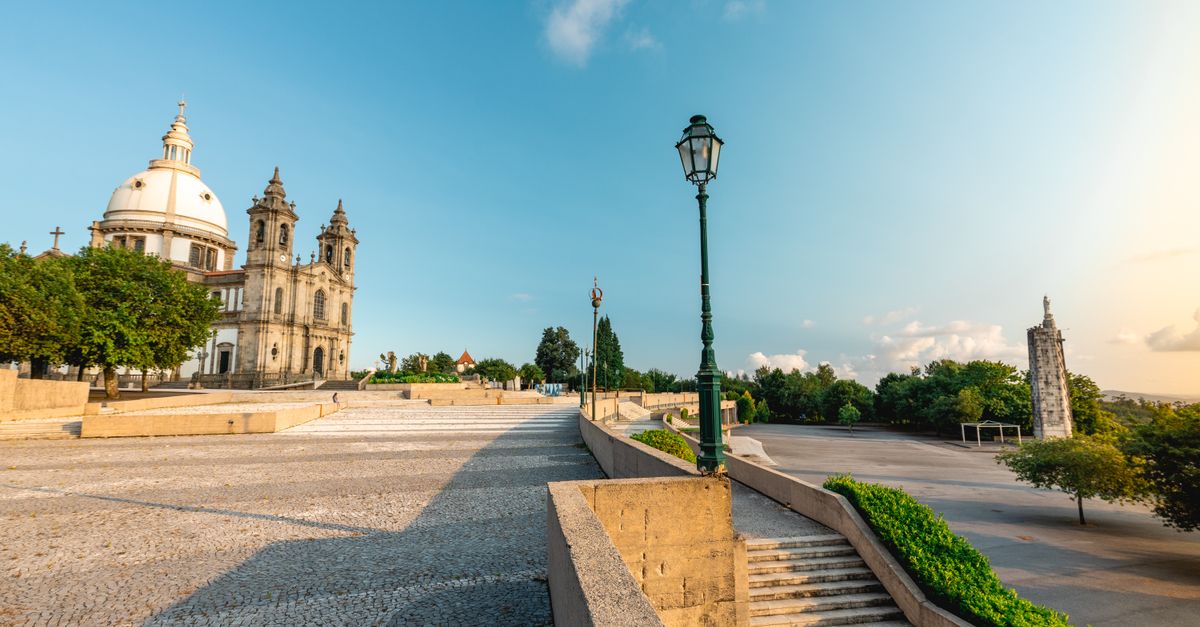
Portugal's religious capital — a baroque city with a famous hillside sanctuary and a young, lively center thanks to its university.
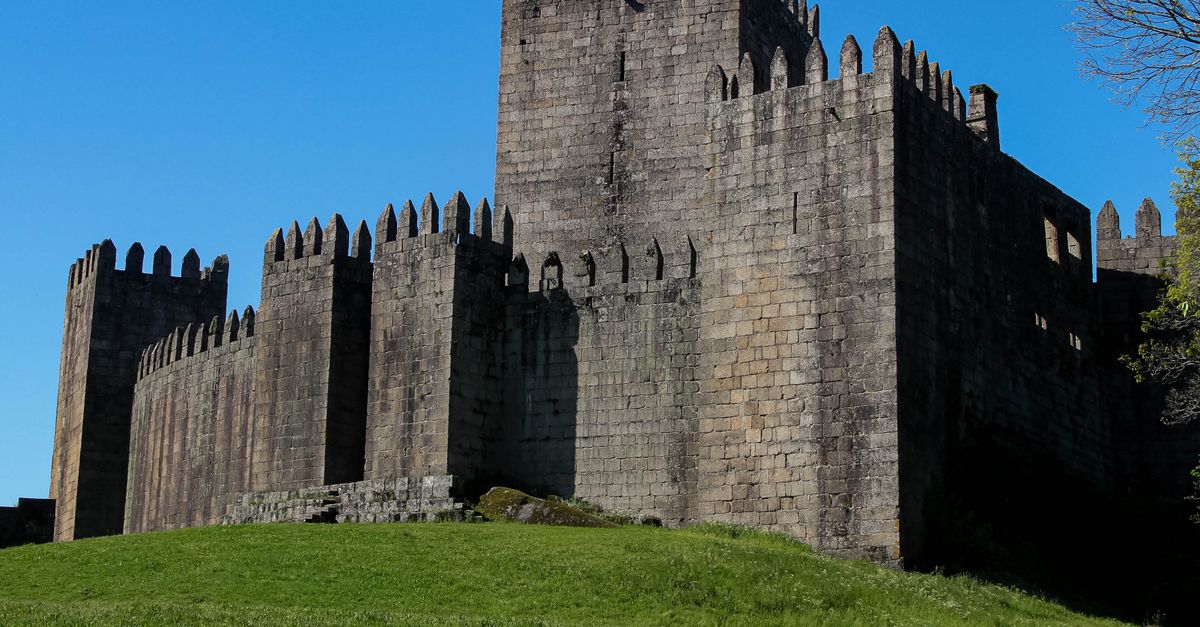
The 'birthplace of Portugal' — a medieval core with a hilltop castle, a ducal palace, and a UNESCO-listed historic center.
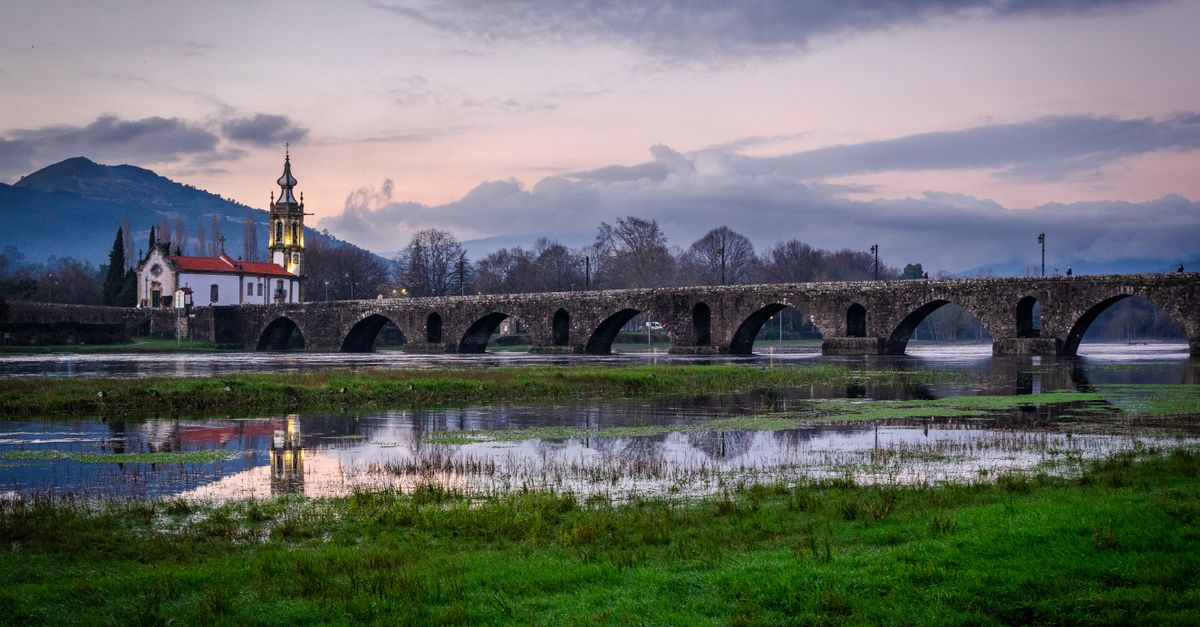
Portugal's oldest town — a medieval bridge over the Lima, vineyards, and a calm, timeless Minho atmosphere.
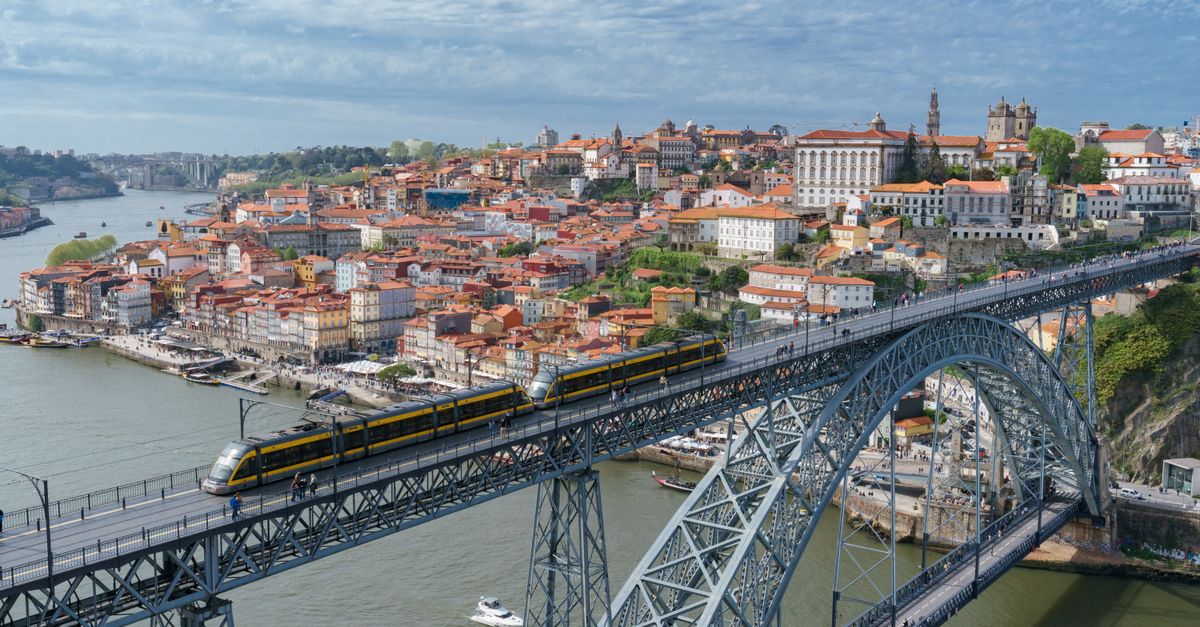
The Linha do Douro is a spectacular 19th-century railway line that clings to the riverbanks, cutting deep into the heart of Portugal’s oldest demarcated wine region. It serves as both a vital transit artery and a bucket-list scenic journey through terraced vineyards and rugged slate canyons.

Semana Santa in Braga is the most authentic and solemn display of religious devotion in Portugal, transforming the city into a living theater of ancient liturgical processions. It is an essential cultural experience for those looking to witness the deep-rooted spiritual identity of the Minho region.
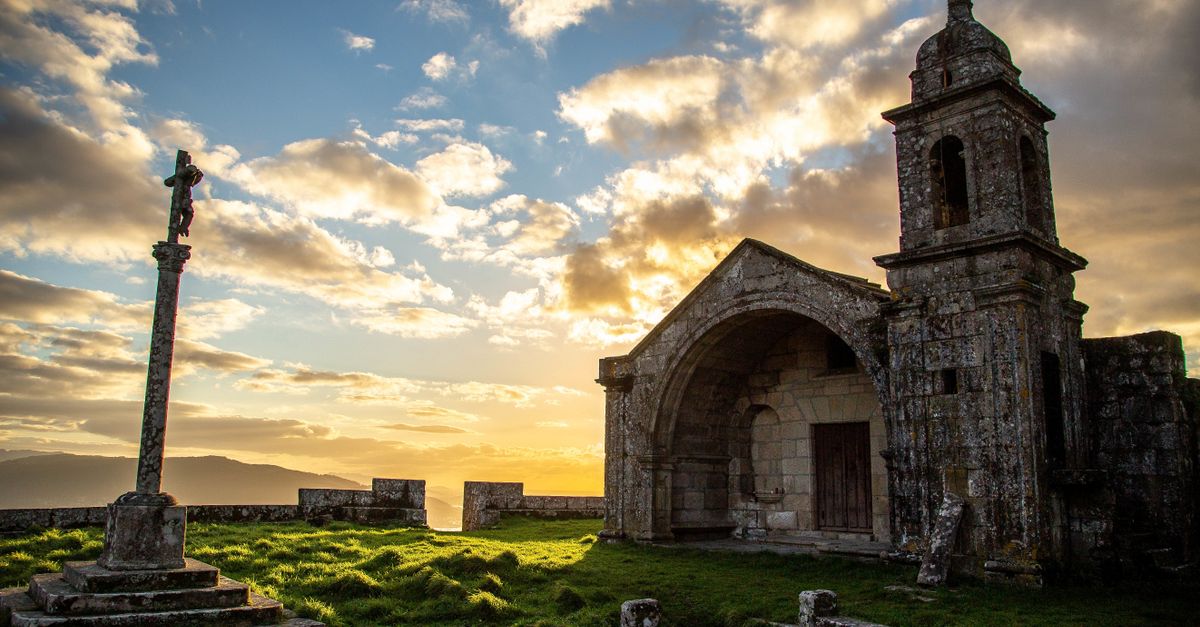
The Romaria de São Torcato is a deeply traditional religious and cultural pilgrimage held in Guimarães, honoring the region's first bishop. It is a quintessential Minho experience characterized by grand religious processions and authentic folk energy.
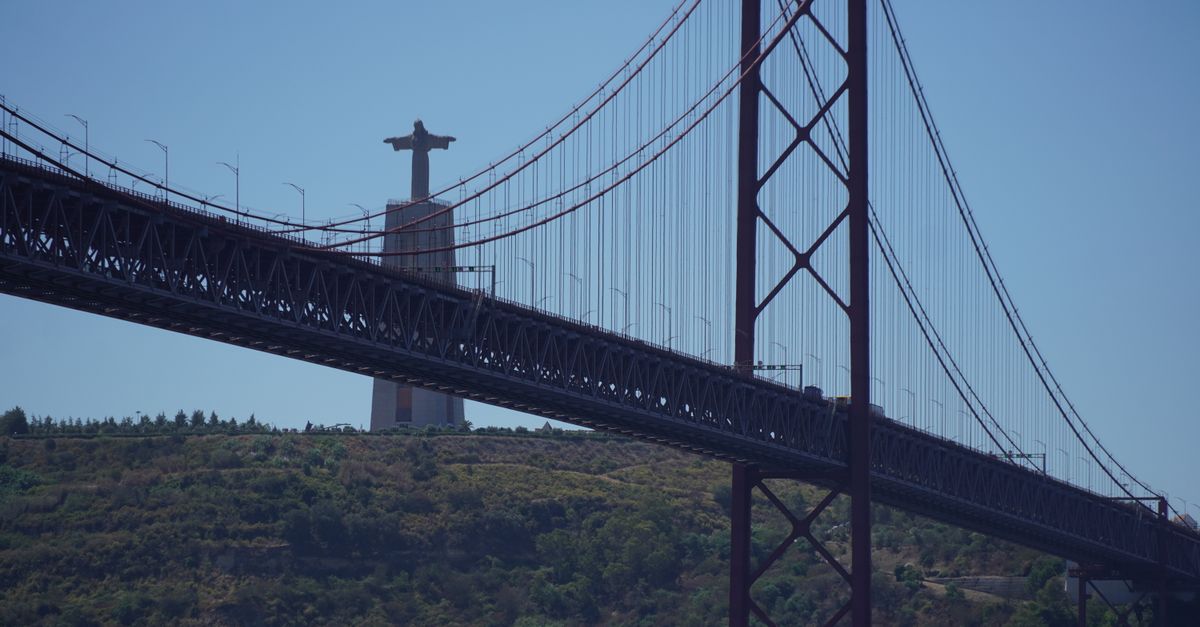
The Caretos de Podence are UNESCO-recognized masqueraded figures who dominate the village of Podence during Carnival, embodying ancestral pagan spirits through raucous, bell-clanging revelry. It is a rare, living link to Iberian pre-Roman traditions that transforms a quiet Transmontano village into a sensory explosion of color and sound.

Festa de São João is Porto's wild, street-wide celebration of Saint John the Baptist that transforms the city into an open-air party of plastic hammers, leeks, and fireworks. It is the defining cultural experience of the city, blending sacred traditions with a chaotic, high-energy festival atmosphere.

The Romaria de Nossa Senhora d'Agonia is one of Portugal's most spectacular religious festivals, celebrated with elaborate traditional costumes, gold-heavy jewelry, and flower-carpeted streets. It is an essential immersion into the deep-rooted folklore and maritime devotion of the Minho region.

The N222 is widely considered one of the world's most beautiful drives, tracing the sinuous path of the Douro River through the heart of Portugal's historic wine region. It offers an unparalleled vantage point of the iconic terraced vineyards that define the UNESCO World Heritage landscape.

Peneda-Gerês is Portugal’s only national park, a vast protected expanse of rugged mountain peaks, granite-hewn villages, and hidden waterfalls in the country’s far north. It represents the pinnacle of Iberian wilderness, blending untamed natural landscapes with ancient agricultural traditions.

Montesinho Natural Park is a vast, untamed expanse in the remote northeastern corner of Portugal that preserves some of the country's most pristine mountain ecosystems. It serves as a sanctuary for rare wildlife and traditional, stone-built villages that have maintained their unique way of life for centuries.

Alvão Natural Park, a protected landscape in northern Portugal, showcases dramatic granite formations and a unique ecosystem shaped by glacial activity. It offers rugged hiking and a glimpse into traditional rural life.

Serra do Barroso is a rugged, mountainous landscape in the Trás-os-Montes region characterized by granite outcrops, traditional mountain agriculture, and ancient communal grazing practices. It remains one of Portugal’s most authentic, low-impact highland regions for those seeking solitude and raw natural beauty.

Miradouro da Pedra Bela offers one of the most dramatic panoramic vistas in the Peneda-Gerês National Park. It sits high above the Cávado River valley, providing a sweeping look at the jagged granite peaks and lush, dense forests of the region.

This scenic hiking trail winds through the stunning landscapes of Portugal's Peneda-Gerês National Park, connecting a series of seven picturesque glacial lakes. It offers a moderate challenge with rewarding views, making it a popular choice for nature lovers and hikers.

Straddling the Lima River, this iconic structure is a masterwork of Roman and Medieval engineering and the namesake of Portugal's oldest town. It remains the most photogenic landmark in the Minho region, serving as both a functional bridge and a tangible piece of national history.

Perched high on a cliff in Vila Nova de Gaia, this 16th-century former monastery offers the most iconic, uninterrupted panoramic views of Porto and the Douro River. Its unique circular church and stark Mannerist architecture serve as a stoic counterpoint to the vibrant historic city center across the water.

The Mosteiro de Leça do Balio is a remarkable example of Gothic fortified architecture in Northern Portugal, serving as the former seat of the Order of the Hospitallers. It remains a spiritual and historical beacon along the Portuguese Way of St. James.

As Portugal’s oldest cathedral, the Sé de Braga is a stunning architectural palimpsest that traces the nation's religious history from the Romanesque to the Baroque. It serves as the spiritual heart of the 'Rome of Portugal,' showcasing an incredibly dense collection of artistic and ecclesiastical treasures.

The Paço dos Duques de Bragança is a stately 15th-century palace in Guimarães that serves as a profound monument to the origins of the Portuguese nation. Its distinct Burgundian-influenced architecture and extensive collection of tapestries make it one of the region's most significant cultural landmarks.

The Igreja de Nossa Senhora da Oliveira is the spiritual anchor of Guimarães’ medieval center, renowned for its distinctive Gothic Padrão do Salado monument sitting directly in front. It serves as a stunning example of regional religious architecture and stands as one of the most recognizable landmarks in the historic city.

Perched high above Viana do Castelo, this neo-Byzantine sanctuary offers perhaps the most spectacular panoramic view in all of northern Portugal. It is a striking landmark that marries grand religious architecture with breathtaking vistas of the Lima River and the Atlantic Ocean.

Perched above Viana do Castelo, this 18th-century sanctuary is a masterpiece of Baroque religious architecture and the spiritual heart of the city. It is most famous for its association with the Romaria de Nossa Senhora d'Agonia, one of Portugal’s most iconic folk festivals.

Perched dramatically above Lamego, this 18th-century rococo sanctuary is famous for its monumental staircase adorned with vibrant blue-and-white azulejos. It remains one of Portugal's most significant pilgrimage sites and a masterpiece of Baroque landscape integration.

São Bento Station is a masterpiece of early 20th-century architecture, celebrated for its breathtaking foyer lined with over 20,000 traditional Portuguese azulejo tiles. It serves as both a functional transport hub and one of Porto’s most significant cultural landmarks.

The Muralhas Fernandinas represent the remnants of the 14th-century defensive walls that once encircled Porto. These fragmented stone fortifications offer a tangible link to the city's medieval past and provide some of the most dramatic vantage points over the Douro River.

Designed by Rem Koolhaas, Casa da Música is a daring feat of contemporary architecture and the premier venue for classical and experimental music in Porto. Its irregular, faceted form has become a definitive icon of the city's modern identity.

Housed in the neoclassical Palácio dos Carrancas, the Museu Nacional Soares dos Reis is Portugal's first national museum. It features a distinguished collection of 19th-century Portuguese art, including the iconic sculptures of António Soares dos Reis.
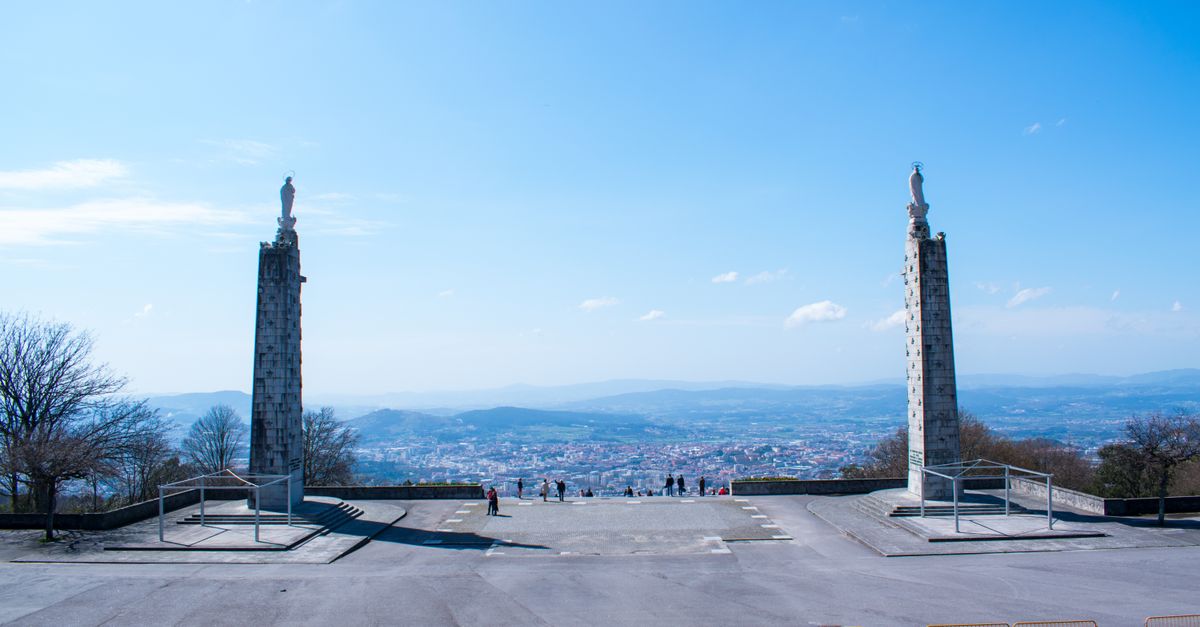
Bom Jesus do Monte is a magnificent UNESCO World Heritage sanctuary located on a wooded hillside overlooking Braga. It is most famous for its dramatic, double-staircase Baroque zigzagged stairway, an iconic masterpiece of Portuguese architecture.

Perched on a hilltop overlooking Braga, the Santuário do Sameiro is one of Portugal's largest and most significant Marian shrines. Its neoclassical architecture and expansive staircase offer a dramatic sense of scale and breathtaking views across the Minho region.

The Capela das Almas, or Chapel of Souls, is an iconic Porto landmark defined by its stunning exterior facade covered in nearly 16,000 traditional blue-and-white azulejo tiles. It serves as a visual masterpiece reflecting the city’s deep-rooted ceramic heritage.

Perched atop a hill near Batalha Square, the Igreja de Santo Ildefonso is a striking 18th-century church defined by its magnificent facade of thousands of hand-painted blue-and-white azulejo tiles. It serves as a quintessential example of Porto's unique architectural identity.

Built by the Porto Commercial Association, the Palácio da Bolsa is a stunning 19th-century neoclassical monument that served as the city's stock exchange. It stands as a testament to Porto's merchant wealth and grandeur, anchored by the breathtaking, Moorish-revival Salão Árabe.

Perched on the highest point of the city, the Porto Cathedral (Sé do Porto) is a fortified Romanesque-Gothic hybrid that anchors the historical heart of Porto. It remains a powerful symbol of the city's religious and architectural evolution over the last nine centuries.

Igreja de São Francisco is a stunning example of Gothic architecture transformed into an opulent Baroque masterpiece, famous for its intricate, gold-leaf-covered wood carvings. It stands as the most prominent Gothic church in Porto and a testament to the city's historical wealth.

Igreja do Carmo is an iconic 18th-century Baroque church in Porto, globally recognized for its breathtaking blue-and-white azulejo facade. It serves as a visual centerpiece of the city's religious heritage.

Porto's city beach — a long flat sand with a consistent beach break and surf schools lining the promenade, saltwater pool and all.
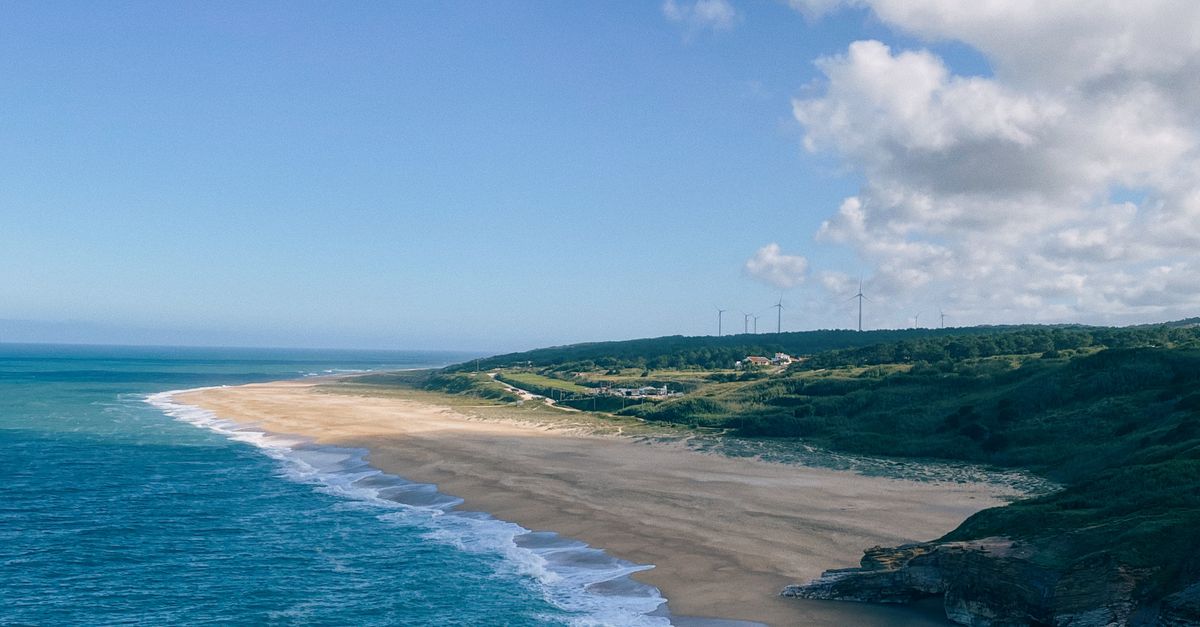
A broad Atlantic sweep at the Minho's mouth, backed by dunes and the old fishing village of Moledo — the north's windblown, family-favorite summer beach.

A sand-spit beach at the mouth of the Lima, reached by a little ferry from Viana do Castelo — flat, wide, and kite-surf friendly.

A long, open sandy stretch south of Porto with a fishing-village heart — busy with locals in summer, surfable year-round.

Wooden walkways bolted to the gorge of the Paiva river — one of Portugal's most popular outdoor attractions.

The 76-meter baroque bell tower that defines Porto's skyline, by Nicolau Nasoni.

Porto's famously beautiful neo-gothic bookshop, with a forked crimson staircase.

The 10th-century hilltop castle where Portugal's nationhood is said to begin.

Portugal's only national park — granite peaks, ancient villages, wolves (rarely seen), waterfalls and wild swimming pools.

The Portuguese Way of St. James — the pilgrim route from Porto (or Lisbon) north into Spain and Santiago de Compostela.


