Silves
The former Moorish capital of the Algarve — a red-stone castle, a cathedral, and a quiet hill town above the Arade.
A rewarding half-day from Lagos or Carvoeiro for anyone who wants history with their beaches.

Why go
The best-preserved castle in the Algarve, a Gothic cathedral, and a real town feel away from the coast. The Moorish history the resorts never mention.
Why you might skip it
Small; a half-day is plenty.
What to do
The castle and cathedral, the old town lanes, the archaeological museum.
What to eat
Algarve country cooking; local orange everything.
Where to stay
A day trip, not a bed. (Half a day)
Accommodations primarily consist of small guesthouses and historic villas located within the medieval walls. These provide proximity to the castle but often suffer from traffic noise during the morning hours. Properties situated along the lower river banks offer easier parking access and quieter environments, though these require a strenuous climb to reach the historical sites. Prices reflect the town’s secondary status compared to the coastal resorts, remaining lower on average for equivalent quality lodging.
Getting there & around
Car or train.
The town center sits atop a steep hill, necessitating significant walking on uneven cobblestones to reach the castle. Parking exists at the base of the hill near the river, though spaces remain limited during peak summer hours. A train station connects the town to the coast, yet the station remains two kilometers from the historic center, requiring a bus transfer or a long walk. Internal circulation relies entirely on foot travel due to the narrow, medieval street layout.
Common planning mistakes
The primary error involves underestimating the physical exertion required to traverse the steep ascent from the Arade River to the summit. Many underestimate the distance between the train station and the central historic area, which often leads to timing issues for onward travel. Others spend too long attempting to navigate a vehicle through the narrow, high-walled corridors of the old town, where parking proves impossible and turns are extremely tight.
Less ideal for
This location suits those with limited mobility poorly due to the persistent inclines and uneven terrain. It is also not designed for those prioritizing large-scale resorts, nightlife, or direct beach access, as the geography keeps the town isolated from the coastal atmosphere and modern amenities found in nearby major tourism hubs.
Practical notes
Cash remains useful in smaller cafes, as some establishments do not process digital payments. Many shops and local attractions observe a siesta period, closing between one and three in the afternoon. The train station sits outside the main town, serviced by a local bus line that adheres to a sporadic schedule. Saturday mornings host a bustling municipal market near the riverfront, which complicates local parking but provides access to the region's freshest produce.
What's here

O Pescador (Silves)
O Pescador is a no-frills seafood restaurant in central Silves. It is a reliable destination for fresh Atlantic fish served without the price premiums found along the coast.

Castelo de Silves
Castelo de Silves is a fortification constructed from red sandstone overlooking the Arade River valley. It maintains segments of walls and cisterns dating to the Islamic period.

Sé de Silves
Silves Cathedral is a Gothic structure built from local red sandstone. It marks the historical center of Silves, the former capital of the Algarve.
Where it sits


More places in Algarve
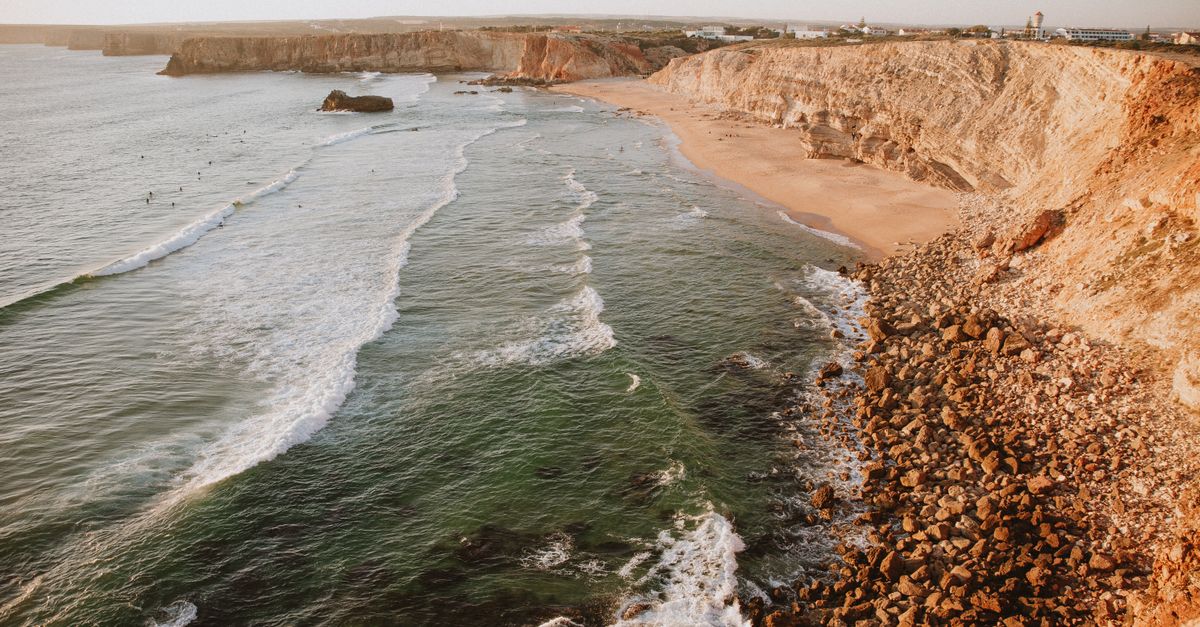
Sagres
The end-of-the-world cape — fortress, big swells, surf culture, and the most windswept, dramatic corner of the Algarve.

Albufeira
The Algarve's party-and-resort capital — a pretty old town drowned in high-rise tourism and nightlife.
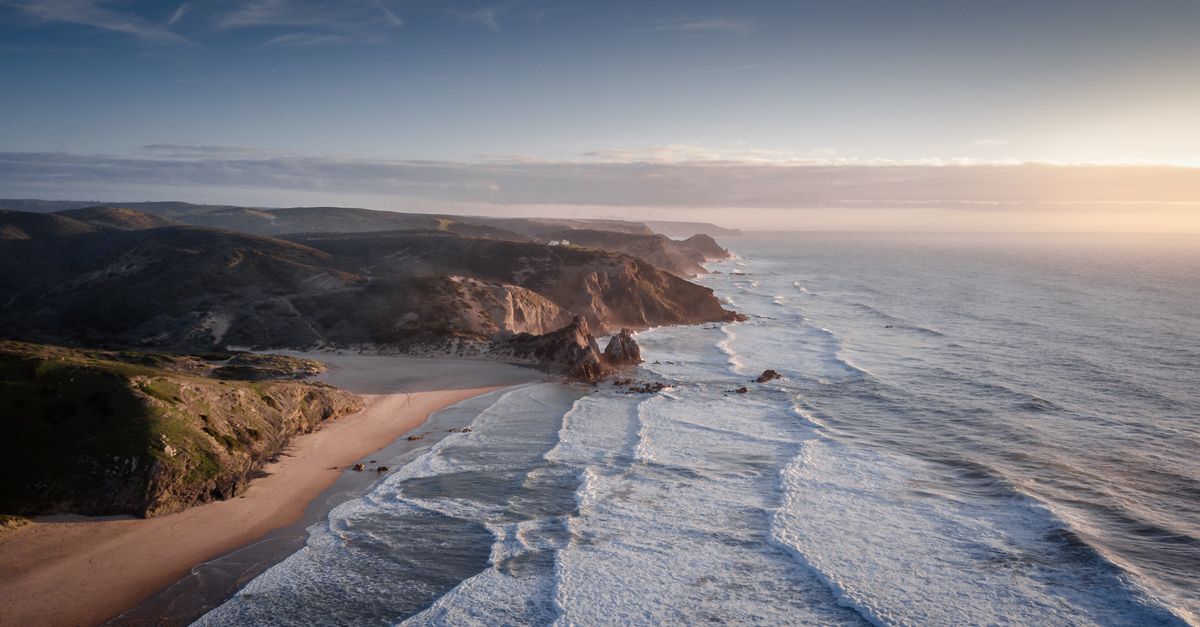
Aljezur
A whitewashed hill village and the gateway to the Costa Vicentina's wild beaches — surf, cliffs, and the west Algarve's quiet soul.
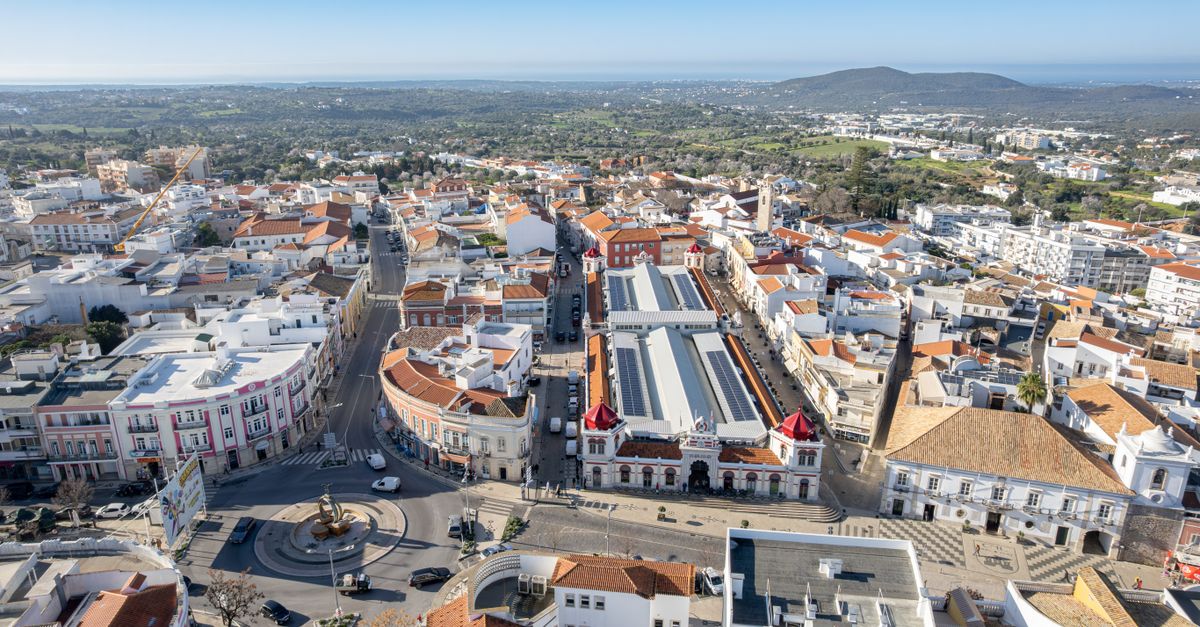
Faro
The Algarve's capital and airport city — an underrated old town, a walled garden, and the Ria Formosa lagoon.
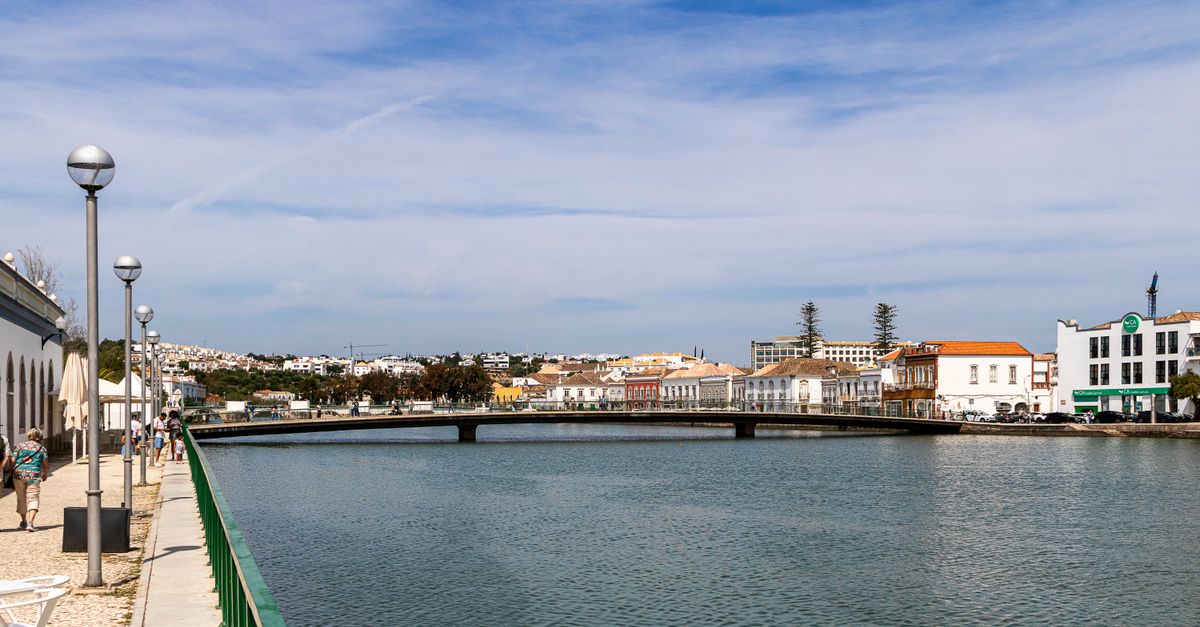
Tavira
The Algarve's most graceful town — a river, 37 churches, a Roman bridge, and the gateway to the quiet eastern islands.
We may earn a commission from bookings made through these links. It never changes what we recommend, or what we leave out.