Praia da Armona
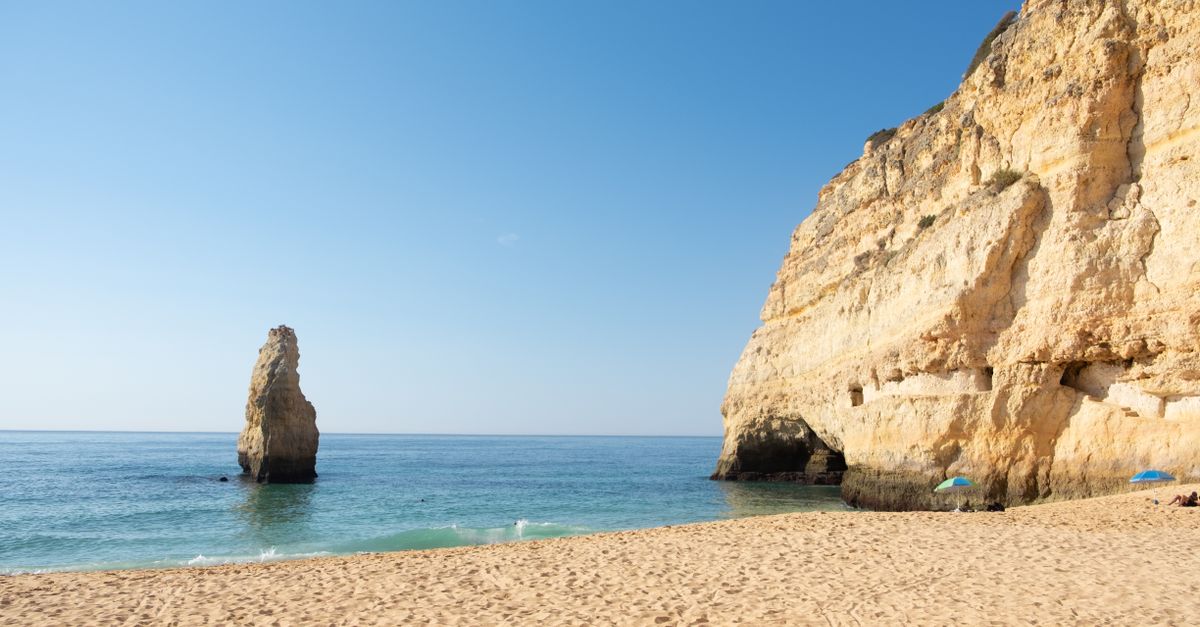
An empty barrier-island beach reached by ferry from Fuseta — miles of sand, no cars, and the Ria Formosa at your back.
Essential for solitude seekers, this car-free barrier island offers the Algarve's most pristine, uncrowded sands for those willing to brave the ferry ride.
Why go
The true island experience: no road reaches it, so the sand stays empty for most of the year.
Why you might skip it
Strong Atlantic winds often whip sand across the exposed dunes during the afternoon, turning a calm walk into a gritty experience. The lack of infrastructure beyond the small village cluster means limited shade and no facilities once the central strip is left behind. Those who require immediate access to parking, transport, or amenities find the isolation of the island frustrating, as the dependence on ferry schedules dictates departure times and creates long queues at the dock during peak evening hours.
What to do
The activity centers on walking along the extensive sand dunes that stretch across the southern side of the island. The Ria Formosa lagoon borders the northern shore, providing calm, shallow water for wading. Wooden boardwalks connect the ferry terminal to the Atlantic coastline, passing through low-lying sand structures and local housing. Swimming occurs primarily along the southern Atlantic face, where the water depth drops more quickly than in the protected lagoon area.
Getting there & around
Reach the island via the public ferry departing regularly from the port in Olhão or the smaller seasonal boat from Fuseta. Cars remain on the mainland, as the island is entirely pedestrianized and accessible only by these water crossings.
Common planning mistakes
The ferry schedule often catches departures off guard when sunset approaches, leaving stranded passengers waiting for the final boat. Insufficient water and sun protection lead to dehydration due to the exposed nature of the dunes. Attempting to walk the entire length of the island at high tide results in blocked paths near the western lagoon sections. Relying on island amenities beyond the village limits results in a lack of resources for those staying on the outer sands.
Practical notes
Cash is required for the ferry and local purchases as card terminals are rare. Public toilets exist near the main docking area, but facilities on the open beach are nonexistent. Sun protection is critical because shade is unavailable once outside the village perimeter. Tide charts determine the width of the beach, as high tide reduces the walkable area significantly along the Atlantic shoreline.
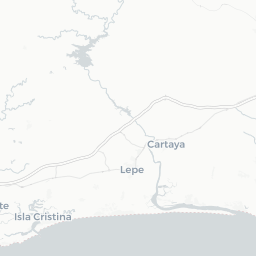
Where it sits




More beaches in Algarve
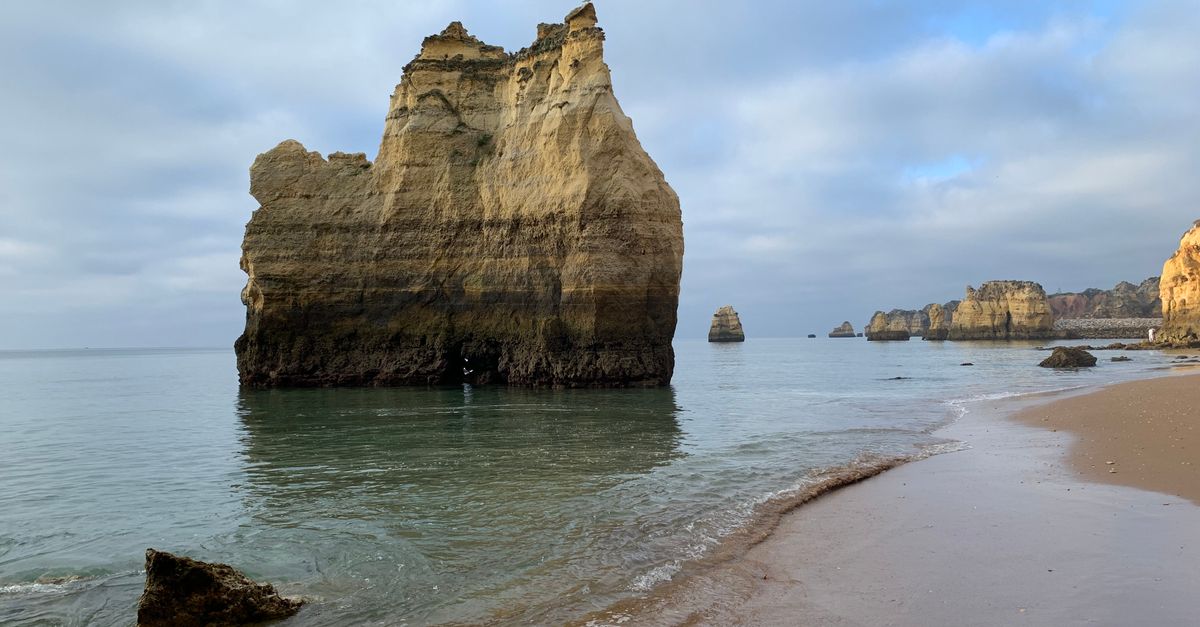
Praia da Falésia
Six kilometers of golden cliff-backed sand between Albufeira and Vilamoura.
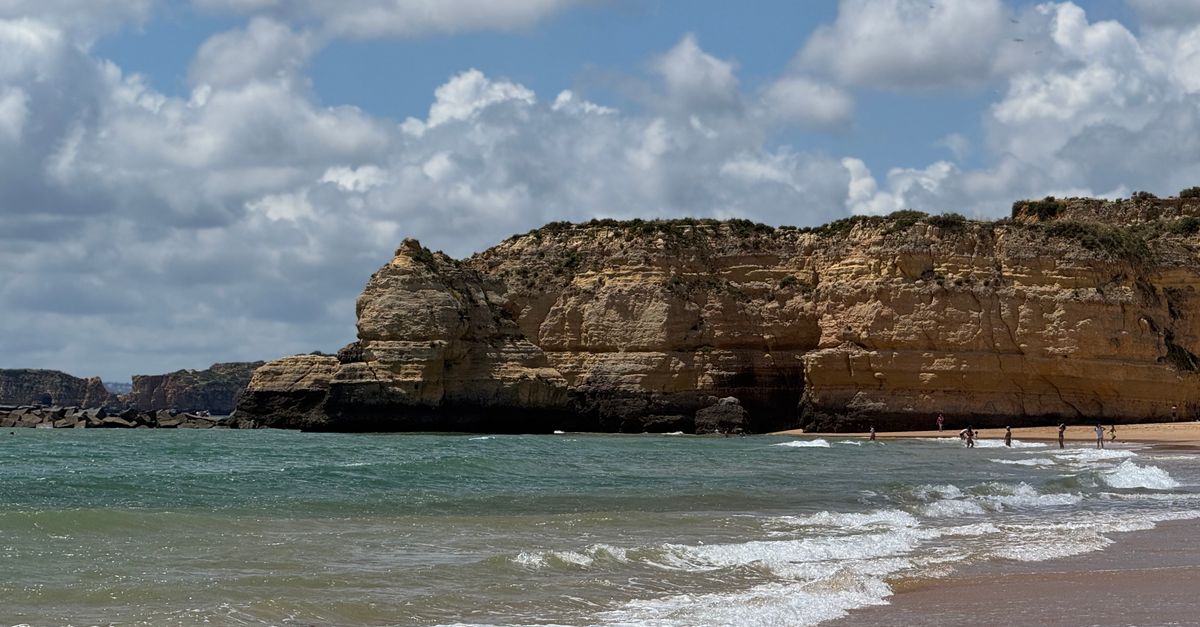
Praia da Marinha
Limestone cliffs enclose a stretch of sand between Carvoeiro and Benagil, featuring prominent sea arches and water access.
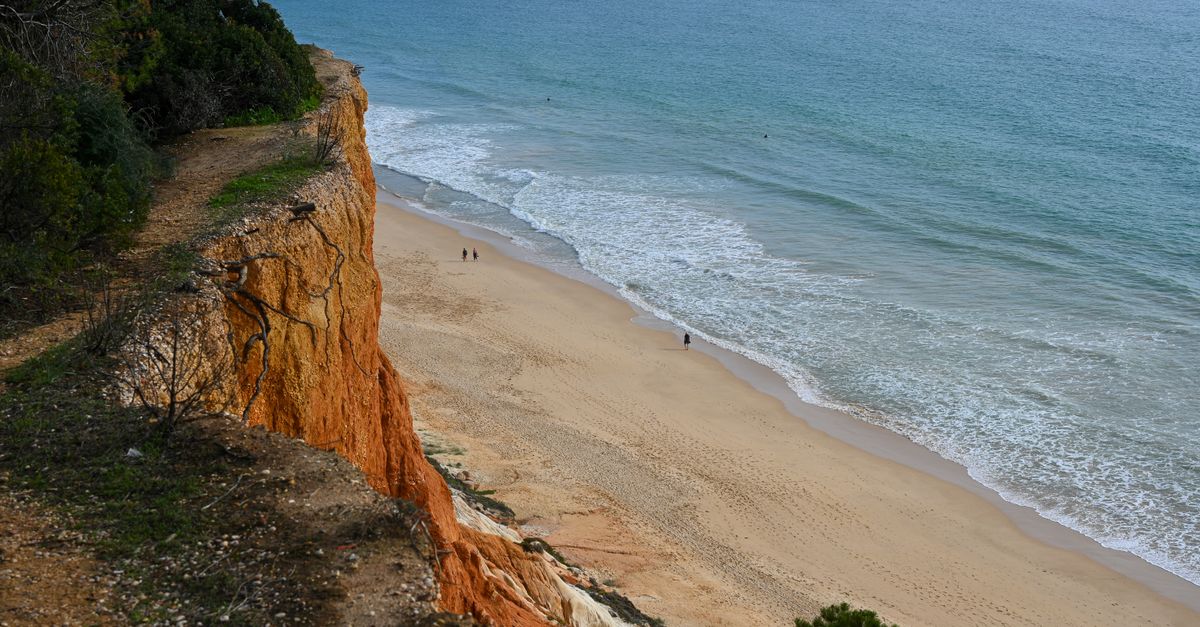
Praia da Rocha
The Algarve's primary beach: a long stretch of sand backed by limestone cliffs and a developed promenade in Portimão.
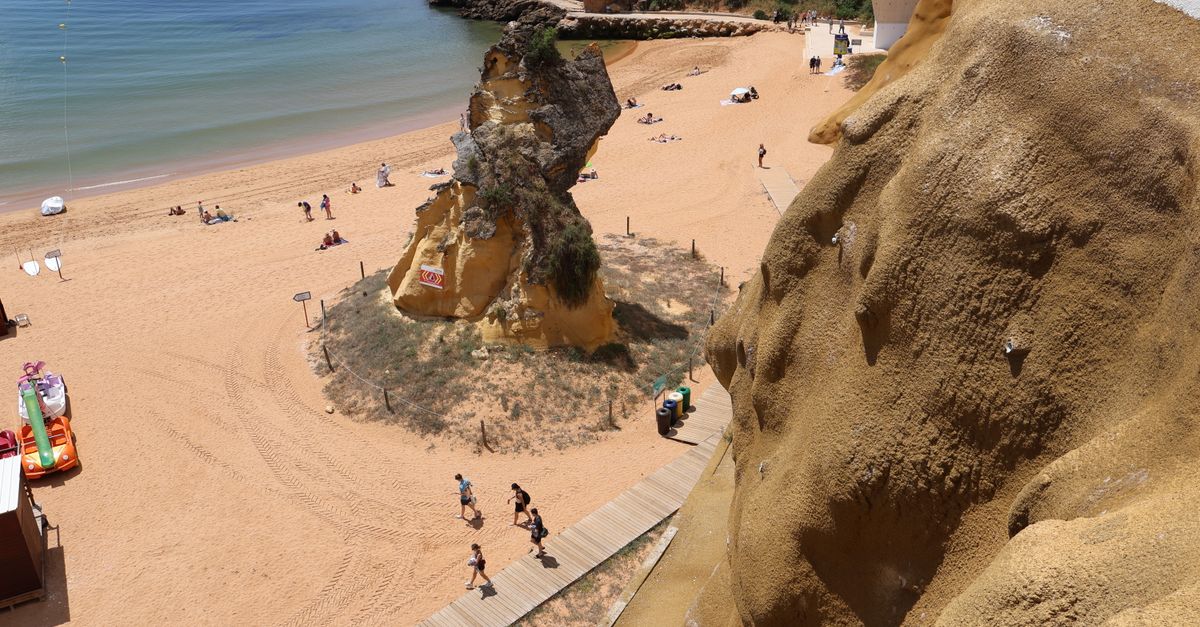
Praia de Albandeira
A small, sheltered cove near Lagoa with a natural arch, calm turquoise water, and a tiny fisherman's ramp.
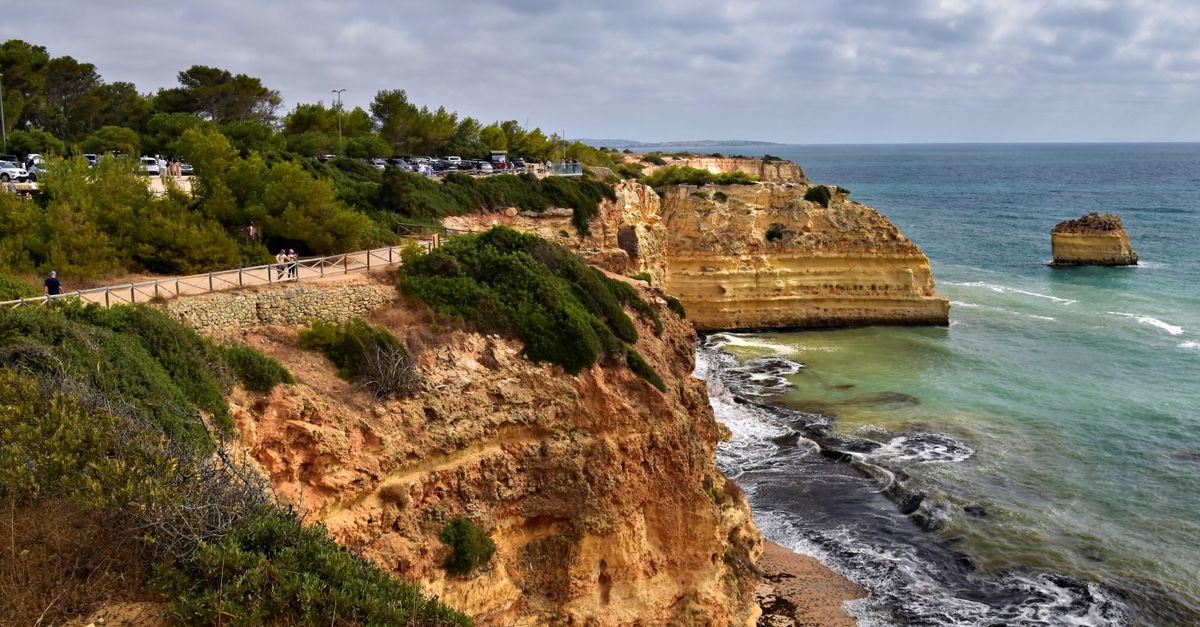
Praia de Benagil
A fishing cove and the launch point for the Algar de Benagil sea cave; the site consists of a narrow sand strip, kayak rentals, and boat traffic.
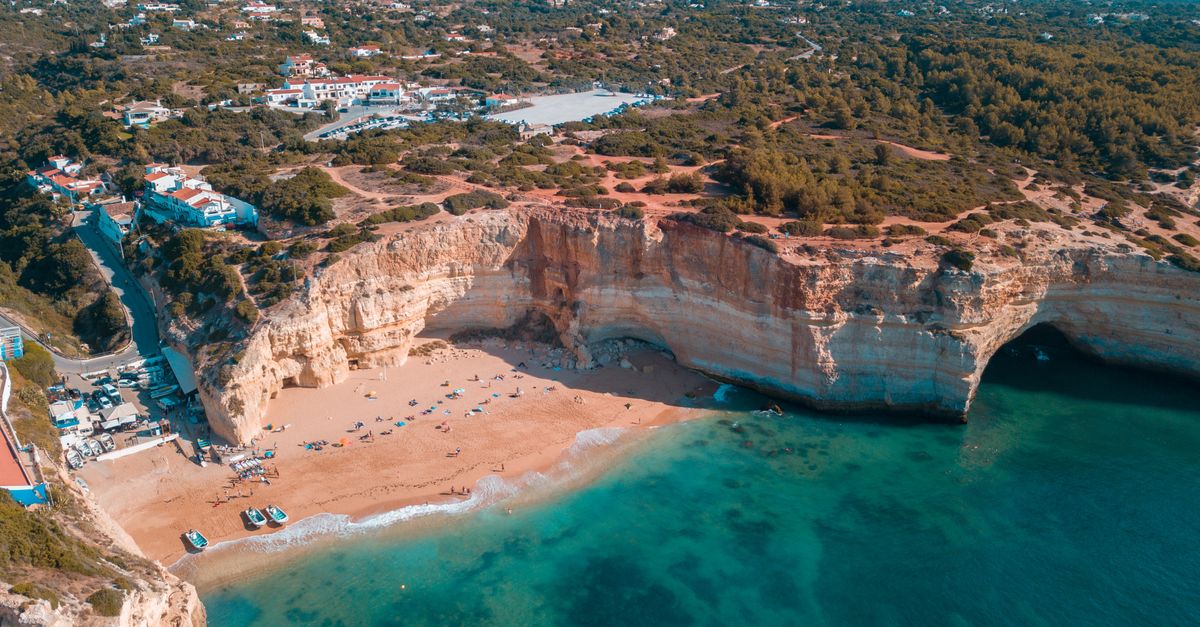
Praia de Dona Ana
Lagos beach defined by sandstone cliffs and sea stacks accessible via wooden stairs.
We may earn a commission from bookings made through these links. It never changes what we recommend, or what we leave out.