Overnight
Town· Algarve
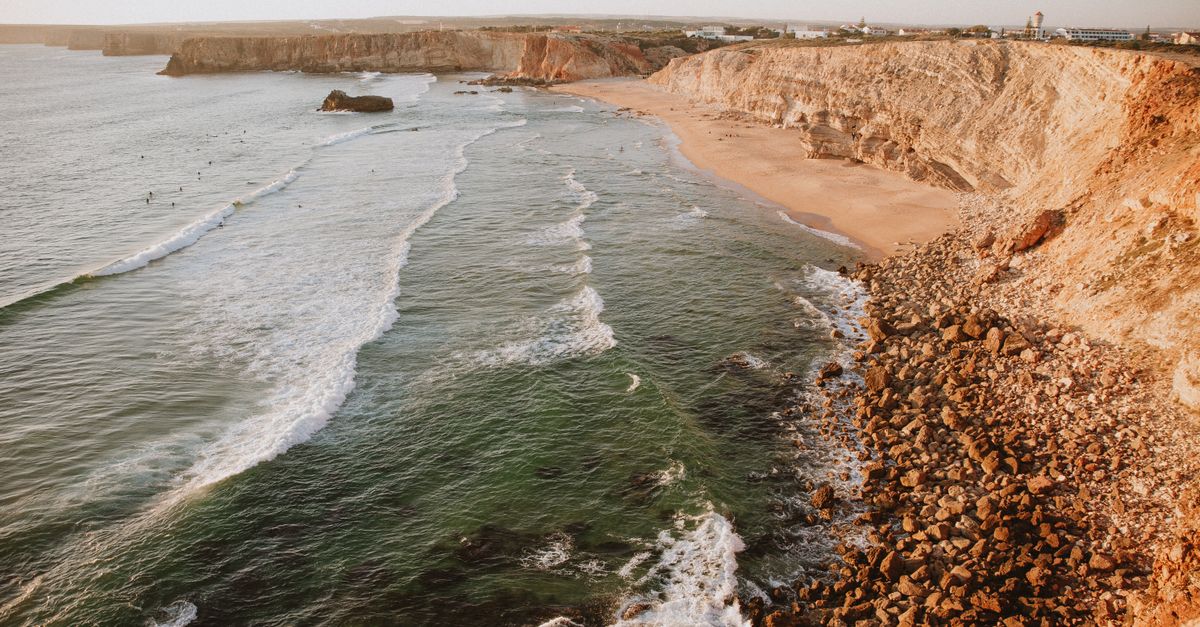
Sagres
The end-of-the-world cape — fortress, big swells, surf culture, and the most windswept, dramatic corner of the Algarve.
5–7 days · themed road trip
The Algarve coast requires a clear strategy to avoid the density of its central corridor. Prioritize the wilder western reaches and the quieter eastern border to find a more grounded pace.
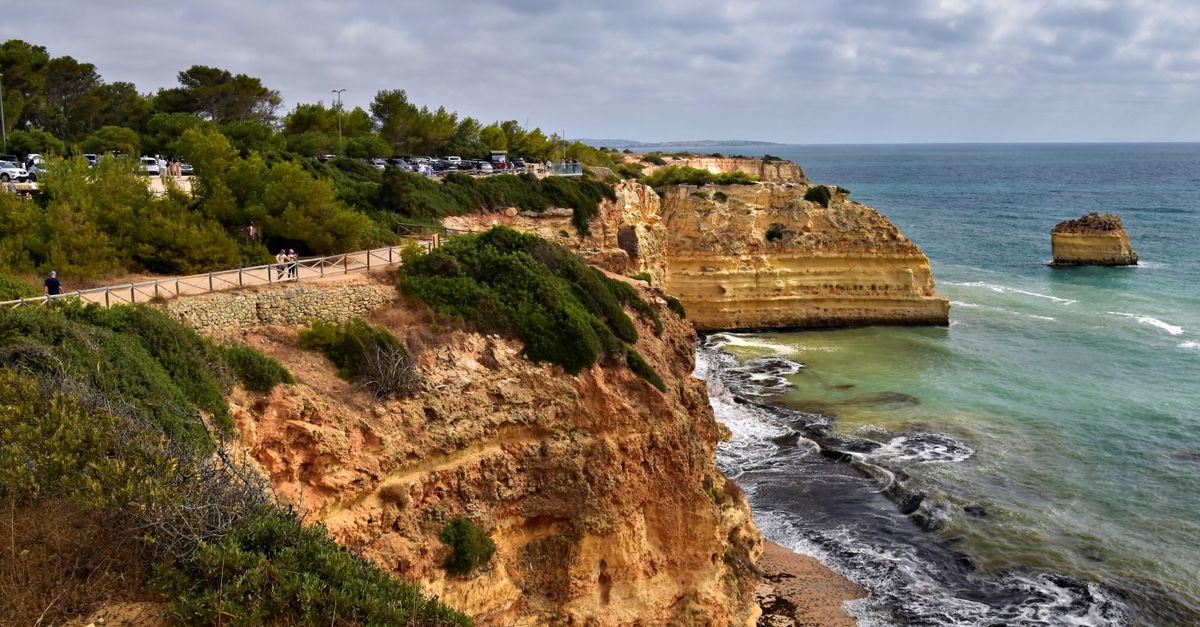
Begin in Sagres to experience the Atlantic's force before turning north toward Aljezur for rugged surf breaks and cliffs. Travel east to pass through the inland hills of Monchique, then descend toward Silves. Finish in Tavira, which maintains a distinct architectural character compared to the heavily developed towns between Faro and Albufeira.
Five to seven days allows for slow transitions between the dramatic western cliffs and the calm eastern lagoons. Expect slow movement on the N125, the primary coastal road that passes directly through town centers and congestion zones. Use the A22 toll highway only for bypassing the sprawl between Albufeira and Faro.
Silves remains the most significant inland stop, centering on its red sandstone fortress rather than the beach. Aljezur provides immediate access to unmanicured dunes and raw water. Tavira serves as the primary base for the eastern side, offering a slower pace and proximity to the sandbars of the Ria Formosa.
Albufeira operates as a high-density resort hub; travelers seeking quiet or authentic regional interaction should bypass it entirely. Parking in the center of Lagos is difficult outside of off-season months. Ensure the rental vehicle includes an electronic toll transponder, as the A22 is strictly cashless.
The end-of-the-world cape — fortress, big swells, surf culture, and the most windswept, dramatic corner of the Algarve.

A historic port town turned the Algarve's best all-round base — old-town charm, dramatic cliffs to the west, and the gateway to the Costa Vicentina.
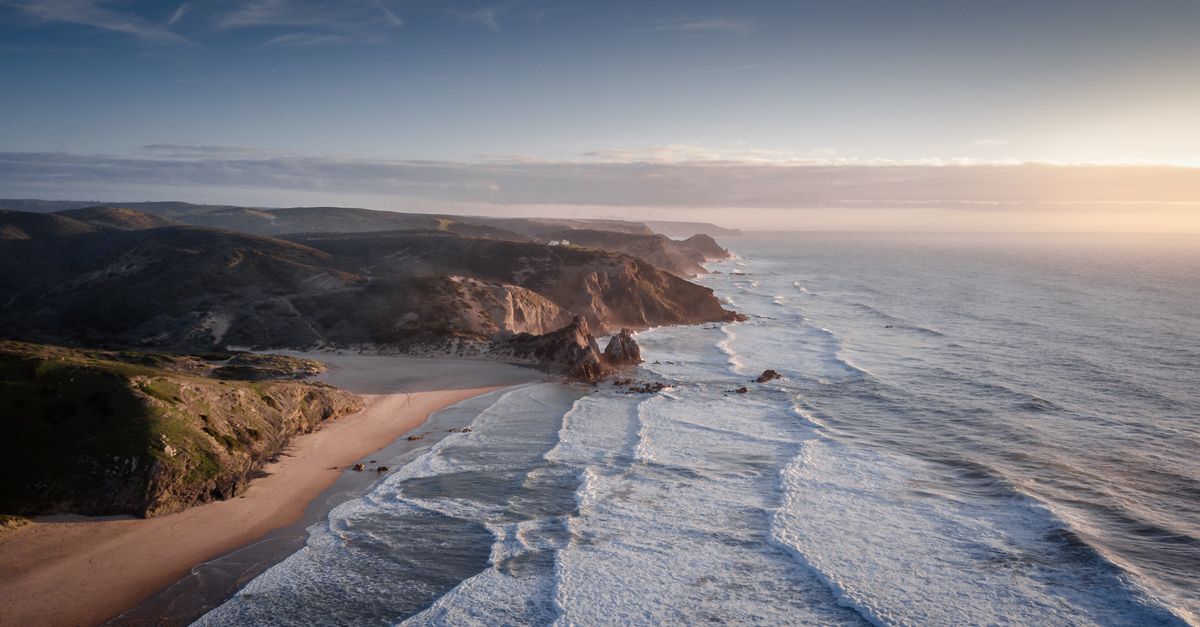
A whitewashed hill village and the gateway to the Costa Vicentina's wild beaches — surf, cliffs, and the west Algarve's quiet soul.

The former Moorish capital of the Algarve — a red-stone castle, a cathedral, and a quiet hill town above the Arade.

The Algarve's party-and-resort capital — a pretty old town drowned in high-rise tourism and nightlife.
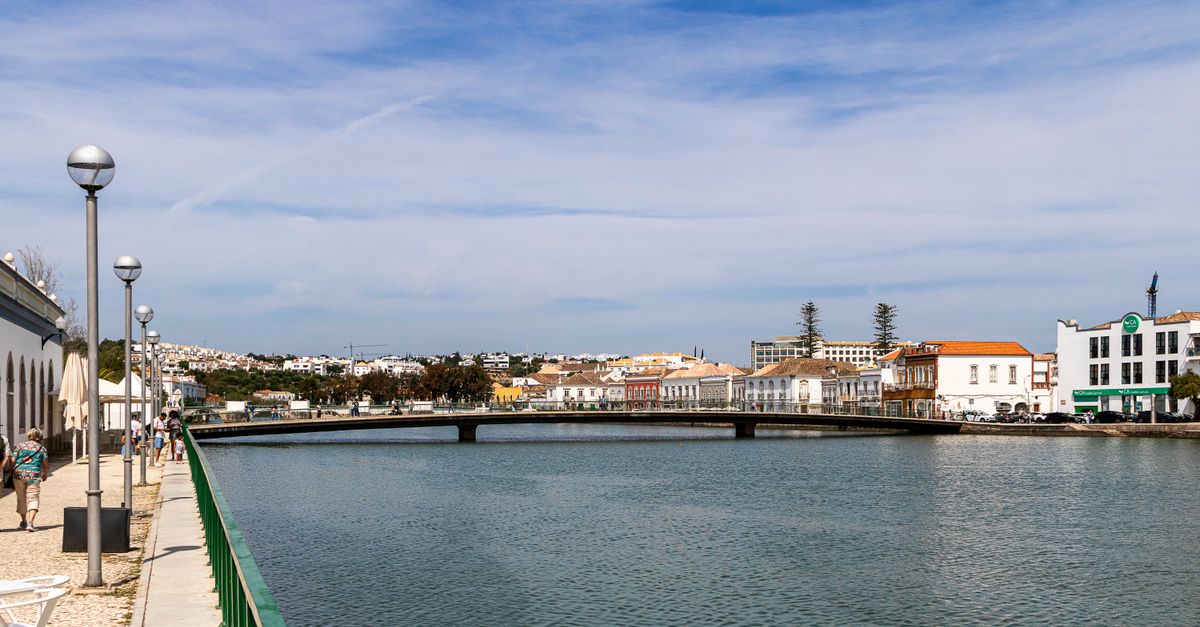
The Algarve's most graceful town — a river, 37 churches, a Roman bridge, and the gateway to the quiet eastern islands.
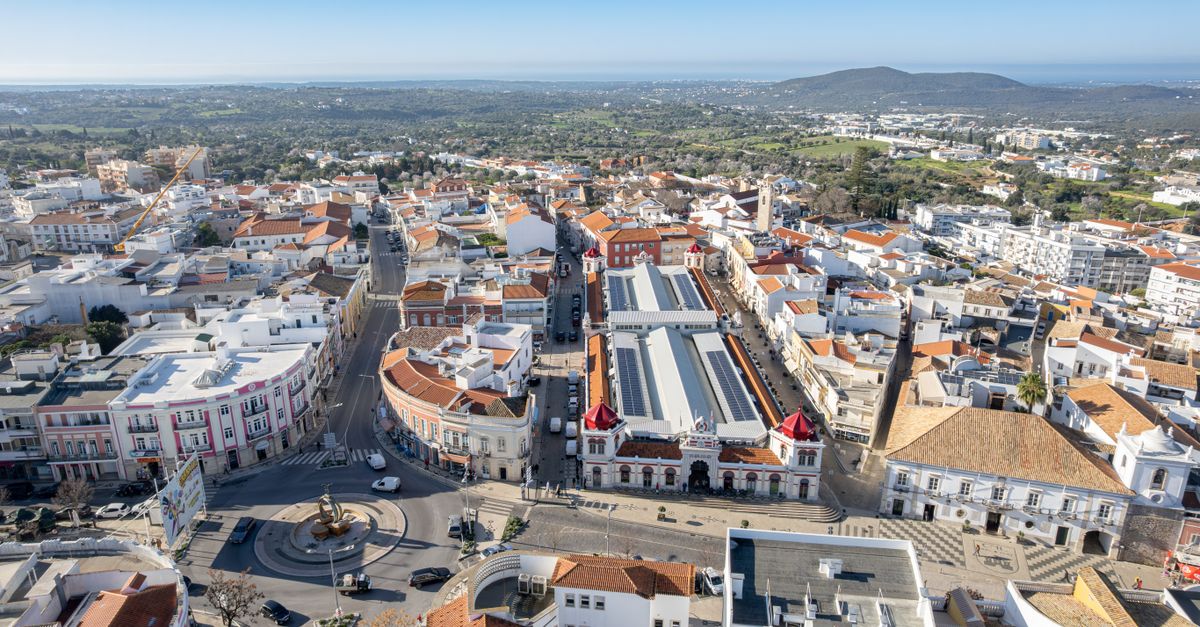
The Algarve's capital and airport city — an underrated old town, a walled garden, and the Ria Formosa lagoon.
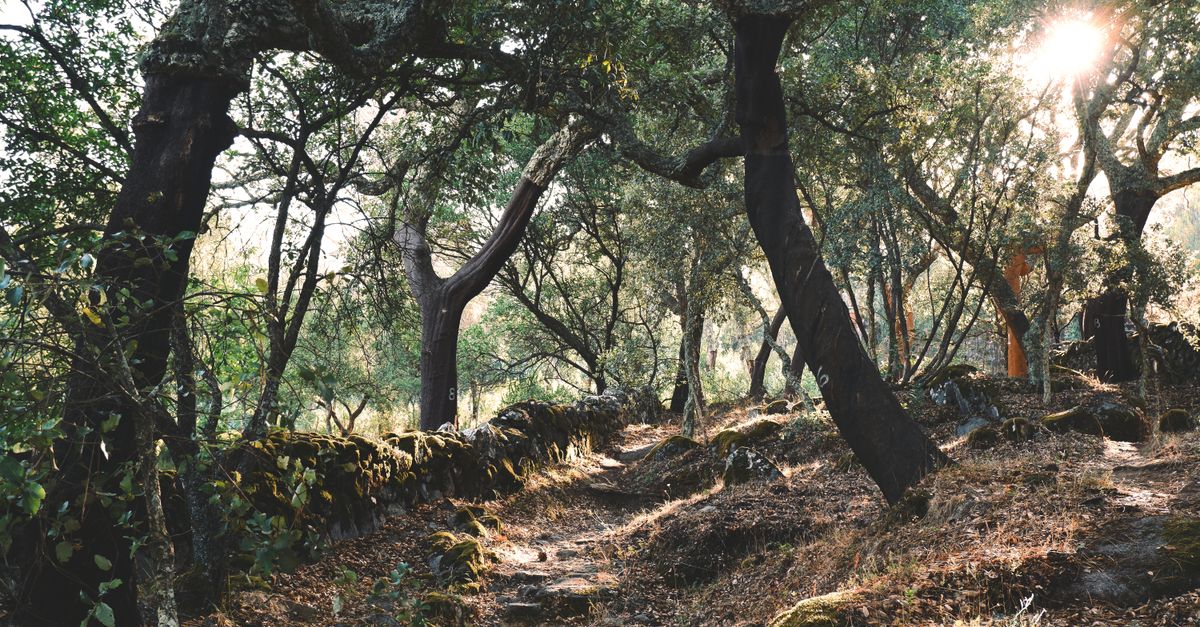
A mountain town in the Algarve's green interior — cork forests, hot springs, and the climb to Foia, the region's highest point.