Trip Anchor
City· Porto & North
Porto
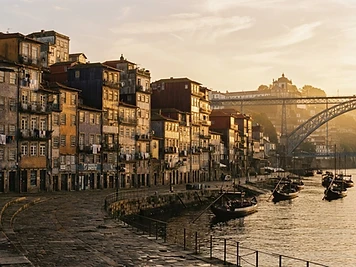
Portugal's second city — granite, port wine, the Douro waterfront and a working, lived-in heart that Lisbon has partly lost to tourism.
2–3 days · themed road trip
The Douro Valley is not a place for leisurely drifting; it is an unforgiving landscape of terraced schist slopes and steep, winding river roads. Focus the trip on the stretch between Peso da Régua and Pinhão to see the heart of the demarcated wine region without succumbing to travel fatigue.
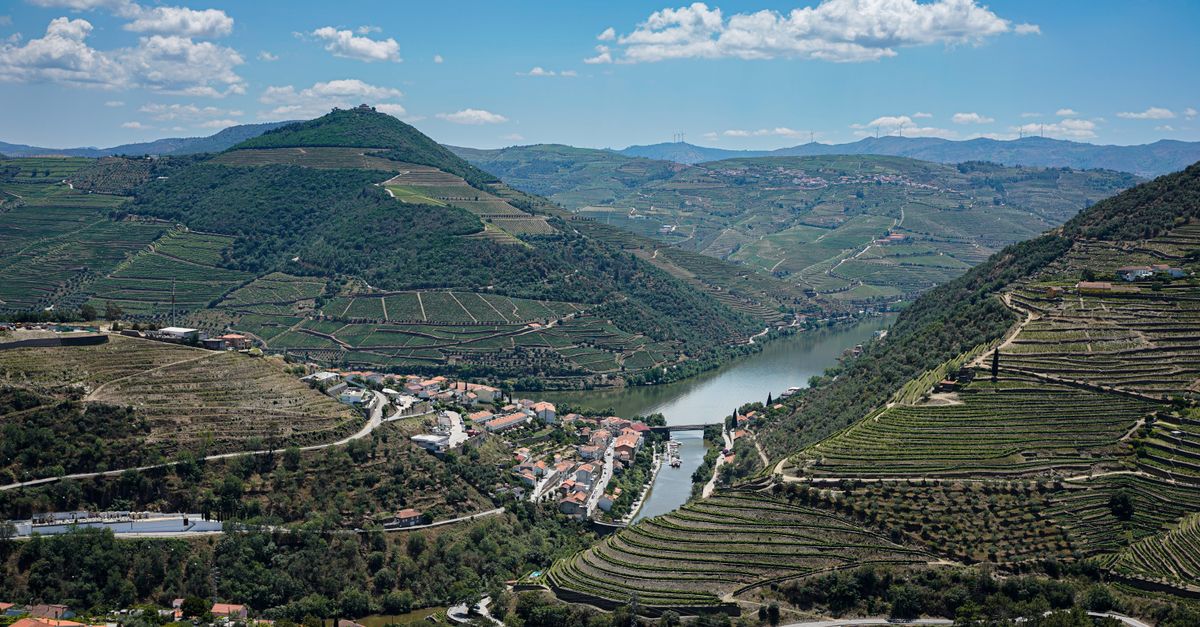
Begin in Porto and travel east along the N108 or the N222. The N222, specifically the stretch near Covelinhas, is the most direct path to the valley’s concentrated wine estates. Avoid the temptation to traverse the entire length of the river in a single day; the serpentine roads make distance misleading.
Two days is the minimum duration required to appreciate the scale of the region. The roads are narrow and frequently lack shoulder space, demanding constant attention from the driver. Buses and heavy agricultural vehicles further slow movement on the tighter hairpin turns, so factor in an extra hour for any itinerary segment.
Pinhão acts as the functional center of the valley, providing easier access to the famous quintas than the more peripheral outposts. Lamego serves as a necessary diversion for those interested in the transition from the river basin to the higher altitude plains, specifically to see the Nossa Senhora dos Remédios staircase.
Base operations in one location rather than changing hotels daily to mitigate the difficulty of navigating narrow town centers with luggage. Confirm reservation policies for quintas before departing, as many of the smaller, high-quality producers operate strictly by appointment and do not accommodate walk-ins.
Portugal's second city — granite, port wine, the Douro waterfront and a working, lived-in heart that Lisbon has partly lost to tourism.
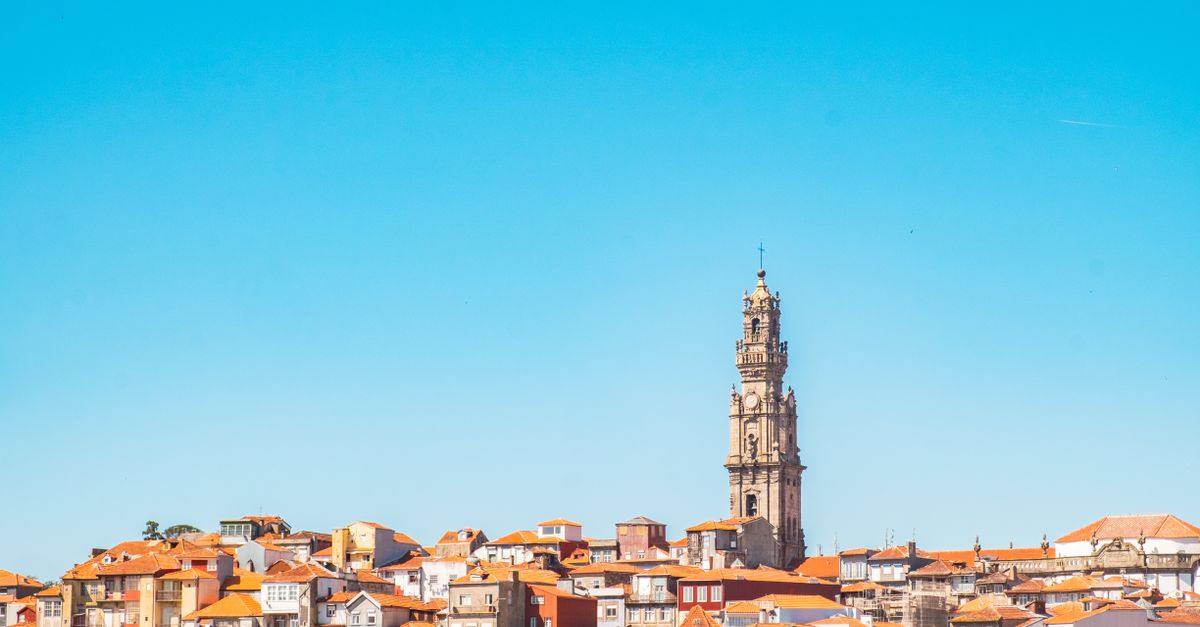
The south bank of the Douro opposite Porto, home to the aging warehouses of the port wine trade and the vantage points overlooking the Ribeira.
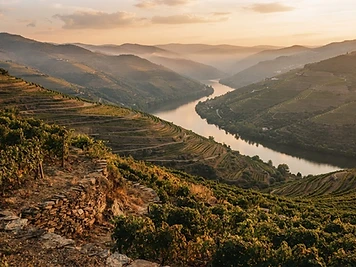
The world's oldest demarcated wine region — terraced vineyards climbing the banks of the Douro, port's birthplace, and one of the most beautiful river valleys in Europe.
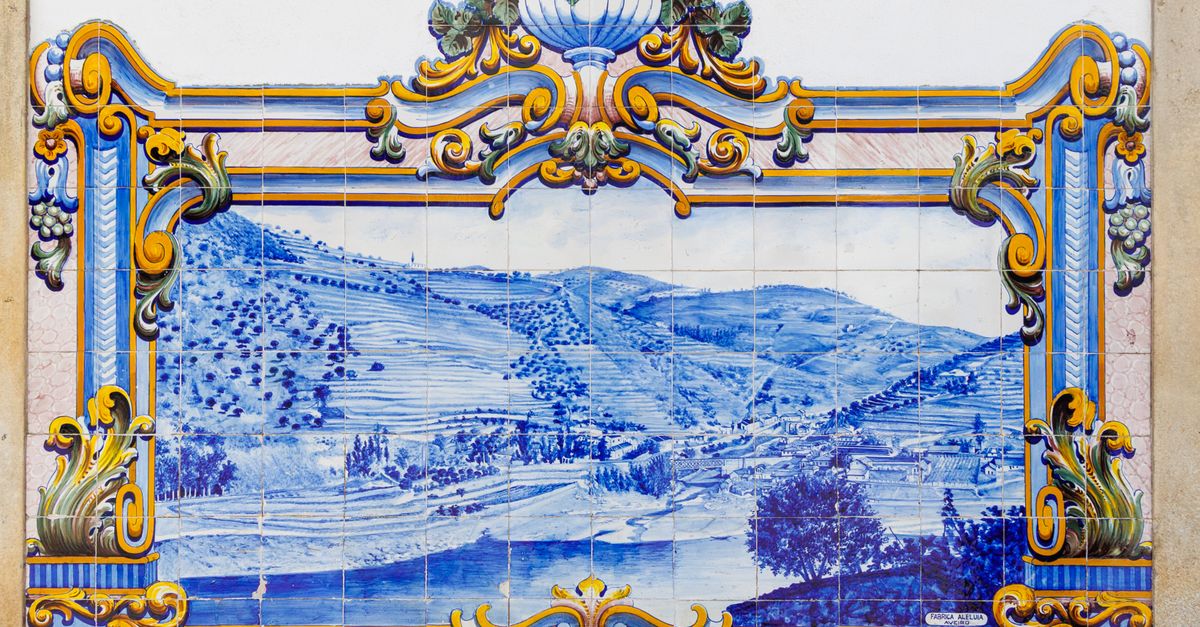
The heart of the Douro — a tiny riverside village with azulejo-clad train station and quintas walking distance apart.
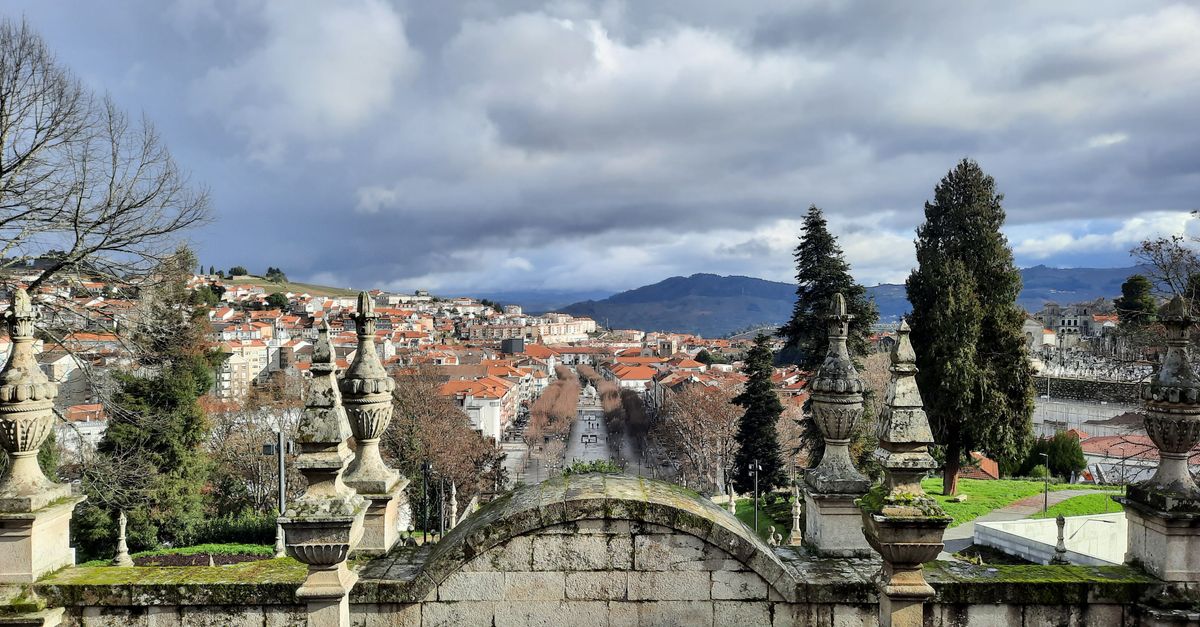
A baroque hilltown between Porto and the Douro, known for the staircase sanctuary of Nossa Senhora dos Remédios.
