

Trip Anchor
City· Lisbon
Lisbon
The capital — seven hills, Atlantic light, tile and tram, and a city that lives outdoors. The obvious starting point for almost any Portugal trip.
5–7 days · themed road trip
The coastal drive between Lisbon and Porto follows the N109 and A8 motorways, connecting the capital to the north via a chain of distinct regional centers. Five to seven days provides the necessary buffer to avoid rushing the transit between these urban hubs.
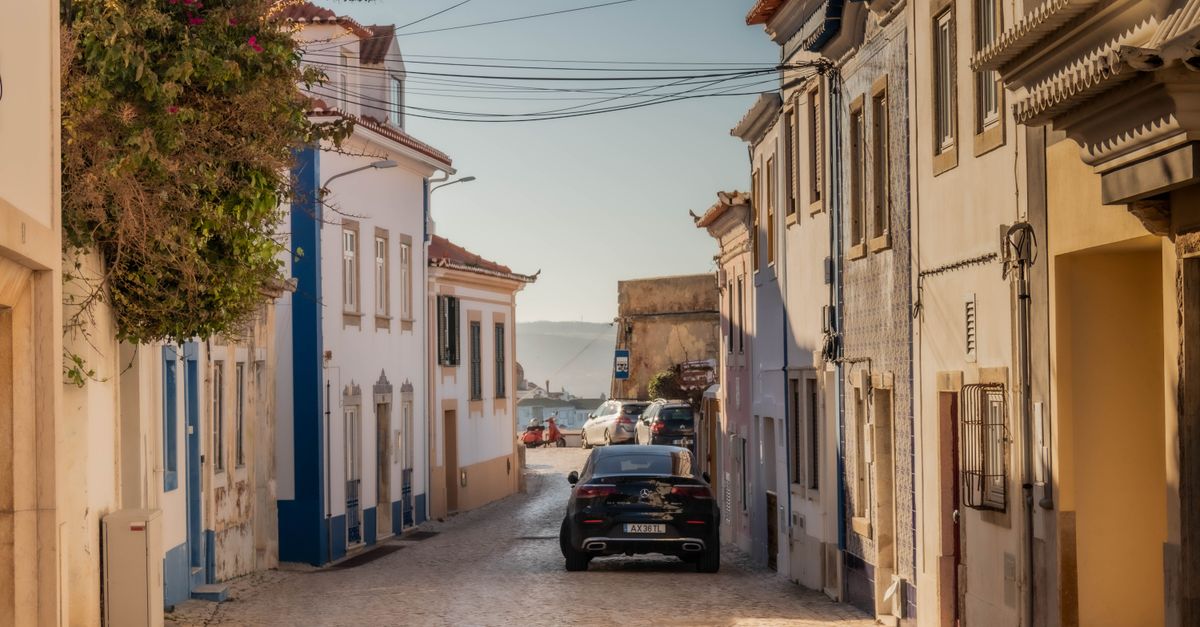
Heading north, start by clearing the Lisbon periphery via the A8 toward the central coast. Óbidos acts as the initial stop, followed by the jagged coastline of Peniche and Nazaré. From there, head inland to Coimbra before reclaiming the Atlantic breeze at Aveiro and finishing in Porto. Avoid the temptation to traverse the entire distance in a single day, as the coastal geography requires constant deviation from the main artery.
Six days is the realistic minimum for this itinerary. Expect tolls on the A8 and A1, which remain the most efficient way to link major points; the coastal N109 is slower and prone to heavy local traffic. Parking in older towns like Óbidos or central Coimbra is tight and often limited to outside the medieval walls. Plan for early morning departures to secure spaces and to beat tour bus surges at the more famous lookout points in Nazaré.
Óbidos warrants a two-hour walk, but skip an overnight stay in favor of the coast. Peniche serves those specifically seeking high-exposure surf conditions, while Nazaré is strictly for those interested in the sheer scale of the north canyon waves. Coimbra demands a full day to navigate its steep, university-centric topography. Aveiro functions best as a lunch stop—its canal system is slight, and the town is manageable in three hours.
Road signage is consistent, but secondary roads near the coast are narrow and frequently shared with agricultural vehicles. Rent a small vehicle to manage tight corners in historic districts. In the shoulder seasons, the wind off the Atlantic can be significant, occasionally closing coastal lookouts. Gasoline stations are plentiful near the motorway, but anticipate fewer options once deviating into the smaller villages between Coimbra and Aveiro.
The capital — seven hills, Atlantic light, tile and tram, and a city that lives outdoors. The obvious starting point for almost any Portugal trip.

A perfectly walled medieval town — whitewashed houses, yellow and blue trim, and a castle you can stay in.

A fishing town turned big-wave legend — the Sitio clifftop, giant surf at Praia do Norte, and a working beach below.
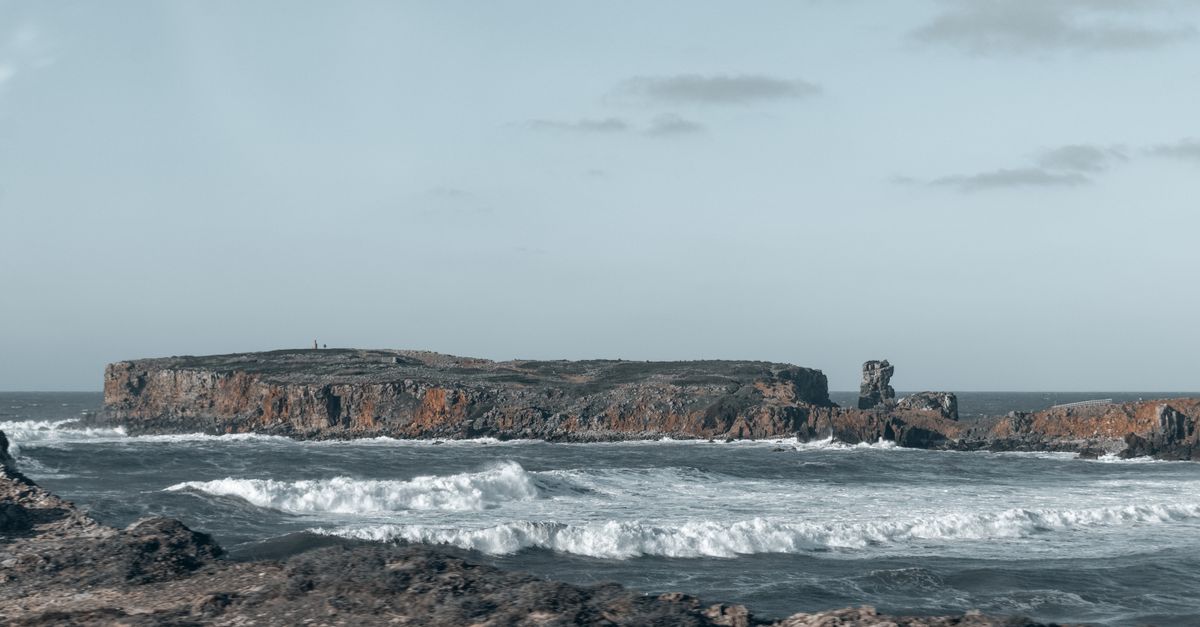
A functional fishing town and surf hub located on a rocky peninsula; site of a coastal fortress and the ferry terminal for the Berlengas nature reserve.
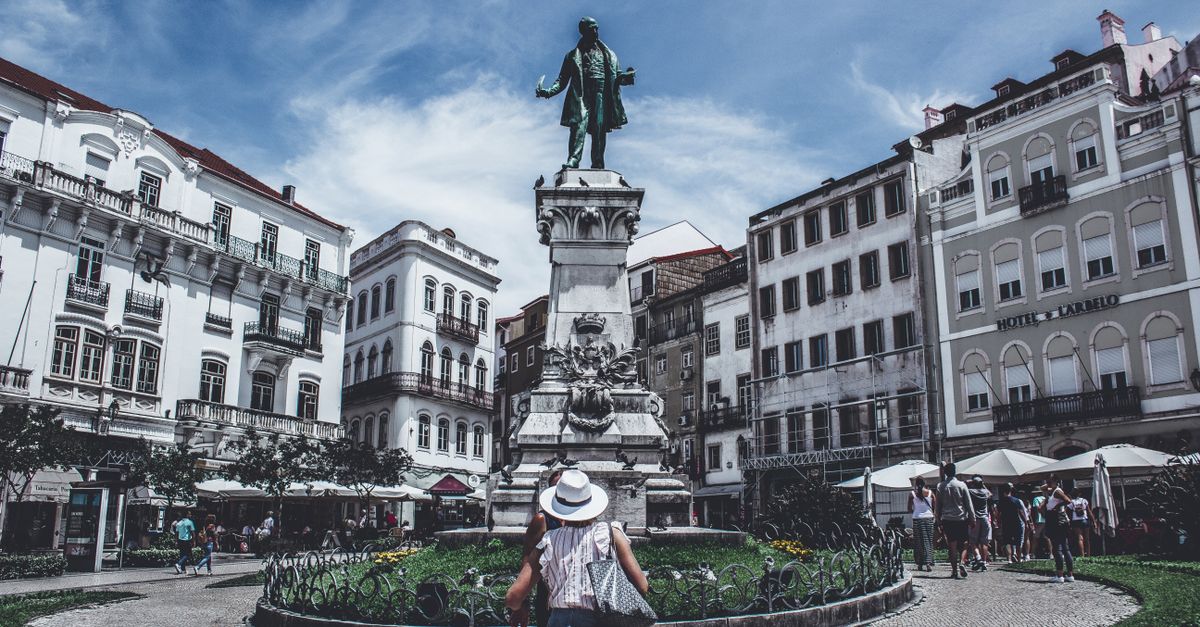
Portugal's medieval capital and university city — a steep, tiled old town above the Mondego, with a baroque library and fado of its own.

A flat canal city on a lagoon — art-nouveau façades, moliceiro boats, and a beach (Costa Nova) a short ride away.
Portugal's second city — granite, port wine, the Douro waterfront and a working, lived-in heart that Lisbon has partly lost to tourism.
