Aveiro
A flat canal city on a lagoon — art-nouveau façades, moliceiro boats, and a beach (Costa Nova) a short ride away.
A pleasant half-day or easy overnight; softer and flatter than Coimbra.

Why go
The canals, the art-nouveau center, the striped fishermen's houses at Costa Nova, and soft-shell crab. Easy and family-friendly.
Why you might skip it
It's gentle, not grand — some find it underwhelming next to Coimbra.
What to do
Canal boat ride, art-nouveau walk, bike to Costa Nova beach, eat ovos moles.
What to eat
Ovos moles (the local sweet), soft-shell crab, fish.
Where to stay
A day trip, not a bed. (Day trip or 1 night)
Lodging centers primarily on the streets surrounding the Rossio canal, where converted traditional houses offer proximity to the boat departures and the highest concentration of dining options. These central locations provide convenience but occasionally experience noise from evening crowds. Quieter, more modern hotels exist near the train station, providing a peaceful environment at the cost of a longer walk to the main tourist sights. Pricing remains consistent throughout the year, with a slight increase during the peak summer season.
Getting there & around
Train from Porto.
The city center remains flat and compact, making walking the most efficient way to navigate the canals and historical districts. Buses operate between the town center and the coastal beaches of Barra and Costa Nova. Parking is available in public lots on the outskirts of the historical core, as the narrow streets and pedestrianized zones limit vehicle access. Rental cars are unnecessary for local transit but serve as a convenient link for those continuing toward the Silver Coast.
Common planning mistakes
The assumption that the beach lies within the city limits often leads to wasted travel time. The coastal area of Costa Nova requires a separate bus or car journey of several kilometers. Relying on train schedules without verifying Sunday or holiday frequency results in long station waits. Attempting a day trip to both the city center and the coast simultaneously creates a rushed itinerary that neglects the quiet character of the lagoon.
Less ideal for
This destination is less ideal for travelers requiring mountainous terrain or complex historical urban fabrics. It is also unsuitable for those expecting a large-scale coastal resort experience, as the beach areas are residential and relatively small. The city is not optimized for travelers who struggle with high humidity or who prioritize extensive nightlife and shopping malls over relaxed, small-town canal exploration.
Practical notes
The train station serves as the primary gateway, connecting directly to Porto in approximately seventy-five minutes. Most shops and smaller museums close on Mondays, while the canal boats operate daily depending on weather conditions. The summer months bring higher humidity and larger crowds near the boat launches. Cash remains useful for smaller bakery purchases, though card acceptance is standard in the majority of restaurants and shops located near the central pedestrian zones.
What's here

Museu de Aveiro
Housed within the 15th-century Convent of Jesus, this museum contains religious art, gilded woodcarvings, and artifacts from the life of Princess Saint Joana. It serves as a primary cultural site in Aveiro, focusing on the city's monastic history.

Catedral de Aveiro
Formally the Cathedral of Saint Dominic, this 15th-century structure in Aveiro displays Portuguese Baroque architecture. It functions as a place of worship within the historic city center.
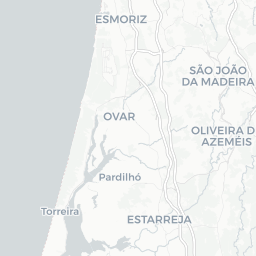
Where it sits






More places in Central Portugal

Tomar
A Templar city on the Nabão — the Convent of Christ is one of Portugal's most extraordinary monuments.


Batalha
A small town built around one of Portugal's greatest monuments — the Batalha Monastery.

Monsanto
A granite village pinned between giant boulders — voted 'most Portuguese village' in 1938.

Nazaré
A fishing town turned big-wave legend — the Sitio clifftop, giant surf at Praia do Norte, and a working beach below.

Óbidos
A perfectly walled medieval town — whitewashed houses, yellow and blue trim, and a castle you can stay in.
We may earn a commission from bookings made through these links. It never changes what we recommend, or what we leave out.