Catedral de Aveiro
Formally the Cathedral of Saint Dominic, this 15th-century structure in Aveiro displays Portuguese Baroque architecture. It functions as a place of worship within the historic city center.
A brief stop for those focused on the religious heritage of Aveiro.

Why go
The cathedral provides a contrast to the canal-side areas of Aveiro. It holds ornate altarpieces, a stone cross in the square, and an interior removed from the pedestrian traffic near the waterways.
Why you might skip it
Those expecting a large, gold-heavy cathedral may find this structure too small.
What to do
Observe the limestone facade and the Manueline cross outside; view the gilded wood carvings and the 17th-century azulejos inside.
History & origin
Established in 1423 as part of a Dominican convent, the site underwent various modifications before being designated a cathedral in 1938.
Getting there & around
Located in the city center, a 15-minute walk from the train station; public buses operate nearby.
The site is compact and flat, allowing access to the nave and side chapels.
Common planning mistakes
Skipping the church square in favor of the canal boat tours.
Less ideal for
Travelers expecting large, cavernous spaces or active tourist attractions.
Practical notes
Opening hours for visitors change seasonally; confirm before visiting. Dress modestly. Flash photography is prohibited.
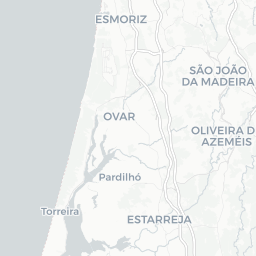
Where it sits






More history in Central Portugal

Alcobaça Monastery
Portugal's largest church and the purest Cistercian abbey in the country, founded 1153.

Batalha Monastery
The Manueline-Gothic monastery of Santa Maria da Vitória, built to thank God for a battle won in 1385.

Carnaval de Torres Vedras
Carnaval de Torres Vedras ignores conventional stage-based parades in favor of a satirical street party. The event is characterized by the Matrafonas, men wearing improvised female costumes, and a focus on chaotic public interaction.

Castelo de Monsanto
Built into a granite mountain, the ruins of Castelo de Monsanto overlook the plains extending toward the Spanish border. The site features the remains of defensive walls and a layout dictated by the rock formations.

Castelo de Óbidos
The Castelo de Óbidos sits on a hilltop enclosed by 14th-century stone walls, serving as the focal point of the town. The structure is one of the more intact examples of military architecture in the region and now functions as a hotel.

Castelo de Tomar
The Convento de Cristo in Tomar is a monastic complex that functioned as the headquarters for the Knights Templar. The architecture tracks the transition through Romanesque, Gothic, Manueline, and Renaissance periods.
We may earn a commission from bookings made through these links. It never changes what we recommend, or what we leave out.