Castelo de Óbidos
The Castelo de Óbidos sits on a hilltop enclosed by 14th-century stone walls, serving as the focal point of the town. The structure is one of the more intact examples of military architecture in the region and now functions as a hotel.
This is a functional medieval site, provided you arrive before the daily influx of tour buses.

Why go
The walls allow for a circuit of the perimeter, offering views across the plains and the layout of the village below.
Why you might skip it
The interior functions as a hotel rather than a public museum. Those with limited mobility should note the steep, uneven stone stairs on the wall battlements.
What to do
Walk the perimeter walls to observe the town layout, then visit the village streets for a glass of ginjinha in a chocolate cup.
History & origin
Originally a Roman settlement and later occupied by the Moors, the site was taken by Afonso Henriques in 1148. Much of the present structure dates to the reign of King Dinis, who gifted the town to Queen Isabel in 1282.
Getting there & around
Accessible via the A8 motorway from Lisbon, approximately one hour by car. Regional bus service connects Lisbon and Caldas da Rainha to the town.
The site is pedestrianized and requires navigating narrow, uneven cobblestone paths and steep stairways on the castle walls.
Common planning mistakes
Visiting during the summer Medieval Market without prior accommodation, or wearing footwear unsuitable for uneven ramparts.
Less ideal for
Visitors expecting an artifact-heavy museum or those with mobility concerns.
Practical notes
The castle walls lack safety railings; exercise caution. The grounds are a public thoroughfare, but interior hotel areas are restricted to guests.
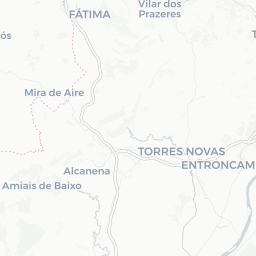
Where it sits




More history in Central Portugal

Alcobaça Monastery
Portugal's largest church and the purest Cistercian abbey in the country, founded 1153.

Batalha Monastery
The Manueline-Gothic monastery of Santa Maria da Vitória, built to thank God for a battle won in 1385.

Carnaval de Torres Vedras
Carnaval de Torres Vedras ignores conventional stage-based parades in favor of a satirical street party. The event is characterized by the Matrafonas, men wearing improvised female costumes, and a focus on chaotic public interaction.

Catedral de Aveiro
Formally the Cathedral of Saint Dominic, this 15th-century structure in Aveiro displays Portuguese Baroque architecture. It functions as a place of worship within the historic city center.

Conímbriga
Conímbriga stands as one of the best-preserved Roman settlements in Portugal, offering an intimate look at the daily lives of ancient Iberians. It is most famous for its extraordinary collection of intricate floor mosaics that remain largely in their original positions.

Convento de Cristo
The Convento de Cristo in Tomar is a sprawling, UNESCO-listed complex that served as the headquarters for the Knights Templar. It incorporates Romanesque, Gothic, Manueline, and Renaissance styles.
We may earn a commission from bookings made through these links. It never changes what we recommend, or what we leave out.