Convento de Cristo
The Convento de Cristo in Tomar is a sprawling, UNESCO-listed architectural masterpiece that served as the headquarters for the Knights Templar. It remains one of the most significant historical monuments in Portugal, blending Romanesque, Gothic, Manueline, and Renaissance styles.
An essential pilgrimage for history buffs and architecture enthusiasts, this is arguably the most impressive monument in Central Portugal.

Why go
It offers an unparalleled look into the power of the Templars and the Age of Discovery. The highlight is the Charola, the original 12th-century Templar oratory, juxtaposed with the ornate, sea-inspired Manueline architecture of the chapter house window.
Why you might skip it
Travelers with limited mobility may find the vast, uneven cobblestone courtyards and endless staircases challenging. Those uninterested in religious history or medieval architecture may find the sheer scale of the site overwhelming or repetitive.
What to do
Marvel at the intricate stone carvings of the Manueline window, walk through the various cloisters like the Renaissance-era Dom João III, and visit the iconic circular Charola.
History & origin
Founded in 1160 as a Templar stronghold, it evolved into the headquarters of the Order of Christ following the Templars' dissolution. It became the epicenter of the Portuguese Age of Discovery, with explorers like Vasco da Gama linked to its patronage.
Getting there & around
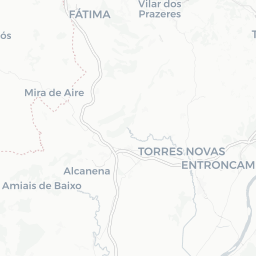
Located on a hill overlooking Tomar; regular train connections exist from Lisbon and regional bus services connect to nearby Fátima.
The site is expansive and requires extensive walking; wear comfortable shoes to navigate the various levels and stone stairways.
Common planning mistakes
Underestimating the time required to see the entire complex and failing to account for the steep, uphill walk from the town center.
Less ideal for
Travelers with mobility issues and those short on time who prefer compact, city-center sights.
Practical notes
Wear sturdy footwear for uneven surfaces; check official closing times as they vary by season; photography is generally permitted, though tripods are often restricted.
Where it sits