Festa dos Tabuleiros (Tomar)
The Festa dos Tabuleiros is a spectacular, rare quadrennial celebration in Tomar dedicated to the Holy Spirit, characterized by a massive procession of women balancing towering, flower-laden headdresses. It is one of Portugal's most visually arresting and ancient folk traditions.
This is a bucket-list event that warrants planning an entire Portugal itinerary around, provided you secure your logistics well in advance.
Why go
The sight of hundreds of women processing through Tomar's historic streets, each carrying a 'tabuleiro'—a structure adorned with 30 loaves of bread, flowers, and ribbons—is unlike anything else in the world. The devotion, the scale of the volunteer labor, and the medieval atmosphere created within the Templar city make it a profoundly authentic cultural experience.
Why you might skip it
Skip this if you have an aversion to extreme crowds or hot, stagnant summer weather, as the city reaches maximum capacity and mobility becomes difficult. Those who prefer solitary, quiet exploration of Tomar’s monuments will find the festival environment overwhelming.
What to do
Marvel at the intricately decorated streets, attend the partial processions leading up to the main day, and position yourself early to watch the main parade of the tabuleiros navigate the center of town.
What to eat
The loaves of bread ('coroas') atop the tabuleiros are blessed and eventually distributed, but standard festival fare like grilled sardines, bifanas, and local Alentejo-style wines are the staples of the street stalls.
History & origin
Rooted in the 13th-century cult of the Holy Spirit encouraged by Queen Isabel, the festival honors the act of charity, originally symbolizing the distribution of bread and food to the poor.
Getting there & around
Common planning mistakes
The biggest mistake is waiting until the year of the festival to book accommodation, which sells out months or years in advance; another is failing to hydrate during the long, sweltering wait times in the sun.
Less ideal for
Travelers with mobility issues, claustrophobes, or those seeking a relaxing, low-key getaway.
Practical notes
Comfortable footwear is non-negotiable for the cobblestone streets, and it is wise to arrive at your viewing spot hours before the parade begins; check the official municipality website years in advance for confirmed dates.
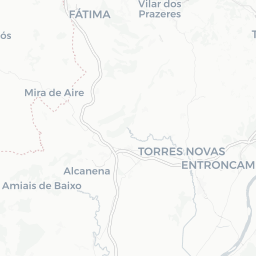
Where it sits