Castelo de Tomar
The Convento de Cristo in Tomar is a sprawling monastic complex that served as the headquarters for the Knights Templar. It is a masterclass in architectural evolution, blending Romanesque, Gothic, Manueline, and Renaissance styles.
An essential pilgrimage for any visitor interested in the intersection of Portuguese history, maritime exploration, and religious art.

Why go
Visitors are rewarded with the stunning Charola, the original 12th-century Templar oratory, and the iconic Manueline window of the Chapter House, which remains one of the most elaborate examples of maritime-themed stonework in the world.
Why you might skip it
Those disinterested in medieval history or ecclesiastic architecture may find the sheer size of the complex exhausting; those with limited mobility may also struggle with the extensive stairs and uneven historic flooring.
What to do
Explore the Charola, wander through the multiple courtyards, examine the intricate stone carvings on the Chapter House window, and walk along the walls for views over the town of Tomar.
History & origin
Founded in 1160 by Gualdim Pais, the castle served as the Templar stronghold in Portugal. Following the order's dissolution, it became the headquarters for the Order of Christ, which played a pivotal role in the Portuguese Age of Discovery.
Getting there & around
The complex is situated on a hill overlooking the town; it is a steep 15–20 minute walk from the train station or a short ride via taxi/bus.
The site is vast and requires significant walking; comfortable footwear is essential due to uneven historic paving.
Common planning mistakes
Many visitors arrive too late in the day, failing to account for the immense size of the complex, which necessitates more time than initially anticipated.
Less ideal for
Travelers with limited mobility or those looking for a quick, low-impact sightseeing stop.
Practical notes
Wear sturdy shoes, bring water, and check current opening hours as they vary by season. Photography is generally allowed throughout the grounds.
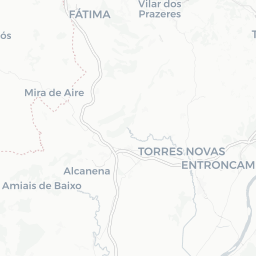
Where it sits