Peregrinação a Fátima
The Peregrinação a Fátima draws hundreds of thousands to the Sanctuary of Fátima to mark the 1917 apparitions of the Virgin Mary. It is a major gathering that defines the religious calendar of Central Portugal.
Unless you are specifically seeking a religious or sociological experience, the extreme crowds of the May and October peaks make a trip around this event a poor choice for the average traveler.

Why go
The event functions at a massive scale. Observers can watch tens of thousands of pilgrims participate in the candlelight procession, creating a concentrated, silent display of collective devotion.
Why you might skip it
The influx of people causes gridlock, hotel prices to increase, and the local infrastructure in Fátima to reach capacity, making standard movement and sightseeing difficult during the May 13 and October 13 peaks.
What to do
Observe the Candlelight Procession in the Cova da Iria, visit the Chapel of the Apparitions, and see the paved area where pilgrims complete the final stretch of their journey on their knees.
What to eat
Expect to rely on cafeteria-style meals provided by religious organizations or local restaurants; there is no specific feast food associated with the event.
History & origin
The site marks the reported 1917 apparitions of Our Lady of Fátima to three shepherd children, which shifted the status of this rural village into a primary Marian shrine.
Getting there & around
The Sanctuary is accessible by direct express bus from Lisbon or Coimbra. If driving, use the A1 motorway and exit at Fátima; parking is strictly regulated and severely limited during the main May and October pilgrimages, requiring arrival well outside the town center.
Common planning mistakes
Underestimating the cold at night during May or October, failing to book accommodation months in advance, and attempting to drive into the town center on the 13th.
Less ideal for
Travelers looking for a quiet getaway, those on a tight budget, or individuals who prefer to avoid dense crowds.
Practical notes
Wear comfortable shoes for walking the large, open Sanctuary grounds; carry water and food as queues for service can be long.
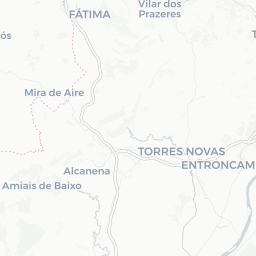
Where it sits




More history in Central Portugal

Alcobaça Monastery
Portugal's largest church and the purest Cistercian abbey in the country, founded 1153.

Batalha Monastery
The Manueline-Gothic monastery of Santa Maria da Vitória, built to thank God for a battle won in 1385.

Castelo de Monsanto
Built into a granite mountain, the ruins of Castelo de Monsanto overlook the plains extending toward the Spanish border. The site features the remains of defensive walls and a layout dictated by the rock formations.

Castelo de Óbidos
The Castelo de Óbidos sits on a hilltop enclosed by 14th-century stone walls, serving as the focal point of the town. The structure is one of the more intact examples of military architecture in the region and now functions as a hotel.

Catedral de Aveiro
Formally the Cathedral of Saint Dominic, this 15th-century structure in Aveiro displays Portuguese Baroque architecture. It functions as a place of worship within the historic city center.

Conímbriga
Conímbriga stands as one of the best-preserved Roman settlements in Portugal, offering an intimate look at the daily lives of ancient Iberians. It is most famous for its extraordinary collection of intricate floor mosaics that remain largely in their original positions.
We may earn a commission from bookings made through these links. It never changes what we recommend, or what we leave out.