Santuário de Fátima
The Sanctuary of Fátima is one of the world's most significant Catholic pilgrimage sites, marking the location where three local shepherd children reported apparitions of the Virgin Mary in 1917. It is a sprawling, profound complex that serves as the spiritual heart of modern Portugal.
A deeply evocative site of immense cultural weight that remains essential for anyone seeking to understand the religious fabric of Portugal, regardless of personal faith.

Why go
Even for the secular traveler, the sheer scale and intensity of the devotion at Fátima are breathtaking. The contrast between the modern Basilica of the Most Holy Trinity and the austere, neoclassical Sanctuary provides a fascinating study in architectural evolution, while the sight of pilgrims crossing the Cova da Iria on their knees is an unforgettable, humbling display of human conviction.
Why you might skip it
Those seeking a quiet or purely historical aesthetic experience may find the massive, concrete-heavy modern infrastructure overwhelming or visually stark. It can feel hollow during the off-season or when lacking the context of the intense, collective fervor that defines the major pilgrimage dates.
What to do
Visit the Chapel of the Apparitions—the site's spiritual epicenter—before exploring the neoclassical Basilica of Our Lady of the Rosary and the vast, contemporary Basilica of the Most Holy Trinity. Spend time in the massive central square and walk the perimeter to view the various monuments and the memorial of the Berlin Wall.
History & origin
In 1917, three shepherd children, Lúcia dos Santos and her cousins Francisco and Jacinta Marto, claimed to see the Virgin Mary on six occasions. The Church officially recognized the apparitions in 1930, transforming a remote sheep pasture into a global pilgrimage destination that now welcomes millions annually.
Getting there & around
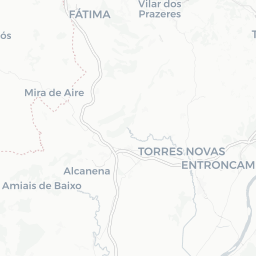
Located directly off the A1 motorway; the local bus terminal is a short walk from the sanctuary entrance.
The site is entirely pedestrianized and expansive, requiring significant walking; it is largely flat and very accessible for those with mobility issues.
Common planning mistakes
Visitors often arrive on the 12th and 13th of the summer months without anticipating the massive influx of people and traffic, which can make accessing the site and surrounding dining areas extremely difficult.
Less ideal for
Travelers seeking intimate, quiet historical ruins or those uncomfortable with large, occasionally dense crowds.
Practical notes
The site is open 24 hours, though individual basilicas have specific worship hours. Photography is permitted in outdoor areas but restricted inside the chapels. Dress modestly out of respect for the active, solemn nature of the site.
Where it sits